How to Tell Betta Fish Mood

Want to understand your betta fish mood? This guide shows you exactly how to read your betta’s body language, color changes, and behavior signals. You will learn the most common mood indicators, what causes mood shifts, and simple steps to keep your fish feeling calm and content every day.
Have you ever wondered what your betta fish mood really means? Understanding your betta fish mood is one of the most important skills any fish owner can learn. When you know how to read your fish’s body language, you can catch problems early and keep your pet healthy and happy. This guide covers everything from color changes to swimming patterns that reveal how your betta is feeling. By the end, you will know exactly what your fish is trying to tell you.
Betta fish are fascinating creatures with big personalities. Many people think bettas are simple pets, but they actually communicate constantly through their behavior. A happy betta fish will swim gracefully and show vibrant colors. A stressed betta fish might hide, stop eating, or flare at everything in sight. Learning to read these betta fish behavior signals takes a little practice, but it is very rewarding.
Your betta fish temperament depends on many factors. Water quality, tank setup, feeding routine, and even the time of day can shift how your fish acts. Once you understand these patterns, you will feel much more connected to your pet. This article walks you through every major mood indicator in detail. You will also find practical tips to improve your fish’s daily comfort and well-being.
Key Takeaways
- Color changes reveal mood: A betta fish body language shift often shows up first in their colors, so watch for fading or brightening.
- Fin position matters: Clamped fins or relaxed fins tell you a lot about how your betta fish is feeling inside.
- Appetite is a key health indicator: Loss of appetite or overeating can signal stress or comfort in your fish.
- Tank conditions affect mood directly: Poor water quality and wrong temperature can cause betta fish lethargy and hiding behavior.
- Flaring has meaning: Betta fish aggression and flaring can show dominance, fear, or territorial behavior.
- Small changes make a big difference: Simple tank improvements can boost your betta fish happiness and overall well-being.
📑 Table of Contents
Reading Your Betta Fish Body Language
The first step to understanding your betta fish mood is learning to read their body language. Fish cannot speak, but they communicate constantly through physical signals. Every fin position, color shift, and movement pattern carries meaning. Once you learn to read these signs, you will become fluent in your betta’s silent language. Paying close attention to these details helps you spot trouble before it becomes serious.
Betta fish body language is surprisingly expressive. Unlike many other pets, fish rely entirely on visual cues because they do not make sounds. Their entire body, from the tip of their nose to the end of their tail, sends signals about how they feel. The key is to observe consistently and compare current behavior with your fish’s normal baseline. Every betta has a unique personality, so knowing what is normal for yours is the first step toward understanding their mood.
Color Changes That Reveal Mood
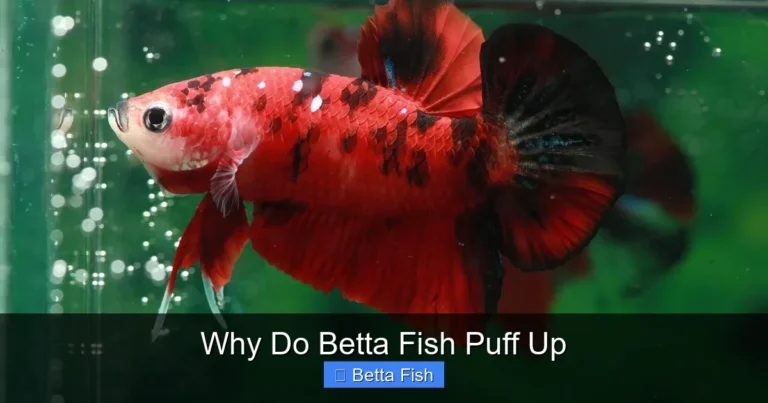
One of the easiest ways to read your betta fish mood is by watching their colors. A healthy, happy betta fish will display bright, vivid hues. Their scales might glow deep blues, rich reds, or vibrant greens depending on the variety. When a betta fish feels stressed or unwell, their colors often fade or become dull. This color shift is one of the earliest betta fish health indicators you can observe.
Pay close attention to any sudden changes. If your betta fish colors fade overnight, something in their environment might be wrong. Common causes include poor water quality, bright lights, or the presence of a mirror or reflection. Some bettas also darken their colors when they feel threatened. This is a natural defense betta fish behavior that shows their fight-or-flight response is active.
On the flip side, a betta fish that feels safe and comfortable will show bold, intense coloring. This is especially true during feeding time or when they see their owner approaching. The betta fish comfort level directly affects how vibrant they look. If you want to see your fish at their most colorful, focus on creating a calm and stable tank environment. A betta fish bubble nest is another positive sign, as it shows your fish feels secure enough to build and relax.
Fin Position and Movement Clues
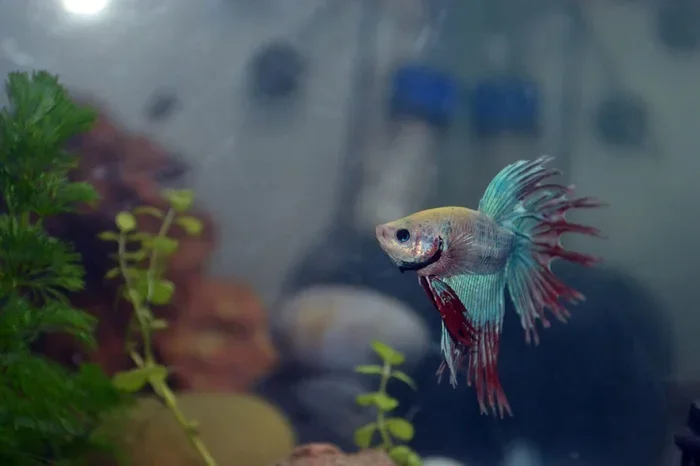
Your betta fish fins tell a story too. When a betta fish feels relaxed, their fins will flow open and move gently through the water. The betta fish fins should look full and flowing, not clamped or tucked against the body. Open fins show confidence and comfort in their surroundings.
Clamped fins are a warning sign. When a betta holds their fins close to their body, it usually means they feel scared, sick, or uncomfortable. This betta fish body language is one of the most common stress signs. Check your water parameters right away if you notice clamped fins lasting more than a few hours.
Swimming patterns also reveal mood. A content betta fish will glide smoothly through the water with slow, deliberate movements. A betta fish that is swimming erratically or rubbing against objects may be experiencing irritation or discomfort. These betta fish swimming patterns should never be ignored, as they often point to water quality issues or parasites. Healthy betta fish behavior includes smooth, graceful turns and curious exploration of their surroundings.
Common Betta Fish Mood Signals
Betta fish display a wide range of mood signals every day. Some are easy to spot, while others require careful observation. Learning to recognize these signals helps you respond quickly and keep your fish thriving. Below are the most common mood behaviors every betta owner should know.
Flaring and Aggressive Behavior
Betta fish flaring is one of the most recognizable behaviors. When a betta flares, they spread their gills and fins wide to look as large as possible. This betta fish aggression display serves multiple purposes. In the wild, it helps them defend territory from rivals. In a home tank, it can be triggered by reflections, other fish, or even their own shadow.
Occasional flaring is normal and not a cause for concern. Your betta might flare when they see their reflection in the glass or when you approach the tank. However, constant flaring is a problem. It causes stress and wears your fish out physically. If your betta fish is flaring nonstop, try reducing light reflections or moving the tank to a quieter spot.
Some owners mistake flaring for happiness. While a brief flare can show alertness, constant flaring is actually a betta fish stress sign. A truly happy betta fish will be calm and curious, not constantly on edge. Watch the frequency and duration of flaring to understand what your fish is really feeling. Occasional flaring is part of normal betta fish temperament, but chronic flaring points to an uncomfortable environment.
Lethargy and Hiding Signs
Betta fish lethargy is a serious mood indicator that should never be ignored. If your fish spends most of the day lying at the bottom of the tank or resting on the substrate, something is wrong. A healthy betta fish should be active and curious, exploring their environment throughout the day.
Hiding behavior is another clear signal. Bettas that tuck themselves behind plants, inside caves, or in corners are trying to feel safe. This betta fish hiding behavior often stems from fear or illness. Common causes include aggressive tank mates, loud noises near the tank, or sudden changes in water temperature.
Sometimes lethargy simply means the water is too cold. Bettas are tropical fish and need warm water to stay active. If you suspect temperature issues, check out how to warm a betta fish bowl to learn quick fixes. Remember that betta fish well-being depends heavily on maintaining stable, appropriate tank conditions. A betta that suddenly stops moving or becomes unresponsive needs immediate attention.
Appetite Changes as Mood Indicators
A betta fish appetite is a powerful mood indicator. Most bettas are eager eaters and will come to the surface when they see food. If your betta suddenly stops eating, this is a red flag. Loss of appetite can signal stress, illness, or poor water conditions.
On the other hand, overeating is also a concern. Some bettas will eat constantly if food is available, which can lead to bloating and digestive issues. A balanced feeding routine helps maintain a steady betta fish appetite and keeps their mood stable. Feed small amounts twice a day and remove any uneaten food after a few minutes.
Watch how your fish eats, not just whether they eat. A betta that eats but seems uninterested or spits out food may be experiencing mouth or digestive problems. These appetite changes are important betta fish behavior clues that help you understand their overall mood and health status. A sudden refusal to eat for more than two days should always be investigated further.
What Causes Mood Changes in Betta Fish
Many factors can shift your betta fish mood from positive to negative. Understanding these causes helps you prevent problems before they start. Most mood changes trace back to a few common triggers that are easy to fix once you identify them.
Water Quality and Its Impact
Water quality is the single biggest factor that affects betta fish mood. Poor water conditions cause stress, illness, and behavioral changes. Ammonia and nitrite spikes are especially dangerous and can make your fish feel constantly unsafe. Even low levels of these toxins can cause subtle mood shifts over time.
Regular water testing is essential for any betta owner. Test your water weekly for ammonia, nitrites, nitrates, and pH levels. The ideal betta fish water parameters are: ammonia at 0 ppm, nitrites at 0 ppm, nitrates below 20 ppm, and a pH between 6.5 and 7.5. Keeping these levels stable helps your fish feel secure and content.
Water changes also play a huge role. Replace about 25 percent of the tank water every week to keep conditions fresh. Use a water conditioner to remove chlorine and chloramines from tap water before adding it to the tank. For more detailed guidance on maintaining clean and safe water, learn how to take care of betta fish water and build a routine that works for you.
Tank Environment and Comfort
The tank setup directly influences your betta fish environment and mood. Bettas need warm water between 76 and 82 degrees Fahrenheit. A heater is essential for maintaining this temperature range. Cold water makes bettas sluggish and prone to illness, while water that is too warm causes oxygen levels to drop.
Decorations and plants also matter. Bettas feel more confident when they have places to explore and hide. Live or silk plants provide natural cover without damaging their delicate fins. Avoid sharp plastic decorations that can tear betta fish fins and cause injury. A well arranged tank gives your fish a sense of security that promotes positive behavior.
Tank size is another important factor. Many people keep bettas in bowls, but a larger tank gives them room to swim and explore. A minimum of 5 gallons is recommended for a single betta. The extra space allows for better water stability and gives your fish the freedom to display natural betta fish behavior patterns. A cramped or barren tank can lead to boredom and depression in your fish.
Social Factors and Stress Triggers
Betta fish are solitary by nature. Keeping two male bettas in the same tank will almost always lead to fighting and chronic stress. Even female bettas can show aggression toward each other in small spaces. If you want to keep multiple bettas, research proper stocking and tank layout carefully.
Other stress triggers include sudden loud noises, tapping on the glass, and rapid movements near the tank. Bettas have good eyesight and can become frightened by shadows or quick motions. Place the tank in a calm area of your home away from high traffic zones. This simple change can dramatically improve your betta fish comfort level and overall mood.
How to Improve Your Betta Fish Mood
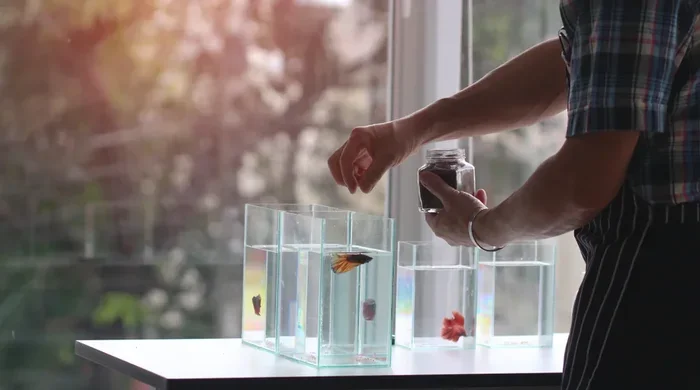
Improving your betta fish mood does not require expensive equipment or complicated routines. Small daily habits make a big difference. Start by spending a few minutes each day observing your fish. Watch how they swim, eat, and interact with their surroundings. This simple practice helps you notice changes early and build a stronger bond with your pet.
Talk to your betta gently when you approach the tank. Bettas can recognize their owners and often respond to familiar voices. Some bettas even learn to do tricks or follow your finger along the glass. This kind of interaction builds trust and contributes to a happy betta fish temperament. Consistency and patience are the keys to unlocking a more expressive and responsive fish.
Keep a consistent feeding schedule. Bettas thrive on routine and feel more secure when they know when to expect food. Feed high quality betta pellets or frozen bloodworms as a treat. A nutritious diet supports both physical health and positive mood. You can also try teaching your betta fish to do tricks as a fun bonding activity that stimulates their mind.
Creating a Happy Tank Setup
A well designed tank is the foundation of a happy betta. Start with a heater and a gentle filter that does not create strong currents. Bettas prefer slow moving water because their long fins make them weak swimmers. A sponge filter works great for betta tanks because it provides filtration without harsh flow.
Add plants and hiding spots to create a natural feel. Java moss, Amazon sword, and anubias are excellent live plant choices that thrive in betta tanks. If you prefer artificial plants, choose silk varieties that are soft and gentle on fins. The goal is to create a betta fish environment that feels safe, interesting, and stimulating. Variety in the tank layout keeps your fish engaged and curious.
Consider adding a betta fish mirror for short periods of supervised interaction. Brief mirror sessions can provide mental stimulation and exercise. However, never leave the mirror in the tank for long periods, as constant flaring causes exhaustion and stress. If you want to learn more about proper care, check out how to properly take care of betta fish for comprehensive guidance on keeping your fish thriving and happy.
Quick Tips for a Happier Betta
- Perform partial water changes every week to maintain clean conditions.
- Keep the tank lights on a consistent schedule, about 8 to 10 hours per day.
- Add floating plants to provide shade and a sense of security.
- Avoid placing the tank near speakers or vibrating appliances.
- Offer variety in diet with pellets, frozen foods, and occasional treats.
- Observe your betta daily so you notice mood changes quickly.
When to Seek Help for Your Betta Fish
Sometimes mood changes point to a deeper health problem. If your betta fish shows signs of lethargy, color loss, or appetite loss that last more than two days, it is time to investigate further. These betta fish health indicators should never be taken lightly. Early intervention can mean the difference between a quick recovery and a serious illness.
Common illnesses that affect mood include ich, fin rot, and bacterial infections. Ich appears as white spots on the body and fins. Fin rot causes the edges of the fins to look ragged or discolored. Both conditions require prompt treatment to prevent worsening. If you notice any of these symptoms, learn how to tell if my betta fish is sick for detailed guidance on identifying illness early and taking action fast.
Stress is another major factor that impacts mood. If you have recently changed tanks, added new fish, or altered the water chemistry, your betta may need time to adjust. Learn how to treat a stressed betta fish to help your pet recover quickly. Sometimes simply improving the water quality and adding gentle plants is all it takes to restore your fish’s positive mood and energy.
Remember that early action makes all the difference. The sooner you address mood changes, the better your chances of resolving the underlying issue. Trust your instincts as an owner. If something seems off, it probably is. Do not hesitate to research further or consult a fish veterinarian if needed. Your attentiveness is the best tool you have for keeping your betta healthy and happy.
Conclusion
Understanding your betta fish mood is a skill that grows with time and observation. By paying attention to color changes, fin positions, swimming patterns, and appetite, you can read your fish’s emotional state with confidence. The key is to stay consistent with water quality, tank setup, and daily care routines. A well maintained environment keeps your betta fish happy, healthy, and full of life.
Remember that every betta has their own unique personality. Some are bold and curious, while others are shy and reserved. Learning your individual fish’s patterns and preferences is the most rewarding part of betta ownership. Use the tips in this guide to build a stronger connection with your betta and give them the best life possible. Your awareness and care make all the difference in your fish’s daily happiness.
Frequently Asked Questions
How can I tell if my betta fish is happy?
A happy betta fish displays bright colors, swims smoothly, and eats eagerly. Their fins will flow open naturally, and they will explore their tank with curiosity. Building a betta fish behavior baseline helps you notice when things are going well.
Why is my betta fish hiding all the time?
Constant hiding usually signals stress, fear, or illness. Check your water parameters, temperature, and tank setup for potential issues. If the hiding persists, consider whether tank mates or loud noises might be causing anxiety.
Can water changes affect my betta fish mood?
Yes, water changes directly impact mood because bettas are sensitive to water quality. Sudden changes in parameters can cause stress, while regular partial changes keep conditions stable and promote a positive betta fish temperament.
What does it mean when a betta fish flares at me?
Flaring at you usually means your betta sees you as a potential threat or rival. It is a natural territorial response. Reduce reflections and approach the tank calmly to help your fish feel more secure.
How do I know if my betta fish is stressed?
Stress signs include faded colors, clamped fins, rapid breathing, and loss of appetite. These betta fish stress signs often appear after sudden changes in the tank environment or water chemistry.
Does tank size really affect betta fish mood?
Absolutely. A larger tank provides more swimming space and better water stability. Bettas in small bowls or cramped tanks often show lethargy and reduced activity compared to those in properly sized aquariums.