How to Rase a Baby Betta Fish
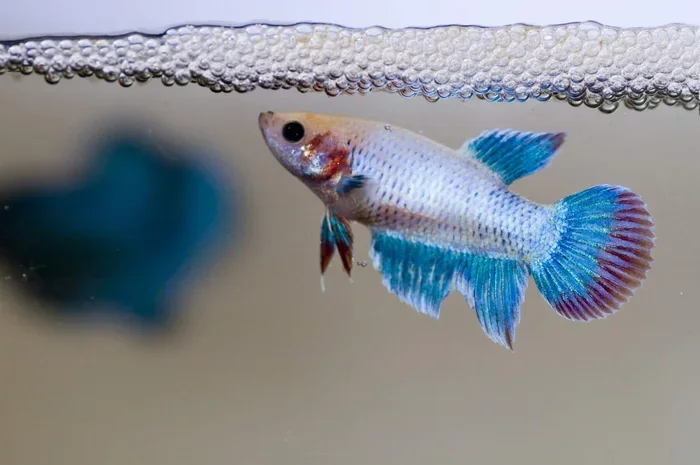
Raising a baby betta fish requires patience, the right tank setup, proper feeding, and consistent water care. Baby bettas, also known as betta fry, need warm clean water and tiny frequent meals to thrive. This guide walks you through every step from setting up the tank to watching your little fish grow into a healthy adult.
Raising a baby betta fish is one of the most rewarding experiences for any fish keeper. These tiny creatures may look delicate, but with the right care, they grow into strong and colorful adults. Whether you just brought home your first betta fry or you are planning to breed your own, this guide covers everything you need to know.
Baby bettas, also called betta fry, need special attention during their early weeks of life. Their small bodies are sensitive to water conditions, temperature changes, and food size. But do not worry. If you follow a few simple steps, you can give your baby betta the best possible start in life.
This article breaks down the entire process into easy-to-follow sections. You will learn how to set up the tank, what to feed your fry, how to keep the water clean, and how to spot common health problems. By the end, you will feel confident and ready to raise a healthy baby betta fish.
Key Takeaways
- Start with a small tank: Baby bettas need at least a 5-gallon tank with a gentle heater and sponge filter.
- Feed small and often: Baby bettas eat tiny meals 3 to 4 times a day for healthy growth.
- Keep water clean and warm: Maintain temperatures between 78 and 80 degrees Fahrenheit and perform regular water changes.
- Watch for health issues: Spot signs of stress or disease early to keep your betta fry safe.
- Avoid common mistakes: Overfeeding, using the wrong tank size, and skipping water changes are the top errors new owners make.
- Track growth milestones: Baby bettas grow fast, and knowing what to expect helps you provide better care.
📑 Table of Contents
Setting Up the Perfect Tank for Your Baby Betta Fish
The first step in raising a baby betta fish is creating a safe and comfortable home. Baby bettas need a tank that mimics their natural habitat. A well-planned setup reduces stress and helps your fry grow strong.
Before you bring your baby betta home, make sure the tank is fully set up and running. This gives the water time to stabilize. A stable environment is the foundation of good fish health.
Choosing the Right Tank Size
Many people think baby bettas need tiny containers. That is a myth. While betta fry are small, they still need room to swim and grow. A 5-gallon tank is a great starting point for a single baby betta. If you are raising multiple fry, consider a 10-gallon tank or larger.
Here are some quick tips for choosing the right tank:
- Start with at least a 5-gallon tank for one baby betta.
- Use a tank with a lid to prevent jumping.
- Choose a tank with smooth edges to avoid injury.
- Avoid tanks smaller than 3 gallons, as they are too unstable.
If you are new to fish keeping, check out our guide on how to set up a fish tank for betta fish for detailed step-by-step instructions.
Water Temperature and Conditions
Baby bettas are tropical fish. They need warm water to stay healthy and active. The ideal temperature range is between 78 and 80 degrees Fahrenheit. Use a small aquarium heater to maintain a steady temperature.
Water quality matters just as much as temperature. Baby bettas are sensitive to ammonia and nitrite. These chemicals can harm or even kill your fry. Use a gentle sponge filter to keep the water clean without creating strong currents that can exhaust tiny fish.
Here is a quick comparison of ideal water parameters for baby bettas:
- Temperature: 78 to 80 degrees Fahrenheit
- pH Level: 6.5 to 7.5
- Ammonia: 0 ppm
- Nitrite: 0 ppm
- Nitrate: Below 20 ppm
Keeping these parameters in check is essential. If you want to learn more about maintaining clean water, read our article on how to take care of betta fish water.
Feeding Your Baby Betta Fish Properly
Feeding is one of the most important parts of raising a baby betta fish. Baby bettas have tiny stomachs and need frequent, small meals. Getting the diet right in the early weeks sets the stage for healthy growth.
What to Feed Baby Bettas
Baby bettas cannot eat regular fish flakes or large pellets. Their mouths are very small, so they need food that is tiny enough to fit. Here are the best food options for betta fry:
- Baby brine shrimp: This is the gold standard for betta fry food. It is packed with protein and easy to digest.
- Microworms: These tiny worms are perfect for newborn bettas and are easy to culture at home.
- Crushed betta pellets: Grind regular betta pellets into a fine powder for older fry.
- Infusoria: These microscopic organisms are great for the very first days after hatching.
- Boiled egg yolk: A small amount of strained boiled egg yolk can work as a temporary food source.
As your baby betta grows, you can introduce slightly larger foods. For older fry, you can try feeding them a pea, but make sure to remove the shell first. Learn more about this in our guide on how to feed a pea to a betta fish.
Feeding Schedule and Portions
Baby bettas need to eat more often than adult bettas. Feed your fry 3 to 4 times a day in very small amounts. A good rule of thumb is to offer only what your baby betta can eat in two minutes.
Overfeeding is one of the biggest mistakes new betta owners make. Excess food decays quickly and pollutes the water. This can lead to dangerous ammonia spikes. Here are some feeding tips to keep in mind:
- Feed small amounts 3 to 4 times per day.
- Remove any uneaten food after 2 minutes.
- Watch your fry during feeding to make sure everyone gets food.
- Rotate food types to provide a balanced diet.
- Do not skip feedings, especially in the first few weeks.
For a deeper dive into feeding schedules, you can also check out our article on how many times a day to feed a betta fish.
Keeping Your Baby Betta Fish Healthy
Baby bettas are more vulnerable to illness than adult fish. Their immune systems are still developing, which makes them prone to disease. Keeping your tank clean and watching for warning signs are the best ways to protect your fry.
Common Health Issues in Baby Bettas
Several health problems are common in baby bettas. Knowing the signs early can save your fry’s life. Here are the most frequent issues:
- Ich (white spot disease): Small white spots appear on the body and fins. This is caused by poor water quality or temperature drops.
- Fin rot: Frayed or discolored fins signal bacterial infection. It often comes from dirty water.
- Swim bladder issues: If your baby betta floats sideways or struggles to swim, it may have a swim bladder problem. This is often linked to overfeeding.
- Stress: Lethargy, hiding, and loss of color are signs of stress. Stress weakens the immune system and makes your fry more susceptible to disease.
If you notice any of these symptoms, act quickly. Check your water parameters first. Then consider treatment options. For help with ich specifically, read our guide on how to treat ich on a betta fish. If your baby betta shows signs of stress, our article on how to treat a stressed betta fish can help you identify the cause and find a solution.
Water Maintenance Tips
Clean water is the single most important factor in keeping your baby betta healthy. Perform small water changes of about 20 to 25 percent every other day. This removes waste buildup without disturbing the beneficial bacteria in your tank.
Always use a turkey baster or small siphon to remove debris from the substrate. Be gentle around your fry, as they are very small and can be sucked up by strong equipment.
Here is a simple water maintenance routine for baby betta tanks:
- Test water parameters every 2 to 3 days.
- Perform a 20 to 25 percent water change every other day.
- Use a turkey baster to remove uneaten food and waste.
- Clean the sponge filter gently once a week.
- Always treat new water with a water conditioner before adding it to the tank.
Consistency is key. Skipping water changes, even for a few days, can cause a spike in harmful chemicals. Your baby betta will thank you for staying on top of maintenance.
Tracking Growth and Development Stages
Watching a baby betta grow is truly fascinating. Baby bettas go through several distinct stages as they develop from tiny fry into full-grown fish. Understanding these stages helps you provide the right care at each phase.
First Few Weeks
In the first two weeks of life, baby bettas are extremely small, often no bigger than a pinhead. They are almost transparent and will stay hidden among plants or decorations. During this time, they rely on their yolk sac for nutrition.
After the yolk sac is absorbed, your fry will need external food. Start with infusoria or baby brine shrimp nauplii. Feed them very small amounts several times a day.
Monthly Milestones
By the end of the first month, your baby betta will start to develop color and its fins will begin to grow. Here is what you can expect during the first few months:
- Week 1 to 2: Fry are tiny and translucent. They hide frequently and eat microscopic food.
- Week 3 to 4: Color starts to appear. Fins begin to form. Fry become more active and start swimming openly.
- Month 2: Your betta looks more like a small adult. Fin rays are visible, and the body shape is more defined.
- Month 3 to 4: Your betta is now considered a juvenile. It can eat slightly larger food and is less vulnerable to disease.
- Month 5 and beyond: Your betta reaches near-adult size. Males will start developing long fins and vibrant colors.
Every betta grows at its own pace. Some may develop faster than others. Provide good nutrition and clean water, and your fry will thrive.
Common Mistakes to Avoid When Raising Baby Betta Fish
Even experienced fish keepers make mistakes when raising baby bettas. Learning from common errors can save you time, money, and most importantly, your fry’s life.
Overfeeding
This is the number one mistake. Baby bettas have tiny stomachs, and too much food leads to constipation, swim bladder issues, and dirty water. Feed small amounts and remove leftovers promptly.
Using the Wrong Tank Size
Some people keep baby bettas in cups or tiny bowls. While they may survive for a short time, they will not thrive. A proper tank with stable water conditions gives your fry the best chance of growing into healthy adults.
Skipping Water Changes
Baby bettas produce more waste relative to their body size. Without frequent water changes, ammonia levels can rise quickly and become lethal. Stick to your maintenance schedule no matter how busy you are.
Ignoring Water Temperature
Cold water slows down a baby betta’s metabolism and weakens its immune system. Always use a heater to keep the temperature steady. Fluctuations in temperature cause stress and can trigger illness.
If you are worried about keeping your baby betta warm without a heater, we have a helpful guide on how to keep my betta fish warm without a heater.
When to Separate Your Baby Betta Fish
As your baby betta grows, you will need to think about whether to keep it with other fish or house it alone. Male bettas are known for being aggressive and should never be kept together. Even female bettas can sometimes fight.
For baby bettas, the best approach is to keep them in their own tank until they are fully grown. This protects them from bullying and reduces the risk of disease transmission. Once your betta is about 3 to 4 months old, you can carefully consider adding tank mates if the tank is large enough.
If you ever need to move your betta to a different container, make sure to do it safely. Our guide on how to transfer a betta fish to a bowl provides step-by-step instructions for safe transitions.
Conclusion
Raising a baby betta fish is a journey that requires patience, consistency, and a little love. From setting up the perfect tank to feeding your fry the right diet, every step matters. Clean water, warm temperatures, and small frequent meals are the building blocks of healthy growth.
Avoid the common mistakes that trip up new betta owners. Do not overfeed, skip water changes, or use a tank that is too small. Watch your baby betta closely for signs of illness and act fast if anything seems off.
With the knowledge you have gained from this guide, you are well-equipped to raise a happy and healthy baby betta fish. Enjoy every stage of growth, and remember that your care makes all the difference in your little fish’s life.
For more tips on general betta care, visit our how to care for a betta fish 101 guide. It covers everything from tank setup to daily routines that keep your betta thriving.
Frequently Asked Questions
How often should I feed a baby betta fish?
Feed your baby betta 3 to 4 times a day in very small amounts. Each feeding should be something your fry can finish in about two minutes. Frequent small meals support steady growth and prevent water pollution from uneaten food.
What is the best food for baby betta fish?
Baby brine shrimp and microworms are the best foods for betta fry. They are tiny, nutritious, and easy to digest. As your fry grows, you can slowly introduce crushed pellets and other small foods.
How big should a tank be for a baby betta fish?
A 5-gallon tank is ideal for a single baby betta. It provides enough space for swimming and allows you to maintain stable water conditions. Avoid tanks smaller than 3 gallons, as they are difficult to keep clean.
When do baby betta fish start to show color?
Baby bettas usually start developing color between 3 and 4 weeks of age. Full color and fin development become more visible by 2 to 3 months. Each fish is different, so some may take a little longer.
Can baby betta fish live with other fish?
It is best to keep baby bettas in their own tank until they are fully grown. Male bettas are especially aggressive and should never be housed together. A separate tank protects your fry from stress and injury.
How do I know if my baby betta fish is healthy?
A healthy baby betta is active, eats well, and has bright color. It swims steadily without floating or sinking abnormally. If you notice lethargy, loss of appetite, or white spots, check your water parameters and treat the issue right away.
=== INTERNAL LINKS ===
Further Reading: