How to Put a Betta Fish into a Tank
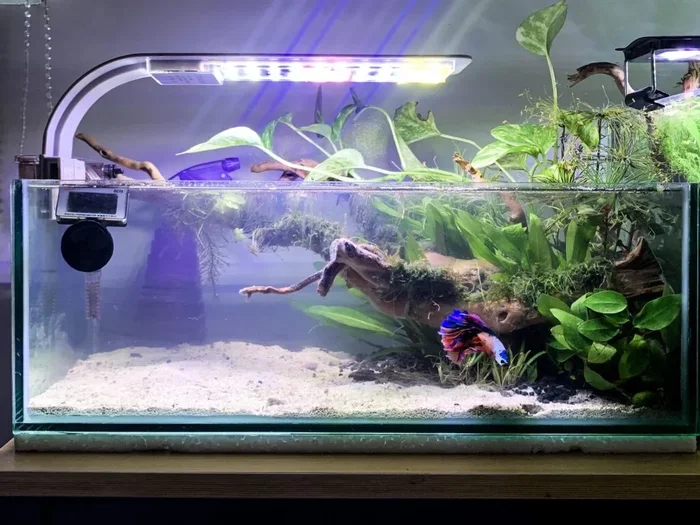
Putting a betta fish into a new tank the right way is the single most important step in ensuring a long, healthy life for your fish. This guide walks you through every stage, from preparing the tank and matching water parameters to the actual introduction process. You will learn proven acclimation methods, common mistakes to avoid, and expert tips that make the transition smooth and safe.
So you just got a betta fish, or you are moving your existing betta into a new tank. Either way, the moment you place your fish into its new home is a big deal. How you handle that transition sets the tone for your betta’s entire experience in the tank. A smooth introduction means a happy, healthy fish. A rushed or careless one can lead to stress, illness, or worse.
How to put a betta fish into a tank is a question every betta owner should understand deeply. It is not just about pouring water and fish together. There is a process, and following it correctly makes all the difference. In this guide, we break down every single step in plain, easy-to-follow language. You will walk away knowing exactly what to do, why it matters, and how to avoid the mistakes that trip up so many fish keepers.
Whether you are setting up a brand new tank or transferring your betta to an upgraded home, this article has you covered. We will go through tank preparation, water matching, the acclimation process, the actual introduction, and post-introduction care. Let us get started.
Key Takeaways
- Proper tank preparation is essential: A cycled tank with stable water parameters prevents stress and disease.
- Acclimation is the most critical step: Gradually adjusting your betta to new water conditions dramatically reduces shock.
- Tank size and setup matter: A minimum 5-gallon tank with appropriate heating and filtration creates the best environment.
- Watch for stress signals: Knowing what to look for after introduction helps you respond quickly to problems.
- Patience pays off: Rushing the process is the number one cause of betta fish health issues after a tank move.
- Water quality is ongoing: Regular water changes and testing keep your betta thriving long after the initial setup.
📑 Table of Contents
- Why Proper Introduction Matters for Your Betta Fish
- Step 1: Prepare the Tank Before Your Betta Arrives
- Step 2: Match Water Parameters Before Introduction
- Step 3: The Acclimation Process
- Step 4: Releasing Your Betta into the Tank
- Step 5: Monitor Your Betta After Introduction
- Common Mistakes to Avoid When Introducing a Betta to a New Tank
- Expert Tips for a Stress-Free Betta Introduction
- When to Seek Help After Introduction
- Conclusion
Why Proper Introduction Matters for Your Betta Fish
Betta fish are more sensitive than many people realize. They are tropical fish that need stable, warm water. They also respond strongly to sudden changes in their environment. When you introduce a betta fish to a new tank incorrectly, the stress can weaken their immune system within hours.
Stress is the root cause of many common betta health problems. Fin rot, ich, and lethargy often trace back to a poor transition. By taking the time to do things right, you protect your fish from unnecessary suffering. A calm, methodical approach also makes the whole experience less scary for you and your pet.
Think of it this way. Imagine being dropped into a completely different country with no warning. That is what a sudden tank change feels like to a betta. Your job is to make the transition as gentle as possible. Every step you take in preparation directly impacts how well your fish adapts.
Step 1: Prepare the Tank Before Your Betta Arrives
The worst thing you can do is bring your betta home to an unprepared tank. Your fish needs a safe, stable environment already running before you even think about adding them. This means setting up the tank, cycling it, and confirming that water parameters are in the safe range.
Choose the Right Tank Size
Many people keep bettas in tiny bowls, but this is not ideal. A minimum 5-gallon tank gives your betta enough room to swim and explore. Larger tanks, like 10 gallons, are even better because they provide more stable water conditions. A bigger volume of water dilutes toxins more effectively, which means fewer water changes and less stress for your fish.
Install Heating and Filtration
Betta fish need warm water, ideally between 76 and 82 degrees Fahrenheit. A small aquarium heater with a thermostat is essential. Do not skip this step. Cold water slows down a betta’s metabolism and makes them vulnerable to disease.
For filtration, choose a gentle filter. Bettas are weak swimmers and do not like strong currents. A sponge filter or a filter with a baffle works great. The filter should create a soft flow that keeps the water clean without exhausting your fish.
Cycle the Tank First
Cycling your tank is the process of building beneficial bacteria that break down harmful ammonia and nitrite. This is absolutely critical. Adding a betta to an uncycled tank exposes them to toxic ammonia, which can be fatal. Learn how to cycle a fish tank for betta before you introduce your fish. The cycling process usually takes 4 to 6 weeks, but it is worth every day of patience.
During cycling, test your water regularly with a liquid test kit. You want to see ammonia and nitrite at zero, with nitrates below 20 ppm. Once those numbers are stable, your tank is ready.
Step 2: Match Water Parameters Before Introduction
One of the most overlooked steps in the introduction process is matching water parameters. Your betta came from a specific water environment, and sudden changes in temperature, pH, or hardness can cause shock.
Here are the key parameters to check and match:
- Temperature: Aim for 78 to 80 degrees Fahrenheit in both the source and destination tanks.
- pH: Bettas do best in slightly acidic to neutral water, around 6.5 to 7.5.
- Hardness: Moderate hardness (dGH 5 to 20) is ideal for most bettas.
- Ammonia and Nitrite: Both should be at zero in the new tank.
- Nitrates: Keep below 20 ppm for the healthiest environment.
If you are bringing your betta home from a pet store, ask what conditions the fish was kept in. This gives you a baseline to match. Use aquarium conditioner to neutralize chlorine and chloramine in tap water before filling the tank. This simple step removes harmful chemicals that can damage your fish’s gills and stress them out.
Step 3: The Acclimation Process
Acclimation is the process of gradually adjusting your betta to the new tank’s water conditions. This is the most important part of the entire introduction. There are two main methods: the drip method and the floating bag method. Both work, but the drip method is generally considered more effective.
The Drip Acclimation Method
The drip method gives you the most control over the transition. Here is how to do it:
- Place your betta and its original water in a clean container or bucket.
- Set up a siphon or airline tube that drips water from the new tank into the container.
- Start the drip at a slow rate, about 2 to 4 drops per second.
- Double the volume of water in the container over 30 to 45 minutes.
- During this time, periodically remove some of the original water to prevent overflow.
- After 30 to 45 minutes, gently net your betta and release it into the new tank.
- Discard the original water from the container. Do not pour it into your tank.
This gradual process allows your betta to adjust to the new water chemistry without shock. The slow drip ensures that changes happen incrementally, which is much safer than a sudden swap.
The Floating Bag Method
If you do not have airline tubing, the floating bag method works as a simpler alternative:
- Keep the sealed bag with your betta floating on the tank surface for 15 to 20 minutes. This equalizes the temperature.
- Open the bag and add small amounts of tank water every 5 minutes for another 15 to 20 minutes.
- After about 30 to 40 minutes total, gently net the betta into the tank.
- Dispose of the bag water. Never release bag water into your tank.
The floating bag method is faster but less precise than the drip method. It works well in a pinch but is not ideal for sensitive fish or tanks with very different water parameters.
Quick Tips for Acclimation
- Always dim the lights in the tank during acclimation. Bright lights stress bettas that are already in an unfamiliar container.
- Do not rush the process. Even if you are eager, patience is your best friend here.
- Keep the container in a quiet, stable spot away from direct sunlight or drafts.
- Watch your betta closely during acclimation. If it shows signs of distress, slow down the drip rate.
Step 4: Releasing Your Betta into the Tank
Once acclimation is complete, it is time to release your betta. This moment matters more than people think. How you introduce your fish sets the tone for how quickly it settles in.
Use a soft net to gently transfer your betta into the tank. Avoid pouring the water from the container into the tank, as this can introduce contaminants or disrupt the tank’s water chemistry. Aim the net toward a calm area of the tank, away from the filter output or heater.
After release, turn off the tank lights or keep them very dim. Bettas need time to explore their new surroundings without the added stress of bright lighting. Give your fish at least 2 to 3 hours of low light before gradually returning to normal lighting.
Do not feed your betta for the first 2 to 4 hours after introduction. A stressed fish may not eat, and uneaten food can foul the water. Wait until your betta is swimming normally and showing interest in food before offering a small meal.
Step 5: Monitor Your Betta After Introduction
The introduction does not end the moment your betta enters the tank. The first 24 to 48 hours are critical. During this period, you should watch for signs of stress or illness and maintain optimal water conditions.
What to Watch For
Here are common stress signals to look out for:
- Clamped fins: Fins held close to the body indicate stress or discomfort.
- Lethargy: Hovering at the bottom or not moving much can signal shock.
- Loss of color: A dull or faded appearance often means your betta is struggling.
- Rapid breathing: Gasping at the surface may indicate poor water quality or temperature issues.
- Hiding or refusing food: Some hiding is normal, but prolonged refusal to eat is a concern.
If you notice any of these signs, test your water parameters immediately. More often than not, the issue is ammonia or nitrite spikes in a new tank. A partial water change of 20 to 30 percent can help stabilize conditions quickly.
First Week Care Routine
During the first week, keep a close eye on your betta. Feed small amounts once or twice a day. Perform a 20 percent water change every other day to keep ammonia levels in check. Test the water daily if possible. This extra attention during the first week pays off with a healthier, more confident fish in the long run.
Also, avoid making any major changes to the tank during this period. Do not rearrange the decor or add new tank mates right away. Give your betta time to claim a territory and feel secure in its new environment.
Common Mistakes to Avoid When Introducing a Betta to a New Tank
Even well-meaning fish keepers make mistakes during the introduction process. Here are the most common ones and how to avoid them:
- Skipping acclimation entirely: Some people dump their betta straight into the new tank. This is the fastest way to cause stress and potential illness. Always acclimate gradually.
- Introducing a betta to an uncycled tank: This is dangerous and often fatal. Always cycle the tank first and confirm safe water parameters.
- Using water from the store bag: Bag water can contain bacteria or parasites that harm your tank. Always discard it.
- Overfeeding after introduction: A stressed fish has a reduced appetite. Feeding too much leads to uneaten food and ammonia spikes.
- Changing too much water at once: Large water changes during the first week can destabilize parameters and shock your betta.
- Adding the betta during lights-out hours: Bettas need to see their surroundings when introduced. Complete darkness adds unnecessary stress.
Avoiding these mistakes alone will put you ahead of most beginner fish keepers. Each one of these errors is preventable with a little knowledge and patience.
Expert Tips for a Stress-Free Betta Introduction
Experienced betta keepers have learned a few tricks over the years that make the process smoother. Here are some pro tips that you will not always find in basic guides:
- Pre-settle your tank: Run the new tank for at least 48 hours before introducing your betta. This allows temperature and parameters to stabilize fully.
- Add live plants early: Plants help absorb ammonia and provide hiding spots. A well-planted tank helps your betta feel safe faster. Learn how to decorate a betta fish tank with live plants for the best results.
- Use a quarantine container first: If you have a small hospital or quarantine tank, consider keeping your betta there for a day or two before moving it to the main display tank. This gives you time to observe for any signs of illness.
- Match the water source: If possible, use the same water source (same tap, same conditioner) in both tanks. This reduces the number of variables your betta must adjust to.
- Stay calm and move slowly: Bettas can sense vibrations and sudden movements. Working calmly around the tank helps keep your fish relaxed throughout the process.
These tips might seem like small details, but they add up to make a big difference in how quickly and smoothly your betta settles in. The goal is to make the new tank feel like home as quickly and safely as possible.
When to Seek Help After Introduction
Most bettas adjust well within the first day or two. However, some fish need extra attention. If your betta shows persistent signs of stress beyond 48 hours, or if you notice white spots, torn fins, or unusual behavior, it is time to take action.
First, test your water parameters thoroughly. Ammonia and nitrite should be at zero. If either is elevated, perform a water change immediately. If water parameters look good but your fish is still unwell, consider a broad-spectrum fish health treatment. Sometimes the stress of transport and transition makes a fish vulnerable to latent diseases that were not visible before.
Do not panic. Most introduction-related issues are manageable if you catch them early. The key is to stay observant and respond quickly to any warning signs.
Conclusion
Learning how to put a betta fish into a tank properly is one of the most valuable skills you can develop as a fish keeper. It protects your fish from unnecessary stress, reduces the risk of disease, and sets the foundation for a thriving aquarium. Every step we covered, from tank preparation to post-introduction monitoring, plays a role in giving your betta the best possible start in its new home.
The process does not have to be complicated. With a cycled tank, matched water parameters, proper acclimation, and a little patience, you can introduce your betta confidently and safely. Remember that every betta is different, and some may take longer to settle in than others. That is completely normal.
Take your time, enjoy the process, and celebrate the moment your betta starts swimming happily in its new tank. That is the reward for doing things right. Your fish will thank you with vibrant colors, active behavior, and years of companionship.
Frequently Asked Questions
How long does it take for a betta fish to adjust to a new tank?
Most bettas show signs of adjustment within 24 to 48 hours, but full acclimation can take up to a week. During this time, keep the tank quiet and the lights dim. Avoid handling the fish or making sudden changes to the environment.
Can I put my betta fish directly into a new tank without acclimation?
You can, but you should not. Skipping acclimation exposes your betta to sudden changes in temperature, pH, and water chemistry. This shock can cause stress, illness, or even death. Always take the time to acclimate your fish gradually for the best results.
Do I need to turn off the filter when introducing a betta?
You do not need to turn off the filter entirely, but reducing the flow temporarily can help. Strong currents stress bettas during introduction. If your filter is too strong, baffle it or point the output away from where you release the fish.
How do I know if my betta is stressed after being placed in a new tank?
Common stress signs include clamped fins, lethargy, loss of color, rapid breathing, and hiding constantly. If you notice these behaviors, test your water parameters first, as poor water quality is the most common cause of post-introduction stress.
Should I feed my betta immediately after putting it in a new tank?
No, wait at least 2 to 4 hours after introduction before offering food. A stressed fish may not eat right away, and uneaten food can pollute the water. Start with a small amount of food and see how your betta responds before feeding normally again.
Can I add a betta to a tank with other fish right away?
It is best to give your betta time to settle in before introducing tank mates. Wait at least one to two weeks after the initial introduction. This gives your betta time to establish territory and reduces the risk of aggression or stress from additional tank changes.