How to Oxygenate Water for Betta Fish
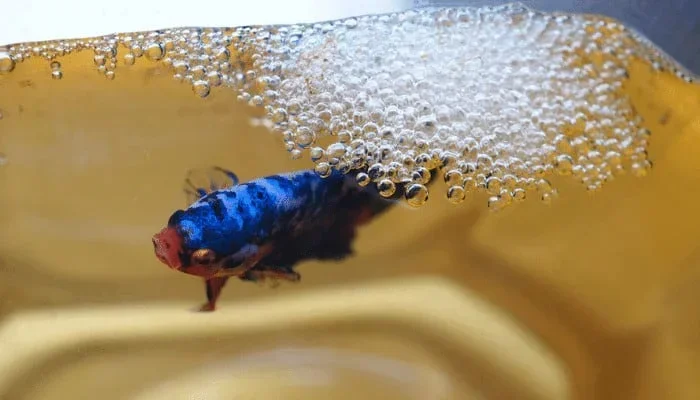
Oxygenating your betta fish tank is one of the simplest yet most important things you can do for your fish’s health. Proper oxygen levels in water help bettas breathe, stay active, and fight off illness. This guide covers the best ways to boost oxygen, signs of low oxygen, and easy maintenance tips every betta owner should know.
Keeping your betta fish healthy starts with something simple: oxygen-rich water. Many new fish owners overlook this, but oxygen levels in water directly affect how your betta feels, moves, and lives. Without enough oxygen, your beautiful fish can become sluggish, sick, or worse.
Whether you just brought home a new betta or you have had one for years, understanding how to oxygenate water for betta fish is essential. The good news is that it does not need to be complicated or expensive. In this guide, you will learn exactly why oxygen matters, how to spot problems early, and the best methods to keep your betta’s water fresh and lively.
How to oxygenate water for betta fish comes down to a few core ideas: increasing surface movement, using gentle equipment, and staying consistent with tank care. We will walk through each method step by step so you feel confident making changes to your setup.
Key Takeaways
- Betta fish need oxygen-rich water to stay healthy, active, and disease-free.
- Surface agitation and water movement are the easiest ways to increase dissolved oxygen in a tank.
- Air stones and sponge filters are safe, gentle options that work well for betta habitats.
- Signs of low oxygen include gasping at the surface, lethargy, and loss of appetite.
- Regular water changes and proper tank maintenance help sustain healthy oxygen levels over time.
- Avoid strong filters and sudden changes that stress betta fish or disrupt the water balance.
📑 Table of Contents
- Why Oxygen Is Essential for Betta Fish
- Signs Your Betta Fish Needs More Oxygen
- Best Ways to Oxygenate Water for Betta Fish
- How to Set Up an Air Stone and Sponge Filter for Your Betta Tank
- Common Mistakes to Avoid When Oxygenating Betta Water
- Maintaining Healthy Oxygen Levels Long-Term
- Quick Tips for Better Oxygenation
Why Oxygen Is Essential for Betta Fish
Betta fish might be known for surviving in small spaces, but that does not mean they do not need oxygen. Like all fish, bettas absorb oxygen through their gills from the water around them. If the dissolved oxygen in the tank drops too low, your fish will struggle to breathe.
In the wild, bettas live in warm, slow-moving waters in Southeast Asia. These environments still have enough oxygen at the surface to support them. When you keep a betta in a tank, you are responsible for recreating those conditions as closely as possible.
Here is why oxygen matters so much for betta health:
- Breathing support: Betta fish extract oxygen directly from water through their gills. Low oxygen means labored breathing.
- Energy and activity: A well-oxygenated tank keeps your betta swimming, exploring, and showing off its vibrant colors.
- Disease prevention: Stressed fish with low oxygen are more vulnerable to infections and parasites.
- Digestion and growth: Proper oxygen levels support healthy metabolism and steady growth in bettas.
When you focus on oxygenating betta fish water, you are building a foundation for a happy, long-lived pet. Even small adjustments can make a big difference.
Signs Your Betta Fish Needs More Oxygen
Catching low oxygen early can save your betta’s life. Fish cannot tell you when something is wrong, so you need to watch for clear signals. Here are the most common signs that your betta’s water needs more oxygen.
Gasping at the Surface
This is the number one warning sign. If your betta is hanging near the top of the tank and repeatedly dipping its mouth to the surface, it is trying to grab oxygen from the air. While bettas have a special organ called the labyrinth that lets them breathe atmospheric air, they still need well-oxygenated water for daily health.
Lethargy and Low Energy
A healthy betta is curious and active. If your fish spends most of the day resting at the bottom or floating motionless, low oxygen could be the cause. Compare this behavior to how your betta acts during water changes or after tank maintenance.
Loss of Appetite
Bettas are enthusiastic eaters. If your fish refuses food or eats very slowly, check the oxygen levels first. Poor oxygen can suppress appetite and lead to weight loss over time.
Rapid Gill Movement
Watch your betta’s gills closely. If they are opening and closing rapidly, your fish is working harder to pull oxygen from the water. This is a clear stress response that should not be ignored.
If you notice any of these signs, take action right away. Learning how to oxygenate water for betta fish can often resolve these issues quickly and naturally.
Best Ways to Oxygenate Water for Betta Fish
There are several effective methods to boost oxygen in a betta tank. Each approach works differently, and some suit certain setups better than others. Let us explore the most popular and reliable options.
Increase Surface Agitation
The simplest and most natural way to add oxygen to a tank is by increasing the water surface area and movement. Oxygen enters the water at the surface through a process called gas exchange. When the surface is still, oxygen transfer is slow. When it is rippling and moving, oxygen flows in much faster.
You can increase surface agitation by:
- Positioning your filter outlet so it points toward the water surface.
- Using a hang-on-back filter with adjustable flow.
- Gently swirling the water with your hand during routine tank maintenance.
- Raising the water level slightly so more surface is exposed to air.
This method is completely passive and costs nothing extra. It works especially well for small betta bowls and tanks.
Use a Sponge Filter
A sponge filter is one of the safest and most effective tools for oxygenating a betta tank. It provides gentle water flow and biological filtration without creating strong currents that stress bettas. The sponge draws water through its pores, which increases oxygen contact and removes waste.
Sponge filters are quiet, affordable, and easy to clean. They are a favorite choice among betta keepers who want a low-stress environment. For more guidance on setting up your betta tank properly, check out our article on how to set up a fish tank for betta fish.
Add an Air Stone
An air stone is a small, porous device that releases tiny bubbles into the water. These bubbles increase surface agitation and boost oxygen exchange. Air stones come in different sizes and shapes, making them easy to fit into almost any tank setup.
For betta tanks, use a small air stone with a gentle air pump. You can hide the stone behind plants or decorations to keep the look natural. The soft bubbling creates a calming effect while improving water quality.
Perform Regular Water Changes
Fresh water naturally holds more oxygen than old, stagnant water. One of the easiest habits you can build is performing regular water changes for your betta tank. This not only refreshes oxygen levels but also removes harmful chemicals and waste buildup.
For step-by-step instructions on doing this safely, read our guide on how to do a water change for betta fish. A 25 to 30 percent water change every week is a great starting point for most betta setups.
Keep the Water at the Right Temperature
Water temperature affects how much oxygen it can hold. Cooler water holds more dissolved oxygen than warm water. Betta fish thrive in water between 76 and 82 degrees Fahrenheit. If your tank gets too warm, oxygen levels can drop even if you are doing everything else right.
Use a reliable aquarium thermometer and adjust your heater as needed. For tips on maintaining the right warmth, see our article on how to keep water warm for betta fish.
Add Live Plants
Live plants do more than make a tank look beautiful. During daylight hours, plants absorb carbon dioxide and release oxygen through photosynthesis. This natural process helps maintain healthy oxygen levels in your betta’s environment.
Good plant choices for betta tanks include java fern, anubias, and live moss. These plants grow slowly, require minimal care, and provide gentle cover that bettas love.
How to Set Up an Air Stone and Sponge Filter for Your Betta Tank
Setting up equipment to oxygenate your betta tank does not need to be difficult. Follow these simple steps to get started.
Step 1: Choose the Right Equipment
Pick a small sponge filter rated for tanks between 5 and 10 gallons. For air stones, choose one that fits comfortably inside your tank without taking up too much space. A basic air pump with adjustable settings works perfectly for betta setups.
Step 2: Place the Sponge Filter
Position the sponge filter near the back or side of the tank. Connect it to the air pump using the provided tubing. The filter should create a gentle current, not a strong flow that pushes your betta around.
Step 3: Add the Air Stone
Place the air stone at the bottom of the tank, ideally behind a plant or decoration. Connect it to a separate air pump or use the same pump with a T-splitter. Adjust the air flow to produce small, steady bubbles.
Step 4: Turn Everything On and Observe
After setup, watch your betta for a few hours. Most bettas adjust quickly to gentle bubbling and water movement. If your fish seems stressed, reduce the flow or reposition the equipment.
For more tips on preparing clean, safe water for your setup, visit our page on how to prepare water for betta fish.
Common Mistakes to Avoid When Oxygenating Betta Water
Even with the best intentions, many betta owners make mistakes that hurt oxygen levels or stress their fish. Here are the most common pitfalls and how to avoid them.
Using a Filter That Is Too Strong
Betta fish are not strong swimmers. A powerful filter creates currents that can exhaust them and make it hard to reach the surface for air. Always choose a filter with adjustable flow or use a sponge filter for gentle circulation.
Overlooking Surface Film
Over time, a thin film can build up on the water surface. This film blocks oxygen exchange between the air and the water. Break the film gently with a paper towel or by adjusting your filter outlet during routine maintenance.
Neglecting Regular Maintenance
Oxygenation is not a one-time fix. Without regular water changes, filter cleaning, and equipment checks, oxygen levels will gradually decline. Build a simple weekly routine and stick to it.
Adding Too Many Air Stones
More bubbles do not always mean better oxygenation. Too many air stones can create excessive surface disturbance and stress your betta. One small air stone is usually enough for a standard betta tank.
Maintaining Healthy Oxygen Levels Long-Term
Once your tank is properly oxygenated, the next step is keeping it that way. Long-term maintenance is easier than you think when you build a few simple habits into your routine.
Start by testing your water regularly. Liquid test kits are affordable and give you accurate readings of ammonia, nitrite, nitrate, and pH. While these tests do not measure oxygen directly, they help you spot problems that can lower oxygen levels, such as high ammonia or organic waste buildup.
Next, clean your filter and sponge media regularly. Clogged filter media reduces water flow and limits oxygen exchange. Rinse sponge filters in old tank water (never tap water) to preserve beneficial bacteria.
Finally, keep your tank at the right temperature and avoid overfeeding. Uneaten food decays and consumes oxygen, creating a cycle that can quickly lower water quality. Feed your betta small amounts once or twice a day and remove any leftovers within a few minutes.
For ongoing betta care advice, check out our article on how to take care of betta fish water. Consistent, small efforts add up to a thriving environment for your fish.
Quick Tips for Better Oxygenation
Here are some fast, easy tips you can apply today:
- Point your filter output toward the surface to maximize water movement.
- Do a 25 percent water change weekly to refresh dissolved oxygen.
- Keep your tank covered but not sealed to allow gas exchange at the surface.
- Use a thermometer to maintain 76 to 82 degrees Fahrenheit.
- Add live plants for natural oxygen production during the day.
- Avoid overcrowding the tank with too many decorations or fish.
How to oxygenate water for betta fish does not require expensive equipment or advanced skills. With the right approach and a little consistency, you can create a safe, oxygen-rich home that lets your betta thrive.
Remember that every tank is different. What works best for one betta setup may need slight adjustments for another. Pay attention to your fish’s behavior, test your water regularly, and make changes gradually. Your betta will reward you with vibrant colors, energetic swimming, and a long, healthy life.
The most important takeaway is this: oxygen is not optional for betta fish. It is a basic, essential need. By taking a few simple steps to improve water movement and freshness, you are giving your betta the best possible care. Start with one method today, build from there, and enjoy watching your fish flourish in a clean, well-oxygenated environment.
Frequently Asked Questions
How do I know if my betta fish tank has enough oxygen?
Watch your betta’s behavior. A healthy betta swims actively and breathes steadily. If your fish is gasping at the surface, staying at the bottom, or showing rapid gill movement, the oxygen level may be too low. You can also observe surface movement, which should have gentle ripples for proper gas exchange.
Can I use a regular air pump for my betta tank?
Yes, but choose a small, adjustable air pump. Betta fish prefer gentle water movement, so set the air pump to a low or medium level. A small air stone connected to the pump creates soft bubbles that increase oxygen without stressing your fish.
Do betta fish need a bubbler or air stone?
Betta fish do not strictly need a bubbler, but one can greatly improve water oxygenation. Many bettas do well without extra aeration if the filter provides good surface agitation. An air stone is a helpful addition, especially in warmer tanks where oxygen levels drop faster.
Does water temperature affect oxygen levels in a betta tank?
Yes, it does. Warmer water holds less dissolved oxygen than cooler water. Since bettas prefer temperatures between 76 and 82 degrees Fahrenheit, keeping the tank within this range helps maintain a healthy balance of warmth and oxygen.
How often should I do a water change to keep oxygen levels high?
A 25 to 30 percent water change every week is ideal for most betta tanks. Fresh water contains more dissolved oxygen than old water, and regular changes also remove waste and chemicals that can lower oxygen levels over time.
Are live plants a good way to oxygenate a betta tank?
Yes, live plants release oxygen during photosynthesis, which helps maintain healthy oxygen levels in the water. Plants like java fern, anubias, and moss are great choices for betta tanks because they are low-maintenance and provide natural cover that bettas enjoy.