Where Can You Catch Betta Fish
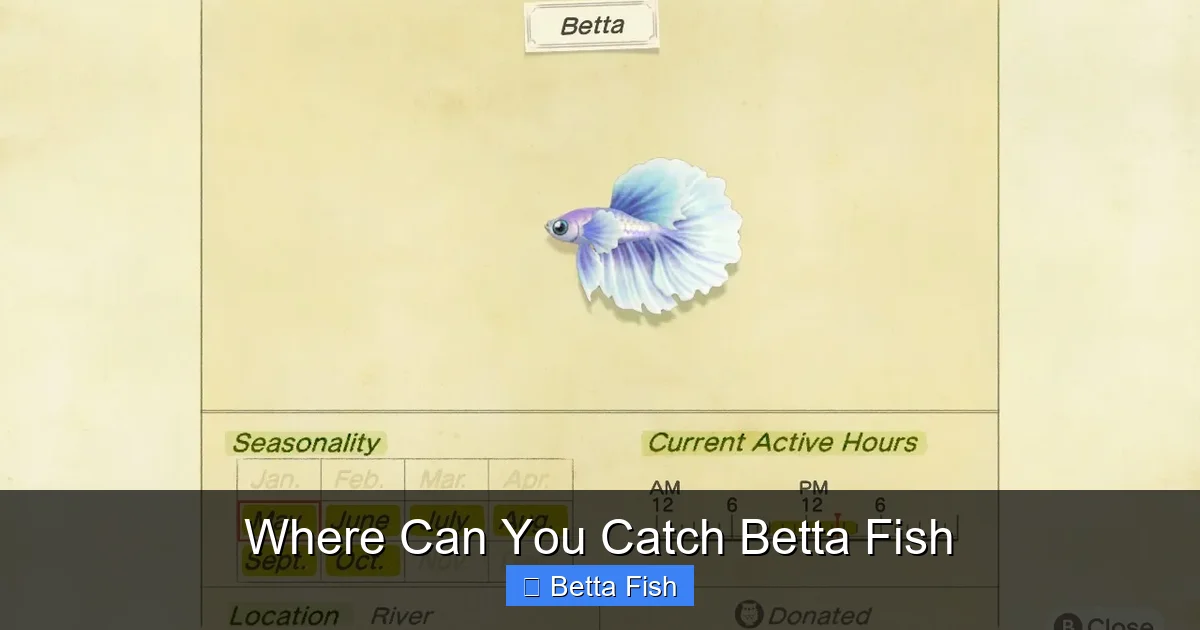
Betta fish, or Siamese fighting fish, are native to the shallow, warm waters of Southeast Asia. You can theoretically find them in the wild across Thailand, Cambodia, Vietnam, and parts of Malaysia and Indonesia, typically in rice paddies, slow-moving streams, and stagnant ponds. However, wild populations are threatened, and catching them is often illegal and unethical. The responsible approach is to appreciate them in their habitat or acquire captive-bred specimens from reputable sources to protect these stunning fish.
Key Takeaways
- Wild bettas are native to Southeast Asia: Their core natural range includes Thailand, Cambodia, southern Vietnam, and parts of Malaysia and Indonesia.
- Specific habitats are key: Look for them in shallow, warm, vegetated, and often stagnant or slow-moving bodies of water like rice paddies, drainage ditches, and forest pools.
- Catching wild bettas is usually illegal: Most countries in their native range have protections in place due to habitat loss and overcollection for the pet trade.
- Wild-caught bettas are ethically problematic: Removing them harms fragile local ecosystems and supports a trade that threatens their survival.
- Captive-bred bettas are the ethical choice: Nearly all bettas in the pet trade are farmed, and buying from a responsible breeder or store supports conservation.
- Observing is better than collecting: The best way to “catch” a betta is with your eyes—through responsible wildlife watching or visiting a quality aquarium.
- Conservation matters: Supporting habitat preservation efforts in Southeast Asia is the most effective way to ensure wild betta populations thrive.
📑 Table of Contents
- The Allure and Reality of the Wild Betta
- The Native Kingdoms: Mapping the Betta’s Home Range
- Decoding the Habitat: What a Betta’s Home Really Looks Like
- The Unspoken Rules: Legality and Ethics of the Catch
- The Responsible Explorer: How to “Catch” a Betta the Right Way
- The Path Forward: Choosing an Ethical Betta
- Conclusion: The Ultimate Catch is Understanding
The Allure and Reality of the Wild Betta
There’s something magical about the idea of finding a Betta splendens in its natural home. That vibrant, flowing finned creature, with its warrior’s spirit and painter’s palette, seems like a jewel hidden in the landscape. For many aquarists, the question where can you catch betta fish sparks a sense of adventure. It connects the serene fish gliding in your tank to the muddy, vibrant, and complex ecosystems of Southeast Asia. But before you pack your net and bucket, it’s crucial to separate romantic myth from ecological reality. This journey isn’t about a treasure hunt; it’s about understanding a species in crisis and making choices that help, not harm.
The betta you know—the domesticated, flamboyant fighter—is a product of centuries of selective breeding. Its wild ancestor is a more subdued, yet still stunning, greenish-brown fish with short fins, built for survival in challenging environments. To understand where you can catch betta fish in the wild, we must travel to the tropical heart of Southeast Asia. Yet, the act of catching them is fraught with legal, ethical, and ecological implications that every enthusiast must grapple with. This article will map their native grounds, describe their secret homes, and argue powerfully for why the best catch is a sighting, not a specimen.
The Native Kingdoms: Mapping the Betta’s Home Range
The betta’s story begins in the Chao Phraya and Mae Khlong river basins of central Thailand. From this cradle, its wild relatives have spread across a distinct region of Southeast Asia. This isn’t a vast, continent-spanning territory; it’s a specific biogeographical zone shaped by monsoon climates, ancient river systems, and dense tropical forests. Understanding this geography is the first step in answering where can you catch betta fish.
Visual guide about Where Can You Catch Betta Fish
Image source: i2.wp.com
Thailand: The Heartland
Thailand is the undisputed epicenter of the wild betta’s world. The species name Betta splendens literally means “betta from Siam,” the former name of Thailand. Here, you’ll find the highest genetic diversity and the classic habitats that shaped the fish. Wild bettas thrive in the central plains around Bangkok, extending into the eastern provinces like Chachoengsao, Rayong, and Chanthaburi. They are also found in the northern and northeastern regions, though less densely. The iconic image of a betta is a fish lurking under a broad-leafed plant in a murky, tea-colored rice paddy. That’s Thailand.
Cambodia: The Northern Frontier
Just across Thailand’s eastern border, bettas inhabit the lowlands of Cambodia, particularly in the Mekong River floodplains and associated swamps. Provinces like Siem Reap (near the Tonlé Sap Lake) and areas along the Mekong itself host wild populations. The habitats are similar to Thailand’s—shallow, seasonal waters that expand and contract with the monsoons. The Cambodian populations are genetically linked to their Thai neighbors, forming a continuous wild range.
Vietnam: The Eastern Edge
In southern Vietnam, bettas are found in the Mekong Delta region. The vast network of canals, rivers, and seasonal ponds provides suitable habitat. Their presence here marks the easternmost extent of their native range. The Vietnamese name for the betta is “cá chẵn,” reflecting its historical recognition. Like in Cambodia, the betta’s range in Vietnam is tied to the mighty Mekong’s influence.
Malaysia and Indonesia: The Southern Outposts
The story gets more complex here. True Betta splendens is not native to peninsular Malaysia or the large islands of Indonesia like Sumatra or Borneo. However, other species of the Betta genus are abundant and diverse in these regions. If your question where can you catch betta fish is广义 (broad), you could find dozens of wild Betta species in the peat swamps and blackwater streams of Malaysia and Indonesia. But for the iconic Siamese fighting fish, the line stops at the Thai-Cambodian-Vietnamese heartland. This distinction is critical for any would-be explorer.
Decoding the Habitat: What a Betta’s Home Really Looks Like
Knowing the countries isn’t enough. You could stand on the bank of the Chao Phraya River in Bangkok and not see a single wild betta. They are creatures of specific, often humble, micro-habitats. To even have a chance of a sighting, you must look in the right places. These are not vibrant, clear-flowing streams. They are the overlooked, sometimes neglected, water bodies that dot the agricultural and forest landscapes.
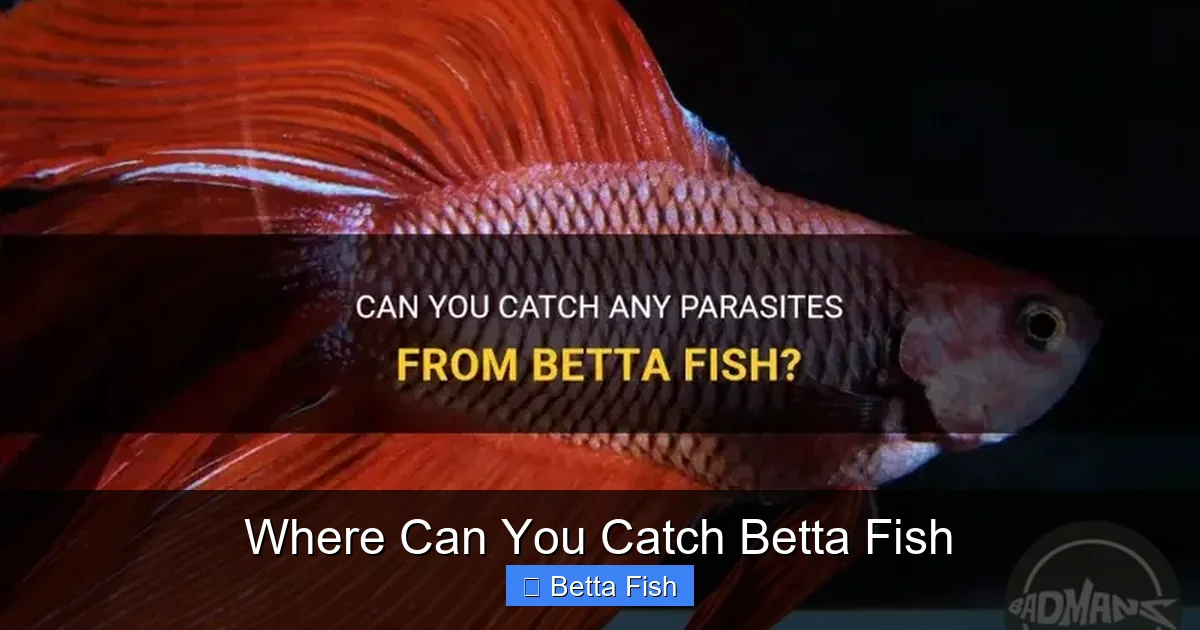
Visual guide about Where Can You Catch Betta Fish
Image source: petshun.com
The Perfect Storm: Shallow, Warm, Stagnant, and Vegetated
Imagine a water body less than a foot deep, stained dark brown by tannins from decomposing leaves (blackwater), with a surface temperature often exceeding 80°F (27°C). The water is low in oxygen, sometimes almost soupy with organic matter. Now, picture it choked with floating plants like water lettuce or hyacinth, and emergent plants like reeds and grasses. This is prime betta real estate. The vegetation provides critical oxygen (through photosynthesis), hiding places from predators (birds, larger fish), and nesting sites for the male’s bubble nest. The stagnant, warm water is low in dissolved oxygen, a condition the betta’s labyrinth organ allows it to thrive in—a key evolutionary adaptation.
Iconic Locations: Rice Paddies and Drainage Ditches
The most classic and historically significant betta habitat is the flooded rice paddy. During the growing season, these fields are inundated with shallow water, creating a vast, temporary network of interconnected pools. Betta males establish territories among the rice plants, and the system provides abundant insect prey. Similarly, the irrigation canals and drainage ditches that service these fields are permanent or semi-permanent betta highways. They are shallow, slow-moving (or still), vegetated, and warm. Finding a betta here is a matter of patient observation, looking for a flash of color or a fish hanging just under the water’s surface.
Forest Pools and Peat Swamps
In more forested areas, bettas inhabit the small, shaded pools formed in the forest floor, or the acidic, tea-colored waters of peat swamps. These are even more isolated and pristine habitats. The water is softer and more acidic. Finding bettas here requires trekking into less accessible areas, often during the rainy season when these pools are full. These populations can be genetically distinct and are often more vulnerable.
The Unspoken Rules: Legality and Ethics of the Catch
This is the most critical section. The simple answer to where can you catch betta fish is: in very few places, and almost never legally for personal collection. The romantic notion of scooping up your own wild betta is largely a fantasy in the 21st century, and for good reason.

Visual guide about Where Can You Catch Betta Fish
Image source: petshun.com
A Web of Protection: National Laws and CITES
Thailand, Cambodia, and Vietnam all have national laws protecting native wildlife. Betta splendens is not a listed endangered species globally by the IUCN (it is listed as “Vulnerable” due to habitat loss), but it is protected under national legislation in parts of its range. More broadly, the Convention on International Trade in Endangered Species (CITES) lists all Betta species under Appendix II. This means international trade in wild-caught bettas requires permits proving it is sustainable and not detrimental to the wild population. For an individual tourist or hobbyist, obtaining such permits is impossible. Catching and exporting a wild betta without authorization is a serious wildlife crime.
The Devastating Impact of Collection
Even if you found a location where local authorities turned a blind eye, the ethical cost is immense. Wild betta populations are under severe pressure from:
- Habitat Loss: Rice paddies are being converted to urban areas or more intensive agriculture. Forests are being cut down, draining peat swamps.
- Pollution: Agricultural runoff (pesticides, fertilizers) and industrial pollution poison their shallow homes.
- Overcollection: The historical demand for wild bettas for the fighting and pet trade led to local depletions. While the vast majority of bettas today are farmed, illegal wild collection for “special” color morphs or by unscrupulous collectors still occurs and can wipe out small, isolated populations.
Removing even a few breeding adults from a small pond can destabilize the local gene pool and population structure. The male you take might be the only defender of a clutch of eggs. Your “catch” could mean local extinction.
The Captive-Bred Reality: A Sustainable Alternative
Here’s the good news. The global betta fish industry is almost entirely based on captive breeding. Hobbyist breeders and commercial farms in Thailand, Malaysia, and beyond raise millions of bettas in controlled conditions—often in similar setups to their wild homes (small containers or tanks), but with regulated water, food, and no impact on wild ecosystems. When you buy a betta from a reputable pet store or a dedicated online breeder, you are almost certainly getting a captive-bred fish. This is the ethical backbone of the modern hobby. It satisfies demand without stripping the wild.
The Responsible Explorer: How to “Catch” a Betta the Right Way
So, you’re still fascinated by the wild betta. You want to connect with its origins. You absolutely can, but you must redefine “catch.” The goal shifts from possession to observation and appreciation. This is wildlife tourism with a conscience.
Plan a Ecotourism Trip to Thailand
Thailand is the best place for this. Seek out eco-lodges or tour operators in regions like the eastern provinces (e.g., near Kaeng Krachan National Park) that offer guided wetland walks. A knowledgeable local guide can show you the exact types of pools and ditches where bettas live. You’ll learn to spot the subtle signs: a faint ripple, a glint of color under a leaf. You might see a male carefully tending his bubble nest, or a female moving through the vegetation. You’ll see the ecosystem—dragonflies, frogs, aquatic insects—that supports the betta. This is a profound experience that deepens your appreciation for the fish in your tank.
Visit a Quality Public Aquarium
Many major aquariums, particularly in Southeast Asia and the US/Europe, have excellent exhibits on Southeast Asian freshwater habitats. Look for displays featuring “Thai Rice Paddies” or “Mekong Floodplains.” These are meticulously recreated environments where you can see wild-type bettas behaving naturally—flaring at their reflection, building bubble nests, foraging. It’s a guaranteed, stress-free sighting that supports conservation education and research. The Shedd Aquarium, Georgia Aquarium, and particularly the Aquaria in Bangkok are famous for these exhibits.
Support Conservation Organizations
Organizations like the International Union for Conservation of Nature (IUCN) and local Thai NGOs work on wetland conservation. Your donation or awareness helps protect the vast, interconnected habitats that bettas and countless other species need to survive. Protecting a peat swamp protects not just bettas, but an entire biodiversity hotspot.
The Path Forward: Choosing an Ethical Betta
For 99% of people asking where can you catch betta fish, the real question is: “Where can I get a healthy, beautiful betta without harming the wild?” The answer is straightforward, but requires a little homework.
Find a Reputable Local Fish Store (LFS)
A good local fish store is your best ally. The staff should know about betta care, keep them in proper conditions (not in tiny cups, but in filtered, heated tanks with clean water), and be able to tell you about their supplier. They often source from established, ethical breeders or distributors. Building a relationship with a quality LFS is invaluable for long-term hobby success.
Research Online Breeders
The betta breeding community is vast and passionate. Search for breeders who specialize in health, genetics, and temperament. They will have detailed websites, transparent breeding practices, and often show videos of their fish in good setups. They ship fish carefully and prioritize welfare. Avoid mass-market online retailers who treat bettas as cheap commodities. Look for signs of expertise: mentions of water parameters, lineage, health guarantees.
What to Look For: Health Over Flash
When you go to acquire your betta, prioritize health. Look for:
- Clear, bright eyes (no cloudiness or protrusion).
- Intact, undamaged fins (no rips, fraying, or clumping).
- Active, curious behavior (not lethargic or floating at the top).
- A healthy body, not emaciated or bloated.
- Clean, well-maintained display tanks.
A slightly less flashy but robust fish from a great source is infinitely better than a spectacularly colored but sickly fish from a poor source. Your choice directly supports the kind of breeding and retail practices you want to see in the world.
Conclusion: The Ultimate Catch is Understanding
The question where can you catch betta fish leads us on a journey from the misty rice paddies of Thailand to the ethical crossroads of the modern aquarium hobby. The physical locations—the shallow ditches of Rayong, the peat swamps of Cambodia—are real and can be visited with respect. But the act of physically catching and removing a wild betta is, in almost every scenario, a harmful anachronism. These fish are not souvenirs; they are ambassadors for a fragile ecosystem.
The true “catch” is the moment of understanding. It’s understanding that the vibrant betta in your care is a living link to a wild world we are obligated to protect. It’s understanding that by choosing a captive-bred fish from a responsible source, you cast a vote for conservation. It’s understanding that the most you should take from a wild habitat is a photograph, a memory, and a commitment to its preservation. So, chase that understanding. Plan that responsible trip to see them in the wild. Visit that inspiring aquarium. But when it comes to bringing a betta into your home, let it be a conscious, compassionate choice that honors the fish’s wild spirit and secures its future, both in your tank and in the waters of Southeast Asia.
Frequently Asked Questions
Is it legal to catch and keep a wild betta fish?
In almost all cases, no. In Thailand, Cambodia, and Vietnam, wild bettas are protected by national wildlife laws. International trade is regulated by CITES. Catching them for personal collection without specific permits is illegal and considered wildlife trafficking.
Why are wild betta populations threatened?
Their habitats—shallow wetlands, rice paddies, and peat swamps—are being destroyed or degraded by agricultural expansion, pollution from pesticides and fertilizers, deforestation, and urban development. Historical overcollection for the pet trade also contributed to local declines.
What is the best time of year to try and spot a wild betta in Thailand?
The rainy season (roughly May to October) is best, as it fills the shallow pools, rice paddies, and forest depressions where bettas live. During the dry season, many of these habitats dry up completely, forcing bettas into deeper, less accessible water.
Can I keep a wild-caught betta if I find one?
Ethically and legally, you should not. Wild bettas are adapted to specific water conditions (soft, acidic, tannin-stained) that are difficult to replicate perfectly. They may carry diseases or parasites that can spread to your other fish. More importantly, removing them harms the wild population.
Are there any conservation efforts specifically for wild bettas?
Yes, but they are often part of broader wetland conservation. Efforts focus on protecting and restoring critical habitats like peat swamps and sustainable rice paddy management. Supporting organizations that protect Southeast Asian freshwater ecosystems indirectly benefits wild bettas.
Where is the absolute best place to responsibly see a wild betta?
The best option is a guided ecotour in eastern Thailand (e.g., around Kaeng Krachan or Khao Yai National Park areas) with a local guide who knows specific, accessible locations. Alternatively, visit a major public aquarium with a high-quality Southeast Asian freshwater exhibit, like the Ocean Park in Hong Kong or the Siam Ocean World in Bangkok.