How to Make Your Betta Fish Fight
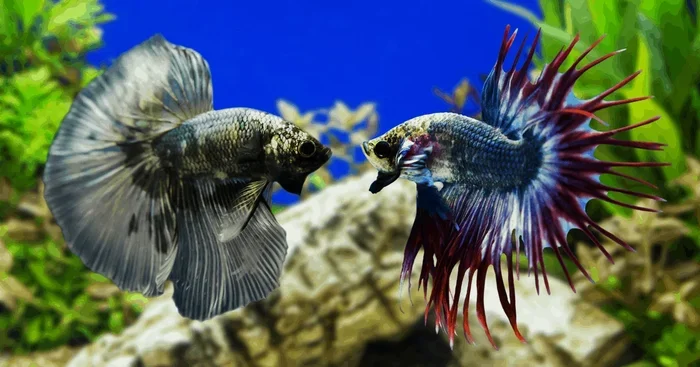
Betta fish fighting is a natural behavior rooted in their genetics as Siamese fighting fish. Understanding betta fish aggression triggers, recognizing warning signs, and knowing how to prevent unnecessary conflict is essential for every betta owner. This guide covers everything about betta fish fighting behavior, from territorial instincts to keeping your fish safe and healthy.
Key Takeaways
- Betta fish are naturally aggressive: Their name literally means “fighting fish,” and territorial behavior is hardwired into their DNA, especially in males.
- Triggers vary: Poor tank conditions, mirrors, and other fish can all spark betta fish aggression, but environmental stress is usually the root cause.
- Fighting causes real harm: Fin nipping, stress, and injuries can lead to infections and even death if not addressed quickly.
- Prevention is key: Proper tank setup, tank dividers, and avoiding mirrors are the best ways to stop unnecessary fighting.
- Know when to act: If your betta shows signs of stress or injury, immediate intervention and treatment are critical for recovery.
- Female bettas can fight too: While less common, female betta aggression is real and requires the same attention as male fighting behavior.
📑 Table of Contents
- Understanding Betta Fish Fighting Behavior
- Common Triggers for Betta Fish Fighting
- Signs Your Betta Fish Is Fighting or About To
- How To Prevent Unnecessary Betta Fish Fighting
- What To Do If Your Betta Fish Gets Into a Fight
- Health Risks Linked to Betta Fish Fighting
- Expert Insights on Managing Betta Fish Aggression
- Quick Tips for Betta Fish Owners
- Common Mistakes Betta Owners Make
- Conclusion
Understanding Betta Fish Fighting Behavior
Betta fish are one of the most popular freshwater pets on the planet. But behind their beautiful flowing fins and vibrant colors lies a fierce personality. These fish are Siamese fighting fish by name and by nature. Their scientific name, Betta splendens, barely hints at how territorial and aggressive they can be.
So why do betta fish fight? In the wild, male bettas defend their territory from any intruders. This instinct hasn’t changed just because they now live in glass tanks. If another fish, a reflection, or even a new tank mate crosses into their space, a betta may respond with betta fish aggression. Understanding this behavior is the first step toward being a responsible owner.
Not all fighting is the same, though. Some interactions are mild displays of dominance. Others can turn dangerous fast. Let’s break down everything you need to know about betta fish fighting and how to handle it.
Why Are Betta Fish Called Fighting Fish?
The name comes straight from history. In Southeast Asia, locals would stage fights between male bettas for entertainment and gambling. These fish were bred specifically for their aggression. Over time, the name stuck — even though today’s pet bettas are mostly bred for color and fin shape rather than fighting ability.
That said, the fighting instinct is still very much alive. Even a calm-looking betta can flare up when conditions are right. Their aggressive behavior is part of their survival toolkit.
Male vs. Female Betta Aggression
Male bettas are the most well-known fighters. They will flare at their own reflection, attack other fish, and defend their space fiercely. But don’t let the guys get all the attention.
Female bettas can be territorial too. While they are generally less aggressive than males, female betta fish fighting does happen, especially in sorority tanks. A pecking order forms quickly, and some females become bullies. Keeping a close eye on group dynamics is essential.
For more on managing aggressive bettas, check out our guide on can you train a betta fish to fight to understand the limits of their aggression.
Common Triggers for Betta Fish Fighting
Bettas don’t just fight for fun. Something almost always triggers their betta fish aggression. Identifying these triggers is the best way to prevent unnecessary conflict.
Territorial Behavior
Every betta needs its own space. When you introduce a new fish, plant, or decoration into a betta’s tank, it may see the newcomer as a threat. This is pure territorial behavior. The betta wants to establish dominance over every corner of its environment.
In the wild, bettas claim small territories in rice paddies and shallow ponds. A tank that feels too crowded triggers the same response. The fish stakes its claim and fights to keep it.
Mirror Reflections
This is one of the most common — and most avoidable — triggers. A betta seeing its own reflection will immediately go into fight mode. It flares its fins, charges, and attacks the “intruder.” The problem? It’s fighting itself.
Repeated mirror exposure causes chronic betta fish stress. Over time, this weakens the immune system and leads to health problems. Keep mirrors and reflective surfaces away from your betta’s tank.
Tank Mates and Other Fish
Putting a betta in a community tank is risky. Many fish species have bright colors or flowing fins that a betta sees as competition. Betta fish fighting with tank mates is a common problem, especially with:
- Other male bettas
- Colorful guppies
- Angelfish
- Other bettas with long fins
Even peaceful fish can become victims of a betta’s territorial outburst. Always research compatibility before adding any tank mate.
Poor Water Conditions
Dirty water, wrong temperatures, and low oxygen levels make bettas irritable. A stressed betta is an aggressive betta. Maintaining optimal betta fish care includes keeping water parameters in check. Unhealthy water directly contributes to betta fish stress and can worsen aggressive behavior.
Signs Your Betta Fish Is Fighting or About To
Not all aggression is a full-blown fight. Bettas communicate through body language. Learning to read these signals helps you intervene before things get ugly.
Flaring
The most recognizable sign. A betta that flares spreads its gills, opens its fins wide, and puffs up to look bigger. Flaring is a warning: “Back off.” Occasional flaring is normal. Frequent flaring signals chronic stress.
If your betta flares at its own reflection or at another fish daily, it’s time to make changes. Learn more about keeping your betta content with our article on how to make your betta fish happy.
Chasing
A betta that actively chases another fish is in full betta fish fighting mode. Short chases may just be displays of dominance. Long, repeated chases usually end in physical contact — and that’s when injuries happen.
Nipping and Fin Biting
This is where things get serious. Betta fish fin nipping causes real damage. Torn fins, ragged edges, and missing fin pieces are clear signs that fighting has occurred. Fin damage isn’t just cosmetic. It opens the door to infections like fin rot.
If you notice your betta’s fins look torn or clamped, act fast. Our guide on how to treat betta fish fin loss has step-by-step treatment advice.
Color Changes
A stressed or aggressive betta may darken in color or develop vertical stress stripes. These color changes are your fish’s way of saying it’s on high alert. Betta fish change color when their environment feels threatening or uncomfortable.
How To Prevent Unnecessary Betta Fish Fighting
Prevention is always better than treatment. Here’s how you can reduce betta fish aggression and keep your fish safe.
Never House Two Male Betta Fish Together
This is the golden rule. Two male bettas in the same tank will fight. Period. It doesn’t matter how big the tank is or how many hiding spots you add. Eventually, one will challenge the other. Do betta fish fight to death? Unfortunately, yes. Fights between male bettas can be fatal if no one separates them.
For more on this topic, read our detailed article on do betta fish fight to death.
Use a Tank Divider
If you want to keep two bettas visible to each other without the risk, a betta fish tank divider is your best option. These dividers split the tank into two sections while allowing water flow and visibility. Your fish can see each other without physical contact.
You can even make your own divider with materials from a local pet store. Just make sure there are no gaps where fins can get caught.
Avoid Mirrors and Reflective Surfaces
As mentioned earlier, mirrors trigger constant fighting behavior. Remove anything that creates a reflection near your betta’s tank. This includes phone screens, picture frames, and windows that catch light. Your betta should never see itself as a rival.
Provide Plenty of Hiding Spots
A well-decorated tank reduces betta fish aggression. Plants, caves, driftwood, and hammocks give your betta places to retreat. When a betta feels it owns the whole tank, it’s less likely to feel threatened. A thoughtful betta fish aquarium setup goes a long way toward peace.
Maintain Excellent Water Quality
Clean, warm water keeps bettas healthy and calm. Aim for:
- Temperature: 76-82°F (24-28°C)
- pH: 6.5-7.5
- Ammonia: 0 ppm
- Nitrite: 0 ppm
- Nitrate: Below 20 ppm
Regular water changes and proper filtration are non-negotiable. Stressed, sick fish are aggressive fish. Good betta fish water care prevents a whole cascade of problems.
What To Do If Your Betta Fish Gets Into a Fight
Even with the best prevention, fights can happen. Here’s your action plan.
Separate Immediately
The moment you see physical contact between two fish, separate them. Use a net to gently move the aggressor or the victim into a different container. Don’t delay. Every second counts.
Assess the Damage
Check both fish for injuries. Look for:
- Torn or missing fins
- Bites or wounds on the body
- Clamped fins
- Discoloration or pale patches
Even small wounds can become infected fast. Treat injuries promptly with proper medication and clean water conditions.
Treat for Infection
Open wounds and damaged fins are breeding grounds for bacteria. A salt bath or antibiotic treatment can help. Our guide on how to use tetracycline for betta fish covers medication options in detail. For fungal or bacterial concerns, knowing how to treat ich on a betta fish is also valuable since stress from fighting weakens their immune system and makes them vulnerable to parasites and diseases.
Give the Victim Rest and Recovery Time
A fighting victim needs a quiet, stress-free environment to heal. Keep the tank dimly lit, avoid tank mates, and maintain pristine water. Recovery can take anywhere from a few days to a couple of weeks depending on the severity.
Address the Root Cause
After the immediate crisis is handled, figure out what caused the fight. Was it a new tank mate? Dirty water? A reflection? Fixing the underlying issue prevents it from happening again. If you’re struggling with recurring betta fish stress, our article on how to treat a stressed betta fish offers practical solutions.
Health Risks Linked to Betta Fish Fighting
Fighting isn’t just a behavioral issue. It directly threatens your betta’s health. Here are the most common health problems linked to betta fish fighting.
Fin Rot
Damaged fins are the entry point for bacteria. Fin rot causes fins to fray, discolor, and slowly disintegrate. Left untreated, it can reach the body and become fatal. Quick treatment with clean water and medication is essential.
Stress and Weakened Immunity
Chronic stress suppresses the immune system. A stressed betta is more vulnerable to every disease — from ich to bacterial infections. Signs of betta fish stress include hiding, loss of color, clamped fins, and reduced appetite.
Physical Injury and Shock
Severe fights can cause shock. A betta that has been attacked may stop eating, float near the surface, or lie on the bottom. This is a medical emergency. Remove the stressor immediately and monitor your fish closely.
Reduced Lifespan
Repeated fighting and chronic stress shorten a betta’s life. A healthy betta can live 3-5 years. A betta that fights regularly may only survive 1-2 years. The impact adds up over time.
Expert Insights on Managing Betta Fish Aggression
Experienced betta breeders and aquarists agree on a few key principles when it comes to betta fish fighting behavior:
- Never test two males together. Even “calm” bettas can turn aggressive without warning.
- Watch your fish daily. Early detection of aggression prevents serious harm.
- Don’t rely on tank size alone. A big tank doesn’t stop a betta from being territorial.
- Enrichment helps. Live plants and flowing water keep bettas mentally stimulated and less aggressive.
- Know your fish’s personality. Some bettas are simply more aggressive than others. Accepting this helps you plan the right setup.
Building a bond with your betta fish through gentle interaction and consistent care also reduces overall stress levels. A calm, confident betta is far less likely to resort to fighting.
Quick Tips for Betta Fish Owners
- Always keep male bettas separated from each other.
- Use tank dividers instead of full separation if you want visual access.
- Remove mirrors and reflective surfaces immediately.
- Clean the tank weekly with partial water changes.
- Feed a high-quality diet to keep your betta healthy and strong.
- Watch for early signs of stress: color darkening, hiding, fin clamping.
- Quarantine new fish before introducing them to any tank.
- Keep the water warm. Cold water increases aggression.
Common Mistakes Betta Owners Make
Even well-meaning owners sometimes make mistakes that encourage fighting.
- Keeping two males together: This is the most common and most dangerous mistake.
- Using mirrors for “fun”: Flaring at mirrors might look entertaining, but it exhausts and stresses your fish.
- Overcrowding the tank: Too many fish or too many decorations create territorial disputes.
- Ignoring early warning signs: Flaring and chasing are early signals. Waiting for injuries means waiting too long.
- Skipping water changes: Poor water quality directly fuels betta fish aggression and health decline.
Conclusion
Betta fish fighting is a natural behavior, but that doesn’t mean you should let it run unchecked. Understanding why your betta fights, recognizing the triggers, and taking action to prevent unnecessary conflict are all part of responsible fish ownership. These beautiful creatures deserve a safe, calm environment where they can thrive.
The key to a happy betta is a well-planned tank, clean water, and close observation. Betta fish aggression can be managed — but only if you stay proactive. Whether you’re dealing with a territorial male, a bullying female, or a stressed-out buddy, the solutions are always the same: remove triggers, improve conditions, and treat injuries fast.
Apply what you’ve learned here, and your betta will live a longer, healthier, and more peaceful life. After all, a fighting fish doesn’t need to fight all the time. It just needs the right environment to feel safe.
Frequently Asked Questions
Why do betta fish fight each other?
Betta fish fight due to territorial instincts, breeding behavior, and stress. Males are especially aggressive because they naturally defend their space in the wild. Poor tank conditions, reflections, and the presence of other fish can all trigger betta fish aggression.
Can betta fish fight to death?
Yes. Male betta fish fights can be fatal, especially if one fish is significantly weaker or injured. Do betta fish fight to death is a real concern, which is why never housing two males together is the most important rule in betta care.
How can I stop my betta fish from fighting?
Prevent fighting by keeping your betta in its own tank, removing mirrors, maintaining clean water, and providing plenty of hiding spots. Using a betta fish tank divider allows visual access without physical contact. A well-planned betta fish aquarium setup greatly reduces aggression.
Is it normal for betta fish to flare at each other?
Flaring is a warning signal, not a playful interaction. While brief flaring can happen during introductions, constant flaring means one or both fish are under severe stress. It’s a sign of betta fish stress and should be addressed immediately by separating the fish.
What should I do if my betta fish gets injured from fighting?
Separate the fish immediately, assess the damage, and treat injuries with clean water and appropriate medication. Fin damage can lead to fin rot, so treat torn fins promptly. Quarantine the injured fish and maintain warm, clean water to support healing.
Can female betta fish also fight?
Yes. While less aggressive than males, female betta fish fighting does occur, especially in sorority tanks. A social hierarchy forms, and some females become bullies. Monitor group dynamics closely and be ready to separate any aggressive individuals.