How to Make Mackerall Fish Taste Better
Making mackerall fish taste better for your betta is easier than you think. With the right preparation methods and a few simple additions, you can turn ordinary fish food into a delicious meal your betta fish will love. This guide covers everything from homemade recipes to feeding tips that boost flavor and nutrition.
Key Takeaways
- Fresh mackerall fish tastes better than frozen or processed options for your betta fish diet.
- Proper cleaning and deboning removes bitter flavors that put off betta fish.
- Adding natural enhancers like garlic or brine shrimp makes mackerall fish more appealing.
- Small portion sizes and proper serving temperatures improve taste and digestion for betta fish.
- Homemade mackerall fish food gives you full control over ingredients and freshness.
- Rotating flavors regularly keeps your betta fish interested and well-fed.
📑 Table of Contents
- How to Make Mackerall Fish Taste Better for Your Betta
- Why Taste Matters for Betta Fish Food
- Choosing the Right Mackerall Fish
- How to Prepare Mackerall Fish for Better Taste
- Natural Flavor Enhancers for Mackerall Fish
- Serving Tips to Improve Taste and Appeal
- Common Mistakes to Avoid
- Expert Tips for the Best Mackerall Fish Experience
- Conclusion
How to Make Mackerall Fish Taste Better for Your Betta
If you own a betta fish, you know how picky they can be. Sometimes they turn their nose up at food that looks perfectly fine to us. One way to fix this is by making mackerall fish taste better. Mackerall fish is a great source of protein for betta fish. But if it tastes bland or smells off, your betta might refuse to eat it.
The good news is that improving the flavor of mackerall fish is not hard. A few simple steps can make a huge difference. Whether you buy mackerall fish from the store or prepare it at home, you can enhance its taste. Your betta fish will thank you with bright colors and lots of energy. Let us walk you through exactly how to do it.
In this guide, we cover the best methods for preparing mackerall fish. You will learn how to clean it, cook it, and add natural flavor boosters. We also share tips on serving sizes and feeding schedules. By the end, you will have all the tools you need to make every meal delicious for your betta.
Why Taste Matters for Betta Fish Food
Betta fish are not just pretty fins and flowing tails. They are also creatures with strong preferences. When it comes to betta fish food, taste plays a big role. A betta that refuses to eat will lose weight and become dull in color. Over time, this can lead to serious health problems.
Mackerall fish is packed with protein and omega-3 fatty acids. These nutrients support betta fish health and keep their immune system strong. But nutrition means nothing if your fish will not eat it. That is why making mackerall fish taste better is so important. A fish that enjoys its food eats more and stays healthier.
The Connection Between Flavor and Appetite
Just like humans, betta fish respond to smell and taste. If food smells off or tastes bitter, they will spit it out. Fresh mackerall fish has a clean, mild flavor that most bettas find appealing. But old or improperly prepared mackerall can smell fishy and turn off your betta.
When you learn how to make mackerall fish taste better, you solve two problems at once. You improve the flavor, and you make the food more nutritious. Fresh preparation removes unwanted odors and enhances the natural taste. This is the first step toward a happier, healthier betta fish.
Choosing the Right Mackerall Fish
Not all mackerall fish is created equal. The quality of the fish you start with matters a lot. If you want to make mackerall fish taste better, you need to start with good ingredients. Here is what to look for when buying mackerall fish for your betta.
Fresh vs Frozen Mackerall Fish
Fresh mackerall fish always tastes better than frozen. If you can buy it from a local fish market, that is ideal. The texture is firmer and the flavor is cleaner. However, frozen mackerall fish works too. Just make sure it was flash-frozen and has no ice crystals inside the packaging.
Avoid canned mackerall fish if possible. Canned fish often contains salt and preservatives. These additives can harm your betta fish over time. Stick to fresh or frozen mackerall for the best results. Your betta fish diet will be much healthier as a result.
What to Look for When Buying
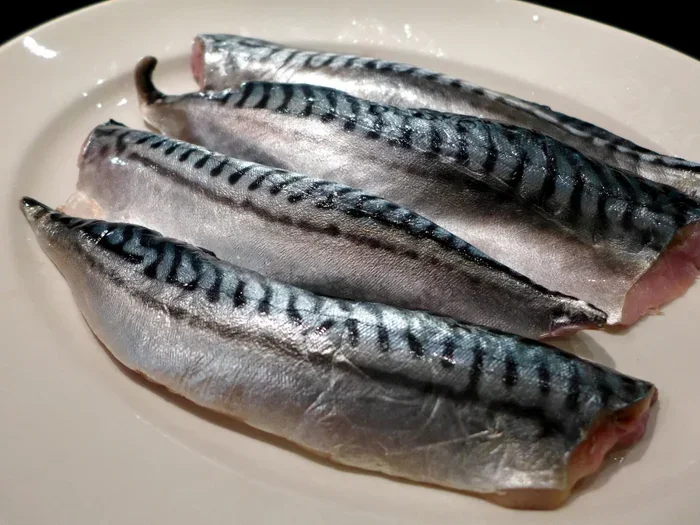
When shopping for mackerall fish, check for a few key signs. The flesh should be firm and shiny. It should smell like the ocean, not like ammonia. Any fish that smells strong or sour is too old. Always buy from a trusted source to ensure quality.
Also, look for mackerall fish that is boneless or easy to debone. Betta fish have small mouths, so bones can be a choking hazard. Choosing the right cut of mackerall fish sets you up for success. It makes preparation easier and the final product much more appetizing.
How to Prepare Mackerall Fish for Better Taste
Preparation is where the magic happens. Learning how to properly clean and cook mackerall fish changes everything. The right method brings out the natural flavors and removes anything that might put off your betta. Follow these steps for the best results.
Step 1: Clean the Fish Thoroughly
Start by rinsing the mackerall fish under cold water. Remove the scales by scraping them with a knife from tail to head. Next, gut the fish and remove all internal organs. Rinse the cavity well to wash away any blood or residue.
Clean fish tastes much better than dirty fish. This step might seem simple, but it makes a big difference. A clean mackerall fish has a milder, more pleasant flavor. Your betta fish will notice the difference right away.
Step 2: Debone Carefully
Use a pair of tweezers or fish bone pliers to remove all bones. Work slowly and carefully. Betta fish are small, and even tiny bones can cause problems. Run your fingers along the flesh to feel for any hidden bones.
Deboned mackerall fish is safer and more enjoyable for your betta. It also makes the fish easier to cut into small, bite-sized pieces. This is important because betta fish prefer small portions. Proper deboning is a key step in making mackerall fish taste better and safer.
Step 3: Cook Gently
Steaming is the best way to cook mackerall fish for betta fish. It preserves the nutrients and keeps the texture soft. Boiling can make the fish mushy and wash away flavor. Baking at a low temperature works well too.
Cook the mackerall fish until it flakes easily with a fork. Do not overcook it. Overcooked fish becomes dry and loses its taste. The goal is a tender, moist texture that your betta fish will find irresistible. Keep it simple and let the natural flavor shine through.
Natural Flavor Enhancers for Mackerall Fish
Once your mackerall fish is prepared and cooked, you can boost its taste even more. Nature provides several ingredients that make fish more flavorful. These enhancers are safe for betta fish and add extra nutrition at the same time.
Garlic as a Flavor Booster
Garlic is one of the best natural flavor enhancers for fish food. Many betta fish owners swear by it. A tiny bit of garlic juice mixed into mackerall fish makes it smell and taste amazing. Betta fish are attracted to the strong scent of garlic.
To use garlic, crush a small clove and squeeze out the juice. Mix a few drops into the cooked mackerall fish. Do not use too much. A little goes a long way. This simple trick can turn even bland mackerall fish into a betta fish favorite.
Brine Shrimp and Other Add-Ins
Brine shrimp are a natural treat that betta fish love. You can mix chopped brine shrimp into your mackerall fish for extra flavor. Other good add-ins include daphnia and bloodworms. These ingredients make the food more interesting and nutritious.
Mixing different flavors keeps your betta fish excited about mealtime. Rotate the add-ins every few days. This prevents your betta from getting bored with the same taste. It also provides a wider range of nutrients for betta fish wellness.
Using Soaked Fish Food Pellets
If you prefer not to cook mackerall fish from scratch, there is another option. Soak your regular betta fish pellets in garlic juice or brine shrimp water. This infuses the pellets with extra flavor. While this is not mackerall fish specifically, it works well as a supplement to your betta fish feeding routine.
You can also soak mackerall fish pieces in a small amount of tank water before serving. This helps the fish adjust to the temperature of the tank. Warm food is more aromatic and appealing to betta fish. The smell alone can trigger their appetite and make them eager to eat.
Serving Tips to Improve Taste and Appeal
How you serve mackerall fish matters just as much as how you prepare it. Small changes in serving style can make a big impact on how much your betta enjoys its meal. Here are some tips to get the most out of every feeding.
Serve in Small Portions
Betta fish have tiny stomachs. They do best with small, frequent meals. Cut the mackerall fish into very small pieces before serving. A piece the size of your betta’s eye is perfect. Smaller portions are easier to eat and taste better because they are fresh.
Overfeeding is a common mistake many betta owners make. Uneaten food sinks to the bottom of the tank and ruins the water quality. Start with a tiny portion and see how your betta responds. You can always add more if they finish quickly.
Serve at the Right Temperature
Mackerall fish should be served at room temperature or slightly warm. Cold fish from the refrigerator can shock your betta’s system. Let the fish sit out for a few minutes before dropping it into the tank. This simple step improves both taste and safety.
Some betta owners like to place the food in a small dish first. This lets the fish see and smell the mackerall before eating. It also makes cleanup easier since you can remove any uneaten pieces after a few minutes. Keeping the tank clean supports betta fish health and keeps your fish happy.
Feeding Schedule for Best Results
Feed your betta mackerall fish once or twice a day. A consistent schedule helps your fish develop a strong appetite. Try to feed at the same times each day. Morning and evening feedings work well for most betta fish.
On days when you serve mackerall fish, skip the regular pellets. This ensures your betta is hungry enough to enjoy the special meal. Alternating between mackerall fish and regular food keeps things interesting. It also gives your betta a varied diet that covers all nutritional needs.
Common Mistakes to Avoid
Even with the best intentions, mistakes can happen. Knowing what to avoid helps you make better mackerall fish for your betta. Here are the most common errors and how to fix them.
Using Too Much Garlic
Garlic is great in small amounts, but too much can harm your betta. Excess garlic can change the water chemistry in your tank. It can also irritate your betta’s sensitive system. Stick to just a drop or two of garlic juice per serving.
Overcooking the Fish
Overcooked mackerall fish becomes dry and tasteless. It also loses most of its nutritional value. Cook the fish just until it flakes easily. A little moisture in the fish keeps it tender and flavorful. Your betta will much prefer a soft, moist piece over a dry, crumbly one.
Skipping the Deboning Process
Bones in mackerall fish can injure your betta’s mouth or digestive tract. Never skip the deboning step. Take the time to check for every bone. Your betta’s safety is always more important than convenience.
Feeding Too Frequently
Some owners think more food means a happier fish. This is not true. Overfeeding leads to bloating and poor water quality. Feed mackerall fish in moderation. Your betta fish will be healthier and more active as a result.
Expert Tips for the Best Mackerall Fish Experience
Veterinarians and experienced betta fish owners share a few insider tips. These small additions can take your mackerall fish preparation to the next level. Try incorporating these into your routine for the best results.
First, always wash your hands before handling fish food. This prevents bacteria from contaminating the mackerall fish. Second, use a dedicated prep area for fish food. This keeps the kitchen clean and avoids cross-contamination. Third, store leftover mackerall fish in the refrigerator and use it within two days. Freshness is the key to great taste.
Finally, watch your betta fish during feeding time. Observe how they react to the mackerall fish. If they eat eagerly, you are on the right track. If they ignore it, try adjusting the flavor or temperature. Every betta is different, and finding what works best for yours is part of the fun. For more tips on keeping your betta happy, check out our guide on how to make your betta fish happy.
Another great resource is learning how to make betta fish food at home. This gives you complete control over what goes into your betta’s meals. When you combine homemade food with the tips in this guide, your betta will thrive.
Conclusion
Making mackerall fish taste better is a rewarding process that benefits both you and your betta fish. From choosing fresh fish to adding natural flavor enhancers, every step counts. Your betta deserves food that is both delicious and nutritious. With the tips in this guide, you can create meals that your fish will love.
Remember to keep portions small, serve at the right temperature, and feed on a consistent schedule. Avoid common mistakes like overcooking or skipping the deboning process. A little effort goes a long way when it comes to improving betta fish food. Your betta fish will show its appreciation through vibrant colors, active swimming, and a healthy appetite.
Start experimenting with these methods today. Try different flavor combinations and serving styles. You might discover that your betta has a favorite way to enjoy mackerall fish. The journey to better-tasting fish food is one of the best things you can do for your betta’s overall well-being.