How to Make Fish Water Smell Better
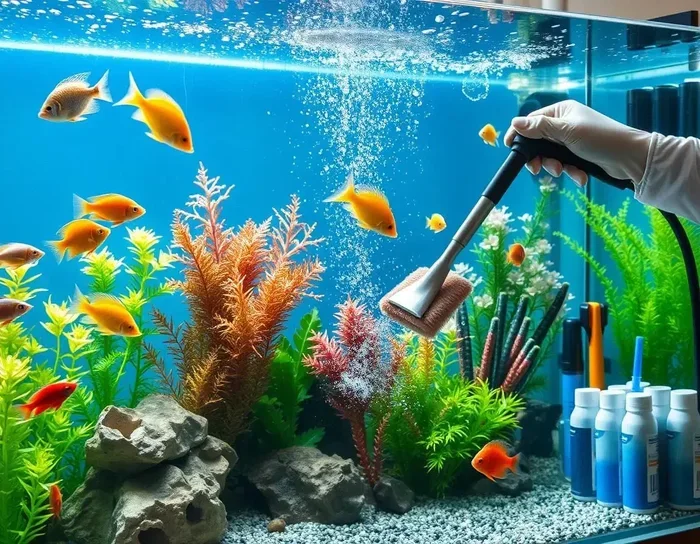
How to make fish water smell better is easier than you think with a few simple, natural tricks that tackle the root cause of stubborn odors. Regular water changes, proper filtration, and a handful of household remedies can quickly neutralize foul smells and keep your aquarium fresh. This guide reveals the most effective methods to eliminate fish tank odor and maintain a clean, pleasant environment for your fish.
Key Takeaways
- Make fish water smell better: Change 25% weekly to remove waste and odors.
- Vacuum gravel regularly: Remove debris from substrate to eliminate hidden odor sources.
- Rinse filter media: Clean monthly to maintain biological filtration and reduce smells.
- Avoid overfeeding: Remove uneaten food quickly to prevent decay and bad odors.
- Add activated carbon: Use filter media to absorb organic compounds causing fishy smells.
- Test ammonia weekly: Detect toxic buildup early to keep water fresh and clean.
📑 Table of Contents
- Why Does Your Fish Water Smell Bad?
- What Causes Fish Tank Water to Smell Bad?
- How to Make Fish Water Smell Better: A Step-by-Step Guide
- Best Practices for Keeping Your Betta Fish Water Fresh
- Common Mistakes That Make Fish Water Smell Worse
- Products That Help Keep Your Fish Tank Water Fresh
- Quick Tips for a Fresh, Odor-Free Betta Fish Tank
Why Does Your Fish Water Smell Bad?
Let’s be honest — nobody wants their living room to smell like a fish tank. If you’re dealing with a funky odor coming from your betta fish tank, you’re not alone. Many fish keepers face this problem at some point. The good news is that it’s almost always fixable.
A fish tank that smells bad usually points to a bigger issue. It could be poor water quality, too much fish waste, or a filter that isn’t doing its job right. Understanding why the smell happens is the first step toward fixing it. Once you know the root cause, making fish water smell better becomes much easier.
In this guide, we’ll walk you through everything you need to know. From simple daily habits to the best products for a fresh tank, we’ve got you covered. Let’s dive in and get your betta fish habitat smelling clean and fresh again.
What Causes Fish Tank Water to Smell Bad?
Before you fix the problem, you need to understand it. A smelly fish tank doesn’t just happen out of nowhere. There are specific reasons behind that fish water smell. Let’s break them down.
Overfeeding Your Betta Fish
This is the number one mistake most beginners make. Pouring too much food into the tank seems harmless, but leftover food rots at the bottom. As it decomposes, it releases ammonia and gives off a strong, unpleasant odor. Betta fish care starts with feeding the right amount — just enough that they can finish in two to three minutes.
Dirty Tank Water and Poor Water Quality
When you don’t change your tank water regularly, waste builds up. Fish waste, leftover food, and dead plant matter all contribute to poor water quality. Over time, this creates a toxic environment that smells terrible. Your aquarium maintenance routine plays a huge role here. Even a small buildup can cause a big smell.
Clogged or Faulty Filters
Your filter is the backbone of a clean tank. When it gets clogged, it stops working properly. Dirty filters can’t remove ammonia smell or harmful toxins. Sometimes the filter itself starts to smell bad because old debris gets trapped inside. Regular filter cleaning is a must for keeping things fresh.
Dead Plants or Leftover Decorations
Those plastic plants you added to make the tank look nice? They can trap waste and gunk over time. Real plants can decay if they die. Either way, rotting material in your betta fish tank will make the water smell sour. Always remove anything that looks damaged or decomposed.
Not Enough Beneficial Bacteria
This one surprises a lot of people. Your tank needs beneficial bacteria to break down harmful compounds. Without enough of these good bacteria, toxins build up fast. This leads to cloudy water and a foul smell. A healthy tank is all about balance — and bacteria are a big part of that.
How to Make Fish Water Smell Better: A Step-by-Step Guide
Now that you know what causes the smell, let’s talk about solutions. Here’s a practical, easy-to-follow guide on how to make fish water smell better for your betta.
Step 1: Do a Partial Water Change
This is the fastest way to freshen up your tank. Swap out about 25% to 30% of the water every week. Use a gravel vacuum to suck up debris at the bottom while you change the water. Fresh, treated water makes an instant difference in water freshness and overall tank smell.
Before adding new water, make sure you use a tap water conditioner. Tap water contains chlorine and chloramine that harm your betta and can worsen odors. Treating the water first protects your fish and keeps things smelling clean.
Step 2: Clean Your Tank Regularly
Regular tank cleaning prevents buildup before it becomes a problem. Wipe down the glass, clean decorations, and vacuum the substrate. If you’re unsure about the full process, check out our detailed guide on how to clean betta fish tank water for step-by-step instructions. Focus on areas where waste tends to collect, like corners and near the filter intake.
Step 3: Upgrade Your Filter
A weak filter can’t keep up with a dirty tank. If your current filter is small or old, consider upgrading. Look for one rated for at least twice your tank size. A stronger filter improves aquarium filter performance and reduces odors significantly. Make sure to clean or replace filter media every two to four weeks.
Step 4: Add Activated Carbon
Activated carbon is a game-changer for removing fish smell. It absorbs toxins, discoloration, and odor-causing compounds from the water. Drop a small piece into your filter or use a media bag. Replace it every two to four weeks for best results. Many aquarium maintenance routines include carbon as a standard step.
Step 5: Feed Your Betta Properly
This goes back to the overfeeding issue. Feed your betta small amounts once or twice a day. Skip the food if you notice leftover pieces floating around. A clean diet means cleaner water and a fresh fish tank smell. You can also try soaking dry food before feeding — this reduces waste that sinks to the bottom.
Best Practices for Keeping Your Betta Fish Water Fresh
Once you’ve fixed the immediate smell problem, you want to prevent it from coming back. Here are some long-term habits that keep your betta fish water clean and odor-free.
Stick to a Water Change Schedule
Consistency is key. Set a weekly reminder to change your tank water. Even a 20% swap makes a big impact. If you’re unsure how often to change things up, learn more about how often to change water for betta fish so you can build the right routine. Mark your calendar or use an app — whatever keeps you on track.
Monitor Your Water Parameters
Get a basic water quality test kit. Check ammonia, nitrite, and nitrate levels weekly. High readings mean your tank is cycling poorly, which leads to bad smells. Aim for these targets:
- Ammonia: 0 ppm
- Nitrite: 0 ppm
- Nitrate: Below 20 ppm
If your numbers are off, a water change and filter check should bring them back in line. Keeping your betta fish habitat within safe ranges keeps both your fish and your nose happy.
Don’t Overcrowd the Tank
Betta fish are solitary creatures. They don’t need tank mates in most cases. Adding too many fish or creatures increases waste and stress on your filter. A clean, spacious tank always smells better than a cramped one. Give your betta room to swim and explore — it’s better for their health and your senses.
Keep Live Plants (Healthy Ones)
Live plants actually help absorb toxins and improve water freshness. They give your tank a natural, clean scent. Just make sure they’re healthy. Dead or dying plants add to the problem. Java fern, anubias, and amazon sword are great choices for betta tanks. They’re low-maintenance and keep your betta fish tank looking and smelling great.
Common Mistakes That Make Fish Water Smell Worse
Even experienced fish keepers can fall into habits that make things worse. Here are some common mistakes to avoid if you want a fresh-smelling tank.
Skipping Water Changes
It’s easy to get busy and forget. But skipping water changes lets waste pile up fast. Even if the water looks clear, it can still be full of invisible toxins. Make your weekly water change a non-negotiable part of your betta fish care routine.
Using the Wrong Water Conditioner
Not all water conditioners are created equal. Some only remove chlorine, while others handle chloramine and heavy metals too. Using a basic conditioner when you need a stronger one leaves harmful compounds in the water. To get the best results, learn how to condition betta fish water properly so you’re using the right product for your tap water.
Ignoring Filter Maintenance
Your filter needs love too. Rinse filter media in old tank water (never tap water) every two weeks. Replace worn-out sponges and cartridges. A neglected filter is one of the main reasons people ask, “How can I make my fish water smell better?” — because it directly impacts odor levels.
Cleaning Everything at Once
Big, all-at-once cleanings can actually harm your tank. You risk killing off beneficial bacteria that keep your cycle stable. Instead, clean small sections at a time. Do a little vacuum here, a glass wipe there. This approach keeps your tank’s ecosystem balanced and your water smelling fresh.
Products That Help Keep Your Fish Tank Water Fresh
Sometimes you need a little help from products to tackle stubborn odors. Here are some tried-and-true options for making your fish tank odor disappear.
Activated Carbon
We mentioned this earlier, but it deserves its own spotlight. Activated carbon is one of the most effective ways to absorb smells and toxins. Drop it into your filter and let it work. It’s affordable and lasts about two to four weeks before needing replacement. Many fish keepers swear by it for a fresh fish tank smell.
Water Conditioners with Detoxifiers
Some advanced conditioners do more than just dechlorinate. They also neutralize ammonia and heavy metals. Look for products that offer full-spectrum protection. Using a quality conditioner is a simple way to improve water freshness every time you do a water change.
Tank Odor Removers
A few brands make dedicated tank odor removers. These are liquid additives you dose directly into the water. They use natural enzymes to break down organic waste. While they’re not a substitute for regular cleaning, they can help between maintenance sessions. Use them as a supplement, not a main solution.
Substrate Cleaners
Gravel and substrate trap a lot of waste underneath. A good substrate cleaner or vacuum makes it easy to pull out trapped gunk. This alone can make a noticeable difference in how your betta fish tank smells. Aim to vacuum during every partial water change for the best results.
Quick Tips for a Fresh, Odor-Free Betta Fish Tank
Here’s a handy list of quick tips you can reference anytime. Keep these in mind and your tank will stay smelling clean:
- Feed less. Only give your betta what it can eat in two minutes.
- Change water weekly. Swap out 25% of the water every seven days.
- Clean your filter regularly. Rinse media every two weeks.
- Use a test kit. Monitor ammonia and nitrate levels consistently.
- Remove dead plants. Decaying matter causes foul odors fast.
- Add activated carbon. It absorbs toxins and keeps water smelling clean.
- Avoid overcleaning. Don’t scrub everything at once — keep bacteria alive.
- Keep the tank in a cool spot. Warm rooms speed up bacterial growth and odors.
Following these simple habits means you’ll rarely have to worry about how to make fish water smell better. Prevention is always easier than cleanup. A little consistency goes a long way toward a happy betta and a fresh-smelling home.
Key Takeaway: A clean, fresh-smelling fish tank comes down to regular maintenance, proper feeding, good filtration, and consistent water changes. Your betta fish deserves a healthy habitat — and your nose deserves a break. Start with one or two changes today, and you’ll notice a difference within days. A well-maintained betta fish habitat benefits both you and your fish in the long run.
Frequently Asked Questions
Why does my fish tank water smell bad?
Fish tank water develops a bad smell when waste, uneaten food, and decaying plants build up in the water. This creates ammonia and hydrogen sulfide, which produce that rotten or fishy odor. Regular water changes and proper filtration help prevent this buildup and keep the tank smelling fresh.
How often should I change fish tank water to reduce odor?
Performing a 25% water change every one to two weeks is usually enough to keep odors under control. Larger tanks may need less frequent changes, while heavily stocked tanks benefit from more regular maintenance. Always use dechlorinated water at the same temperature as the tank to avoid stressing your fish.
What causes a rotten egg smell in fish water?
A rotten egg smell in fish water is typically caused by hydrogen sulfide gas, which forms when organic matter decomposes in low-oxygen areas of the tank. This often happens in gravel beds, under decorations, or inside filter media where debris accumulates. Stirring the substrate and cleaning the filter regularly can eliminate this unpleasant odor.
Can I use a water conditioner to make fish water smell better?
Yes, a good water conditioner neutralizes chlorine and chloramines that can contribute to bad smells in aquarium water. Some conditioners also contain ingredients that bind ammonia, which helps reduce fishy odors as well. However, a conditioner is not a replacement for regular tank maintenance and water changes.
How do I get rid of a fishy smell in my aquarium?
To make your fish water smell better, start by testing the water for ammonia, nitrite, and nitrate levels. High levels usually indicate overfeeding, overstocking, or insufficient filtration. A partial water change, thorough gravel cleaning, and checking your filter media can quickly eliminate most fishy odors.
Is it safe to use baking soda to eliminate fish tank odors?
Small amounts of baking soda can temporarily raise pH and reduce acidic odors in fish water, but it should be used with caution. Sudden pH changes can stress or harm your fish, so only add tiny amounts and test the water afterward. Regular cleaning and proper biological filtration are safer, long-term solutions for keeping the water fresh.