Are There Any Tropical Fish That Are Compatible with Bettas

Looking to create a peaceful community tank with a betta? While bettas are often seen as solitary, several calm tropical fish can coexist happily with them when the right conditions are met. This guide walks you through the best compatible species, tank requirements, and practical tips for success.
Key Takeaways
- Size matters: Choose small, non‑aggressive fish that won’t trigger the betta’s territorial instincts.
- Tank space is crucial: A minimum of 10‑gal for a community tank gives a betta room to establish a territory.
- Water parameters must match: Keep temperature, pH, and hardness consistent for both betta and tank mates.
- Sex and personality count: Female bettas are generally more tolerant, and individual temperaments vary.
- Plants and hiding spots: Live plants, driftwood, and caves reduce stress and prevent fights.
- Start slow: Introduce new fish one at a time and monitor behavior closely.
- Research each species: Even “compatible” fish can become aggressive under the wrong conditions.
📑 Table of Contents
Introduction: Why the Question Matters
Betta fish—often called Siamese fighting fish—have a reputation for being fierce solo swimmers. That reputation makes many hobbyists wonder, are there any tropical fish that are compatible with bettas? The short answer is yes, but the answer comes with a lot of nuance. Getting the mix right can turn a single‑specimen showcase into a vibrant, bustling community that’s both beautiful and healthy.
In this article we’ll break down the science behind betta temperament, explore the most reliable tropical tank mates, and give you step‑by‑step tips for setting up a harmonious aquarium. Think of it as a friendly chat over coffee, where we share stories, mistakes, and proven strategies.
Understanding Betta Behavior
Territorial instincts
Bettas are naturally territorial. In the wild they defend small pockets of water in rice paddies and streams. In a tank, this instinct translates to guarding the surface and any décor they consider “theirs.”
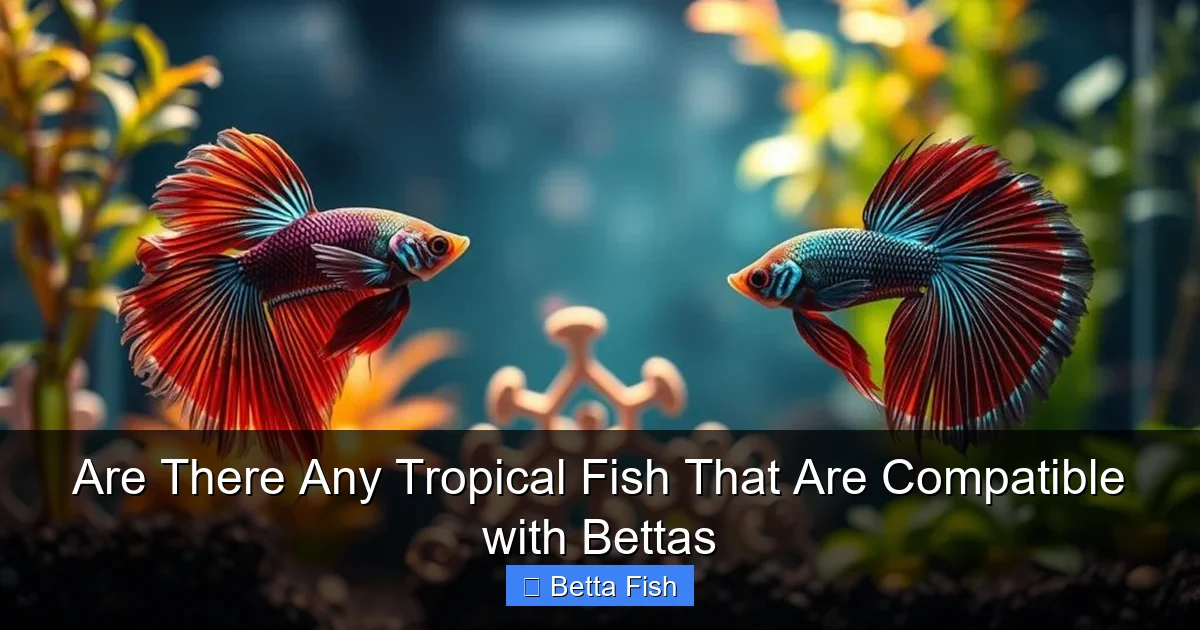
Visual guide about Are There Any Tropical Fish That Are Compatible with Bettas
Image source: koibettafish.com
Gender differences
Male bettas are the classic “fighters,” while females tend to be more social. A lone female often tolerates conspecifics (other females) and small community fish better than a male. However, each individual is unique, so observation is key.
Activity level
Despite their aggressive reputation, bettas are relatively low‑activity fish. They spend much of the day resting among plants or floating near the surface. This calm demeanor makes them suitable companions for other peaceful tropical fish when the environment is right.
Core Criteria for Choosing Tank Mates
Size and shape
Small, streamlined fish are less likely to be seen as a threat. Avoid long‑finned or brightly colored species that could trigger a betta’s flare response.

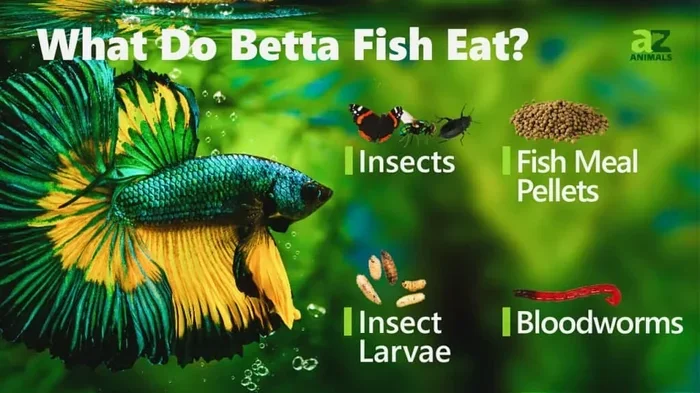
Visual guide about Are There Any Tropical Fish That Are Compatible with Bettas
Image source: a-z-animals.com
Temperament
Choose species known for gentle, non‑aggressive behavior. Fast swimmers that keep to the middle or bottom levels are ideal.
Water parameter match
Bettas thrive at 76‑82°F (24‑28°C) with a pH of 6.5‑7.5. Your tank mates must share this range; otherwise stress and disease will follow.
Habitat needs
Fish that enjoy heavily planted tanks or like to hide among driftwood will help create a balanced environment where the betta can claim its space without feeling crowded.
Top Tropical Fish That Are Compatible with Bettas
Below is a curated list of tropical fish that answer the question, “are there any tropical fish that are compatible with bettas?” Each entry includes care tips and why they generally get along.

Visual guide about Are There Any Tropical Fish That Are Compatible with Bettas
Image source: petshun.com
1. Neon Tetras
Neon tetras are small (about 1.5 inches), schooling fish that stay in the lower to middle levels of the tank. Their bright blue‑red stripe is eye‑catching but not fin‑like, so they rarely provoke a betta. Keep them in groups of six or more to reduce stress.
2. Ember Tetras
Even smaller than neon tetras, ember tetras glow orange in low light and remain shy. Their peaceful nature makes them a top pick for a community tank with a betta.
3. Harlequin Rasboras
These hardy fish grow to about 2 inches and prefer the mid‑water column. Their active schooling behavior provides visual distraction for the betta, reducing the chance of territorial flare-ups.
4. Corydoras Catfish
Cory cats are bottom‑dwelling scavengers that love to dig in substrate. Their calm demeanor and nocturnal feeding habits mean they rarely interact with the betta on the surface.
5. Kuhli Loaches
Long, eel‑like loaches hide in the substrate and driftwood. They are peaceful and help keep the tank clean, making them excellent companions for bettas.
6. Endler’s Livebearers
Similar to guppies but smaller, Endler’s livebearers are fast swimmers that occupy the lower half of the tank. Their vibrant colors are a nice contrast without being overly flashy.
7. Small Rasboras (Pygmy)
Pygmy rasboras stay near the surface but are tiny enough not to be seen as a rival. They add a shimmering effect and are easy to care for.
8. Dwarf Gourami (Careful Choice)
A dwarf gourami can coexist with a betta if the tank is large (20+ gallons) and plenty of hiding spots are provided. Both are labyrinth fish, so they share similar water needs. However, monitor closely for any signs of aggression.
9. Cherry Shrimp and Small Snails
While not fish, these invertebrates are often added to betta tanks for cleaning and visual interest. They’re safe because they’re too small to be seen as a threat.
Setting Up a Betta Community Tank
Tank size and shape
Even the most compatible fish need space. A minimum of 10 gallons is recommended for a single male betta with a few small companions. Larger tanks (20+ gallons) allow for more diverse communities and reduce territorial disputes.
Filtration and flow
Bettas prefer gentle water movement. Use a filter with an adjustable flow or add a sponge pre‑filter to soften the current. A calm surface also prevents the betta from constantly battling the flow.
Plants and décor
Live plants like Java fern, Anubias, and Amazon swords create natural barriers. Add driftwood, caves, and ceramic pots for hiding spots. The more visual breaks you provide, the less likely the betta will feel crowded.
Lighting
Soft, diffused lighting works best. Too bright a light can stress both betta and tank mates. A 10‑hour light cycle mimics natural conditions.
Acclimation process
When adding new fish, use the drip‑acclimation method over 30‑60 minutes to match temperature and water chemistry. Introduce one species at a time and observe for at least 24 hours before adding another.
Monitoring behavior
Watch for signs of stress: faded colors, frantic swimming, or hiding constantly. If a betta flares repeatedly, consider rearranging décor or removing the most aggressive tank mate.
Common Mistakes to Avoid
Overcrowding
Even compatible fish can become aggressive if the tank is too small. Stick to the recommended stocking levels based on gallons.
Mixing aggressive species
Do not pair bettas with fin‑nipping fish like tiger barbs or large cichlids. Their movement and bright colors can trigger a betta’s defensive behavior.
Ignoring water quality
Ammonia spikes or rapid pH changes affect all inhabitants. Perform weekly water changes of 25‑30% and test parameters regularly.
Choosing the wrong gender
While a single male betta can live with peaceful fish, a group of females may become territorial with each other. Plan accordingly.
Frequently Asked Questions (FAQs)
Can I keep a male betta with other fish?
Yes, but choose small, non‑aggressive species and provide plenty of space. Male bettas are more prone to flare, so monitoring is essential.
Are female bettas better community fish?
Generally, females are more tolerant of tank mates. However, they can still be territorial, especially if kept with other females.
Do bettas need a heater if I keep tropical fish?
All tropical fish, including bettas, thrive at 76‑82°F. A reliable aquarium heater ensures a stable temperature for the whole community.
How often should I feed a betta in a community tank?
Feed a small amount 2‑3 times daily, ensuring other fish get their share. Remove uneaten food after a few minutes to keep water quality high.
What should I do if my betta starts flaring?
Immediately check for new tank mates, rearrange décor to break line of sight, and ensure the water parameters are stable. A short period of isolation may be necessary.
Can I add live plants to a betta tank?
Absolutely! Live plants improve water quality and give the betta places to rest. Choose hardy species that can tolerate the betta’s occasional nibbling.
Conclusion: Creating a Peaceful Betta Community
The question, are there any tropical fish that are compatible with bettas, doesn’t have a one‑size‑fits‑all answer, but with the right research and tank setup, the answer is a confident “yes.” By selecting small, peaceful species, providing ample space and hiding spots, and maintaining stable water conditions, you can enjoy a colorful, interactive community that showcases the betta’s beauty without sacrificing the health of its companions.
Remember, patience is your best tool. Introduce new fish gradually, watch for subtle changes, and be ready to adjust décor or even rehome a fish if conflict arises. With careful planning, your betta can become the charismatic centerpiece of a thriving tropical aquarium.
Frequently Asked Questions
Can I keep a male betta with other fish?
Yes, but choose small, non‑aggressive species and provide plenty of space. Male bettas are more prone to flare, so monitoring is essential.
Are female bettas better community fish?
Generally, females are more tolerant of tank mates. However, they can still be territorial, especially if kept with other females.
Do bettas need a heater if I keep tropical fish?
All tropical fish, including bettas, thrive at 76‑82°F. A reliable aquarium heater ensures a stable temperature for the whole community.
How often should I feed a betta in a community tank?
Feed a small amount 2‑3 times daily, ensuring other fish get their share. Remove uneaten food after a few minutes to keep water quality high.
What should I do if my betta starts flaring?
Immediately check for new tank mates, rearrange décor to break line of sight, and ensure the water parameters are stable. A short period of isolation may be necessary.
Can I add live plants to a betta tank?
Absolutely! Live plants improve water quality and give the betta places to rest. Choose hardy species that can tolerate the betta’s occasional nibbling.