How to Make Betta Fish Have Babies
Learning how to make betta fish have babies is easier than most people think. You need the right tank setup, proper water conditions, and a healthy male and female pair. This guide covers everything from choosing breeding fish to caring for newborn fry.
Breeding betta fish can feel exciting and a little intimidating at first. But with the right knowledge, making betta fish have babies is a rewarding experience. Whether you are a beginner or have kept bettas for years, this guide walks you through every step. You will learn how to prepare your fish, set up the perfect tank, and care for tiny fry. Let us dive in and make it happen.
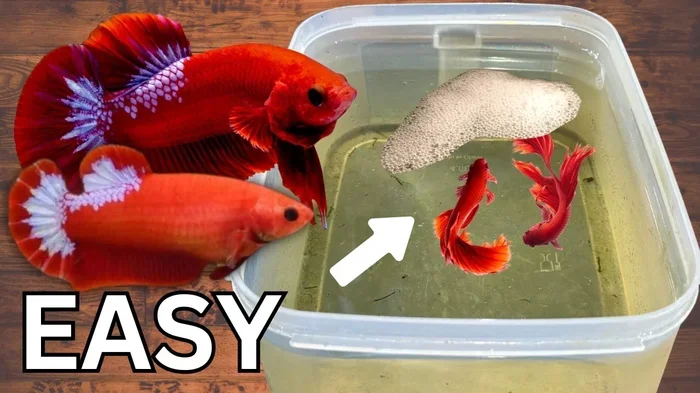
Before you start, it helps to understand a few basics. Betta fish are also called Siamese fighting fish. Males build bubble nests on the water surface to hold eggs. The female releases eggs, and the male fertilizes them. Then the male takes care of the eggs until they hatch. Knowing this process makes everything easier to follow.
Key Takeaways
- Right Setup Matters: A dedicated breeding tank with warm water and gentle filtration gives betta fish the best chance of success.
- Fish Health Is Key: Both the male and female need to be healthy, well-fed, and stress-free before breeding.
- Bubble Nests Are Normal: Male bettas build bubble nests to hold eggs, and this is a great sign they are ready to breed.
- Fry Need Special Care: Baby betta fish need tiny food and clean water to grow strong in their first weeks.
- Patience Pays Off: The breeding process takes time, and not every attempt will succeed. Stay consistent and learn from each try.
📑 Table of Contents
Understanding Betta Fish Breeding Basics
Betta fish breeding is a natural process, but you need to create the right conditions. In the wild, bettas breed in warm, shallow waters. Your job is to mimic that environment in your home aquarium. Let us look at what you need to know first.
How Betta Fish Mate
The mating process starts with courtship. The male builds a bubble nest at the surface. He then wraps his body around the female to prompt her to release eggs. This is called the “spawning embrace.” It may look intense, but it is completely normal. The male collects the eggs and places them in the bubble nest.
Not all betta fish will breed on the first try. Some pairs need a few attempts. This is perfectly fine. The key is to keep the fish calm and healthy throughout the process. If you want to learn more about keeping your fish in good shape, check out how to make your betta fish stronger for helpful tips.
Signs Your Betta Fish Are Ready to Breed
How do you know your fish are ready? Here are the main signs to watch for:
- The male builds a bubble nest at the water surface.
- The female develops a white egg spot on her underside.
- Both fish show active swimming and healthy appetites.
- The female’s body becomes rounder with visible eggs inside.
- The male flares at the female in a playful, not aggressive, way.
If you notice these signs, your fish are likely ready. But do not rush the process. Give them a few days to adjust to the breeding setup before introducing them.
Setting Up the Perfect Breeding Tank
A proper breeding tank makes all the difference. You do not want to use your main display tank for this. A separate tank keeps both the adult fish and the fry safe. Let us walk through the setup step by step.
Tank Size and Shape
A 10-gallon tank works well for breeding bettas. It is big enough for the fish to move around but small enough to keep the water conditions stable. Avoid tanks with strong water flow. Betta fish prefer gentle currents. If your tank has a filter, use one with a sponge to soften the flow.
For more help getting the water just right, see how to make water for betta fish. Clean, properly conditioned water is the foundation of a successful breeding setup.
Water Temperature and Conditions
Warm water is essential for betta breeding. Keep the temperature between 78 and 82 degrees Fahrenheit. Use a reliable heater to maintain a steady temperature. Sudden drops or spikes can stress the fish and kill the eggs.
Here are the ideal water parameters for a breeding tank:
- Temperature: 78 to 82 degrees Fahrenheit
- pH Level: 6.5 to 7.0
- Water Hardness: Soft to moderately hard
- Ammonia: 0 ppm
- Nitrite: 0 ppm
- Nitrate: Below 20 ppm
Use a test kit to check these levels regularly. Stable water conditions reduce stress and boost the chances of successful breeding.
Adding Plants and Hiding Spots
Add soft-leaved plants like java moss or floating plants. These give the female a place to hide if the male becomes too aggressive. Floating plants also help the male build a better bubble nest. Keep the tank lightly planted but not overcrowded.
Choosing the Right Breeding Pair
Not every pair of betta fish will breed successfully. You need healthy, mature fish with good genetics. Here is how to choose the right pair.
Age and Size Matters
Both the male and female should be at least 4 to 6 months old. They should be full-sized and vibrant in color. Avoid breeding fish that are too young or too old. Fish under 4 months may not be fully developed, and older fish may have lower fertility.
If you want to know more about keeping your betta fish in top condition, read how to make your betta fish happy. A happy fish is a healthy fish, and healthy fish breed better.
Color and Fin Quality
Choose a male and female with bright colors and flowing fins. This increases the chances of producing beautiful offspring. Some popular breeding colors include blue, red, crown tail, and halfmoon. Do not breed fish with visible signs of illness or damage.
Where to Get Your Breeding Pair
You can buy breeding pairs from reputable breeders or local fish stores. Look for fish that are active, alert, and free from disease. Avoid fish from tanks with sick animals. A clean, well-maintained source gives you a much better start.
Feeding Your Betta Fish for Breeding Success
Nutrition plays a huge role in getting betta fish to breed. Both the male and female need high-quality food to produce healthy eggs and sperm. A poor diet leads to weak fry or failed breeding attempts.
Best Foods for Breeding Betta Fish
Feed your breeding pair a varied diet. This ensures they get all the nutrients they need. Here are the best food options:
- Live or frozen brine shrimp — rich in protein and great for conditioning
- Bloodworms — a favorite treat that boosts energy
- Daphnia — excellent for digestive health and egg production
- High-quality betta pellets — a staple for daily feeding
- Mosquito larvae — a natural food source that triggers breeding behavior
For more ideas on preparing meals at home, check out how to make betta fish food at home. Homemade food can be a great supplement when done safely.
Conditioning the Breeding Pair
Start conditioning the pair 1 to 2 weeks before introducing them to the breeding tank. Feed them 2 to 3 times a day with rich, protein-heavy foods. This helps the female produce quality eggs and the male build a strong bubble nest. Keep the water warm and clean during this phase.
The Breeding Process Step by Step
Now that your fish are healthy and the tank is ready, it is time to breed them. Follow these steps carefully for the best results.
Step 1: Introduce the Pair Slowly
Place the female in a clear container inside the breeding tank first. Let the male see her through the glass for 1 to 2 days. This allows them to get used to each other without direct contact. Watch for signs of interest, like the male building a bigger bubble nest.
Step 2: Release the Female
After the acclimation period, release the female into the breeding tank. Watch them closely for the first few hours. Some chasing is normal, but if the male bites or injures the female, separate them immediately. You do not want to risk harming either fish.
Step 3: Watch for Spawning
When the pair is ready, the male will wrap his body around the female. She will release eggs, and he will fertilize them right away. The male will then collect the eggs and place them in the bubble nest. This process may repeat several times over a few hours.
Step 4: Remove the Female After Spawning
Once the female has released all her eggs, remove her from the tank. The male will become protective of the eggs and may attack the female if she stays. Use a soft net to transfer her back to her regular tank. Be gentle and quick to reduce stress.
Step 5: Care for the Eggs and Fry
The male will guard the bubble nest and the eggs for 24 to 48 hours until they hatch. Do not disturb the tank during this time. Once the fry are free-swimming, remove the male carefully. He may eat the fry if left too long.
For more information on how many babies bettas can have, check out how many babies do betta fish have. This helps you prepare for the number of fry you will need to care for.
Caring for Betta Fish Fry
Newborn betta fry are tiny and fragile. They need special care to survive the first few weeks. Do not worry — with the right approach, you can raise healthy young fish successfully.
Feeding Newborn Fry
Fry cannot eat regular betta food. They need very small, live foods. Here is what to feed them in order:
- Infusoria or liquid fry food — for the first 3 to 5 days
- Baby brine shrimp — after the first week
- Crushed betta pellets — once they are a few weeks old
Feed the fry small amounts 3 to 4 times a day. Remove any uneaten food immediately to keep the water clean. Dirty water is the number one killer of young fry.
Water Changes for Fry Tanks
Perform small water changes every day or every other day. Use a turkey baster to remove debris without sucking up the tiny fry. Keep the water temperature stable at around 80 degrees Fahrenheit. Gradually increase the water temperature as the fry grow.
When to Separate Fry by Size
As the fry grow, some will outpace others. Separate them by size to prevent larger fry from eating smaller ones. Use small containers or divided tanks to give each group enough space and food.
Common Mistakes to Avoid When Breeding Betta Fish
Even experienced fish keepers make mistakes. Here are the most common ones and how to avoid them.
- Skipping the conditioning phase. Unconditioned fish produce fewer eggs and weaker fry.
- Using a tank that is too big. A large tank makes it hard for the male to find and collect eggs.
- Keeping the female too long. The male may injure or kill the female if she stays after spawning.
- Neglecting water quality. Dirty water causes egg fungus and kills fry quickly.
- Feeding fry the wrong food. Too-big food leads to starvation. Always match the food size to the fry.
Final Thoughts
Learning how to make betta fish have babies takes patience, preparation, and care. From setting up the right breeding tank to feeding your fry properly, every step matters. Start with healthy fish, keep the water clean and warm, and give your pair time to adjust. Not every breeding attempt will be perfect, and that is okay. Each experience teaches you something new. Stay consistent, watch your fish closely, and enjoy the process. With the right approach, you will soon have a thriving batch of betta fry swimming in your tank.
Remember, breeding betta fish is a journey. Celebrate the small wins along the way. Whether you are raising your first batch or your fifth, every successful spawn is a reward for your hard work. Good luck, and happy breeding!
Frequently Asked Questions
How long does it take for betta fish eggs to hatch?
Betta fish eggs typically hatch within 24 to 48 hours after the male fertilizes them. The male will keep them in the bubble nest during this time. Once hatched, the fry will stay attached to the nest for another day or two before becoming free-swimming.
Can I breed betta fish in my main aquarium?
It is not recommended. Breeding in a main tank puts both the adult fish and the fry at risk. The male may become aggressive, and other tank mates might eat the eggs or fry. A separate breeding tank gives you much better control over the process and the safety of all the fish involved.
How many babies do betta fish usually have?
A healthy female betta can produce between 30 and 100 eggs per spawn, though not all will survive. The number of fry that make it to adulthood depends on water quality, feeding, and care. For more details, you can explore how many babies betta fish actually have in our detailed guide.
What should I feed betta fry in the first week?
In the first week, feed betta fry infusoria or liquid fry food. These are tiny enough for their small mouths. After about 5 to 7 days, you can gradually introduce baby brine shrimp, which provides excellent protein for growing fry.
Do I need to remove the male betta after the eggs hatch?
Yes. Once the fry become free-swimming, remove the male carefully. Male bettas may eat their own fry if left in the tank too long. Use a soft net and transfer him gently back to his regular tank to avoid stressing him out.
Can betta fish breed in a bowl?
While bettas can live in bowls, breeding in a bowl is not ideal. A bowl lacks the space, filtration, and water stability needed for successful breeding. A 10-gallon breeding tank with a heater and gentle filter gives the best results for both the adult fish and the fry.