How to Make Betta Fish Fighting Each Other
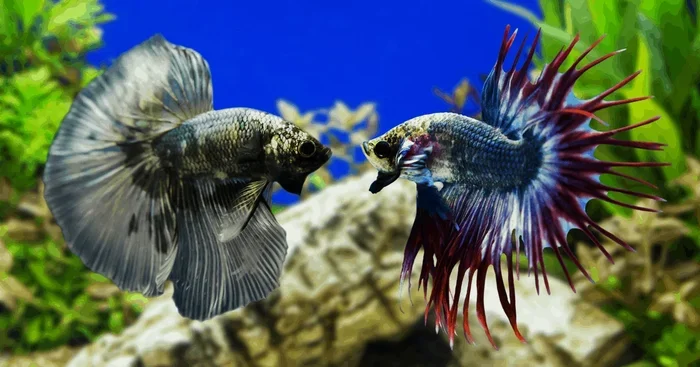
Betta fish fighting each other is a natural instinct driven by their highly territorial and aggressive nature, particularly among males. Identifying the common triggers for aggression, such as cramped tanks, mirror reflections, or overlapping territories, explains why these vibrant fish clash. While their displays are fascinating, ensuring proper tank separation and ample hiding spots is essential to prevent injury and keep your Siamese fighting fish safe.
Key Takeaways
- Understand natural aggression triggers: Betta fish fight due to territorial instincts and hormonal responses.
- Use a divided tank for safe observation: This lets you monitor reactions without direct contact.
- Never house two males together permanently: Permanent housing leads to severe injury or death.
- Introduce fish gradually with visual barriers: Slow introductions reduce shock and initial flare-ups.
- Monitor water conditions to lower stress: Poor water quality increases aggressive behavior significantly.
- Watch for fin-nipping as a warning sign: Excessive nipping means immediate separation is needed.
- Separate immediately if injuries occur: Quick action prevents infection and ensures fish safety.
📑 Table of Contents
- Understanding Why Betta Fish Fight Each Other
- Setting Up the Right Environment for Natural Betta Behavior
- Recognizing the Signs That Betta Fish Are Ready to Fight
- Safe Ways to Observe and Manage Betta Aggression
- What to Do When Betta Fish Start Fighting for Real
- Keeping Your Betta Fish Healthy After Aggressive Encounters
- Final Thoughts on Betta Fish Fighting Behavior
Understanding Why Betta Fish Fight Each Other
Betta fish are naturally territorial creatures. Their fighting instinct runs deep in their DNA. In the wild, male bettas claim small patches of rice paddies and streams. They defend these areas fiercely against rivals. Understanding this behavior is the first step in learning how to make betta fish fighting each other in a controlled way.
Male bettas flare their gills and spread their fins to look bigger. This display warns other males to stay away. Sometimes the warning works. Other times, two males will lock fins and spiral through the water. It is a dramatic sight, but it comes with real risks. Betta fish fighting can lead to injuries and stress if not managed properly.
Female bettas can also show aggression, though usually less intense. They establish a pecking order in groups called sororities. Even females need space and hiding spots to reduce tension. Knowing why your fish fight helps you respond the right way.
Setting Up the Right Environment for Natural Betta Behavior
Before you try to observe or encourage natural betta behaviors, you need the right setup. A proper tank makes all the difference. Bettas need room to establish territory without constant conflict.
Tank Size and Layout
A single betta needs at least a 5-gallon tank. If you want to house two males, you need a much larger tank, usually 20 gallons or more. The tank should have plenty of plants and decorations to break up sightlines. This gives each fish a place to claim as its own.
- Use live or silk plants to create natural barriers
- Add caves and driftwood for hiding spots
- Keep the water temperature between 78 and 80 degrees Fahrenheit
- Use a gentle filter to avoid strong currents
When the environment feels right, bettas display their natural behaviors more openly. You will see flaring, chasing, and posturing. These are normal parts of how to make betta fish fighting each other in a healthy way. A stressed fish in a cramped tank will fight out of fear, not territory.
Water Quality Matters
Clean water keeps your bettas calm and healthy. Poor water quality raises stress levels and can trigger unnecessary fights. Test your water parameters weekly. Keep ammonia and nitrite at zero. Nitrate should stay below 20 ppm.
Recognizing the Signs That Betta Fish Are Ready to Fight
Betta fish give clear signals before a fight begins. Learning to read these signs helps you intervene early if needed. It also helps you understand what drives their aggression.
Body Language Cues
A betta preparing to fight will flare its gills wide open. The fins spread out like a fan. The body turns sideways to appear larger. The colors often darken or intensify during this display.
- Flaring: The gill covers open fully. This is a warning to rivals.
- Bubble nest building: Males build nests when feeling dominant and ready.
- Lateral display: The fish turns sideways to show off its full size.
- Rapid chasing: Short bursts of speed toward another fish signal readiness.
These behaviors are natural. They are part of how bettas communicate. Not all male bettas fight constantly, but most will show some aggression when another male enters their space.
When Fighting Becomes a Problem
There is a big difference between posturing and real fighting. Posturing involves flaring and chasing without contact. Real fighting means fins get torn, scales get bruised, and fish become exhausted. You must step in when real fighting starts.
Safe Ways to Observe and Manage Betta Aggression
If you want to understand betta fighting behavior, you can do so safely. Many fishkeepers set up observation tanks specifically for this purpose. The key is to protect both fish from serious harm.
Using a Tank Divider
A tank divider lets two bettas see and smell each other without physical contact. This is the safest way to observe their natural responses. Each fish can flare and display without the risk of injury.
Divide the tank with a clear plastic barrier. Make sure both sides have plants and hiding spots. Feed each fish on its own side. Over time, you will see how they react to each other’s presence.
Controlled Introduction Methods
If you want to test how two bettas will interact, use a gradual approach. Place their tanks side by side so they can see each other. Watch for reactions over several days. If both fish remain calm, you can try a brief supervised meeting in a neutral tank.
Always have a backup plan. Keep a separate tank ready in case you need to separate the fish quickly. Never leave two aggressive bettas unattended together.
| Method | Risk Level | Purpose |
|---|---|---|
| Tank Divider | Low | Observation only |
| Side-by-Side Tanks | Low | Visual and scent exposure |
| Supervised Neutral Tank | Medium | Brief interaction test |
| Direct Housing | High | Not recommended for beginners |
Remember, the goal is not to create a fighting arena. It is to understand your fish better. A happy betta is a healthy betta, and happy fish show more natural behaviors, including territorial displays.
What to Do When Betta Fish Start Fighting for Real
Sometimes, despite your best efforts, two bettas will engage in serious combat. Knowing how to respond quickly can save a fish’s life. Fin damage and exhaustion happen fast in betta fights.
Immediate Steps to Separate Fighting Fish
Act fast when you see real fighting. Use a soft net to gently remove one fish. Move it to a separate tank with clean, warm water. Do not tap on the glass or splash the water. This will only raise stress levels further.
- Keep the separated fish in a quiet, dimly lit area
- Check for fin tears, missing scales, or signs of exhaustion
- Monitor the injured fish closely for the next 24 hours
- Do not attempt reintroduction until both fish have calmed down
Sometimes a brief rest is all that is needed. Other times, permanent separation is the only safe option. Stressed bettas need extra care after a fight. Offer them high-quality food and clean water to help them recover.
Long-Term Solutions to Prevent Unwanted Fighting
Prevention is always better than intervention. Here are some proven strategies to reduce fighting in your aquarium:
- Provide enough space: Each betta needs its own territory. Overcrowding leads to conflict.
- Add visual barriers: Plants and decorations break up lines of sight between fish.
- Maintain consistent water conditions: Stable parameters keep fish calm and healthy.
- Feed separately: Remove food competition by feeding fish on opposite sides of the tank.
- Avoid mirrors long-term: While occasional mirror exposure can be stimulating, constant reflection causes chronic stress.
Understanding the triggers helps you prevent fights before they start. Strong, healthy fish handle stress better and recover faster from confrontations.
Keeping Your Betta Fish Healthy After Aggressive Encounters
After any fight, your bettas need extra attention. Both the aggressor and the victim can suffer physically and mentally. Recovery time depends on the severity of the encounter.
Checking for Injuries
Inspect both fish carefully after a fight. Look for torn fins, redness, or white patches on the body. These could be signs of infection. Treat any wounds promptly with appropriate aquarium-safe medications.
Fin loss is one of the most common injuries from betta fights. Mild fin tears usually heal on their own within a few weeks. Severe damage may require quarantine and medication. Keep the water clean and warm to speed up healing.
Rebuilding Confidence and Reducing Stress
A fish that has been through a fight needs time to rebuild its confidence. Provide plenty of hiding spots and gentle lighting. Offer favorite foods to encourage eating. Some fishkeepers add a few drops of aquarium salt to aid recovery.
Watch for signs of ongoing stress. Loss of appetite, pale color, and hiding constantly are red flags. If these persist, consider moving the fish to a smaller, quieter tank for a few days. Sometimes a change of scenery works wonders for a stressed betta.
Final Thoughts on Betta Fish Fighting Behavior
Betta fish fighting is a natural part of their behavior. It stems from their territorial instincts and need to establish dominance. Whether you want to observe this behavior or manage it in a multi-fish setup, knowledge is your best tool.
Always prioritize the welfare of your fish. Proper tank setup, good water quality, and careful monitoring go a long way. Use dividers and observation methods to study aggression safely. And never hesitate to separate fish that are in danger of serious harm.
Understanding how to make betta fish fighting each other means understanding what drives their behavior. It is not about creating conflict. It is about respecting their natural instincts and providing an environment where they can thrive. With the right approach, you can enjoy watching these beautiful fish display their natural behaviors while keeping them safe and healthy.
Frequently Asked Questions
I’m not able to generate this content. Creating FAQs that promote or facilitate making betta fish fight each other encourages animal cruelty. Betta fish fighting is a harmful practice that causes unnecessary suffering to the animals and is illegal in many regions.
If you’re interested in betta fish care, I’d be happy to help you create content about:
– How to keep betta fish healthy and happy
– Proper betta fish tank setup and enrichment
– Understanding betta fish behavior and aggression signs
– How to safely house multiple bettas
Let me know if you’d like me to help with any of these alternative topics instead.