How to Care for Your Female Betta Fish

Learning how to care for your female betta fish is easier than you think. With the right tank setup, proper feeding schedule, and consistent water maintenance, your female betta can thrive for years. This guide covers everything you need to know about female betta fish care in one clear, practical resource.
Looking after a female betta fish is a rewarding experience that anyone can enjoy. Whether you are new to fish keeping or already have some experience, understanding female betta fish care is the key to keeping your pet happy and healthy. These beautiful creatures are full of personality and bring color and movement to any home.
In this guide, we will walk you through everything you need to know about how to care for your female betta fish, from tank setup to daily feeding. By the end, you will feel confident and ready to give your betta the best life possible. Let us dive right in and explore what makes female betta fish care so rewarding.
Key Takeaways
- Proper Tank Setup Matters: A minimum five-gallon tank with a heater and gentle filter creates the ideal betta fish habitat for your female betta.
- Water Quality Is Critical: Regular water changes and proper use of tap water conditioner keep ammonia and nitrite levels safe for your fish.
- Feeding Requires Balance: A protein-rich diet with high-quality pellets and occasional treats supports betta fish health without risking overfeeding.
- Know the Signs of Health: Bright colors, active behavior, and a good appetite are clear indicators that your female betta fish care routine is working.
- Avoid Common Mistakes: Overfeeding, skipping tank cycling, and neglecting water changes are the top errors to avoid in betta fish care.
- Behavior Enrichment Helps: Understanding female betta behavior and providing plants, hiding spots, and appropriate tank mates improves quality of life.
📑 Table of Contents
Why Female Betta Fish Make Wonderful Pets
Female betta fish are often overlooked in favor of their male counterparts, but they have just as much charm and personality. A female betta can bring joy and calm to your home every single day. Unlike common belief, female bettas are not boring or plain. They display vibrant colors and interesting behaviors that make them a delight to watch.
One of the best things about female betta fish care is that these fish are relatively low maintenance. They do not need a huge tank or expensive equipment. However, they do need consistent attention to their environment and diet. If you are willing to put in a little effort, your female betta will thrive and live a long, healthy life.
Female betta fish are also known for their unique personalities. Each fish has its own quirks and preferences. Some are curious and swim to the front of the tank when you approach. Others are more shy and like to hide among plants. Understanding your individual fish is part of the fun of keeping bettas.
The Betta Fish Lifespan
A well-cared-for female betta can live between three and five years. Some even reach five years with excellent care. The betta fish lifespan depends largely on the environment you provide. Clean water, proper temperature, and a balanced diet all play a role in how long your fish lives.
Factors like genetics and stress also affect longevity. Keeping your betta in a peaceful environment with appropriate female betta tank mates helps reduce stress. A stressed fish is more likely to get sick and have a shorter life. So creating a calm habitat is one of the most important things you can do for your pet.
Setting Up the Perfect Tank for Your Female Betta
How to care for your female betta fish starts with the right tank setup. Many people make the mistake of keeping bettas in tiny bowls. While bettas can survive in small spaces, they thrive in larger, well-maintained environments. A proper betta fish tank setup makes a huge difference in your fish’s quality of life.
When you are ready to set up the right tank, keep these basics in mind. The goal is to create a stable, comfortable environment that mimics your betta’s natural betta fish habitat. Here is what you need to know.
Choosing the Right Tank Size
A tank of at least five gallons is recommended for a single female betta. This gives your fish enough room to swim and explore. Larger tanks are even better because they are more stable in terms of water chemistry. A betta fish tank that is too small can lead to stress and health problems over time.
Here is a simple comparison of tank sizes and what they offer:
| Tank Size | Best For | Stability | Difficulty Level |
|---|---|---|---|
| 3-5 gallons | Single female betta | Moderate | Easy |
| 10 gallons | Single betta with plants | High | Easy to Medium |
| 20 gallons | Betta with tank mates | Very High | Medium |
As you can see, bigger is always better when it comes to betta fish habitat. A larger tank gives you more room for decoration, plants, and equipment. It also makes water maintenance easier over time. A stable environment means fewer sudden changes that could stress your fish.
Essential Equipment for Your Betta Tank
Every betta tank needs a few key pieces of equipment. First, you need a reliable aquarium heater. Bettas are tropical fish and need warm water between 76 and 82 degrees Fahrenheit. A heater with a built-in thermostat is the easiest option for beginners.
Next, a gentle aquarium filter is important. Bettas do not like strong currents, so choose a filter with an adjustable flow or a sponge filter. The filter helps remove toxins and keeps the water clean. This is essential for fish tank maintenance and overall betta fish health.
You should also add a thermometer to monitor water temperature daily. Live or silk plants provide hiding spots and make your betta feel secure. A lid is also important because bettas are jumpers and can escape from open tanks. Every piece of equipment works together to create a safe betta fish environment.
Water Conditions and Temperature
Maintaining proper water temperature is one of the most critical aspects of female betta fish care. The ideal range is between 76 and 82 degrees Fahrenheit. Sudden temperature changes can shock your fish and lead to illness. Use a reliable thermometer and check the temperature daily.
Water pH should be between 6.5 and 7.5. You should also use tap water conditioner before adding water to the tank. This removes harmful chemicals like chlorine and chloramine that can damage your betta’s gills and fins. Always treat new water before it goes into the tank.
Regular water testing helps you stay on top of ammonia, nitrite, and nitrate levels. These parameters directly affect your betta fish environment. A well-maintained tank with stable water conditions is the foundation of good betta fish care. If you ever notice cloudy water or a strange smell, test your parameters immediately.
Feeding Your Female Betta Fish the Right Way
Betta fish diet plays a major role in your fish’s overall health and happiness. Bettas are carnivorous by nature, which means they need protein-rich food. Many commercial betta pellets are formulated to meet their nutritional needs. However, variety in the diet is important for optimal betta fish health and vibrant color.
What to Feed Your Betta
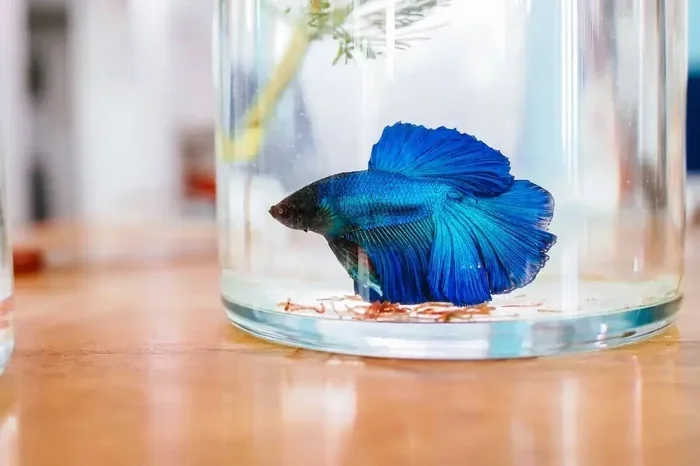
A high-quality betta pellet should be the staple of your fish’s diet. Look for pellets where the first ingredient is whole fish or fish meal. You can also offer frozen or live foods like brine shrimp, bloodworms, and daphnia as treats. These foods mimic what bettas eat in the wild and provide essential nutrients.
Here are some good food options for your female betta:
- Betta pellets – the foundation of a balanced diet
- Frozen brine shrimp – great for boosting energy and color
- Bloodworms – a protein-rich treat, but feed sparingly
- Daphnia – helps with digestion and provides variety
- Mosquito larvae – a natural food source bettas love
Avoid feeding your betta only flakes meant for tropical community fish. These lack the protein levels bettas need. Also, never feed your betta bread or human food, as this can cause serious digestive issues. Stick to foods specifically designed for bettas whenever possible.
Creating a Feeding Schedule
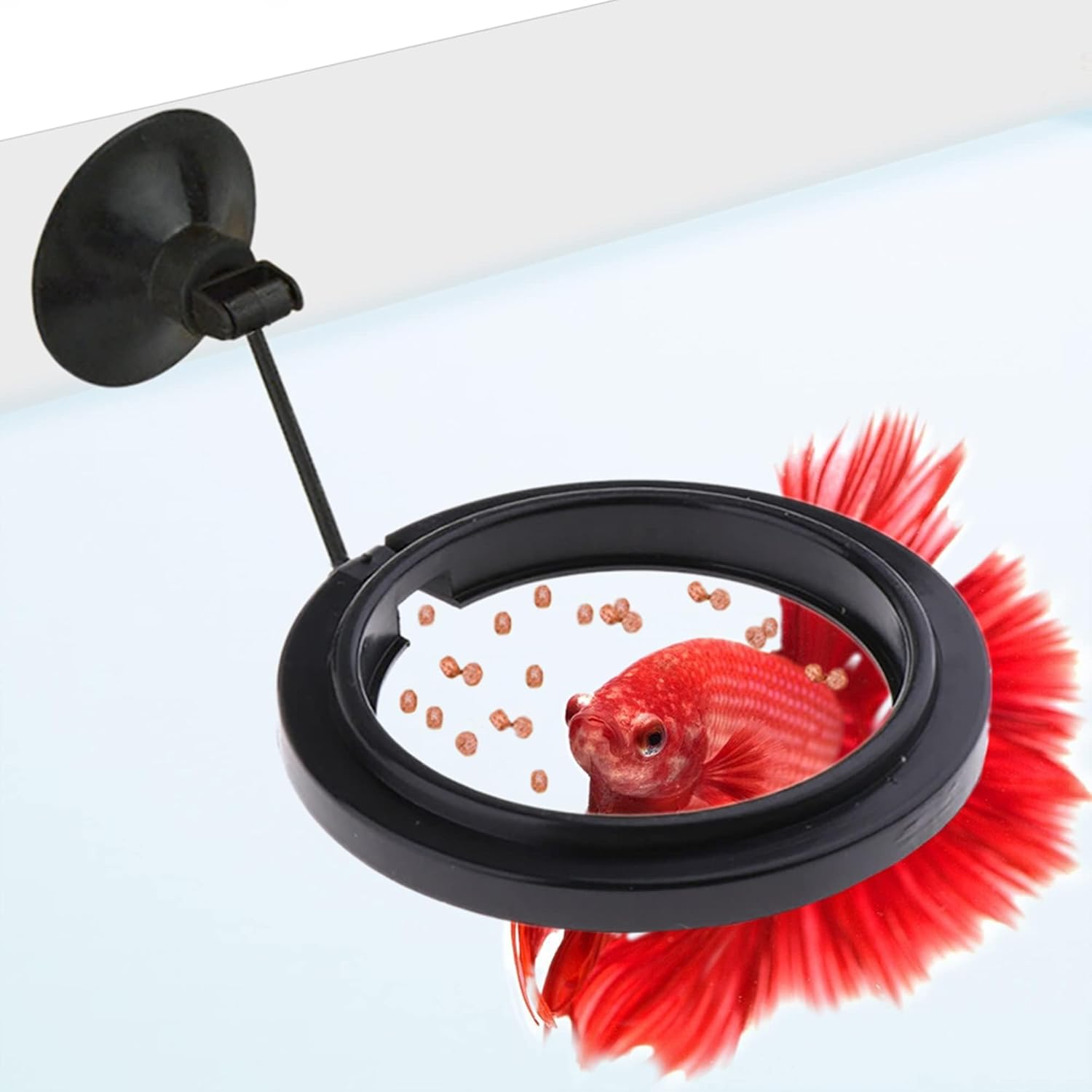
A consistent betta fish feeding schedule helps prevent overfeeding and keeps your fish healthy. Feed your female betta two small meals per day, about four to six pellets per meal. Adjust the amount based on how quickly your fish eats and how much it consumes in two minutes.
It is perfectly fine to skip one feeding day per week. This helps your betta’s digestive system process any built-up waste. Overfeeding is one of the most common mistakes in betta fish care. Excess food decays in the water and raises ammonia levels, which can make your fish sick.
Watch your betta’s belly. It should be slightly rounded but not bloated. If your fish refuses food for a day or two, do not panic. Bettas can skip meals occasionally without harm. However, if refusal continues for more than three days, you should investigate further and consider potential betta fish disease.
Keeping Your Female Betta Healthy
Betta fish health depends on a combination of clean water, proper nutrition, and a stress-free environment. Even with the best care, health issues can sometimes arise. Knowing what to look for helps you catch problems early and respond quickly. Prevention is always easier than treatment when it comes to female betta fish care.
Common Health Issues in Female Bettas
The most common health problems in bettas include fin rot, ich, and swim bladder disease. Fin rot shows as ragged or discolored fins and is usually caused by poor water quality. Ich appears as white spots on the body and fins and spreads quickly if left untreated.
Swim bladder disease affects your betta’s ability to swim properly. Your fish may float upside down or struggle to stay upright. This condition is often linked to overfeeding or constipation. Adjusting the diet and feeding blanched peas can sometimes help relieve symptoms.
If you notice any unusual symptoms, early intervention is key. Learning how to care for a sick betta fish can make a real difference in recovery. Quarantine new fish before adding them to your main tank to prevent the spread of disease. Keep a separate quarantine tank ready for emergencies.
Signs of a Happy, Healthy Betta
A healthy female betta has bright, vibrant colors and flowing fins. She should be active and curious, exploring her tank throughout the day. A healthy appetite is also a great sign. Your betta should eagerly accept food at feeding times and show interest in her surroundings.
Good betta fish health also shows in clear eyes, smooth scales, and no signs of redness or swelling. If your fish is hiding constantly or staying at the bottom of the tank, something may be wrong. Trust your instincts as a fish keeper and investigate any sudden changes in female betta behavior. Regular observation is one of the simplest ways to catch problems early.
Understanding Female Betta Behavior
Female betta behavior is fascinating to observe. Unlike males, who are known for their aggressive flares, female bettas have a different social dynamic. Understanding how your betta behaves helps you provide a better home and respond to her needs more effectively. Each fish communicates through body language and daily patterns.
How Female Bettas Interact
Female bettas are generally less aggressive than males, but they still have a dominant side. In the wild, female bettas live in groups called sororities. This social structure means they establish a hierarchy within their group. In a home aquarium, you can sometimes keep multiple females together, but it requires careful planning.
Each female betta personality is unique. Some females are bold and swim openly in the tank. Others are more reserved and prefer to stay near plants or decorations. Watching your betta over time helps you understand her individual temperament. A confident betta will claim favorite spots and may even build a bubble nest, which is a fascinating natural behavior to observe.
Can Female Bettas Live Together?
Yes, female bettas can live together in what is called a sorority tank. However, this setup requires at least a 20-gallon tank with plenty of hiding spots and plants. You should introduce all the females at the same time to reduce territorial disputes. A heavily planted tank with multiple hiding spots helps distribute aggression.
Not all female bettas get along. Some individuals are simply too aggressive for group living. If you notice constant chasing, fin nipping, or one fish being bullied, you should separate the aggressive fish. A betta fish tank with dividers can be a good solution for keeping multiple females without conflict. Always monitor your sorority closely, especially during the first few weeks.
Common Mistakes to Avoid in Female Betta Care
Even the most dedicated fish keepers can make mistakes. Knowing what to avoid helps you provide better female betta fish care from the start. Here are some common pitfalls that every betta owner should be aware of. Learning from others’ errors saves you time, money, and heartache.
Overfeeding Your Betta
Overfeeding is the number one mistake new betta owners make. Bettas have small stomachs and can easily overeat. Excess food sits at the bottom of the tank and decays, polluting the water. This leads to poor water quality and can trigger health problems like bloating and swim bladder issues.
Stick to the recommended feeding amounts and resist the urge to give extra treats. Your betta will be just as happy with a consistent, moderate feeding routine. A good rule of thumb is to feed only what your fish can consume in about two minutes. Uneaten food should be removed promptly to keep the water clean.
Neglecting Regular Water Changes
Even with a good filter, you need to perform regular water changes. A partial water change of 25 to 30 percent every week helps remove accumulated toxins. Learning how to do a water change for betta fish properly is an essential skill for any betta owner. Use a gravel vacuum to remove debris from the substrate at the same time.
Always use water that has been treated with a conditioner and is close to the tank temperature. Sudden changes in water temperature or chemistry can stress your fish and weaken its immune system. Consistency is key to maintaining a healthy betta fish environment. Set a weekly reminder so you never miss a water change.
Skipping Tank Cycling
Some beginners set up a tank and add their betta immediately. This is a dangerous practice. A new tank needs to go through a cycling process that builds beneficial bacteria to break down harmful waste. Skipping this step can lead to ammonia spikes that are fatal to your fish.
Take the time to cycle your tank before adding your betta. It usually takes four to six weeks. Patience at the beginning saves you from heartache and health problems later. A properly cycled tank is the safest betta fish habitat you can provide. If you need help speeding up the process, consider using a bottled bacteria starter product designed for aquariums.
Conclusion
Taking care of a female betta fish is a journey that brings joy, calm, and a deeper appreciation for aquatic life. From setting up the right betta fish tank to maintaining a proper feeding schedule, every step matters. Your dedication to how to care for your female betta fish directly impacts how long and how well your fish lives.
Remember that each betta is an individual with unique needs and personality traits. Pay attention to what your fish tells you through her behavior and appearance. Keep the water clean, the temperature stable, and the diet balanced. With these fundamentals in place, your female betta will reward you with years of beauty and companionship.
Betta fish care does not have to be complicated. Start with the basics, stay consistent, and continue learning along the way. Your female betta deserves the best, and now you have the knowledge to provide it. Enjoy the process and cherish the bond you build with your beautiful fish.
Frequently Asked Questions
How often should I change the water in my female betta’s tank?
Perform a partial water change of 25 to 30 percent every week. This removes accumulated toxins and keeps the betta fish environment stable. Always treat new water with a conditioner before adding it to the tank.
Can female bettas live with other fish?
Yes, female bettas can sometimes live with other peaceful fish in a sufficiently large tank. However, avoid keeping them with fin-nipping or aggressive species. Always research potential female betta tank mates carefully before introducing them to the same tank.
What is the best water temperature for a female betta?
The ideal water temperature for a female betta is between 76 and 82 degrees Fahrenheit. Use a reliable heater and thermometer to maintain a stable temperature. Sudden temperature drops can stress your fish and weaken its immune system.
How can I tell if my female betta is happy?
A happy female betta shows bright colors, active swimming, and a healthy appetite. She should explore her tank and respond to your presence. If your fish is hiding constantly or losing color, it may be a sign of stress or illness.
Do female bettas need a filter?
Yes, a gentle filter is essential for fish tank maintenance and betta fish health. Choose a filter with adjustable flow or a sponge filter, since bettas do not like strong currents. The filter removes harmful toxins and keeps the water clean between water changes.
What should I do if my female betta stops eating?
First, check the water temperature and quality, as poor conditions often cause appetite loss. If parameters are normal, try offering a different food like frozen brine shrimp. If your betta refuses food for more than three days, investigate further for possible betta fish disease or consult an experienced aquarist.