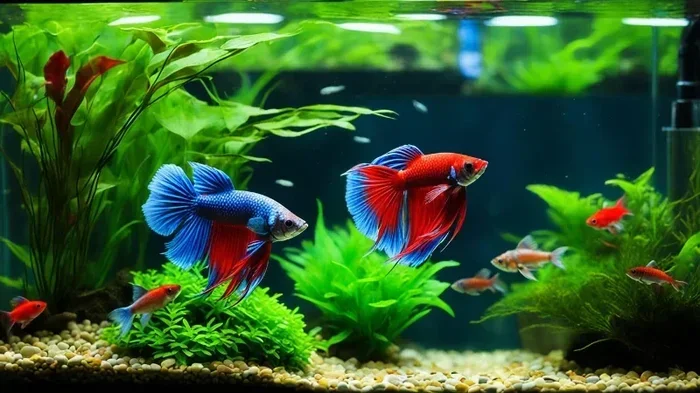
How Soon After Breeding Should You Separate Betta Fish

You should separate betta fish within 24 to 48 hours after breeding to protect the female from the male’s aggression. Male bettas can become territorial and may harm the female once spawning is complete. Proper separation ensures both fish recover and reduces stress during the healing process.
Breeding betta fish is exciting. You set up the tank, watch the pair bond, and see the bubble nest form. But once the spawning is over, things can change fast. One of the most important questions every betta breeder asks is: how soon after breeding should you separate betta fish?
The answer matters more than most new breeders realize. Leaving the male and female together too long after breeding can lead to serious injuries. The male betta may become aggressive and chase the female relentlessly. This stress can weaken her immune system and even threaten her life.
On the other hand, separating too early can disrupt the natural breeding process. The male needs time to guard the eggs and care for the fry. So timing is everything. In this guide, we walk you through exactly when and how to separate your bettas after breeding. We also cover what to watch for, how to set up a proper recovery tank, and common mistakes to avoid.
Whether you are a first-time breeder or have some experience, this article gives you the clear steps you need. Let us dive in.
Key Takeaways
- Separate within 24–48 hours: The male betta may turn aggressive toward the female once breeding is done.
- Watch for signs of stress: Torn fins, faded colors, and hiding behavior signal that separation is urgent.
- Set up a recovery tank: A clean, warm tank with gentle water flow helps both fish heal faster.
- Keep the male with the fry initially: The male betta guards the eggs and fry, so he should stay with them for a few days.
- Monitor water quality closely: Clean water prevents infections in both the breeding pair and the fry.
- Feed separately after reuniting: This reduces competition and lowers the risk of aggression.
- Know when to reintroduce: Wait at least one to two weeks before even thinking about placing them together again.
📑 Table of Contents
Why Separating Betta Fish After Breeding Is Critical
After breeding, betta fish behave very differently than they did before. The male’s job shifts from attracting the female to protecting the eggs and fry. But once the eggs hatch or if the spawning fails, the dynamic changes. The male may no longer see the female as a partner. Instead, he sees her as a threat or even as food.
Betta fish aggression after breeding is real and can be dangerous. Males have long, flowing fins that are easy targets for nipping. A stressed female can lose chunks of her fins within hours. Beyond physical harm, chronic stress weakens the fish’s body. It opens the door to bacterial infections, fin rot, and other diseases.
Understanding Betta Fish Behavior After Breeding
During the breeding process, the male and female work together. The male builds a bubble nest, flared his fins, and wrapped around the female to release eggs. This is a carefully choreographed dance. But once it ends, the female’s role is done from the male’s perspective.
The male will focus entirely on the eggs. He will pick up any eggs that fall and place them back in the nest. He becomes fiercely protective. If the female wanders too close, he may attack her. This behavior is natural, but it can be deadly if the female has nowhere to escape.
Some breeders notice the female becoming dull in color after breeding. This is a stress response. Others see the female hiding at the bottom of the tank or refusing to eat. These are all signs that betta fish care after breeding requires immediate action.
The Role of the Male Betta During Early Fry Stage
Here is something many beginners do not know. The male betta should actually stay with the eggs and fry for the first few days. He guards the bubble nest and retrieves any fry that fall out. This is a natural parenting behavior in bettas.
So the separation is not about removing the male from the tank entirely. It is about removing the female betta from the breeding tank. The male needs to remain with the eggs until they hatch and the fry become free-swimming. Once the fry are on their own, the male should also be removed to prevent him from eating them.
When Exactly Should You Separate the Female?
The ideal window for separation is within 24 to 48 hours after the breeding session ends. This gives the male enough time to collect and care for the eggs, but it removes the female before aggression escalates.
Signs That It Is Time to Separate
Watch for these clear signals that the female needs to go:
- The male chases the female: If you see the male flaring and nipping at the female, it is time to act.
- The female stops eating: A refusal to eat after breeding often means she is too stressed to stay.
- Visible fin damage: Torn or ragged fins on the female are a red flag.
- The female hides constantly: She may dart into corners or behind decorations to escape the male.
- The male ignores the eggs: If the male becomes distracted by attacking the female, he may neglect the eggs.
Do not wait for all of these signs to appear. Even one or two should prompt you to act quickly. The faster you separate the fish, the better the outcome for everyone involved.
What If the Breeding Was Unsuccessful?
Sometimes, breeding does not result in fertilized eggs. The female may release eggs that the male does not collect. In these cases, the male may become frustrated and aggressive. The female is at even greater risk because there are no eggs to distract the male’s attention.
If you notice the breeding was unsuccessful, remove the female immediately. Do not give the pair time to “figure it out.” The longer they stay together after a failed attempt, the higher the risk of injury.
How to Set Up a Proper Separation Tank
Separating the fish is only half the battle. You also need the right setup for the recovery tank. A poorly designed tank can cause more stress and undo your efforts.
Tank Size and Setup
A 5-gallon tank works well for the female’s recovery. Keep the water temperature between 78 and 80 degrees Fahrenheit. Use a gentle sponge filter to maintain water quality without creating strong currents. Bettas are weak swimmers, and a powerful filter can tire them out.
Add a few live plants or floating decorations. These give the fish places to hide and feel safe. Avoid sharp decorations that could tear the fins further.
Water Quality and Maintenance
Clean water is essential for healing. Test the ammonia, nitrite, and nitrate levels daily. Any spike in ammonia can cause serious health problems for a stressed fish.
Perform small water changes of about 20 percent every other day. This keeps the water fresh without shocking the fish. If you are unsure about water parameters, check out our guide on how often you should clean your betta fish bowl for more detailed tips on maintaining clean water.
Feeding the Female During Recovery
The female may not eat right away after separation. Offer small amounts of high-quality food. Frozen brine shrimp or bloodworms work well. Feed her twice a day in tiny portions. Remove any uneaten food after a few minutes to keep the water clean.
Once she starts eating normally, you can gradually increase the portion sizes. For more feeding guidance, visit our article on how often you should feed a betta fish to build a solid routine.
What to Do With the Male Betta and Fry
The male betta should stay in the breeding tank with the eggs and fry for the first three to five days. During this time, he will tend to the bubble nest and protect the developing fry. This is a fascinating process to watch.
Caring for Betta Fry
Once the fry are free-swimming, the male must be removed. Male bettas will eat their own fry if given the chance. This is not because they are malicious. It is simply because the fry look like small moving food to them.
Set up a separate fry tank with very fine mesh or sponge filter. Feed the fry infusoria or liquid fry food for the first week. Gradually introduce baby brine shrimp as they grow. Keeping the water immaculately clean is vital for fry survival.
When Can You Reintroduce the Female?
Wait at least one to two weeks before even thinking about placing the female back with the male. By this time, both fish should have recovered. The female’s fins should be regrowing, and her color should be returning.
Even then, reintroduction should be done carefully. Use a divided tank or a clear barrier so the fish can see each other without direct contact. Watch for any signs of aggression. If flaring and chasing resume, separate them again immediately.
For more advice on long-term betta care after breeding, our article on how do you care for a betta fish offers excellent tips on creating a healthy environment for your fish long-term.
Common Mistakes Breeders Make After Breeding
Even experienced breeders sometimes make mistakes during the post-breeding phase. Here are the most common ones and how to avoid them.
Waiting Too Long to Separate
This is the number one mistake. Many breeders think the pair should stay together “for the sake of the eggs.” But if the male starts attacking the female, the eggs are at risk too. A stressed female may also eat her own eggs out of panic. Removing her early protects everyone.
Using Too Small a Recovery Tank
A tiny bowl might seem convenient, but it causes stress. Poor water quality in a small tank can lead to infections and slow healing. A 5-gallon tank gives the female enough space to swim and recover comfortably.
Ignoring Water Parameters
Breeding puts a lot of strain on the water. Ammonia and nitrite levels can spike quickly. Many beginners forget to test the water daily. This oversight can lead to secondary infections in injured fish.
Feeding Too Much After Separation
It is tempting to overfeed a recovering fish to help her gain strength. But overfeeding fouls the water fast. Stick to small, frequent meals and remove leftovers promptly.
Expert Tips for a Smooth Post-Breeding Transition
Here are some pro tips that make the separation process smoother and safer for everyone involved.
- Have the recovery tank ready before breeding: Do not wait until after breeding to set up the separation tank. Preparation prevents panic.
- Use a flashlight at night: Males tend to the bubble nest in the dark. A dim flashlight lets you check on the eggs without disturbing the male too much.
- Keep the lights low: Bright lights increase stress. Use dim lighting or floating plants to soften the light in both tanks.
- Observe the fry daily: Look for healthy swimming behavior and steady growth. Remove any fry that appear weak or deformed to keep the tank clean.
- Quarantine if needed: If either fish shows signs of disease, isolate them in a quarantine tank right away. Check out our guide on how long to quarantine your betta fish after treatment for a detailed timeline.
Taking care of bettas after breeding requires patience and attention to detail. But the reward is worth it. Healthy parents and strong, thriving fry are the result of getting these steps right.
Final Thoughts
Knowing how soon after breeding should you separate betta fish is one of the most important skills a betta breeder can develop. The general rule is simple: separate the female within 24 to 48 hours after breeding. This protects her from the male’s post-breeding aggression and gives her a chance to recover in a calm, clean environment.
Remember to keep the male with the fry for the first few days, then remove him once the fry are free-swimming. Set up proper recovery tanks, monitor water quality, and feed both fish appropriately. Avoid the common mistakes that new breeders make, and follow the expert tips shared in this guide.
Betta fish breeding is a rewarding journey. But it comes with responsibility. By handling the post-breeding phase with care, you give your fish the best chance at a healthy, happy life. Apply what you learned here, and you will see the difference in your fish’s recovery and overall well-being.
Frequently Asked Questions
How soon after breeding should you separate the female betta fish?
You should separate the female within 24 to 48 hours after breeding. The male betta can become aggressive once the spawning is complete, and the female needs a safe, stress-free environment to recover. Acting quickly prevents injuries and supports her healing process.
Can you leave the male betta with the fry after breeding?
Yes, the male should stay with the eggs and fry for the first three to five days. He naturally guards the bubble nest and retrieves any fry that fall. However, once the fry become free-swimming, remove the male immediately because he may eat them.
What happens if you do not separate betta fish after breeding?
If you do not separate them, the male may chase and injure the female. Torn fins, stress, and weakened immunity are common outcomes. In severe cases, the female can die from injuries or secondary infections caused by constant harassment.
How do you know if the female betta is stressed after breeding?
Signs of stress include hiding at the bottom of the tank, refusing to eat, faded body color, and torn fins. If you notice any of these symptoms, separate the female immediately and check the water quality in her recovery tank.
What kind of tank setup is best for a recovering female betta?
A 5-gallon tank with a gentle sponge filter, warm water between 78 and 80 degrees Fahrenheit, and plenty of hiding spots works best. Keep the lighting dim and perform small water changes every other day to maintain clean, healthy water conditions.
When is it safe to reintroduce the female to the male after breeding?
Wait at least one to two weeks before attempting any reintroduction. Both fish should be fully recovered, with the female showing normal eating habits and regrowing fins. Even then, use a divided tank first and watch closely for signs of aggression.