How Resilient Are Betta Fish
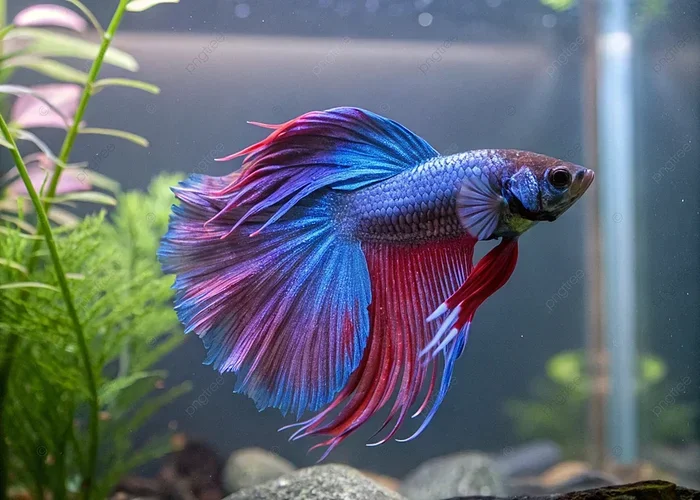
So, how resilient are betta fish? Bettas are surprisingly tough little creatures that can survive in harsh conditions, but they still need proper care to truly thrive. Understanding their resilience helps you give them the best life possible.
Key Takeaways
- Betta fish are naturally resilient: They can survive in low-oxygen water and small spaces, thanks to their unique labyrinth organ.
- Environment matters most: Clean water, proper temperature, and a good diet directly impact how resilient your betta stays over time.
- Stress weakens resilience fast: Poor tank conditions, aggressive tankmates, and inconsistent feeding can quickly drain your betta’s ability to bounce back.
- Regular care boosts survival: Routine water changes, quality food, and monitoring help your betta fish health stay strong.
- Watch for warning signs: Color fading, lethargy, and clamped fins are early signals that your betta is losing resilience.
- Recovery is possible: Even sick betta fish can recover when you address the root cause quickly.
📑 Table of Contents
- How Resilient Are Betta Fish? The Complete Guide to Their Toughness
- What Does It Mean for a Betta Fish to Be Resilient?
- The Natural Resilience of Betta Fish
- How Environment Affects Betta Fish Resilience
- Common Threats to Betta Fish Resilience
- How to Boost Your Betta Fish’s Resilience
- Signs Your Betta Fish Is Losing Resilience
- Expert Insights on Betta Fish Resilience
- Common Mistakes That Reduce Betta Fish Resilience
- Conclusion
How Resilient Are Betta Fish? The Complete Guide to Their Toughness
Betta fish are some of the most popular pets in the world. Their bright colors, flowing fins, and big personalities make them a favorite for fish keepers everywhere. But beyond their beauty, there is something truly remarkable about these little creatures. Many people wonder about how resilient are betta fish, and the answer might surprise you.
These fish have survived centuries in some of the toughest conditions. They can live in shallow puddles, survive low-oxygen water, and even recover from serious illnesses. But that does not mean they are invincible. Understanding betta fish resilience is key to keeping one happy and healthy for years to come.
In this guide, we will break down everything you need to know about betta fish hardiness. We will cover what makes them so tough, what threatens their resilience, and how you can help your betta live a strong, vibrant life.
What Does It Mean for a Betta Fish to Be Resilient?
Resilience means the ability to recover from tough situations. For betta fish, resilience shows up in many ways. It is about surviving poor water conditions, bouncing back from illness, and adapting to changes in their environment.
Betta fish resilience is not just about survival. It also includes how well they maintain their energy, color, appetite, and behavior when faced with challenges. A resilient betta stays active, eats well, and shows off its beautiful colors even when things around it are not perfect.
Why Betta Fish Have Built-In Toughness
Betta fish come from Southeast Asia. They originally lived in rice paddies, ponds, and slow-moving streams. These habitats were often warm, shallow, and low in oxygen. Over time, bettas developed special traits to handle these tough betta fish habitat conditions.
Their most famous adaptation is the labyrinth organ. This organ lets them breathe air directly from the surface. Unlike most fish, bettas do not rely entirely on dissolved oxygen in the water. This gives them a huge advantage when water quality drops or oxygen levels fall. It is one of the main reasons betta fish survival rates remain high even in less-than-ideal conditions.
The Natural Resilience of Betta Fish
So just how tough can betta fish really be? Let us look at some of the ways their natural hardiness stands out.
Surviving Low-Oxygen Water
Most fish would struggle or die in water with very little dissolved oxygen. Bettas, however, can simply swim up and gulp air. Their labyrinth organ processes that air and extracts oxygen directly. This ability makes them incredibly tough compared to other tropical fish. It also means they can tolerate smaller tanks better than many species, though a bigger tank is always better for long-term health.
Living in Small Spaces
You may have seen bettas kept in tiny cups or bowls. While this is not ideal, bettas can physically survive in small containers for a while. Their compact body size and air-breathing ability help them cope. But here is the important part: surviving in a small space and truly thriving in one are two very different things. A betta fish that lives in a proper tank with clean water and room to swim will be far healthier and more resilient over time.
Handling Temperature Fluctuations
Betta fish prefer warm water between 76 and 82 degrees Fahrenheit. But they can tolerate small temperature shifts without immediate harm. Their betta fish immune system stays strong as long as changes are gradual. Sudden temperature drops, however, can be dangerous and quickly reduce their resilience.
Fighting Through Illness
Bettas are known to recover from common diseases like fin rot, mild fungal infections, and parasites. When caught early and treated properly, many sick betta fish bounce back to full health. Their natural toughness gives them a fighting edge. Still, ignoring symptoms or delaying treatment can turn a minor issue into something fatal. That is why knowing how to support betta fish recovery is so important for every owner.
How Environment Affects Betta Fish Resilience
Even the toughest fish can be weakened by a bad environment. The same goes for bettas. Their resilience depends heavily on the conditions you provide. Let us look at the biggest factors.
Water Quality and Filtration
Clean water is the single most important factor in betta fish care. Ammonia, nitrite, and nitrate buildup can stress your fish and slowly break down its resilience. Even small amounts of these toxins can cause long-term harm. A good filter helps keep the water safe and stable.
Not all filters are equal, though. Some are too strong for a betta tank and create currents that tire your fish out. If you are unsure what to use, check out our guide on are water filters necessary for betta fish to learn what works best for your setup.
Temperature Stability
Bettas are tropical fish. They need warm, stable water. Cold water slows their metabolism and weakens their immune response. A reliable heater is a must for any betta tank. Keeping the temperature steady helps your betta fish health remain strong and supports their natural ability to recover from stress.
Tank Size and Space
A bigger tank gives your betta more room to swim and explore. It also makes it easier to maintain stable water conditions. Small tanks fluctuate in temperature and chemistry faster, which puts stress on your fish. A 5-gallon tank or larger is ideal for giving your betta the space and stability it needs to stay resilient.
Tank Mates and Social Stress
Bettas are known for being territorial. Keeping them with aggressive fish or even overly curious tankmates can cause constant stress. Stress is one of the fastest ways to reduce betta fish resilience. If you want to add companions, choose carefully. Our articles on are there other fish that can go with a betta and are snails good with betta fish offer great guidance on choosing safe companions that won’t cause unnecessary stress.
Common Threats to Betta Fish Resilience
Even healthy bettas face real dangers. Knowing these threats helps you protect your fish before problems start.
Poor Nutrition
Feeding your betta the wrong food or not often enough hurts its resilience over time. Bettas are carnivores. They need high-protein diets with quality ingredients. Flake food alone is often not enough.
How often should you feed your betta? Most experts recommend two small meals per day. You can also skip one day per week to let their digestive system rest. For more details, read our guide on how often are you supposed to feed betta fish for practical feeding schedules and tips.
Inconsistent Water Changes
Skipping water changes lets toxins build up. This weakens your betta’s ability to fight off disease. A regular maintenance schedule is essential. Aim for a 25 to 50 percent water change every one to two weeks, depending on your tank size and filtration setup.
Ignoring Early Warning Signs
Many betta fish owners miss early signs of trouble. By the time they notice something is wrong, the fish is already in serious decline. Learning to spot trouble early is one of the best ways to protect your betta’s resilience.
Sudden Environmental Changes
Moving the tank, changing decorations, or introducing new fish all create stress. Even rearranging rocks can unsettle your betta. Always make changes slowly. Give your fish time to adjust to each new addition or modification to keep stress levels low and resilience high.
How to Boost Your Betta Fish’s Resilience
The good news is that you can actively strengthen your betta’s resilience. Here are practical steps every owner should take.
1. Provide a Proper Diet
Feed your betta high-quality pellets designed for bettas. Supplement with frozen or live foods like bloodworms and brine shrimp. Variety in their diet supports strong betta fish health and keeps them interested in eating. A well-fed betta is a resilient betta.
2. Keep Water Conditions Impeccable
Test your water regularly for ammonia, nitrite, and nitrate. Keep ammonia and nitrite at zero. Nitrate should stay below 20 parts per million. Use a gentle filter and perform consistent water changes. Clean water equals a strong fish.
3. Maintain Proper Temperature
Use a reliable aquarium heater with a thermostat. Keep water between 76 and 82 degrees Fahrenheit. Stable temperature supports betta fish immune system function and helps them stay active and colorful.
4. Give Them Enrichment
Bettas are curious and intelligent. They enjoy plants, caves, and gentle decorations. A stimulating environment reduces boredom and stress. This directly supports their mental and physical resilience. Live or silk plants are great choices because they soften the tank and make your betta feel secure.
5. Monitor Behavior Daily
Spend a few minutes each day watching your betta. Look for changes in appetite, swimming patterns, color, and energy level. Early detection of problems makes a huge difference in betta fish recovery outcomes. The sooner you act, the better the chances of a full bounce-back.
Quick Tips for a Resilient Betta
- Feed small amounts two times daily rather than one large meal.
- Always cycle your tank before adding your betta. Uncycled tanks are toxic.
- Use a heater even in warm rooms. Room temperature can drop unexpectedly.
- Avoid placing the tank near windows or drafts. Direct sunlight and cold air are harmful.
- Quarantine new plants or decorations before adding them to the tank. This prevents introducing parasites or contaminants.
Signs Your Betta Fish Is Losing Resilience
Even with the best care, sometimes a betta’s resilience drops. Recognizing the signs early gives you a chance to intervene before it is too late.
Color Fading
A healthy betta displays vibrant, rich colors. When colors start to fade, it often signals stress, illness, or poor water conditions. This is one of the first things alert owners notice. If your betta is losing color, check your water parameters immediately and look for other symptoms.
Lethargy and Hiding
Bettas are active fish. They explore, patrol their territory, and interact with their environment. A resilient betta stays curious. If your fish stops swimming, hides constantly, or seems uninterested in food, something is wrong. Lethargy is a clear sign that your betta fish health is declining.
Clamped Fins
Clamped fins, where the fins are held close to the body instead of spreading out, indicate discomfort or illness. This is different from a resting position. A resting betta may briefly hold its fins close, but clamping that lasts for hours is a red flag. It can point to parasites, infection, or environmental stress.
Loss of Appetite
Bettas are hungry fish. If yours refuses food for more than a day, it is a warning sign. Try offering favorite foods like frozen bloodworms to test their interest. Continued refusal means you need to investigate further. A hungry betta is usually a healthy betta.
Rapid Breathing or Gasping
While bettas can breathe air, rapid or labored breathing at the surface often means the water quality is poor or the fish is stressed. This is a critical sign. Test your water right away and consider a partial water change to improve conditions quickly.
Floating or Sinking Erratically
A betta that floats at the top or sinks to the bottom without control may have swim bladder issues. This condition can be treated if caught early. However, it can also signal serious internal problems. In some cases, you may need to check whether your betta is still alive and responsive. Our guide on do betta fish float when they are dead helps you understand what floating behavior really means and when to be concerned.
Expert Insights on Betta Fish Resilience
Experienced fish keepers agree that betta fish resilience is real but often misunderstood. Many people assume that because bettas are tough, they do not need much care. This is a risky mistake. The truth is that bettas thrive best when given proper conditions from the start.
One expert shared this advice: “The biggest mistake I see is owners treating bettas like low-maintenance pets. They buy a small cup and forget about them. Bettas deserve better, and when you give them proper care, their resilience truly shines through.” This highlights a critical point. Resilience is not a reason to neglect care. It is a reason to invest in good care and watch your fish truly flourish.
Another key insight from experienced breeders is that betta fish resilience is strongly tied to genetics. Fish from responsible breeders tend to be healthier and more robust. Pet store fish, especially those from mass breeding operations, may have weaker constitutions. If you are concerned about where your fish came from, you might find our article on are Walmart betta fish healthy helpful in understanding what to watch for when purchasing your next betta.
Common Mistakes That Reduce Betta Fish Resilience
Even well-meaning owners can make mistakes. Here are the most common ones that weaken betta fish resilience.
- Overcrowding the tank: Too many fish or too much decoration limits swimming space and increases toxin levels.
- Skipping water changes: Dirty water slowly poisons your fish and breaks down its immune defenses.
- Feeding too much: Overfeeding causes bloating, poor water quality, and digestive problems. This directly reduces betta fish recovery ability.
- Using the wrong heater: A heater without a thermostat can cause dangerous temperature swings.
- Ignoring behavioral changes: Small changes today become big problems tomorrow if not addressed.
- Keeping bettas in unfiltered bowls: While bettas can survive in bowls, they do not thrive. A proper tank with filtration is far better for long-term resilience.
Conclusion
So, how resilient are betta fish? The answer is clear. Bettas are naturally tough, adaptable, and built to survive. Their labyrinth organ, strong immune system, and ability to handle imperfect conditions make them some of the hardiest freshwater fish you can keep. But resilience is not a free pass to neglect. Your betta fish will truly thrive when you give it clean water, proper temperature, quality food, and a stress-free environment.
Every choice you make as a betta fish owner impacts your fish’s resilience. From feeding habits to water maintenance, each detail matters. The good news is that small improvements lead to big results. Even one or two changes can noticeably boost your betta’s health and happiness. Apply what you have learned here, watch your betta flourish, and enjoy the rewarding experience of keeping one of nature’s most colorful and resilient creatures.
Frequently Asked Questions
How resilient are betta fish compared to other tropical fish?
Betta fish are among the most resilient freshwater fish. Their labyrinth organ and strong immune system give them an edge over many tropical species. However, they still need proper care to stay healthy long-term.
Can a betta fish survive without a filter?
Technically, yes. Bettas can survive without a filter because they breathe air at the surface. But a filter greatly improves water quality and reduces stress on your fish. Using a gentle filter is highly recommended for long-term betta fish health.
How long can a betta fish go without food before losing resilience?
A healthy betta can go up to two weeks without food without permanent damage. However, their resilience drops during this time. It is best to feed them regularly. For a consistent schedule, check out our guide on how often are you supposed to feed betta fish.
What is the biggest threat to a betta fish’s resilience?
Poor water quality is the single biggest threat. Ammonia and nitrite buildup stress the fish and weaken its immune system. Regular water changes and testing are the best ways to protect your betta.
Can betta fish recover from serious illness?
Yes, many betta fish recover from serious illness if treated early. Their natural toughness supports strong betta fish recovery. The key is identifying the problem quickly and using the right treatment, whether that is medication, water changes, or temperature adjustments.
Does tank size affect how resilient a betta fish is?
Yes, tank size matters. Smaller tanks experience faster water quality changes and temperature swings. A 5-gallon or larger tank gives your betta a more stable environment, which directly supports long-term resilience and overall health.