How Often to Betta Fish Poop

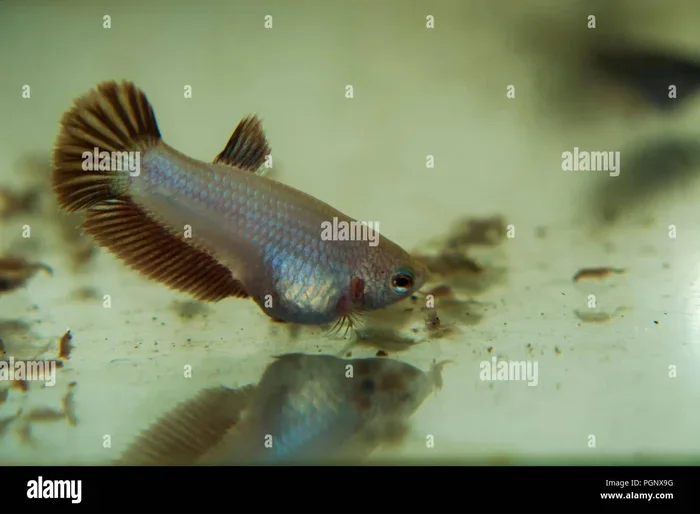
Betta fish typically poop every 1 to 3 days, depending on their diet, water temperature, and overall health. Healthy betta waste should be solid, dark, and sink to the bottom of the tank. Understanding your betta’s bathroom habits is one of the easiest ways to monitor their digestion and catch potential health issues early.
If you own a betta fish, you might not think about their bathroom habits very often. But here is the thing — how often to betta fish poop tells you a lot about their health. Just like any other pet, your betta’s waste gives you clues about digestion, diet, and even tank conditions. If you have ever wondered whether your betta is pooping enough or too much, you are not alone. This guide covers everything you need to know about betta fish waste, from normal frequency to what unusual poop might mean.
Keeping track of your betta’s pooping habits is one of the simplest ways to stay on top of their well-being. Most betta owners focus on feeding, tank setup, and water temperature. But waste removal and digestion are just as important. A healthy betta fish should poop regularly, and the waste should look a certain way. If anything changes, it could be a sign that something needs your attention. Let us break it all down.
Key Takeaways
- Normal pooping frequency: A healthy betta fish poops roughly once every 1 to 3 days.
- Diet affects waste: Overfeeding leads to more frequent pooping, while constipation reduces it.
- Waste color matters: Brown or dark green poop is normal; white or stringy waste may signal a problem.
- Tank cleanliness is key: Regular water changes and filter maintenance help manage betta fish waste effectively.
- Constipation is common: It can be prevented with proper feeding and a fiber-rich diet.
- Monitoring poop helps health: Changes in frequency or appearance can be early warning signs of illness.
📑 Table of Contents
How Often Should a Betta Fish Poop?
So, how often do betta fish actually poop? The short answer is that most bettas poop every 1 to 3 days. But this can vary based on several factors. Your betta’s age, diet, water temperature, and activity level all play a role in their digestion speed.
Young betta fish tend to eat more and digest food faster. This means they might poop once or even twice a day. Older bettas, on the other hand, may only go every 2 to 3 days. Both are perfectly normal as long as the waste looks healthy and your fish is active.
What Affects Pooping Frequency?
Several things influence how often your betta goes. Here are the main factors:
- Diet: What you feed your betta directly affects digestion. High-quality pellets produce solid, well-formed waste. Cheap flakes or overfeeding lead to loose or excessive poop.
- Water Temperature: Bettas are tropical fish. Warm water helps their metabolism work efficiently. If the tank is too cold, digestion slows down and pooping becomes less frequent.
- Activity Level: A more active betta who swims around a lot tends to digest food faster than a sluggish one.
- Tank Size: Smaller tanks can cause stress, which may affect digestion and pooping patterns.
- Health Conditions: Illness, parasites, or bacterial infections can change how often your betta poops.
If you notice your betta has not pooped in several days and looks bloated, that could be a sign of constipation. We will cover this in more detail later. For now, just know that consistency matters more than the exact number of times per day.
What Does Healthy Betta Fish Poop Look Like?
Not all betta poop looks the same. But healthy waste has some clear characteristics. Learning what normal poop looks like helps you spot problems early.
Color and Shape of Normal Poop
Healthy betta poop is usually brown or dark green. It should be solid and compact, not watery or stringy. After your betta passes waste, it should sink to the bottom of the tank fairly quickly. If the poop floats for a long time, that might indicate a diet issue.
The size of betta poop is tiny — just a small dot or short string. Do not expect large waste like you might see with bigger fish. Because bettas are small, their digestive system produces small amounts of waste at a time.
Signs of Unhealthy Poop
Watch out for these warning signs in your betta’s waste:
- White or clear poop: This could indicate internal parasites or a digestive issue.
- Stringy or long poop: Stringy waste that hangs from the fish may signal constipation or poor digestion.
- Watery or loose poop: This often points to overfeeding or a low-quality diet.
- Undigested food in waste: If you can see whole pellets or flakes in the poop, your betta is not digesting food properly.
- No poop for several days: Combined with a swollen belly, this is a red flag for constipation or bloating.
If you see any of these signs consistently, it is time to adjust your betta’s diet or check the tank conditions. Sometimes simply switching to homemade betta fish food can improve digestion and waste quality.
Why Is My Betta Fish Not Pooping?
A betta fish that stops pooping is a cause for concern. Constipation is one of the most common digestive problems in bettas. It happens when waste builds up in the intestines and your fish cannot pass it comfortably.
Common Causes of Constipation
Several things can lead to constipation in betta fish:
- Overfeeding: This is the number one cause. Bettas have small stomachs. When you feed them too much, the food sits in their gut and becomes backed up.
- Low-Fiber Diet: Bettas need some fiber to keep things moving through their digestive system. A diet of only dry pellets without variety can cause constipation.
- Poor Water Quality: Dirty water stresses your betta and slows down bodily functions, including digestion.
- Cold Water Temperature: If the tank is below 76°F, your betta’s metabolism slows significantly. This affects how quickly food moves through their body.
- Lack of Movement: Bettas kept in tiny bowls with no room to swim tend to be less active, which can slow digestion.
How to Help a Constipated Betta
If your betta is struggling to poop, try these steps:
- Fast your betta for 1 to 2 days. This gives the digestive system a chance to clear out. Skip feeding and observe your fish.
- Feed a blanched pea. Remove the skin and offer a small piece. The fiber helps push waste through the intestines.
- Raise the water temperature slightly. Increase it to around 80°F to boost metabolism and aid digestion.
- Add Epsom salt to the tank. A small dose can act as a mild laxative. Use about 1 tablespoon per 5 gallons of water.
- Check your filter and water quality. Make sure ammonia and nitrite levels are at zero. Poor water quality worsens constipation.
If constipation persists for more than a few days, consult a vet who specializes in fish health. In some cases, internal blockages need professional treatment.
How to Clean Up Betta Fish Poop
Once your betta does their business, you need to manage the waste in the tank. Accumulated poop affects water quality and can harm your fish over time. Keeping the tank clean is essential for your betta’s health.
Daily and Weekly Cleanup Routines
Here is a simple routine to keep waste under control:
- Daily: Use a small siphon or gravel vacuum to remove any visible waste from the substrate. This takes less than 5 minutes and makes a big difference.
- Weekly: Perform a 25% water change. This dilutes dissolved waste and keeps ammonia levels stable. Always use a water conditioner to remove chlorine from tap water.
- Monthly: Check your filter media and rinse it in old tank water (never tap water). A clogged filter cannot handle waste effectively.
Many betta owners wonder whether they need a special tool for waste removal. A basic gravel vacuum works perfectly for most setups. If your betta lives in a bowl, you can use a small turkey baster to suck up waste from the bottom. For more detailed guidance on maintaining a clean environment, check out our guide on how often to clean a betta fish tank.
Can You Overclean the Tank?
Yes, you can. Some new betta owners change all the water at once or scrub the tank too aggressively. This removes beneficial bacteria that help break down waste. The key is gentle, regular maintenance rather than deep cleaning sessions.
Keep some of the old tank water when you do water changes. This preserves the good bacteria colony and keeps your betta’s environment stable. A well-maintained filter and consistent partial water changes are the best way to handle betta fish waste without disrupting the ecosystem.
The Connection Between Feeding and Pooping
What goes in must come out. The food you give your betta directly determines how much and how often they poop. Understanding this connection helps you adjust feeding habits for better waste management.
Best Foods for Healthy Digestion
Choose foods that are easy for bettas to digest:
- High-quality betta pellets: Look for pellets with whole ingredients and minimal fillers. These produce firm, well-formed waste.
- Frozen or live brine shrimp: A great occasional treat that supports healthy digestion.
- Bloodworms: Nutrient-rich but should be given sparingly due to high protein content.
- Blanched vegetables: Small pieces of zucchini or peas add fiber and help prevent constipation.
Feeding your betta a varied diet keeps their digestive system working smoothly. For specific feeding schedules and tips, you can read more about how often to feed a betta fish to establish the right routine.
How Much Should You Feed?
A good rule of thumb is to feed your betta 2 to 3 pellets twice a day. Offer only what your fish can eat within 2 minutes. If there is leftover food in the tank, you are overfeeding. Uneaten food rots quickly and pollutes the water, which affects waste quality and overall tank health.
Many betta owners also ask about feeding frequency. Some prefer once-a-day feeding with a slightly larger portion. Others split meals into two smaller feedings. Both approaches work as long as the total daily amount stays appropriate for your fish’s size.
When to Worry About Betta Fish Waste
Most of the time, betta poop is nothing to stress about. But there are moments when waste changes signal something serious. Knowing when to take action can save your fish’s life.
Red Flags to Watch For
Contact a fish veterinarian or experienced aquarist if you notice any of these signs:
- No poop for 4 or more days combined with a swollen or distended belly.
- Continuous stringy poop that does not stop even after fasting.
- White or transparent waste that appears repeatedly over several days.
- Blood or unusual red streaks in the poop.
- Your betta stops eating entirely and shows signs of lethargy alongside waste changes.
- Frequent diarrhea-like waste that clouds the tank water.
These symptoms could point to internal parasites, bacterial infections, or serious digestive blockages. Catching these issues early gives your betta the best chance of recovery. For more information on handling health concerns related to waste and digestion, visit our article on how to treat a stressed betta fish, since stress often underlies digestive problems.
Preventing Waste Problems Before They Start
The best approach is prevention. A healthy betta in a well-maintained tank will poop regularly and produce normal waste. Here are some habits that keep things running smoothly:
- Stick to a consistent feeding schedule. Feed at the same times each day so your betta’s body knows what to expect.
- Keep water parameters stable. Test ammonia, nitrite, and nitrate levels weekly. Keep ammonia and nitrite at zero.
- Maintain the right temperature. Keep the tank between 78°F and 80°F for optimal betta health.
- Do not overstock the tank. Even though bettas are solitary, adding too many snails or shrimp can increase waste load.
- Use a proper filter. A gentle sponge filter works well for bettas. It keeps water moving and waste manageable without creating too much current.
- Offer fiber-rich foods occasionally. A small piece of blanched pea once a week works wonders for digestion.
For a complete overview of betta care basics that covers waste management, tank setup, and feeding, check out our guide on how to properly care for betta fish. Prevention really is the best medicine when it comes to keeping your betta’s digestion and waste habits normal.
Final Thoughts
How often to betta fish poop is more than just a quirky question. It is a window into your fish’s digestive health and overall well-being. A healthy betta should poop every 1 to 3 days, producing small, solid, dark-colored waste that sinks to the bottom. Changes in frequency, color, or consistency can tell you a lot about what is going on inside your fish’s body.
The good news is that keeping your betta’s waste habits on track is not complicated. Feed appropriately, maintain clean water, and watch for warning signs. A little attention to your betta’s bathroom routine goes a long way toward a long, happy life for your fish. Stay observant, stay consistent, and your betta will reward you with vibrant colors and energetic behavior.
Frequently Asked Questions
How often should a betta fish poop per day?
Most betta fish poop once every 1 to 3 days. Young or active bettas may poop more frequently, while older or less active fish may go less often. As long as the waste looks normal and your fish is healthy, the frequency can vary.
What color should betta fish poop be?
Healthy betta poop is usually brown or dark green. The color comes from the food they eat and the natural bile in their digestive system. White, clear, or unusually colored waste may indicate a health issue that needs attention.
Can overfeeding cause a betta fish to stop pooping?
Yes, overfeeding is one of the most common causes of constipation in bettas. Too much food can block the digestive tract and reduce pooping frequency. If your betta has not pooped in several days and looks bloated, try fasting them for 1 to 2 days.
Is it normal for betta fish poop to float?
Occasionally, betta poop may float for a short time before sinking. This is usually not a concern. However, if the poop consistently floats and appears stringy or discolored, it could signal a diet issue or digestive problem that needs attention.
How can I tell if my betta is constipated?
Signs of constipation include a swollen belly, reduced appetite, infrequent pooping, and stringy waste. Your betta may also swim less and appear lethargic. Fasting for a day and offering a blanched pea can help relieve constipation in most cases.
Does water temperature affect how often a betta fish poops?
Yes, water temperature plays a big role in betta digestion. Bettas thrive in water between 78°F and 80°F. If the water is too cold, their metabolism slows down and they poop less frequently. Keeping the tank at the right temperature supports healthy digestion and regular waste production.