How Often Do I Esom Salt Bath Betta Fish
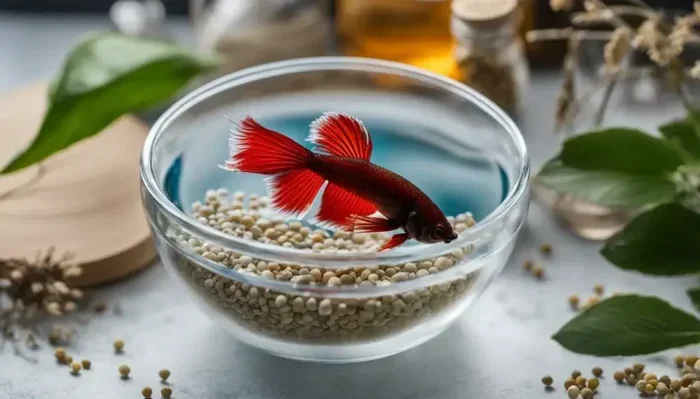
An Epsom salt bath is a simple yet powerful way to support your betta fish’s health. Most betta fish benefit from a salt bath once every few days or during specific health issues. The frequency depends on the reason for the bath, your fish’s condition, and the concentration you use. This guide covers everything you need to know about Epsom salt bathing your betta fish safely and effectively.
Key Takeaways
- Frequency Matters: Most betta fish need an Epsom salt bath once every 3 to 7 days, depending on the purpose.
- Dosage Is Key: Use 1 to 3 tablespoons of Epsom salt per gallon of water for safe and effective results.
- Duration Counts: Keep bath time between 15 and 30 minutes to avoid stressing your fish.
- Purpose Dictates Schedule: Treat constipation or swim bladder issues differently than general relaxation or healing.
- Watch for Signs: Always monitor your betta during the bath and stop immediately if you notice distress.
- Combine with Proper Care: Epsom salt baths work best alongside good tank maintenance and proper feeding habits.
📑 Table of Contents
- How Often Do I Epsom Salt Bath Betta Fish
- Why Give Your Betta Fish an Epsom Salt Bath
- How Often Should You Give Your Betta an Epsom Salt Bath
- How to Properly Give Your Betta an Epsom Salt Bath
- How Epsom Salt Baths Compare to Aquarium Salt Treatments
- What Else You Can Do to Support Your Betta Fish’s Health
- When to Stop Giving Epsom Salt Baths
- Final Thoughts on Epsom Salt Bath Frequency
How Often Do I Epsom Salt Bath Betta Fish
If you own a betta fish, you have probably wondered about Epsom salt baths. These simple treatments can do wonders for your fish’s well-being. But the big question remains: how often should you give your betta an Epsom salt bath? The answer is not a one-size-fits-all number. It depends on what you are treating and the overall condition of your fish.
Epsom salt, also known as magnesium sulfate, is a natural compound that offers many benefits for betta fish. It helps with constipation, reduces swelling, and relaxes sore muscles. Many fish keepers swear by it as a go-to remedy. However, using it too often or too little can cause problems. That is why understanding the right frequency is so important.
In this guide, we will walk you through everything you need to know. We will cover the reasons for giving your betta a salt bath, how to do it correctly, and how often to repeat the process. Whether you are a beginner or a seasoned hobbyist, you will find practical tips that actually work.
Why Give Your Betta Fish an Epsom Salt Bath
Before we dive into frequency, let us talk about why you would even want to give your betta an Epsom salt bath. Understanding the benefits helps you decide how often treatment is needed.
Relieving Constipation
Betta fish are prone to constipation. This happens when they eat too much or consume food that is hard to digest. An Epsom salt bath acts as a natural laxative. It helps your fish pass waste more easily. This is one of the most common reasons fish owners reach for Epsom salt.
Reducing Swelling and Inflammation
When your betta fish shows signs of swelling, an Epsom salt bath can help. The salt draws out excess fluid from the body. This reduces bloating and eases discomfort. Many fish keepers use salt baths as part of treating dropsy or other swelling-related conditions.
Relaxing Muscles and Reducing Stress
Epsom salt has a calming effect on fish. It helps relax their muscles and reduces stress levels. A short salt bath can help a stressed betta recover faster. This is especially useful after handling or during recovery from illness.
Supporting Wound Healing
Minor wounds and fin tears can benefit from regular salt baths. Epsom salt promotes healing and prevents infection. It creates a supportive environment for your fish’s body to repair itself naturally.
How Often Should You Give Your Betta an Epsom Salt Bath
This is the core question, and the answer depends on the situation. Let us break it down by purpose so you know exactly what to do.
For Constipation Relief
If your betta fish is constipated, you can give an Epsom salt bath once every two days. A 15-minute bath at a concentration of 1 to 2 tablespoons per gallon usually works well. Most betta fish will pass waste within a few hours after the bath. If the problem persists after three treatments, you should look at dietary changes instead.
For Swelling or Bloating
For swelling issues, you can give a salt bath every 2 to 3 days. Keep the sessions to 15 to 20 minutes. Monitor your fish closely during each session. If the swelling does not improve after a week, it is time to consult a vet or explore other treatment options.
For General Relaxation and Stress Relief
For general wellness and relaxation, once a week is plenty. A shorter bath of 15 minutes at a mild concentration works great. This helps keep your betta calm and comfortable. Think of it as a spa day for your fish.
For Recovery From Illness or Injury
When your betta is recovering from illness or injury, you may need more frequent baths. Every other day for 15 to 30 minutes can support the healing process. Always adjust based on how your fish responds. If your fish seems worse after a bath, skip the next session and let it rest.
For New Fish or Quarantine Situations
If you are setting up a quarantine tank for a new betta, a mild salt bath can help the fish acclimate. Once at the start and once during the quarantine period is usually sufficient. This supports the fish’s immune system during a stressful transition.
How to Properly Give Your Betta an Epsom Salt Bath
Knowing how often is only half the battle. You also need to know how to do it correctly. A poorly done salt bath can stress your fish or cause more harm than good.
Step-by-Step Instructions
- Prepare a separate container. Use a clean cup or small container with dechlorinated water. The water should match the temperature of your betta’s tank.
- Add Epsom salt. Use 1 to 3 tablespoons per gallon of water. Stir until the salt is completely dissolved.
- Place your betta in the container. Gently lower your fish into the salt solution. Do not pour tank water over your fish.
- Set a timer. Keep the bath between 15 and 30 minutes. Do not exceed 30 minutes under any circumstances.
- Monitor your fish. Watch for signs of distress like rapid breathing, darting, or lying on its side.
- Return your betta to the main tank. Use a net to transfer your fish back to its home tank gently.
Quick Tips for a Safe Bath
- Always use pure Epsom salt with no added fragrances or oils.
- Never use table salt or aquarium salt for an Epsom salt bath. These are different compounds.
- Make sure the water temperature matches your tank. Sudden temperature changes stress betta fish.
- Keep the room quiet and dim during the bath to reduce stress.
- Have your main tank ready before you start so the transition back is smooth.
Common Mistakes to Avoid
Many fish keepers make avoidable mistakes when giving their betta an Epsom salt bath. Here are the most common ones:
- Using too much salt: More salt does not mean better results. Stick to the recommended dosage.
- Leaving the fish in too long: Overdoing the bath duration can cause dehydration and stress.
- Skipping observation: Always watch your fish during the entire bath. Never leave it unattended.
- Using the wrong type of salt: Only use pure Epsom salt. Other salts can harm your fish.
- Repeating too frequently: Even if your fish seems better, give it time to recover between sessions.
How Epsom Salt Baths Compare to Aquarium Salt Treatments
People often confuse Epsom salt with aquarium salt. They are not the same thing. Understanding the difference helps you choose the right treatment for your betta fish.
| Feature | Epsom Salt | Aquarium Salt |
|---|---|---|
| Main Compound | Magnesium Sulfate | Sodium Chloride |
| Primary Use | Internal relief (constipation, swelling) | External parasite control and gill support |
| Absorption | Absorbed through the skin | Works on gills and external surfaces |
| Frequency | Used for short-term targeted treatment | Can be used long-term at low doses |
| Best For | Digestive issues and inflammation | Fin rot, ich, and general water quality |
When you want to treat internal issues like constipation or bloating, Epsom salt baths are the better choice. Aquarium salt works differently and is best for external health concerns. Many experienced fish keepers use both in their betta care routine, but at different times and for different purposes.
What Else You Can Do to Support Your Betta Fish’s Health
Epsom salt baths work best when combined with good overall care. Here are some additional steps to keep your betta fish healthy and thriving.
Maintain Clean Water
Clean water is the foundation of betta fish health. Regular water changes and proper filtration make a huge difference. Aim to change 25 to 30 percent of your tank water every week. This keeps ammonia and nitrite levels in check. A clean betta fish tank reduces stress and prevents many common health issues.
Feed a Proper Diet
What you feed your betta directly affects its health. Overfeeding is one of the leading causes of constipation and bloating. Feed your betta 2 to 3 pellets or a small amount of flakes twice a day. Skip one feeding day per week to help with digestion. High-quality food with good protein content keeps your fish in great shape.
Watch for Warning Signs
Know the signs that your betta fish needs attention. Clamped fins, loss of color, refusal to eat, and unusual swimming patterns are all red flags. Catching problems early makes treatment much easier. If you notice any of these signs, consider an Epsom salt bath and monitor your fish closely.
Provide a Stress-Free Environment
Betta fish need a calm and stable environment. Avoid sudden changes in lighting, temperature, or tank placement. Add plants and hiding spots to make your fish feel secure. A stress-free betta is a healthier betta that needs fewer treatments overall.
When to Stop Giving Epsom Salt Baths
Knowing when to stop is just as important as knowing when to start. If your betta fish shows signs of improvement, you can reduce the frequency of baths. Most conditions respond well within 3 to 5 sessions. If there is no improvement after a week, you should seek professional advice. Persistent health issues may require medication or a visit to an exotic vet.
Also, never give an Epsom salt bath to a betta fish that is already very weak or near the end of its life. In those cases, the stress of the bath can do more harm than good. Always use your judgment and observe your fish’s behavior carefully.
Final Thoughts on Epsom Salt Bath Frequency
So, how often do I Epsom salt bath betta fish? The honest answer is: it depends. For most situations, a bath every 2 to 3 days during treatment and once a week for maintenance works well. The key is to be consistent, observant, and gentle. Your betta fish will tell you what it needs if you pay attention.
Remember that every fish is different. What works for one betta may not work for another. Start with the mildest approach and adjust based on your fish’s response. With the right care and attention, your betta fish will live a happy and healthy life.
If you want to learn more about general betta fish care, check out our guide on how to take care of a betta fish for comprehensive tips. You can also learn more about performing a salt bath for betta fish to get step-by-step details on the process. And if you are dealing with feeding concerns related to health issues, our article on what to do if your betta fish isn’t eating offers helpful advice.
Frequently Asked Questions
Can I give my betta fish an Epsom salt bath every day?
No, daily Epsom salt baths are not recommended. They can cause dehydration and unnecessary stress. Stick to every 2 to 3 days for treatment and once a week for general wellness. Always monitor your fish and adjust frequency based on how it responds.
How long should an Epsom salt bath last for betta fish?
A typical Epsom salt bath should last between 15 and 30 minutes. Never exceed 30 minutes. Shorter baths of 15 minutes are ideal for most situations. Watch your fish closely and end the bath early if you notice any signs of distress.
What concentration of Epsom salt should I use for my betta fish?
Use 1 to 3 tablespoons of Epsom salt per gallon of water. For sensitive fish or first-time baths, start at 1 tablespoon per gallon. You can increase the concentration slightly if your fish tolerates it well. Always dissolve the salt completely before adding your fish.
Can Epsom salt baths help with betta fish constipation?
Yes, Epsom salt baths are very effective for relieving constipation in betta fish. The magnesium sulfate acts as a natural laxative that helps your fish pass waste. A 15-minute bath every other day usually resolves the issue within a few sessions.
Is Epsom salt the same as aquarium salt for betta fish?
No, they are completely different. Epsom salt is magnesium sulfate, while aquarium salt is sodium chloride. Epsom salt is used for internal relief like constipation and swelling. Aquarium salt is used for external health issues like parasites and fin rot.
What should I do if my betta fish seems stressed during a salt bath?
If your betta fish shows signs of stress during a salt bath, end the bath immediately. Return your fish to its main tank with matching water parameters. Give your fish time to recover before trying again. Consider lowering the salt concentration or shortening the duration for future baths.
=== CONCLUSION ===
Giving your betta fish an Epsom salt bath is a simple and effective way to support its health. Most betta fish benefit from a bath every 2 to 3 days during treatment and once a week for maintenance. The key is to match the frequency to the purpose and always watch your fish’s response. With the right approach, your betta will thrive and stay happy for years to come.