How Much Light Does My Betta Fish Need
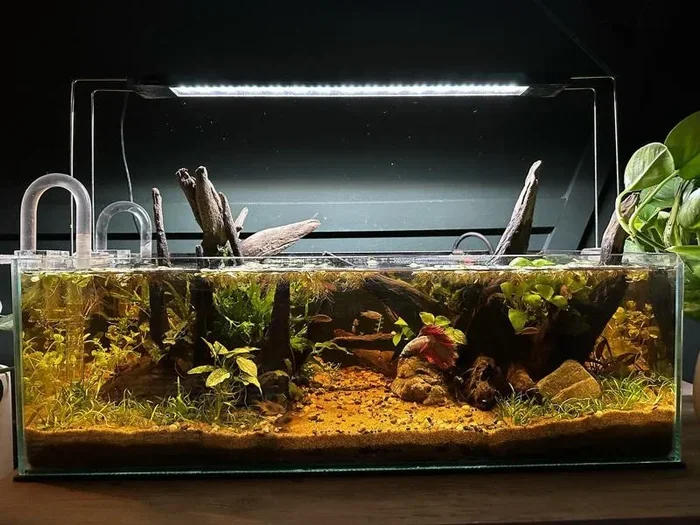
Your betta fish needs about 8 to 12 hours of light per day to stay healthy and maintain its vibrant colors. Providing the right light schedule helps mimic natural conditions, supports their sleep cycle, and keeps their tank ecosystem balanced. Too much or too little light can cause serious health and behavioral issues.
If you own a betta fish, you might wonder about the right amount of light for their tank. The answer is not as simple as “more is better.” In fact, getting the light balance just right is one of the most important things you can do for your fish’s health, color, and overall happiness.
How much light does my betta fish need? Most experts agree that 8 to 12 hours of light per day works best. This range closely mimics what betta fish experience in their natural habitat. It gives them a healthy day-night cycle without overwhelming their sensitive systems.
Light affects more than just how your tank looks. It influences your betta’s mood, sleep, appetite, and even its brilliant fins. Getting this wrong can lead to stress, illness, and a dull appearance. That is why understanding your betta’s lighting needs matters so much.
Whether you are a first-time betta owner or a seasoned hobbyist, this guide covers everything you need to know about betta fish light requirements. We will break it down into simple, actionable steps you can follow right away.
Key Takeaways
- 8 to 12 hours of light daily is the ideal range for betta fish health and color.
- LED lights are the best choice because they are energy-efficient and produce minimal heat.
- Too much light causes algae growth and disrupts your betta’s sleep patterns.
- Natural sunlight is unreliable and should be avoided as a primary light source.
- Using a light timer ensures consistency and makes tank management much easier.
- A dark period is just as important as light time for your betta’s well-being.
📑 Table of Contents
- Why Light Matters for Your Betta Fish
- How Many Hours of Light Does a Betta Fish Need
- Best Types of Light for Betta Fish Tanks
- Comparing Light Options for Betta Fish Tanks
- Common Mistakes With Betta Fish Lighting
- Quick Tips for Perfect Betta Fish Lighting
- Expert Insight: How Light Affects Betta Fish Behavior
- Conclusion
Why Light Matters for Your Betta Fish
Light is not just for show. It plays a real role in your betta fish’s daily life. Without proper aquarium light schedule, your fish can become stressed, sick, or lethargic. Let us look at why light is so essential.
Supports Natural Circadian Rhythms
Like all living creatures, betta fish follow a natural day-night rhythm. This is called the circadian rhythm. Light signals to your fish that it is time to be active, eat, and interact. Darkness tells them it is time to rest and recover.
When this cycle gets disrupted, your betta may become confused, anxious, or overly tired. Over time, this stress weakens their immune system. A consistent light exposure for betta fish schedule helps keep their internal clock running smoothly.
Enhances Color and Appearance
Betta fish are famous for their stunning colors. But did you know that light directly affects how vibrant those colors appear? Without adequate light, your betta’s colors can fade and look dull. Proper lighting brings out the reds, blues, and greens in their fins.
This does not mean you should blast your tank with maximum light. It simply means giving your fish enough illumination to look their best. A balanced setup makes a huge difference in how your betta looks day to day.
Promotes Plant Growth (If You Have Live Plants)
If your betta tank has live plants, light becomes even more critical. Plants need energy from light to photosynthesize and grow. Without enough lighting for betta tank setups with plants, your greenery will wilt and decay.
Decaying plants ruin water quality fast. This can harm your betta fish quickly. So if you keep live plants alongside your betta, your lighting choice directly impacts the entire tank ecosystem.
How Many Hours of Light Does a Betta Fish Need
The sweet spot for most betta fish tanks is between 8 and 12 hours of light per day. This gives your fish a clear day and night cycle. Here is a simple breakdown of how to structure this.
The Ideal Daily Light Schedule
Most hobbyists find that turning lights on in the morning and off at night works best. A common schedule looks like this:
- Morning routine: Lights on at 7 or 8 AM.
- Evening routine: Lights off between 7 and 8 PM.
- Total light time: About 10 to 12 hours in summer, 8 to 10 hours in winter.
This schedule closely matches natural daylight hours. Your betta fish will thrive when they can predict when light and dark periods happen. Consistency is far more important than the exact hours you choose.
Can You Give a Betta Fish Too Much Light
Yes, absolutely. Giving your betta fish too much light is a common mistake many new owners make. Excessive light causes several problems that can seriously harm your fish.
First, too much light triggers rapid algae growth in your tank. Green algae coats the glass, decorations, and plants. It makes the tank look messy and throws off the water balance. Second, your betta fish will never get proper rest if the light stays on all day.
If you are unsure whether your current setup is too bright, check your betta’s behavior. Fish that hide constantly or seem stressed may be reacting to excessive light. You can learn more about this in our article on why your betta fish might be hiding too much.
What Happens With Too Little Light
On the flip side, too little light is also problematic. Your betta fish may become sluggish and lose interest in food. Their colors will fade over time, and any live plants in the tank will struggle to survive.
Some owners keep their tanks in dark rooms or corners of the house. While this might feel calming, it does not give your betta the stimulation they need. A dimly lit tank can also make it hard to spot health issues early.
Best Types of Light for Betta Fish Tanks
Not all lights are created equal. The type of light you choose affects your betta’s comfort, your tank’s appearance, and how much maintenance you will need. Let us compare the most common options.
LED Lights
LED lights are the gold standard for betta fish tanks today. They are energy-efficient, long-lasting, and produce very little heat. Most LED fixtures come with adjustable brightness settings, which makes it easy to customize the intensity for your fish.
Many LED lights also offer adjustable color spectrums. You can choose warm tones or cool tones depending on your preference. Some even include built-in timers, which removes the guesswork from your daily routine.
If you are shopping for a new light, look for full-spectrum LED options. These provide a balanced light that supports both your fish and any live plants in the tank.
Fluorescent Lights
Fluorescent lights are another popular choice. They work well for basic betta tanks and come in standard sizes that fit most hoods. They produce less heat than older bulb types, but they are not as energy-efficient as LEDs.
The main downside is that fluorescent lights tend to be less adjustable. You get what you get in terms of brightness and spectrum. For simple setups without plants, they still do a solid job.
Incandescent Lights
We do not recommend incandescent lights for betta tanks. They produce excessive heat, which can raise the water temperature dangerously. They also use a lot of energy and have a short lifespan. Stick with LED or fluorescent options instead.
Natural Sunlight
You might think placing your tank near a window is a free and natural solution. However, natural sunlight is unpredictable and often harmful. Direct sunlight causes extreme temperature swings and massive algae blooms.
Even indirect sunlight changes intensity throughout the day. You cannot control it, which makes it unreliable for maintaining a consistent betta fish light requirements schedule. Always use artificial lights you can control.
Comparing Light Options for Betta Fish Tanks
| Light Type | Energy Efficiency | Heat Output | Adjustability | Best For |
|---|---|---|---|---|
| LED | High | Low | Very High | All betta tanks |
| Fluorescent | Medium | Low | Low | Basic betta setups |
| Incandescent | Low | High | None | Not recommended |
| Natural Sunlight | Free | Uncontrolled | None | Avoid as primary source |
As you can see, LED lights are the clear winner for most betta fish owners. They give you the most control and the best results for your fish and tank.
Common Mistakes With Betta Fish Lighting
Even experienced fish keepers make lighting mistakes. Here are the most common ones and how to avoid them.
Leaving the Light on 24/7
Some owners think constant light keeps their betta active and colorful. This is a myth. In reality, keeping the light on all day exhausts your fish. They need darkness to rest and recharge. If you want to learn more about how light affects your betta’s rest, check out our guide on why betta fish sleep so much.
Using a Light Without a Timer
Manually turning lights on and off is tempting to skip. But life gets busy, and you might forget. Inconsistent lighting stresses your betta fish more than too little light. A simple outlet timer solves this problem completely. Set it and forget it.
Ignoring Algae Signals
When algae starts appearing, many owners just clean it and do nothing else. But algae is a warning sign that your light schedule is off. If you see green buildup on the glass, reduce your light time by one or two hours and see if it improves.
Placing the Tank Near Windows
We mentioned this above, but it bears repeating. Window placement invites unpredictable light and temperature changes. Move your tank away from direct sunlight and rely on your artificial light source instead.
Quick Tips for Perfect Betta Fish Lighting
Here are some fast, practical tips to get your lighting setup right:
- Use a timer. Set it to turn lights on and off at the same times every day.
- Aim for 8 to 12 hours of light. This is the proven sweet spot for betta health.
- Choose full-spectrum LED lights. They offer the best balance of color and intensity.
- Dim the lights if your betta seems stressed. Some fish prefer slightly lower light levels.
- Watch for algae. It is your first signal that something is off with your light schedule.
- Give your betta dark time. At least 12 hours of darkness is essential for restful sleep.
These small adjustments make a big impact over time. Your betta fish will look healthier, act more active, and show brighter colors when the lighting is dialed in.
Expert Insight: How Light Affects Betta Fish Behavior
Experienced aquarists often notice a direct link between lighting and behavior. A well-lit tank with a consistent schedule produces betta fish that are curious, colorful, and interactive. Fish in tanks with poor lighting tend to be sluggish and withdrawn.
Light also plays a role in breeding behavior. Male betta fish build their bubble nests more actively under proper light conditions. If you are planning to breed bettas, getting the lighting right is an important first step.
Remember that every betta is slightly different. Some fish prefer dimmer environments, while others seem to thrive in brighter setups. Watch your individual fish and adjust accordingly. The goal is a happy, healthy fish that feels safe and stimulated.
Conclusion
Getting the right amount of light for your betta fish is simpler than it might seem. Stick to 8 to 12 hours of light per day, use a quality LED light, and keep your schedule consistent. Your betta fish will reward you with vibrant colors, active behavior, and strong overall health.
Avoid the common pitfalls of too much light, constant illumination, and unreliable natural sunlight. With the right betta fish tank lighting setup, you create an environment where your fish can truly thrive. Start with the tips in this guide and watch your betta transform.
Remember, light is not just about visibility. It is a fundamental part of your betta fish’s daily life. Treat it with the same care you give their food and water, and you will see the difference in your fish every single day.
Frequently Asked Questions
How much light does my betta fish need each day?
Most betta fish need between 8 and 12 hours of light per day. This range supports a healthy day-night cycle, keeps their colors vibrant, and prevents stress. Using a timer helps you maintain this schedule consistently every single day.
Can too much light harm my betta fish?
Yes, too much light causes algae overgrowth and disrupts your betta’s sleep cycle. Fish that receive light 24 hours a day become stressed and their immune system weakens. Always give your betta a period of darkness to rest properly.
What kind of light is best for a betta fish tank?
Full-spectrum LED lights are the best option for most betta tanks. They are energy-efficient, produce minimal heat, and offer adjustable brightness. Avoid incandescent bulbs and never rely on direct sunlight as your primary light source.
Do betta fish need light at night?
No, betta fish need darkness at night to sleep and recover. Keeping the light on overnight confuses their natural rhythm and causes stress. Make sure your tank gets at least 12 hours of darkness each day for optimal health.
Does light affect a betta fish’s color?
Yes, proper lighting makes a betta fish’s colors appear much more vibrant. Without enough light, their reds, blues, and greens can fade over time. However, too much light does not improve colors further and can actually cause stress-related fading.
Should I use a light timer for my betta fish tank?
Absolutely. A light timer ensures your betta gets consistent on and off times every day. This removes the guesswork and prevents accidental overexposure or underexposure. Simple outlet timers are affordable and work perfectly for most tank setups.