Can Betta Fish Eat in the Dark

So, can betta fish eat in the dark? Yes, they can. Betta fish have adapted to find food even in low-light conditions, thanks to their sharp senses. However, feeding your betta in complete darkness is not ideal for their health or routine.
If you have ever wondered can betta fish eat in the dark, you are not alone. Many fish owners ask this question, especially those with busy schedules. The short answer is yes, betta fish can eat in the dark. But there is a lot more to know about how this works and whether you should make it a habit.
Betta fish are fascinating creatures. They have survived in the wild for thousands of years. Their ability to adapt to different conditions is truly impressive. This includes finding food in dim or dark environments. But your home aquarium is not the wild. There are things you need to consider before turning off the lights at feeding time.
In this guide, we will cover everything you need to know. We will look at how betta fish see in the dark. We will also explore the best feeding practices. You will learn about common mistakes and how to keep your fish healthy. Let us dive right in.
Key Takeaways
- Betta fish can eat in the dark: Their senses help them locate food even without light.
- Vision is limited in darkness: Betta fish rely on smell and taste more than sight at night.
- Consistent feeding schedules matter: Irregular feeding times can stress your betta.
- Low light is better than no light: Use dim aquarium lights if you must feed at night.
- Overfeeding is a real risk: Uneaten food in the dark can pollute the tank fast.
- Watch for appetite changes: A betta that refuses food may signal a health issue.
📑 Table of Contents
How Betta Fish See in the Dark
Understanding how betta fish vision works is key to answering the big question. Can betta fish eat in the dark? Their eyes are built differently from human eyes. Bettas have a layer of cells called the tapetum lucidum. This helps them see better in low-light conditions. Think of it like a built-in night vision tool.
However, bettas are not true nocturnal animals. They are more active during the day. In the wild, bettas live in shallow, warm waters. These areas often have filtered sunlight. So their eyes evolved for daylight vision. In complete darkness, their sight becomes limited.
The Role of Other Senses
Even when light is low, bettas use other senses to find food. Their sense of smell is quite strong. They can detect food particles in the water. Their taste buds also help them identify what is edible. This is why bettas can still eat in the dark.
Some owners wonder if can betta fish see their food in the dark. The answer is partially. They may not see it clearly. But they can sense its presence through smell and water movement. This is a great survival trait. It helps them in murky or dark waters in the wild.
Do Betta Fish Need Light to Eat?
This is a common question among new fish owners. The truth is, bettas do not need light to eat. They can find and consume food without it. But light plays an important role in their overall routine.
Betta fish follow a natural day and night cycle. In the wild, they are most active during daylight hours. This is when they hunt for food. In your aquarium, the light cycle signals their body clock. It tells them when to eat, rest, and be active.
If you feed your betta in total darkness every night, it can disrupt this cycle. Over time, your fish may become confused. They might not know when to eat or when to sleep. This can lead to stress. And stress can cause health problems.
Light and Feeding Schedules
A consistent feeding schedule works best for bettas. Most experts recommend feeding them twice a day. Morning and evening feedings are ideal. This mimics their natural eating patterns.
If you need to feed at night, try using a dim light. This gives your betta enough visibility to find the food. It also keeps their internal clock steady. A small LED strip set to low brightness works well. Just make sure it is not too bright.
The Impact of Darkness on Betta Fish Appetite
Darkness can affect your betta’s appetite in different ways. Some fish eat just fine in the dark. Others may refuse food altogether. This depends on the individual fish and their environment.
When the lights go off, bettas start to wind down. They prepare for sleep. Their energy levels drop. This means they may not be as eager to eat. A tired betta is less likely to chase after food pellets.
Stress and Eating Habits
Stress is a big factor in feeding behavior. If your betta feels unsafe in the dark, it may stop eating. Bettas like to know what is around them. Total darkness can make them feel vulnerable.
On the other hand, some bettas eat better in low light. These fish may feel more secure when the bright aquarium lights are off. They can eat without feeling exposed. It really comes down to your individual fish.
If you notice your betta not eating in the dark, try a small dim light during feeding time. This simple change can make a big difference. Watch how your fish responds over a few days.
What Happens If a Betta Skips a Meal?
One missed meal is not a big deal. Bettas can go without food for a few days. In fact, fasting once a week can be healthy. It helps their digestive system reset.
But skipping meals regularly is a problem. It can lead to malnutrition. Your betta needs consistent nutrients to stay healthy. If your fish refuses food in the dark, check the water quality. Poor water conditions often cause appetite loss.
Best Feeding Practices for Low-Light Conditions
If you need to feed your betta when it is dark, there are smart ways to do it. Following best practices keeps your fish healthy and happy.
Use Dim or Warm Lights
A dim light is your best friend for nighttime feedings. It provides enough visibility without disrupting your betta’s sleep cycle. Warm-toned lights work especially well. They mimic the soft glow of moonlight.
Avoid using bright white lights at night. These can startle your fish. They can also interfere with their rest. A small, low-wattage LED is perfect for this job.
Choose the Right Food
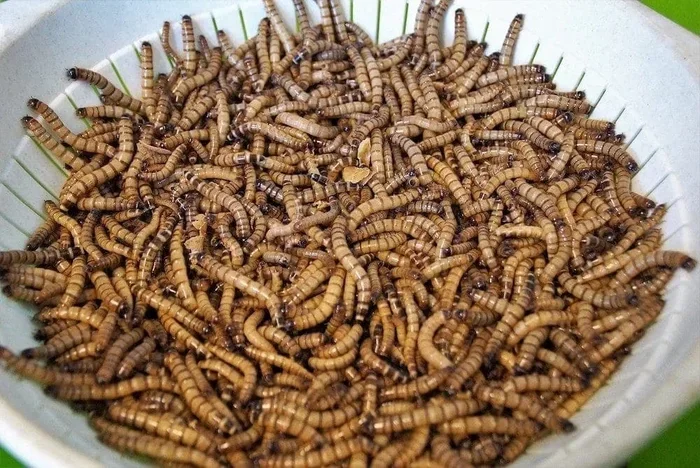
Not all foods are the same for low-light feeding. Wet foods like bloodworms or brine shrimp sink slowly. They are easier for bettas to find in the dark. The smell of these foods also helps your fish locate them.
Dry pellets are a staple food for bettas. But in the dark, they can be harder to spot. If you feed pellets at night, drop them near your betta. This ensures they find the food quickly.
Feed Small Amounts
Portion control matters a lot. In the dark, you cannot see how much food is left. Uneaten food sinks to the bottom. It decays and pollutes the water. This can harm your betta over time.
Feed only what your betta can eat in two minutes. If you are unsure, start with a small amount. You can always add a tiny bit more. This keeps the tank clean and your fish healthy.
Common Mistakes When Feeding in the Dark
Many fish owners make mistakes when feeding at night. Learning from these errors can save you a lot of trouble.
Overfeeding
This is the number one mistake. When you cannot see the tank well, it is easy to drop too much food. Overfeeding leads to bloating and obesity in bettas. It also causes dirty water.
Always measure the food before turning off the lights. This simple habit prevents overfeeding. Your betta will thank you for it.
Ignoring Water Quality
Food left in the dark decays faster than you think. It releases ammonia into the water. High ammonia levels are very dangerous for bettas.
Make sure you test your water regularly. If you feed at night, do a partial water change the next morning. This removes any leftover food and keeps the tank fresh.
Changing the Light Cycle Suddenly
Bettas thrive on routine. If you suddenly switch to nighttime feedings, it can confuse them. Gradual changes work best. Slowly shift the feeding time over a week or two.
This gives your betta time to adjust. It also keeps their internal clock working properly. A stable routine reduces stress and promotes good health.
Feeding Too Close to Sleep Time
Bettas need a clear separation between eating and sleeping. If you feed them right before lights out, they may not digest the food properly. This can cause discomfort and bloating.
Try to feed your betta at least 30 minutes before the lights go off. This gives them time to eat and settle down. It also supports healthy digestion.
Expert Insights on Nighttime Feeding
Many experienced fish keepers have shared their thoughts on this topic. They agree that bettas can eat in the dark. But they also stress the importance of a consistent routine.
Some experts suggest using a timer for your aquarium lights. This keeps the light cycle steady. Your betta will know exactly when to expect food. This reduces anxiety and encourages healthy eating.
If you ever wonder can betta fish survive in the dark, the answer is yes, for short periods. But long-term darkness is not good for them. Bettas need some light to maintain their color and energy levels. A balanced light cycle supports both physical and mental health.
Another important point is tank placement. Keep your aquarium away from windows with direct sunlight. Too much light can cause algae growth. It can also make the water too warm. Aim for 8 to 10 hours of light per day. This is the sweet spot for most bettas.
Some owners ask if can betta fish be kept in the dark all the time. The answer is no. Darkness for extended periods leads to stress. It can also weaken their immune system. Always provide a proper day and night cycle for your fish.
Conclusion
So, can betta fish eat in the dark? Yes, they absolutely can. Betta fish have natural adaptations that help them find food even without light. Their senses of smell and taste pick up where their vision falls short in the dark.
However, feeding in complete darkness regularly is not the best practice. It can disrupt their routine and cause stress. A dim light during nighttime feedings is a much better option. It keeps your betta comfortable and on schedule.
Remember to feed small amounts and clean up any leftovers. Watch for changes in appetite and behavior. These are important signs of your betta’s overall health. With the right approach, you can feed your betta at any time of day or night.
Your betta fish depends on you for a healthy environment. Understanding their needs makes you a better owner. Keep learning, keep caring, and your betta will thrive.
Frequently Asked Questions
Can betta fish see their food in the dark?
Betta fish have limited vision in complete darkness. However, they can sense food through smell and taste. This helps them locate and eat even when light is very low.
Is it okay to feed betta fish at night?
Yes, it is okay to feed them at night. Use a dim light so they can see the food. Just make sure it does not disrupt their sleep cycle.
How often should I feed my betta fish?
Feeding your betta twice a day is ideal. Morning and evening feedings work best. Stick to a consistent schedule for the best results.
What happens if I overfeed my betta in the dark?
Overfeeding leads to uneaten food sinking and decaying. This pollutes the water and can harm your fish. Always feed small amounts, especially at night.
Can betta fish live in a dark room?
Betta fish cannot live long-term in a completely dark room. They need some light to stay healthy. A proper light cycle supports their color and energy.
Why does my betta refuse food in the dark?
Your betta may feel stressed or unsafe in the dark. Try using a dim light during feeding. If the problem continues, check the water quality and temperature.