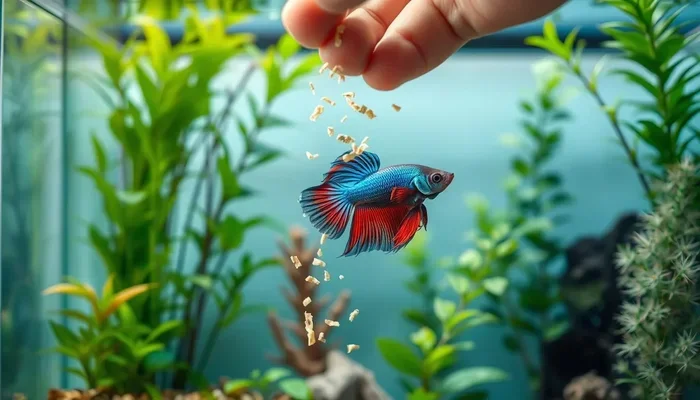
Can Betta Fish Eat Blueberries

Yes, betta fish can eat blueberries in small amounts. Blueberries are safe, packed with antioxidants, and make a great occasional treat for your betta. Learn how to prepare them properly and avoid common feeding mistakes.
So, can betta fish eat blueberries? The short answer is yes. Blueberries are safe for betta fish and can add a nice burst of nutrition to their diet. But there is more to it than just tossing a few berries into your fish tank. If you want to keep your betta healthy and happy, you need to know the right way to feed this fruit.
Betta fish are popular pets in the aquarium hobby. They are colorful, active, and relatively easy to care for. But feeding them the right diet is one of the most important parts of betta care. Many fish keepers wonder about offering fruits and vegetables alongside their regular betta fish food. Blueberries often come up in those conversations.
This guide covers everything you need to know about feeding blueberries to your betta. We will look at the nutritional benefits, how to prepare them, how often to feed them, and what signs to watch for. By the end, you will feel confident adding this tasty treat to your betta’s feeding schedule.
Key Takeaways
- Betta fish can safely eat blueberries: Blueberries are non-toxic and offer real nutritional benefits when fed in moderation.
- Prep matters: Always rinse and lightly mash blueberries before offering them to your betta to prevent choking.
- Feed sparingly: Blueberries should be an occasional treat, not a staple. Two to three small pieces once a week is plenty.
- Watch for overfeeding signs: Uneaten fruit can foul your tank water fast, so remove leftovers within a few hours.
- Pair with a balanced diet: Blueberries complement high-quality pellets and other betta fish foods but cannot replace them.
- Other fruits work too: Mangoes, strawberries, and grapes are also safe options for variety in your betta’s diet.
📑 Table of Contents
- Can Betta Fish Eat Blueberries Safely?
- Nutritional Benefits of Blueberries for Betta Fish
- How to Prepare Blueberries for Your Betta
- How Often Should You Feed Blueberries to Your Betta?
- Signs Your Betta Loves or Hates Blueberries
- Other Fruits and Foods Bettas Can Enjoy
- Common Mistakes to Avoid When Feeding Blueberries
- Expert Tips for the Best Results
- Final Thoughts
Can Betta Fish Eat Blueberries Safely?
Yes, betta fish can eat blueberries without any problems. Blueberries are not toxic to fish. In fact, they contain several nutrients that can support your betta’s overall health. The key is moderation. Too much of any fruit can cause issues in your aquarium.
Blueberries are low in sugar compared to many other fruits. This makes them a better choice for bettas, who do not need a high-sugar diet. They also contain fiber, which can aid digestion. However, bettas are carnivorous by nature. Their betta fish diet should be mostly protein-based. Fruits like blueberries are best used as a supplement, not a main meal.
Why Blueberries Work for Bettas
Betta fish have a short digestive system. They do best with small, easily digestible meals. Blueberries are soft and small, which makes them a good fit. You do not need to cut them into tiny pieces, but you should lightly mash them. This helps your betta grab and eat the fruit without struggling.
Some fish keepers also use blueberries as a way to add variety to the betta fish diet. Just like humans, fish can get bored with the same food every day. Offering a different treat now and then can encourage healthy eating habits and keep your betta interested during feeding time.
Nutritional Benefits of Blueberries for Betta Fish
Blueberries are often called a superfood for humans, and they offer similar benefits for your betta. Let us break down what makes them a good choice for fruits for betta fish.
Antioxidants and Vitamin C
Blueberries are rich in antioxidants. These compounds help fight free radicals in the body. For your betta, this can mean better cell health and a stronger immune system. Blueberries also contain vitamin C, which supports tissue repair and overall vitality.
A healthy betta fish is more colorful and active. Adding small amounts of antioxidant-rich foods like blueberries can contribute to a vibrant, thriving fish. This is especially helpful for bettas recovering from stress or mild illness.
Fiber and Digestive Health
Fiber is important for digestion. Blueberries provide a small amount of dietary fiber. This can help prevent constipation, which is a common issue in bettas. Constipation can lead to bloating and discomfort. A well-functioning digestive system keeps your fish feeling good and swimming actively.
If you ever notice your betta having trouble going to the bathroom, a small piece of mashed blueberry can help. It works as a gentle natural remedy. Just make sure you do not overdo it, as too much fiber can also cause loose stools.
Low Fat and Low Sugar
Compared to many other fruits, blueberries are relatively low in fat and sugar. This is important because bettas are prone to bloating and swim bladder issues. High-fat or high-sugar foods can make these problems worse. Blueberries are a lighter, safer option for an occasional treat.
When you are choosing fish food alternatives, always consider the nutritional profile. Blueberries score well on this front. They add value without the risks that come with processed or fatty foods.
How to Prepare Blueberries for Your Betta
Preparing blueberries for your betta is simple, but there are a few steps you should follow. Proper preparation ensures your fish gets the most benefit and stays safe.
Step-by-Step Preparation
Here is how to get blueberries ready for your betta fish:
- Rinse the blueberries thoroughly under cool running water. This removes any pesticides or residue from the skin.
- Gently mash the berry with a fork. You do not need to turn it into a paste. Just break it open so the juices are released.
- Offer a small piece — about the size of your betta’s eye is perfect. Bettas have small stomachs.
- Remove uneaten fruit within two to three hours. Leftover fruit can rot and harm your water quality.
Some fish keepers like to soak the mashed blueberry in tank water for a few minutes before feeding. This can help soften it even more. Your betta will appreciate the easy-to-eat treat.
Can You Feed Frozen Blueberries?
Yes, frozen blueberries work too. In fact, frozen berries are often picked at peak ripeness, which means they retain more nutrients. Just thaw them first and rinse before serving. Avoid giving your betta frozen berries that have been sweetened or preserved. Plain, unsweetened frozen blueberries are the best choice.
How Often Should You Feed Blueberries to Your Betta?
Moderation is the golden rule when it comes to feeding fruits to bettas. Blueberries should never replace your betta’s main food. Instead, think of them as a special aquarium fish treat that adds enrichment to mealtime.
Recommended Feeding Schedule
Here is a simple guide for how often to offer blueberries:
- Once a week is ideal for most bettas.
- Two to three small pieces per feeding session is enough.
- Skip a week if your betta seems unwell or has digestive issues.
- Pair with regular food like high-quality pellets to keep meals balanced.
Overfeeding fruit can lead to water quality problems. Uneaten blueberry pieces break down quickly in warm tank water. This can spike ammonia and nitrite levels, which are dangerous for your fish. Always monitor your tank after offering any treat.
If you want to learn more about how much to feed your betta and what happens when things go wrong, check out our guide on can betta fish over eat for helpful tips on avoiding overfeeding.
Signs Your Betta Loves or Hates Blueberries
Not every betta will react the same way to blueberries. Some fish go crazy for them, while others ignore them completely. Here is what to watch for.
Signs Your Betta Loves Blueberries
- Your betta swims up quickly when you drop the food in.
- The fish eats the blueberry piece eagerly and completely.
- Your betta seems more active and alert after eating.
- The fish shows excitement during feeding time when you reach for the fruit.
Signs Your Betta Does Not Like Blueberries
- The fish ignores the blueberry and swims away.
- The berry sits at the bottom of the tank uneaten for hours.
- Your betta spits the piece out after tasting it.
Do not worry if your betta does not like blueberries right away. Some fish need time to adjust to new foods. Try offering a smaller piece or mixing it with a favorite food like betta pellets. If your betta still refuses after a few tries, it is okay to skip this treat altogether. There are plenty of other options to explore.
Other Fruits and Foods Bettas Can Enjoy
Blueberries are not the only fruit that works for bettas. A varied diet keeps your fish healthy and engaged. Here are some other safe options:
- Mango: Soft and sweet, mangoes are a hit with many bettas. Remove the skin and offer a tiny piece.
- Strawberries: Another berry option. Mash them up and feed sparingly.
- Grapes: Peeled and seeded grapes can work, but they are higher in sugar than blueberries.
- Zucchini: A great vegetable option. You can read more about it in our article on can betta fish eat zucchini.
- Peas: Shelled and mashed peas are a classic fish keeper remedy for constipation.
For a complete look at what fruits and vegetables are safe, check out our guide on can betta fish eat veggies. It covers a wide range of produce that can complement your betta’s regular meals.
Remember, these treats should only make up about 10 to 20 percent of your betta’s overall diet. The rest should come from high-quality betta fish food like pellets, frozen bloodworms, or brine shrimp. A balanced diet is the foundation of good betta care.
Common Mistakes to Avoid When Feeding Blueberries
Even well-meaning fish keepers can make mistakes when introducing new foods. Here are the most common ones to watch out for.
Feeding Too Much
The biggest mistake is offering too many blueberries at once. Bettas have tiny stomachs — about the size of their eye. A large piece of blueberry can fill them up fast, leaving no room for their protein-rich staple food. This can lead to malnutrition over time.
Skipping Water Changes After Feeding
Uneaten fruit decays fast in warm water. If you notice leftover pieces, remove them promptly. Also, consider doing a small water change the day after feeding fruit. This helps keep your tank clean and your betta healthy.
Using Flavored or Processed Blueberries
Never give your betta blueberries that have been sweetened, dried with added sugar, or coated in syrup. These contain chemicals and excess sugar that can harm your fish. Always choose fresh or plain frozen blueberries.
Expert Tips for the Best Results
Here are a few extra tips from experienced fish keepers to get the most out of feeding blueberries to your betta:
- Feed blueberries after your regular meal. This ensures your betta still eats its main food first.
- Use a feeding ring or turkey baster to place the blueberry in one spot. This makes it easier for your betta to find and eat.
- Observe your fish for 30 minutes after feeding. Remove any uneaten pieces promptly.
- Rotate treats weekly. Alternate between blueberries, bloodworms, and other safe fruits to keep things interesting.
- Keep a feeding log. Note what you fed and when. This helps you spot patterns and avoid overfeeding.
For more ideas on what treats to offer, our article on can betta fish eat tuna explores another popular protein option that many bettas love.
Final Thoughts
So, can betta fish eat blueberries? Absolutely. Blueberries are a safe, healthy, and nutritious treat that can brighten up your betta’s diet. They are packed with antioxidants, vitamin C, and fiber that support your fish’s health. Just remember to feed them in small amounts, prepare them properly, and keep them as an occasional addition to a balanced diet.
A happy betta is a well-fed betta. Adding variety through safe fruits like blueberries shows that you care about your fish’s quality of life. Keep experimenting, keep learning, and most importantly, have fun with your aquarium hobby.
Your betta will thank you with bright colors, active swimming, and a healthy appetite. Start with a single blueberry this week and see how your fish reacts. You might just discover a new favorite treat for your underwater friend.
Frequently Asked Questions
Can betta fish eat blueberries every day?
No, betta fish should not eat blueberries every day. Blueberries are best offered as an occasional treat, once a week at most. Feeding fruit daily can lead to nutritional imbalances and water quality problems. Stick to a regular feeding schedule with high-quality pellets as the main diet.
How many blueberries can I feed my betta at once?
Two to three small pieces is plenty for one feeding session. Betta fish have very small stomachs, so less is more. A single blueberry, lightly mashed and broken into small portions, is the ideal amount. Overfeeding can cause bloating and digestive issues.
Are blueberry skins safe for betta fish?
Yes, blueberry skins are safe and contain most of the nutrients. However, you should always rinse the berries thoroughly to remove any pesticides. Lightly mashing the berry, including the skin, makes it easier for your betta to eat and digest.
Can baby betta fish eat blueberries?
It is best to avoid giving blueberries to baby betta fish. Young bettas need protein-rich foods like baby brine shrimp or finely crushed pellets to grow properly. Wait until your betta is fully grown before introducing fruits as treats.
Will blueberries change the color of my betta fish?
There is no evidence that blueberries directly change betta fish colors. However, the antioxidants and nutrients in blueberries can support overall health, which may indirectly enhance your betta’s natural vibrancy over time. A healthy fish always looks its best.
What should I do if my betta refuses blueberries?
If your betta refuses blueberries, do not force it. Some bettas simply prefer other foods. Try offering the blueberry mixed with a favorite treat like bloodworms. If your betta consistently refuses fruit, skip it and focus on a high-quality pellet diet with other safe treats instead.