Can Betta Fish Eat Aqueon Tropical Flakes
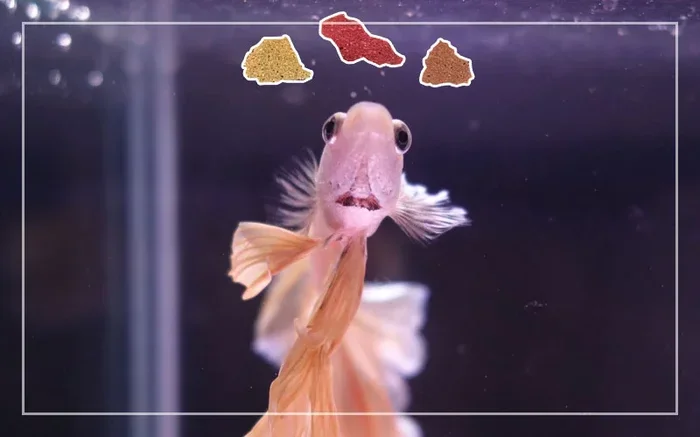
Yes, betta fish can eat Aqueon tropical flakes, but they should not be the only food in their diet. Aqueon flakes provide basic nutrition, yet bettas need more protein to truly thrive. This guide covers ingredients, feeding tips, and better alternatives to keep your betta healthy and colorful.
Many fish keepers wonder, can betta fish eat Aqueon tropical flakes? The short answer is yes, but there is more to the story. Aqueon is a trusted brand in the fish food world, and their tropical flakes sit on many aquarium shelves. But does that make them the best choice for your betta? Let us dig in and find out.
Betta fish are popular pets. They are colorful, active, and fun to watch. But feeding them the right food makes all the difference in their health and lifespan. Not all fish flakes are created equal. Some are packed with fillers, while others offer real nutrition. In this article, we will break down everything you need to know about feeding Aqueon tropical flakes to your betta.
Key Takeaways
- Aqueon tropical flakes are safe for bettas in moderation but lack the high protein bettas need.
- Check the ingredient list — look for fish meal, shrimp, and other animal-based proteins near the top.
- Feed small amounts once or twice a day — only what your betta can eat in two minutes.
- Supplement with betta pellets or frozen foods for a complete and balanced diet.
- Watch for uneaten flakes — they dissolve quickly and can dirty your tank water.
- A varied diet keeps bettas healthy — rotate between flakes, pellets, and live or frozen foods.
- Not all tropical flakes are equal — some brands offer better nutrition than others for bettas.
📑 Table of Contents
- What Are Aqueon Tropical Flakes?
- Can Betta Fish Safely Eat Aqueon Tropical Flakes?
- Nutritional Needs of Betta Fish
- How to Feed Aqueon Tropical Flakes to Your Betta
- Signs Your Betta Is Not Getting the Right Nutrition
- Better Alternatives to Aqueon Tropical Flakes for Bettas
- Common Mistakes When Feeding Flakes to Bettas
- Expert Insights on Betta Nutrition
- Final Thoughts
What Are Aqueon Tropical Flakes?
Aqueon is a well-known fish food brand. They make flakes, pellets, and frozen foods for many types of aquarium fish. Their tropical flakes are designed for community tropical fish. These flakes contain a mix of plant and animal ingredients meant to support general fish health.
But here is the thing — betta fish are not ordinary tropical fish. They are carnivores by nature. They need a diet high in protein and animal-based nutrients. So while Aqueon tropical flakes are not harmful, they may not give your betta everything it needs to truly thrive.
Key Ingredients in Aqueon Tropical Flakes
Most Aqueon tropical flakes contain ingredients like:
- Fish meal
- Wheat flour
- Soybean meal
- Shrimp meal
- Spirulina
- Vitamins and minerals
Some of these ingredients are good. Fish meal and shrimp meal offer protein. But wheat flour and soybean meal are fillers. They add bulk but not much nutrition. For a betta, this means the protein content may be too low. Bettas need at least 30-40% protein in their diet, and many tropical flakes fall short of that mark.
Can Betta Fish Safely Eat Aqueon Tropical Flakes?
Yes, betta fish can eat Aqueon tropical flakes without getting sick. The flakes are not toxic or dangerous. They will not harm your fish if given in the right amounts. So if you already have Aqueon flakes and a betta, you do not need to panic.
However, safe does not mean ideal. Think of it like feeding your dog fast food every day. It will not hurt them once in a while, but it is not the best long-term diet. The same idea applies here. Aqueon flakes can be part of your betta’s meals, but they should not be the main course.
If you want to learn more about feeding flakes to bettas in general, check out our guide on can betta eat tropical fish flakes. It covers the basics of flakes and bettas in more detail.
How Often Should You Feed Aqueon Flakes to Bettas?
If you choose to use Aqueon tropical flakes, keep the frequency low. Once a day is enough. Or even every other day. The goal is to use them as a supplement, not a staple. Pair the flakes with a high-quality betta pellet or frozen food for the best results.
Nutritional Needs of Betta Fish
Understanding what bettas need to eat is key to keeping them healthy. Bettas are insectivores and small carnivores in the wild. They eat larvae, small insects, and tiny crustaceans. Their bodies are built to process animal protein, not plant-based fillers.
Here is what a healthy betta diet looks like:
- High protein content — at least 30-40% crude protein
- Low filler content — avoid wheat, soy, and corn as primary ingredients
- Animal-based ingredients — fish meal, shrimp, krill, and insect meal are great
- Added vitamins — especially Vitamin C for immune support
- Variety — rotate between different food types for balanced nutrition
Aqueon tropical flakes may meet some of these needs, but not all. The protein percentage is often lower than what bettas really need. The fillers can also cause digestive issues over time if they make up too much of the diet.
Flakes vs. Pellets for Bettas
Many betta experts recommend pellets over flakes. Pellets sink or float, and they are more nutrient-dense. They also produce less waste. Flakes, on the other hand, break apart quickly and can cloud the water. If you want to know more about the flakes-versus-pellets debate, read our article on do betta fish eat flakes or pellets for a full comparison.
| Feature | Aqueon Tropical Flakes | High-Quality Betta Pellets |
|---|---|---|
| Protein Content | Moderate (25-30%) | High (35-45%) |
| Fillers | Wheat, soy | Low or none |
| Sinking/Floating | Floats briefly, then sinks | Floats or sinks (varies) |
| Water Quality Impact | Moderate — breaks down fast | Low — holds shape longer |
| Best For | Community tanks | Betta-specific diets |
| Price | Affordable | Slightly higher |
As you can see, betta pellets are generally a better fit for bettas. But flakes are not completely off the table. They just need to be used wisely.
How to Feed Aqueon Tropical Flakes to Your Betta
If you decide to feed Aqueon tropical flakes to your betta, follow these simple steps to do it safely and effectively.
- Break the flakes into small pieces. Bettas have small mouths. Large flakes can be hard for them to eat and may go uneaten.
- Feed a tiny amount. Only give what your betta can finish in about two minutes. Overfeeding leads to dirty water and health problems.
- Feed once a day at most. Do not use flakes as the main meal every day. Think of them as an occasional treat or a side dish.
- Remove uneaten flakes quickly. Flakes dissolve fast and release ammonia into the water. This can harm your betta and mess up your tank cycle.
- Pair flakes with other foods. Rotate with betta pellets, frozen bloodworms, or brine shrimp for a balanced diet.
Following these tips will help you avoid common feeding mistakes. It will also keep your betta healthy and your tank water clean.
Signs Your Betta Is Not Getting the Right Nutrition
Even with the best intentions, a poor diet can show up in your betta’s appearance and behavior. Watch for these warning signs:
- Dull colors — a healthy betta should be bright and vibrant. Fading color often means a lack of proper nutrients.
- Low energy — if your betta is hiding more than usual or not swimming actively, the diet may be the cause.
- Loss of appetite — bettas that eat poorly over time may start refusing food altogether.
- Swollen belly — this can be a sign of constipation from too many fillers and not enough protein.
- Fin rot or weakened immunity — poor nutrition makes bettas more vulnerable to disease.
If you notice any of these signs, it may be time to switch up your betta’s diet. Aqueon flakes alone are probably not enough. Consider adding a high-quality betta pellet or frozen food to the mix.
Better Alternatives to Aqueon Tropical Flakes for Bettas
If you want to give your betta the best possible diet, there are better options than standard tropical flakes. Here are some great alternatives:
1. Betta-Specific Pellets
Pellets made specifically for bettas are the gold standard. They are packed with protein and designed for betta digestion. Brands like Hikari Betta Bio-Gold and Omega One Betta Buffet are popular and effective. These pellets float, which makes it easy for bettas to eat them at the surface.
2. Frozen Bloodworms
Frozen bloodworms are a favorite among betta keepers. They are rich in protein and mimic the betta’s natural diet. You can feed them as a treat a few times a week. They make a great supplement to any betta food.
3. Freeze-Dried Brine Shrimp
Freeze-dried brine shrimp are another excellent option. They are high in protein and easy to store. Just make sure to soak them before feeding to avoid digestive issues.
4. Live Foods
Live foods like live brine shrimp or daphnia are the closest thing to what bettas eat in the wild. They are nutrient-rich and encourage natural hunting behavior. Many bettas love live foods and will get excited at feeding time.
For more ideas on what foods work well for bettas alongside tropical flakes, check out can I feed my betta tropical fish flakes for practical feeding tips and food combinations.
Common Mistakes When Feeding Flakes to Bettas
Even experienced fish keepers make mistakes. Here are some common ones to avoid:
- Feeding too many flakes at once. This leads to overfeeding and dirty water. Bettas have tiny stomachs — less is more.
- Using flakes as the only food source. Flakes alone do not provide complete nutrition for bettas. Variety is essential.
- Not soaking the flakes first. Dry flakes can expand in your betta’s stomach and cause bloating or constipation.
- Leaving uneaten flakes in the tank. Dissolving flakes release harmful chemicals into the water. Always remove leftovers.
- Ignoring the ingredient list. Not all flakes are the same. Some are loaded with fillers that do nothing for your betta’s health.
Avoiding these mistakes will help your betta live a longer, healthier, and more colorful life. Small changes in feeding habits can make a big difference.
Expert Insights on Betta Nutrition
Many experienced aquarists and fish veterinarians agree that bettas need a protein-rich diet. While tropical flakes can be part of the feeding plan, they should not be the foundation. Dr. Jessie Sanders, a certified aquatic veterinarian, often recommends rotating between pellets, frozen foods, and occasional flakes for the best results.
The key takeaway is this — food quality matters more than food type. A high-quality tropical flake that is rich in protein and low in fillers can work. A low-quality flake full of plant matter will not. Always read the label and choose the best option you can find.
If you are curious about whether other tropical fish foods work for bettas, you might enjoy our article on can I feed betta fish tropical fish food. It covers a wide range of tropical foods and how they fit into a betta’s diet.
Final Thoughts
So, can betta fish eat Aqueon tropical flakes? Yes, they can. Aqueon flakes are not dangerous or toxic. They are safe for occasional feeding. But they are not the best food for bettas on their own. The protein content is often too low, and the fillers can cause digestive problems over time.
The best approach is to use Aqueon tropical flakes as a supplement, not a main meal. Pair them with high-quality betta pellets, frozen bloodworms, or brine shrimp. This gives your betta the variety and nutrition it needs to stay healthy, colorful, and active.
Feeding your betta properly does not have to be complicated. A little knowledge and a little planning go a long way. Your betta will thank you with vibrant colors, energetic swimming, and a long, happy life. Start with these tips today and watch your betta thrive.
Frequently Asked Questions
Can betta fish eat Aqueon tropical flakes every day?
It is not recommended to feed Aqueon tropical flakes every day. Bettas need high-protein food, and these flakes are designed for general tropical fish. Use them as an occasional treat, not a daily staple.
Are Aqueon tropical flakes bad for bettas?
No, Aqueon tropical flakes are not bad for bettas. They are safe in moderation. However, they lack the high protein and low filler content that bettas need for optimal health. Think of them as a supplementary food, not a complete diet.
What is the best alternative to Aqueon tropical flakes for bettas?
Betta-specific pellets are the best alternative. They are formulated with higher protein content and fewer fillers. Frozen bloodworms and freeze-dried brine shrimp also make excellent supplemental foods for bettas.
How do I know if Aqueon flakes are good enough for my betta?
Check the ingredient list and protein percentage on the label. Look for fish meal or shrimp meal as the first ingredient. If the protein content is below 30%, the flakes are not ideal as a primary food for bettas.
Can baby betta fish eat Aqueon tropical flakes?
Baby bettas can eat small pieces of Aqueon flakes, but they need even more protein than adult bettas. It is better to feed them specialized betta fry food or crushed high-protein pellets for the best growth and development.
Will feeding only Aqueon flakes cause health problems in bettas?
Feeding only Aqueon flakes over a long period can lead to nutritional deficiencies. Bettas may experience dull colors, low energy, weakened immunity, and digestive issues from the high filler content. Always provide a varied diet for the best health outcomes.