Can Betta Fish Drown
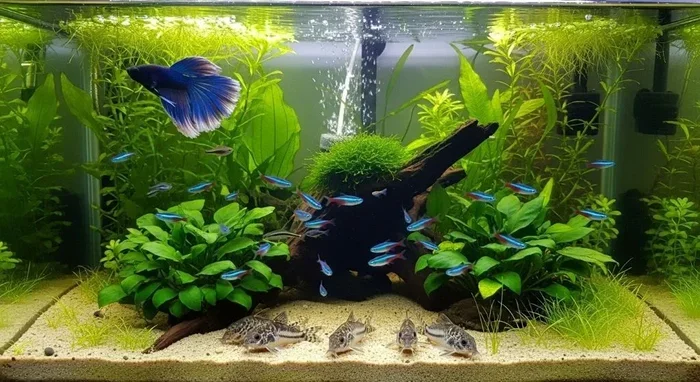
Yes, betta fish can drown if their tank lacks enough oxygen or if water conditions are poor. Bettas have a special organ called the labyrinth organ that lets them breathe air, but they still need clean, well-oxygenated water to survive. Understanding how bettas breathe and what causes drowning is the key to keeping your fish healthy and happy.
Many fish owners assume that betta fish are nearly indestructible. After all, they survive in small puddles and shallow rice paddies in the wild. But the truth is that can betta fish drown is a real question with a real answer. Yes, bettas can drown, and it happens more often than most people think.
The reason comes down to oxygen. Even though bettas have a special breathing adaptation, they still depend on healthy water conditions. When those conditions break down, your beautiful fish can find itself in serious trouble. Let us dive into exactly how this happens and what you can do to prevent it.
If you have ever wondered about the risks of keeping bettas in certain setups, you are not alone. This guide covers everything you need to know about betta fish drowning, from the science behind their breathing to practical steps you can take today. We will also touch on related topics like tank mates and water quality so you get a complete picture.
Key Takeaways
- Betta fish can drown: Despite their ability to breathe air, poor water conditions and low oxygen levels can cause a betta to drown.
- The labyrinth organ is key: Bettas have a unique organ that allows them to gulp air from the surface, but it is not a replacement for proper water oxygenation.
- Stagnant water is dangerous: Tanks with no water movement or filtration can quickly become low in oxygen, putting your betta at risk.
- Overcrowding and heat reduce oxygen: Too many fish, high temperatures, and lack of surface agitation all lower dissolved oxygen levels.
- Signs of distress are clear: Gasping at the surface, lethargy, and clamped fins are warning signs that your betta needs help.
- Prevention is simple: A good filter, regular water changes, and proper tank setup go a long way in keeping your betta safe.
📑 Table of Contents
Understanding How Betta Fish Breathe
To understand whether a betta can drown, you need to understand how it breathes. Most fish rely entirely on their gills to pull oxygen from water. Bettas are different. They have a special organ called the labyrinth organ, which works like a primitive lung. This lets them absorb oxygen directly from the air at the water surface.
This adaptation evolved because bettas live in slow-moving, warm, and often low-oxygen waters in Southeast Asia. In the wild, they regularly gulp air to supplement what their gills can pull from stagnant water. So yes, a betta can survive out of water for short periods if it stays moist.
The Labyrinth Organ Explained
The labyrinth organ sits near the gills and contains bony plates covered in thin tissue. When a betta gulps air, the oxygen passes through this tissue and enters the bloodstream. Think of it as a backup breathing system. It is amazing, but it has limits.
If the water is dirty or low in oxygen for too long, the betta must spend more time at the surface gulping air. This puts stress on the organ and the fish as a whole. Over time, poor conditions can overwhelm even this remarkable adaptation.
So when people ask can betta fish drown, the answer is yes. The labyrinth organ gives them an edge, but it does not make them immune to drowning. In fact, a betta in a tank with zero surface agitation and no filtration can suffocate just like any other fish.
Can Betta Fish Drown in a Tank?
The short answer is yes. A betta fish can drown in a tank if the water does not hold enough dissolved oxygen. This usually happens when the water is still, warm, and dirty. Let us break down the main causes.
Stagnant Water and Low Oxygen
Still water holds very little oxygen. Without a filter or air stone, the water in a betta tank can become oxygen-depleted quickly. A betta may gulp air at the surface, but if the water itself has no oxygen, the fish becomes stressed and eventually suffocates.
This is why many owners assume a small bowl is fine for a betta. A bowl with no filter and no water movement is a recipe for disaster. The water goes stale fast, oxygen drops, and the fish suffers.
High Water Temperature
Warm water holds less dissolved oxygen than cool water. Bettas thrive in temperatures between 76 and 82 degrees Fahrenheit. But if the water gets too warm, the oxygen levels drop even further. This creates a double problem. The betta needs more oxygen when it is warm, but the water holds less of it.
If you keep your betta in a heated tank without proper aeration, you increase the risk of betta fish drowning. A heater is important, but it must be paired with good water movement and surface agitation.
Overcrowded Tanks
Adding too many fish to a tank raises the oxygen demand. More fish means more waste, more bacteria, and less oxygen available for everyone. Bettas are territorial and do best alone, but some owners still try to keep them with other fish. If you are considering tank mates, check out this guide on can your betta fish live with other fish to make safe choices.
Overcrowding also leads to ammonia buildup, which damages the gills and makes it harder for the betta to extract oxygen from the water. Even with a labyrinth organ, a betta cannot thrive in toxic water.
Common Signs That Your Betta Is Struggling
Knowing the signs of oxygen deprivation can save your betta’s life. Fish are good at hiding illness, but when oxygen is low, the symptoms become hard to ignore.
- Gasping at the surface: This is the most obvious sign. Your betta is trying to get more oxygen from the air because the water cannot provide enough.
- Rapid gill movement: Even when not at the surface, fast gill beats mean the fish is struggling to breathe.
- Lethargy and inactivity: A healthy betta is curious and active. If yours sits at the bottom or floats listlessly, oxygen may be the issue.
- Clamped fins: Fins held close to the body signal stress and discomfort.
- Loss of color: A faded or dull appearance often accompanies breathing difficulties.
If you notice any of these signs, act quickly. Test the water parameters, check the temperature, and increase surface agitation. The faster you respond, the better your betta’s chances of recovery.
How to Prevent Your Betta From Drowning
The good news is that preventing betta fish drowning is straightforward. A few simple setup choices and maintenance habits make a huge difference.
Use a Proper Filter
A sponge filter or gentle hang-on-back filter provides both mechanical and biological filtration. It keeps the water clean and adds surface agitation, which boosts oxygen levels. Bettas do not like strong currents, so choose a filter with adjustable flow or baffle it with a sponge pre-filter.
Some owners wonder if they need a filter at all. The answer is yes. Even in a small tank, a filter helps maintain oxygen and removes harmful toxins. Without one, you are doing constant water changes just to keep the water safe.
Add Surface Agitation
Oxygen enters the water at the surface. The more movement you have there, the more gas exchange happens. A filter output pointed at the water surface works well. You can also add a small air stone, though some bettas prefer calm water. A gentle ripple is enough to keep oxygen levels stable.
Keep Up with Water Changes
Regular water changes remove waste and replenish oxygen. For a betta tank, aim for a 25 to 30 percent water change every week. Use a gravel vacuum to clean debris from the substrate. Always treat new water with a conditioner to remove chlorine and chloramine, which can harm your fish’s gills.
If you are curious about using tap water, check out this article on can you use tap water for your betta fish for safe water preparation tips.
Maintain the Right Temperature
Keep your tank between 76 and 82 degrees Fahrenheit. Use a reliable heater with a thermostat. Avoid placing the tank near windows, heaters, or vents where the temperature can swing wildly. Stable temperatures mean stable oxygen levels.
Do Not Overstock the Tank
A single betta needs at least 5 gallons of space. If you add other fish, the tank size must increase accordingly. More fish means more oxygen demand and more waste. Keep the bioload low to maintain healthy water conditions.
Myths About Betta Fish and Drowning
There are many misconceptions about bettas and drowning that spread bad advice. Let us clear up a few of the most common ones.
Myth: Bettas Can Live in a Bowl
This is perhaps the most dangerous myth. A small bowl has very little surface area for gas exchange. Oxygen levels drop fast, and waste builds up quickly. A betta in a bowl is at high risk of drowning from oxygen deprivation, even if it has access to air.
Myth: Bettas Do Not Need a Filter Because They Breathe Air
While bettas can breathe air, they still live in water. Their gills need clean, oxygen-rich water to function properly. A filter is not optional. It keeps the water healthy and the oxygen levels stable.
Myth: Bettas Can Drown if They Go Underwater
Betta fish spend time underwater all the time. They do not drown simply from being submerged. The real danger comes from low oxygen in the water or poor water quality that makes it impossible for them to breathe effectively.
What to Do If Your Betta Is Drowning
If you suspect your betta is struggling to breathe, do not panic. Take these steps right away:
- Check the water temperature: Make sure it is within the safe range of 76 to 82 degrees.
- Test the water parameters: Look for ammonia, nitrite, and nitrate levels. Ammonia and nitrite should be at zero.
- Increase surface agitation: Adjust your filter output or add gentle aeration.
- Do a partial water change: Replace 25 to 30 percent of the tank water with treated, temperature-matched water.
- Remove any stressors: If you have aggressive tank mates, separate the betta immediately.
- Observe for improvement: Within a few hours, your betta should show signs of recovery if the cause was low oxygen.
If the problem persists, consider raising the tank slightly to increase surface area and gas exchange. You can also use a liquid water conditioner to detoxify ammonia in an emergency. For more information on keeping your betta safe and healthy, check out our guide on can you drown a betta fish for additional insights.
Final Thoughts
The question can betta fish drown is not just a curiosity. It is a matter of life and death for your fish. Bettas are resilient and adaptable, but they are not invincible. They need clean water, proper oxygen levels, and a well-maintained tank to truly thrive.
The best thing you can do as a betta owner is to understand how they breathe and what goes wrong. With a good filter, regular maintenance, and proper tank setup, you can keep your betta safe from drowning and enjoy many years of companionship with your fish.
Remember, a happy betta is an active betta. Watch for the warning signs, keep the water clean, and never underestimate the power of good oxygenation. Your fish will thank you with vibrant colors and lively behavior every single day.
Frequently Asked Questions
Can a betta fish actually drown like a human?
Yes, in a way. While bettas do not drown the same way humans do, they can suffocate when the water has too little dissolved oxygen. Their labyrinth organ lets them breathe air, but they still need oxygen-rich water to survive. Without it, they will gasp, become stressed, and can die.
What causes low oxygen in a betta tank?
Stagnant water, high temperatures, overcrowding, and lack of filtration all reduce oxygen levels. Dead plant matter and excess waste also consume oxygen as they decompose. Keeping your tank clean and well-aerated prevents these problems.
Do betta fish need an air pump?
Not always. A good filter that creates surface agitation is usually enough. However, if your tank is warm or heavily stocked, an air pump can help boost oxygen levels. Watch your betta for signs of gasping at the surface to know if more aeration is needed.
Can a betta drown in a bowl with no filter?
Yes, this is one of the most common ways bettas drown. A bowl with no filter has very little water movement and poor oxygen exchange. Even if the betta can gulp air, the water itself becomes oxygen-depleted and toxic from waste buildup very quickly.
How can I tell if my betta tank has enough oxygen?
Watch your betta’s behavior. A healthy betta moves actively and only comes to the surface occasionally to breathe. If you notice frequent surface gulping, rapid gill movement, or lethargy, your tank may have low oxygen. A test kit can also measure dissolved oxygen levels.
Is it safe to keep bettas with other fish?
It can be, but tank mates must be chosen carefully. Avoid aggressive or fast-swimming fish that stress your betta. Also, more fish means more oxygen demand. For guidance on compatible tank mates, see our article on can your betta fish with other fish.
=== CONCLUSION ===
Can betta fish drown? Yes, they can, and now you know exactly why and how it happens. The labyrinth organ gives bettas a unique advantage, but it does not protect them from poor water conditions, low oxygen, and bad tank management. By providing a properly filtered tank, good surface agitation, and regular maintenance, you keep your betta safe and thriving.
Take the steps outlined in this guide today. Check your filter, test your water, and watch your fish closely. A little prevention goes a long way toward making sure your betta lives a long, healthy, and happy life.