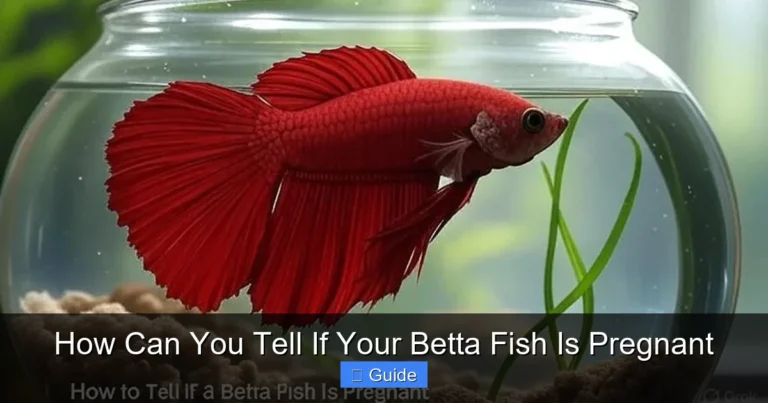
Can a Betta Fish Live in a Small Bowl
So, can a betta fish live in a small bowl? The short answer is yes, but it comes with serious caveats. A small bowl limits your betta’s health, lifespan, and happiness because it restricts water quality, space, and temperature stability. Many experts now recommend a minimum 5-gallon tank over any bowl for long-term betta care. Let’s break down exactly what you need to know.
You love your betta fish, and you want to give it the best home possible. Maybe you have a tiny desk, a dorm room, or just a small space to work with. That raises one big question: can a betta fish live in a small bowl?
The answer is not a simple yes or no. A betta can survive in a small bowl, but surviving and thriving are two very different things. Many new fish owners assume a tiny bowl is enough because bettas are hardy fish. The truth is a lot more complicated than that.
In this guide, we will walk through everything you need to know about keeping a betta in a small bowl. We will cover the risks, the right setup, and better alternatives that will help your fish live a longer, happier life.
Key Takeaways
- Small bowls can work short-term: A betta can survive in a small bowl, but it is not ideal for long-term health.
- Water quality drops fast: Small bowls accumulate toxins quickly, requiring frequent water changes.
- Temperature control is harder: Small volumes of water heat up and cool down rapidly, stressing your betta.
- A 5-gallon tank is the real minimum: Most fish experts agree that a small tank far outperforms any bowl.
- Filtration and heating matter: Even in a small setup, basic filtration and a heater greatly improve your betta’s life.
- Bettas need enrichment: Plants, hiding spots, and open swimming space keep bettas mentally healthy.
- Longevity drops in bowls: Bettas can live 3-5 years in proper tanks but often die within months in small bowls.
📑 Table of Contents
- Why the Bowl Size Matters for Betta Fish
- Can a Betta Survive in a Bowl Without a Filter?
- Water Temperature and Heating in Small Bowls
- Setting Up a Small Bowl the Right Way
- The Real Problem: Longevity and Quality of Life
- Better Alternatives to a Small Bowl
- Common Mistakes People Make With Small Bowls
- Quick Tips for a Healthy Betta in a Small Bowl
- Final Thoughts
Why the Bowl Size Matters for Betta Fish
Bettas are often sold in tiny cups at pet stores. That does not mean they belong in tiny bowls at home. Your fish needs space to swim, explore, and stay healthy. A small bowl restricts all of that.
The Science Behind Water Volume
Water volume is the single most important factor in a fish’s environment. In a small bowl, water quality changes fast. Ammonia from waste builds up quickly. Nitrite and nitrate levels spike in hours, not days. This creates a toxic environment that stresses your betta.
Here is a simple comparison of how water quality changes in different setups:
- 1-gallon bowl: Ammonia spikes within 12-24 hours. Water changes needed every day.
- 3-gallon bowl: Ammonia builds up in 24-48 hours. Water changes every 2-3 days.
- 5-gallon tank: Ammonia stays stable for 3-5 days. Weekly water changes work well.
- 10-gallon tank: Very stable water parameters. Bi-weekly changes are usually enough.
As you can see, even a small jump in volume makes a huge difference. If you are set on a bowl, go for the largest one you can. But honestly, a 5-gallon tank is the sweet spot for betta care.
How Small Bowls Affect Betta Behavior
Bettas are active fish. They explore, they build bubble nests, and they like to swim. In a tiny bowl, your betta may seem lazy or bored. This is not because bettas are low-energy fish. It is because they have nowhere to go.
Stress from a cramped space weakens your betta’s immune system. A stressed fish gets sick more easily. Common problems include fin rot, ich, and loss of color. All of these are preventable with a better setup.
If you want to learn more about what bettas really need for space, check out our guide on can a betta fish live in a small tank for detailed tank size recommendations.
Can a Betta Survive in a Bowl Without a Filter?
This is one of the most common questions new betta owners ask. The short answer is yes, a betta can live without a filter, but it requires a lot more work from you.
The Role of Filtration in a Small Bowl
A filter does three important things. It removes physical debris, it hosts beneficial bacteria that break down ammonia, and it keeps water moving. In a small bowl, none of these happen naturally. You become the filter.
Without a filter, you need to:
- Change 50-100% of the water every 1-2 days
- Suck up waste from the bottom with a turkey baster
- Monitor water parameters with test strips weekly
- Watch for signs of ammonia stress like gasping or clamped fins
This is a lot of effort. Most people underestimate it. A small sponge filter costs under $10 and makes life easier for both you and your fish. If you want to understand the filter situation better, our article on can betta fish live in a bowl without filter goes deeper into this topic.
Can You Use a Bowl With a Lid?
Bettas are labyrinth fish. That means they breathe air from the surface. A lid is actually important because it prevents your betta from jumping out. But a lid also traps humidity and heat, which can be a good thing in a small setup.
The key is to leave a small gap or use a lid with openings. This allows air exchange while keeping your fish safe. A bowl with a lid can work if you manage the temperature and airflow properly.
Water Temperature and Heating in Small Bowls
Bettas are tropical fish. They need warm water between 76°F and 82°F (24-28°C). This is where small bowls become a real problem.
Why Temperature Fluctuations Hurt Bettas
A small bowl of water heats up fast under a lamp. But it also cools down fast when the room gets drafty or the lights turn off. These temperature swings stress your fish. Over time, chronic stress leads to disease and a shorter lifespan.
Here is what happens when water temperature drops too low:
- Below 74°F: Your betta becomes sluggish and may stop eating
- Below 70°F: Immune system weakens significantly. Illness becomes likely
- Below 65°F: Your betta is in danger. This is life-threatening
Do You Need a Heater for a Small Bowl?
Ideally, yes. A small adjustable heater designed for tanks under 5 gallons can keep the temperature stable. These heaters cost around $10-15 and are a worthwhile investment. Without one, you are relying on room temperature, which is almost never warm enough year-round.
Some people keep their betta in a warm room and skip the heater. This can work in tropical climates or heated apartments. But for most people, a heater is essential. You can also explore whether betta fish live in unheated bowl conditions by checking our dedicated article on that topic.
Setting Up a Small Bowl the Right Way
If you have decided to keep your betta in a small bowl despite the challenges, here is how to do it right. The setup matters more than the size alone.
Step-by-Step Bowl Setup
- Choose the largest bowl possible. Aim for at least 2-3 gallons. Anything smaller is extremely difficult to maintain.
- Add a small sponge filter. This helps with biological filtration and reduces your water change frequency.
- Install a small heater. Set it to 78°F for optimal comfort.
- Use a lid. Prevent jumping and reduce evaporation.
- Add a few live plants. Plants help absorb ammonia and provide hiding spots. Silk or live plants are fine; avoid sharp plastic decorations.
- Use a gentle air stone or sponge filter. This adds oxygen without creating too much current.
Even with a perfect setup, a small bowl needs more maintenance than a larger tank. Plan to do partial water changes at least every 2-3 days. Use a turkey baster to remove waste from the bottom.
Best Bowl Types for Betta Fish
Not all bowls are created equal. Here is a quick look at common options:
- Glass bowls: Easy to clean, no chemical leaching. Best choice for a small setup.
- Plastic bowls: Lightweight and affordable. Make sure it is food-grade plastic without harmful coatings.
- Ceramic bowls: Heavy and stable. Good insulation helps with temperature retention.
- Plant vases: Popular for bettas but hard to clean. The narrow neck limits access for maintenance.
If you are considering a glass setup, you might also wonder about can a betta fish live in a glass bowl. The answer is yes, glass is one of the best materials for a small betta home. Just make sure it is large enough and has proper filtration.
The Real Problem: Longevity and Quality of Life
This is the part most people do not want to hear. A betta in a small bowl will likely live a shorter life than a betta in a proper tank. In the wild, bettas can live 3 to 5 years. In a well-maintained 5-gallon tank, they often reach that range. In a small bowl, many bettas die within months.
Why Bettas Die Early in Small Bowls
The causes are usually a combination of factors:
- Poor water quality: Ammonia and nitrite burn the gills and damage organs
- Chronic stress: Weakens the immune system and invites disease
- Temperature swings: Puts the body under constant strain
- Lack of enrichment: Leads to behavioral issues and depression-like symptoms
- Inadequate diet: Overfeeding in small bowls causes water to foul faster
The good news is that you can avoid all of these with the right knowledge and a little effort. Your betta deserves better than a survival setup. It deserves a home where it can truly thrive.
Better Alternatives to a Small Bowl
If you are willing to give your betta a bit more space, there are excellent options that are still compact and desk-friendly.
The 5-Gallon Tank: The Gold Standard
A 5-gallon tank is the minimum size recommended by most betta experts. It is small enough to fit on a desk but large enough to support stable water conditions. You can add a filter, a heater, and a few plants easily.
A 5-gallon setup gives your betta room to swim and explore. It also makes maintenance manageable. Weekly water changes of 25-30% keep things stable. You can even add a betta-safe companion like a snail or a small school of shrimp.
Other Compact Options
- 10-gallon tank: Even better stability and more room for enrichment
- Nano aquariums: Designed specifically for small spaces with built-in filtration
- Desktop aquarium kits: Often come with everything you need, including filters and lights
If you are curious about other creative homes for bettas, you might wonder about can betta fish live in a plant vase or can betta fish live in a mason jar. While these can work temporarily, they all share the same limitations of small volume and unstable water chemistry.
For a deeper look at the bowl vs. tank debate, our article on can betta fish live in a bowl covers the full picture with expert insights and practical advice.
Common Mistakes People Make With Small Bowls
Even well-meaning owners make mistakes that shorten their betta’s life. Here are the most common ones to avoid.
Overfeeding
Bettas have small stomachs. In a bowl, uneaten food rots quickly and pollutes the water. Feed your betta 2-3 pellets twice a day. Remove any leftovers after 2 minutes.
Skipping Water Changes
Some owners think a bowl with a plant can “filter” the water. Plants help a little, but they cannot replace regular water changes. In a small bowl, you are the filtration system. Do not skip your duties.
Using Tap Water Without Treatment
Tap water contains chlorine and chloramine, both of which are toxic to fish. Always use a water conditioner before adding new water to your bowl. This is a non-negotiable step in betta care.
Placing the Bowl in Direct Sunlight
Direct sunlight causes algae blooms and temperature spikes. Both are harmful. Place your betta’s bowl in a spot with indirect light and stable room temperature.
Quick Tips for a Healthy Betta in a Small Bowl
- Always use a water conditioner when adding fresh water
- Test water parameters weekly with simple test strips
- Perform 50% water changes every 2-3 days
- Keep the bowl away from drafts and direct sunlight
- Add a few live plants to help absorb toxins
- Feed small amounts twice a day, never more than your betta can eat in 2 minutes
- Watch for signs of stress like clamped fins, loss of color, or rapid breathing
- Clean the bowl gently without soap or chemicals
Final Thoughts
So, can a betta fish live in a small bowl? Yes, technically it can. But the real question you should be asking is: should it? A small bowl is not a good long-term home for a betta fish. It limits your fish’s quality of life, shortens its lifespan, and requires constant maintenance on your part.
If you have the space, invest in a 5-gallon tank. Your betta will be happier, healthier, and more active. You will also enjoy watching it more. Fishkeeping is a rewarding hobby, and giving your betta the right home is the best way to start.
Remember, your betta is a living creature that depends on you. It may be small, but its needs are real. Give it the best you can, and you will be rewarded with a beautiful, lively companion for years to come.
Frequently Asked Questions
Can a betta fish live in a 1-gallon bowl?
A betta can survive in a 1-gallon bowl, but it is not a good long-term home. Water quality deteriorates very fast in such a small volume, requiring near-daily water changes. A 1-gallon bowl is better than a tiny cup, but a 5-gallon tank is always the healthier choice.
How often should I change the water in a small betta bowl?
For a small bowl under 3 gallons, you should do a 50% water change every 2-3 days. This helps keep ammonia and nitrite levels safe. Always use treated water at the same temperature as the bowl water.
Do betta fish need a heater in a small bowl?
Yes, bettas need warm water between 76-82°F. In a small bowl, temperature changes very quickly, so a small heater is highly recommended. Room temperature alone is usually not warm enough to keep your betta comfortable year-round.
Can betta fish live in a bowl with plants?
Yes, live plants can help improve water quality by absorbing ammonia and producing oxygen. However, plants alone cannot replace filtration or regular water changes. A bowl with plants still needs consistent maintenance to keep your betta healthy.
Why does my betta stay at the top of the bowl?
Betta fish often stay at the surface because they are breathing air using their labyrinth organ. However, if your betta is gasping frequently, it could mean low oxygen or high ammonia levels. Check your water parameters and consider increasing water change frequency.
Is it cruel to keep a betta in a small bowl?
Keeping a betta in a very small bowl is not necessarily cruel if you maintain excellent water quality and provide proper care. However, it does limit the fish’s ability to thrive. Most animal welfare experts recommend a minimum of 5 gallons for a single betta to ensure a good quality of life.