Can a Betta Fish Live in a Fish Bowl
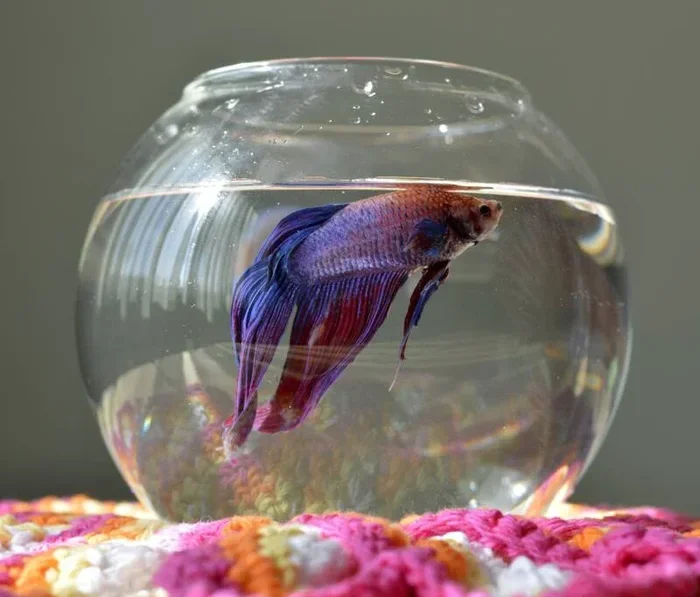
Yes, a betta fish can live in a fish bowl, but it requires the right setup and consistent care. Many beginners wonder whether a small bowl is enough for a betta, and the answer depends on bowl size, filtration, and water quality. This guide covers everything you need to know about creating a safe and comfortable home for your betta in a bowl.
Many fish lovers start their journey with a single betta fish and a decorative bowl. It is a classic image. You see them in pet stores, sitting on shelves, glowing with color. But can a betta fish live in a fish bowl for real? The short answer is yes. The longer answer is much more interesting.
A betta fish bowl setup can work, but it comes with responsibilities. Bettas are not just pretty decorations. They are living creatures with specific needs. Understanding those needs is the first step toward giving your fish a happy, healthy life. In this guide, we will walk through everything you need to know about keeping a betta in a bowl.
Whether you already have a bowl or are thinking about buying one, this article covers bowl size, water conditions, feeding, and common mistakes. We will also look at why some people choose a bowl over a tank and what trade-offs come with that decision. Let us dive in.
Key Takeaways
- Betta fish can live in a fish bowl: Bettas are resilient fish that can survive in a bowl, but they thrive better in larger, well-maintained setups.
- Bowl size matters a lot: A minimum of 2.5 gallons is recommended for a healthy betta fish living in a fish bowl.
- Water quality is critical: Regular water changes and proper temperature control are essential for betta bowl care.
- Filtration helps but isn’t always required: A gentle filter can improve water conditions, but many keep bettas in unfiltered bowls with diligent maintenance.
- Avoid goldfish bowls: Goldfish bowls are often too small and can harm your betta fish’s health over time.
- Live plants and hiding spots improve well-being: Adding safe plants and decorations reduces stress for your betta.
📑 Table of Contents
Can a Betta Fish Live in a Fish Bowl?
The idea of a betta swimming in a tiny glass bowl is everywhere. It is a common sight in homes, offices, and even restaurants. But the question remains: is a bowl a good home for a betta fish?
The truth is that bettas can survive in a fish bowl. They are hardy fish. In the wild, bettas live in shallow rice paddies, slow streams, and flood plains. These environments are often small and shallow. So, a bowl does not completely go against their natural habitat. However, surviving and thriving are two very different things.
A betta fish living in a fish bowl can do well if the owner takes proper care of the water and environment. Without proper care, a bowl can become a stressful and even dangerous place for your fish. The key is understanding what your betta needs and providing it consistently.
Why Bettas Can Survive in Bowls
Bettas belong to a group of fish called anabantoids. They have a special organ called the labyrinth. This organ allows them to breathe air from the surface. In the wild, bettas often live in water with low oxygen levels. The labyrinth gives them an advantage. It means they can survive in smaller bodies of water where other fish might struggle.
This is why you see bettas in tiny cups at pet stores. They can breathe atmospheric air, so they do not need the same water volume that other tropical fish need. But again, surviving is not the same as living a good life. A betta fish bowl setup needs more than just air access.
The Difference Between Surviving and Thriving
A betta in a neglected bowl may live for a year or two. A betta in a well-maintained bowl or tank can live for five years or more. The difference comes down to water quality, diet, and stress levels. A cramped, dirty bowl causes stress. Stress leads to disease. A clean, appropriately sized bowl supports better health and brighter colors.
If you want your betta fish to live in a fish bowl for years, you need to commit to regular maintenance. This is not a set-it-and-forget-it situation. Your fish depends on you for its environment.
Choosing the Right Bowl Size
Not all bowls are created equal. The size of the bowl makes a huge difference in your betta’s quality of life. When people ask if a betta fish can live in a fish bowl, the size of that bowl is the first thing we look at.
Minimum Bowl Size for Betta Fish
The general recommendation is at least 2.5 gallons. Some experts say 3 gallons or more is even better. A bowl smaller than 2.5 gallons is very difficult to maintain. Water parameters can crash quickly in such a small volume. Even with regular water changes, tiny bowls create unstable environments.
Here is a quick look at common bowl sizes and what they mean for your betta:
- 1 gallon or less: Not recommended. Water quality fluctuates too fast. Stress and disease risk are high.
- 2.5 gallons: Minimum acceptable size. Works with diligent maintenance and frequent water changes.
- 5 gallons: Ideal bowl size. More stable water parameters. Room for plants and gentle decoration.
- 10 gallons or more: Excellent. At this size, you can consider adding a gentle filter and heater.
Remember, a goldfish bowl is not the right choice for a betta. Goldfish bowls are often shaped oddly and made of thick glass that limits swimming space. They also tend to be too small for long-term betta health.
Why Bigger Is Always Better
A larger bowl gives you more room for error. Water temperature stays more stable. Waste products dilute more effectively. You also get more space to add live plants and gentle decorations. These elements reduce stress and make your betta feel more at home.
If you are serious about keeping a betta fish in a bowl, aim for at least 5 gallons. Your fish will thank you with better color, more energy, and a longer lifespan.
Setting Up a Betta Fish Bowl
A proper setup makes all the difference. You cannot just fill a bowl with tap water and drop in a betta. There are steps you need to follow to create a safe environment.
Water Conditions for a Betta Bowl
Bettas prefer warm water between 76 and 82 degrees Fahrenheit. They also like slightly acidic to neutral pH, around 6.5 to 7.0. Tap water often contains chlorine and chloramine, which are harmful to fish. You need to treat your water with a conditioner before adding it to the bowl.
Here are the key water parameters to monitor:
- Temperature: 76 to 82 degrees Fahrenheit. A small heater designed for bowls can help maintain this.
- pH level: 6.5 to 7.0. Test kits are inexpensive and easy to use.
- Ammonia: 0 ppm. Any ammonia is dangerous for your betta.
- Nitrite: 0 ppm. Toxic even at low levels.
- Nitrate: Below 20 ppm. Regular water changes keep nitrate in check.
Do You Need a Filter in a Betta Bowl?
Many people wonder if a betta fish can live in a fish bowl without a filter. The answer is yes, but it requires more work. Without a filter, you need to do partial water changes every few days. A gentle sponge filter is a great addition if your bowl is 5 gallons or larger. It helps remove waste and keeps the water cleaner longer.
Just make sure the filter flow is not too strong. Bettas are not strong swimmers. A powerful current can stress them out and make it hard for them to reach the surface to breathe.
Decorations and Plants
Bettas love places to hide and explore. Adding silk plants, smooth rocks, and gentle decorations creates a more natural feel. Live plants are even better. They help absorb nitrates and produce oxygen. Some great options for a betta fish bowl include java fern, anubias, and marimo moss balls.
Avoid sharp decorations or rough gravel. Bettas have long, flowing fins that can tear easily. Keep the decorations soft and safe.
Feeding Your Betta in a Bowl
Feeding is straightforward, but overfeeding is a common mistake. Bettas are carnivores. They need a diet high in protein. Pellets specifically formulated for bettas are the best staple food. You can also offer frozen or live brine shrimp and bloodworms as treats.
Feed your betta small amounts once or twice a day. Only give what they can eat in two to three minutes. Excess food sinks to the bottom and decays, which pollutes the water. In a small bowl, even a little extra food can cause water quality problems fast.
Quick Feeding Tips
- Stick to a regular feeding schedule. Bettas do well with routine.
- Skip one feeding day per week. This helps prevent constipation.
- Variety is important. Rotate between pellets, frozen foods, and live foods.
- Watch for uneaten food. Remove it before it decomposes.
Proper feeding supports your betta’s immune system and keeps their colors vibrant. A well-fed betta in a clean bowl is a happy betta.
Common Mistakes People Make with Betta Bowls
Even well-meaning owners can make mistakes that hurt their betta. Knowing these common errors helps you avoid them.
Using a Bowl That Is Too Small
The biggest mistake is choosing a bowl that is too small. Those tiny 0.5-gallon cups are not suitable for long-term care. They cause stress, poor water quality, and shortened lifespan. If you want your betta fish to live in a fish bowl happily, invest in a larger bowl from the start.
Skipping Water Changes
Some owners think a bowl can self-sustain. It cannot. Even with a filter, waste builds up. Without regular water changes, ammonia and nitrite levels rise. This leads to illness and can be fatal. A partial water change of 25 to 50 percent every week is a good baseline.
Overcrowding the Bowl
Bettas are solitary fish. They do not need tank mates in most cases. Adding other fish to a small bowl creates stress and competition for resources. If you want to keep other species, you need a larger tank with plenty of space and hiding spots.
Ignoring Temperature
Room temperature water is often too cold for bettas. They need warm, stable temperatures. Cold water slows their metabolism and weakens their immune system. A small bowl heater is a worthwhile investment, especially in cooler climates.
How Long Can a Betta Fish Live in a Bowl?
This is one of the most common questions people ask. The lifespan of a betta depends heavily on the care they receive. In a small, neglected bowl, a betta might live for one to two years. In a well-maintained bowl of 5 gallons or more, a betta can live for four to five years. Some owners report their bettas living even longer with excellent care.
The betta fish lifespan in a bowl is directly tied to water quality, diet, and stress levels. Clean water, proper feeding, and a stable environment give your fish the best chance at a long, healthy life.
If you are committed to the routine of regular maintenance, a bowl can be a perfectly fine home. But if you want the easiest and healthiest setup for your betta, a larger tank with a filter and heater is the way to go.
Bowl vs. Tank: Which Is Better for Your Betta?
Many fish keepers debate whether a bowl or a tank is better for a betta. Both have pros and cons. Here is a simple comparison:
- Bowl Pros: Compact, affordable, easy to place, and visually appealing. Great for small spaces.
- Bowl Cons: Limited water volume, unstable parameters, no room for equipment like filters or heaters, and higher maintenance frequency.
- Tank Pros: More stable water conditions, room for equipment, more swimming space, and easier to maintain over time.
- Tank Cons: Takes up more space, costs more upfront, and requires a bit more setup knowledge.
For beginners who want a simple setup, a betta fish bowl can work. But for the long-term health and happiness of your fish, a 5-gallon tank is the better choice. It gives you more flexibility and creates a more stable environment.
Final Thoughts
So, can a betta fish live in a fish bowl? Absolutely. But it takes work, knowledge, and commitment. A bowl is not a low-maintenance option. It requires frequent water changes, careful monitoring of water parameters, and a thoughtful setup. If you are willing to put in the effort, your betta can live a happy and healthy life in a bowl.
Remember, the goal is not just survival. It is thriving. Give your betta the best possible environment, whether that is a bowl or a tank, and you will be rewarded with a beautiful, lively companion for years to come.
Start with the right size bowl. Keep the water clean. Feed wisely. And enjoy the unique charm that a betta fish in a bowl brings to your home.
Frequently Asked Questions
Can a betta fish live in a fish bowl without a filter?
Yes, a betta can live in a bowl without a filter, but you will need to do more frequent water changes. Without filtration, waste builds up faster, so aim for partial water changes every three to five days. A filter makes maintenance easier and keeps water quality more stable.
What size bowl is best for a betta fish?
A minimum of 2.5 gallons is recommended, but 5 gallons or more is ideal. Larger bowls provide more stable water conditions and room for plants and decoration. Avoid bowls smaller than 2 gallons for long-term betta care.
How often should I change the water in a betta fish bowl?
You should do a partial water change of 25 to 50 percent every week. If your bowl is smaller than 3 gallons, you may need to change the water more frequently. Always use treated water that is the same temperature as the bowl water.
Can a betta fish live in a goldfish bowl?
While a betta can physically fit in a goldfish bowl, it is not ideal. Goldfish bowls are often too small and lack proper filtration. A standard round bowl also limits swimming space and makes it hard to maintain good water quality for your betta.
Do betta fish need a heater in a bowl?
Yes, bettas need warm water between 76 and 82 degrees Fahrenheit. Room temperature water is often too cool. A small bowl heater can help maintain a stable temperature, especially in colder rooms or during winter months.
Can two betta fish live in the same bowl?
No, two male bettas should never share a bowl. They will fight and can seriously injure or kill each other. Female bettas may sometimes live together in larger setups, but a small bowl is not suitable for multiple bettas. Stick to one betta per bowl.