Can a Betta Fish Live in a 3 Gallon Tank
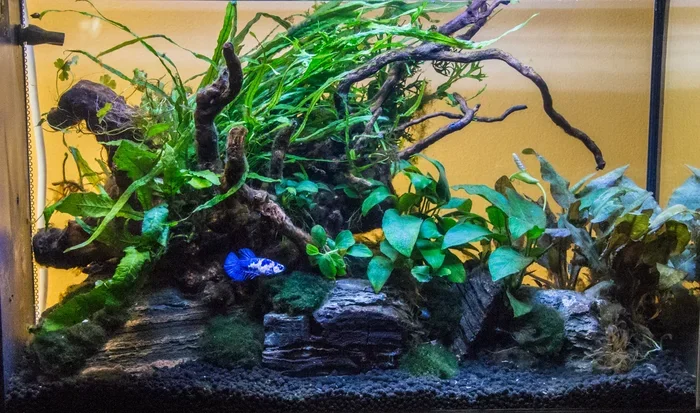
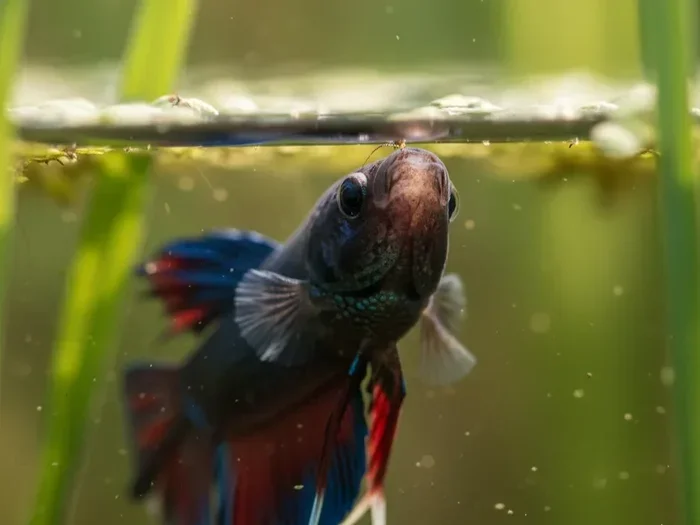
Yes, a betta fish can live in a 3 gallon tank, but it requires careful setup and consistent maintenance. A 3 gallon tank is on the smaller side for a betta, so you need to pay close attention to water quality, filtration, and heating. This guide covers everything you need to know about creating a safe and comfortable betta fish habitat in a compact space.
Many new fish keepers wonder whether a betta fish can live in a 3 gallon tank. The short answer is yes. But the better question is whether your betta will thrive in such a small space. A 3 gallon tank can work, but it comes with real challenges that every owner needs to understand.
Bettas are often sold in tiny cups at pet stores. That might make a 3 gallon setup seem generous. But in reality, these fish need stable water conditions, room to swim, and a proper environment to stay healthy. A small tank demands more from you as an owner. You will need to test water more often, do more frequent water changes, and keep a close eye on your fish.
This guide walks you through everything you need to know about keeping a betta in a 3 gallon tank. We will cover setup, maintenance, common mistakes, and tips to make the habitat as healthy as possible. Whether you are a beginner or a seasoned keeper, you will find practical advice here.
Key Takeaways
- A betta fish can live in a 3 gallon tank: It is possible, but not ideal for long-term health.
- Water quality is critical: Small tanks accumulate toxins fast, so frequent water changes are a must.
- A filter and heater are essential: Even in a tiny tank, these tools help maintain stable conditions.
- Live plants and minimal decorations: They save space and improve water quality naturally.
- A 5 gallon tank is better: If possible, upgrading to a larger tank gives your betta more room to thrive.
- Watch for stress signs: Clamped fins, lethargy, and loss of color can signal poor tank conditions.
- Regular testing keeps your betta safe: Monitor ammonia, nitrite, and nitrate levels weekly.
📑 Table of Contents
- Understanding the 3 Gallon Tank for Betta Fish
- Setting Up a 3 Gallon Tank for Your Betta
- Water Quality and Maintenance Routine
- Can a Betta Fish Thrive in a 3 Gallon Tank Long-Term?
- Upgrading From a 3 Gallon Tank
- Common Mistakes to Avoid in a 3 Gallon Betta Tank
- Expert Tips for a Healthy Betta in a Small Tank
- Conclusion
Understanding the 3 Gallon Tank for Betta Fish
A 3 gallon tank is a small but manageable aquarium. It works best for a single betta fish. Anything larger than one fish in this size tank will quickly lead to water quality problems. Let us break down what makes this tank size both a challenge and a viable option.
Why Tank Size Matters for Bettas
Tank size directly affects water stability. In a larger tank, toxins like ammonia and nitrite dilute over a bigger volume. In a 3 gallon tank, even a small amount of waste can spike those levels fast. Bettas are sensitive to poor water conditions. A sudden change can stress them out or even make them sick.
A bigger tank gives your fish more room to explore and exercise. Bettas are curious creatures. They like to swim around plants, caves, and open spaces. In a 3 gallon setup, you have limited room. But with smart decorating, you can still create an engaging environment.
How a 3 Gallon Tank Compares to Other Sizes
Here is a quick look at how a 3 gallon tank stacks up against other common sizes for bettas:
- 1 gallon: Too small for long-term health. Hard to maintain stable conditions.
- 3 gallon: Workable for a single betta with diligent maintenance.
- 5 gallon: The recommended minimum size. Much easier to keep stable.
- 10 gallon: Ideal for a single betta or a small community setup.
If you want more space for your betta, you can also check out our guide on can a betta fish live in a 10 20 tank to see what a larger setup looks like.
Setting Up a 3 Gallon Tank for Your Betta
A proper setup makes all the difference. A 3 gallon tank is small, so every choice you make matters. You need the right equipment, decorations, and water parameters to keep your betta healthy.
Essential Equipment for a Small Tank
Even though the tank is small, you still need key equipment. Here is what you should include:
- Filter: A small sponge filter or hang-on-back filter rated for 3-5 gallons. Strong filters can create too much flow for bettas, so choose one with adjustable output.
- Heater: Bettas need warm water between 76-82°F. A 5-watt or 10-watt aquarium heater works well for a 3 gallon tank.
- Thermometer: A simple stick-on thermometer helps you monitor temperature daily.
- Lighting: Standard LED aquarium lights are fine. Avoid bright lights that create too much heat in a small tank.
Using a filter in a small tank is especially important. A 3 gallon tank without a filter will need daily water changes, which is a lot of work. A filter helps cycle the water and keeps waste levels lower between maintenance sessions.
Decorations and Plants
In a 3 gallon tank, less is more. Too many decorations reduce swimming space and make cleaning harder. Choose a few key items:
- A few live or silk plants for hiding spots and enrichment.
- A small cave or shelter for your betta to rest in.
- A fine gravel or sand substrate that is easy to clean.
- Avoid sharp decorations that can damage your betta’s fins.
Live plants are a great addition because they help absorb nitrates and improve water quality naturally. You can also look into adding lucky bamboo near the tank for a natural aesthetic, as long as it is not submerged.
Water Quality and Maintenance Routine
This is the most important part of keeping a betta in a 3 gallon tank. Small volumes of water change quickly, and waste builds up fast. A strict maintenance routine will keep your fish healthy.
Water Parameters to Monitor
Test your water regularly for these key parameters:
- Ammonia: Should be 0 ppm. Even low levels are toxic in a small tank.
- Nitrite: Should be 0 ppm. Toxic at any level.
- Nitrate: Should stay below 20 ppm. Regular water changes keep this in check.
- pH: Aim for 6.5-7.5. Bettas prefer slightly acidic to neutral water.
- Temperature: Keep between 76-82°F at all times.
How Often to Do Water Changes
In a 3 gallon tank, you should do partial water changes at least twice a week. Here is a simple routine:
- Siphon out 30-50% of the tank water.
- Replace it with dechlorinated water at the same temperature.
- Test water parameters after the change.
- Wipe down the glass to remove algae buildup.
Using conditioned tap water or purified water is essential. Never use untreated tap water, as chlorine and chloramine can harm your betta. If you are unsure about your water source, you can learn more about using tap water safely in our guide on can you use tap water in a betta fish tank.
Common Water Quality Mistakes
Many beginners make these mistakes in small tanks:
- Doing full water changes instead of partial ones. This shocks your betta with sudden parameter swings.
- Skipping water testing. You cannot see ammonia or nitrite, so testing is the only way to know.
- Overfeeding. Uneaten food decays fast in a small tank and spikes ammonia levels.
- Not rinsing filter media in tank water. Using tap water kills beneficial bacteria.
Can a Betta Fish Thrive in a 3 Gallon Tank Long-Term?
The honest answer is that a 3 gallon tank is not the best long-term home for a betta. Bettas can live 3-5 years with proper care. In a small tank, maintaining stable conditions becomes harder over time. But with dedication, many bettas do live full, healthy lives in a 3 gallon setup.
Signs Your Betta Is Thriving
A happy betta in a 3 gallon tank will show these signs:
- Bright, vibrant colors.
- Flowing, relaxed fins.
- Active swimming and interest in surroundings.
- Good appetite and regular eating habits.
- Building bubble nests, which is a sign of a content male betta.
Signs of Stress or Poor Conditions
Watch for these warning signs that your tank setup may need attention:
- Clamped fins held close to the body.
- Lethargy or staying at the bottom of the tank.
- Loss of color or fading.
- Rapid breathing or gasping at the surface.
- Refusing to eat.
If you notice any of these signs, test your water immediately and do a partial water change. Early action can prevent serious health problems.
Upgrading From a 3 Gallon Tank
If you find that maintaining a 3 gallon tank is too demanding, consider upgrading. A larger tank gives you more room for error and a more stable environment for your fish.
When to Upgrade
You should consider upgrading if:
- You struggle to keep water parameters stable despite regular maintenance.
- Your betta shows signs of stress or illness frequently.
- You want to keep live plants that need more space to root and grow.
- You are thinking about adding tank mates in the future.
A 5 gallon tank is the next logical step up. It is the most popular size for a single betta and is much easier to maintain. You can read more about whether a betta can live in a larger setup in our article on can a betta fish live in a 30 gallon tank for inspiration on bigger setups.
Benefits of a Larger Tank
Moving to a larger tank offers real advantages:
- More stable water parameters: Larger water volume dilutes toxins more effectively.
- Less frequent maintenance: You can stretch water changes to once a week or longer.
- More swimming space: Your betta can explore and exercise freely.
- Room for enrichment: You can add more plants, caves, and even compatible tank mates.
Some keepers also wonder about keeping their betta in a filtered tank long-term. A filtered tank is always better than an unfiltered one, no matter the size. If you are curious about filtered setups, check out our guide on can a betta fish live in a filtered tank.
Common Mistakes to Avoid in a 3 Gallon Betta Tank
Small tanks are forgiving in some ways but unforgiving in others. Here are the most common mistakes new betta owners make with a 3 gallon setup:
Overcrowding the Tank
A 3 gallon tank should house only one betta. Adding other fish, snails, or shrimp creates too much waste for such a small volume. Even peaceful tank mates can stress a betta in a cramped space. If you want a community setup, a larger tank is the way to go.
Skipping the Cycle
Every tank needs to be cycled before adding a fish. Cycling builds beneficial bacteria that break down harmful ammonia and nitrite. Skipping this step in a 3 gallon tank is especially dangerous because toxins spike rapidly. Always cycle your tank for at least 2-4 weeks before introducing your betta.
Using the Wrong Substrate or Decorations
Rough or sharp substrates can tear your betta’s delicate fins. Avoid gravel with sharp edges. Stick to fine sand or smooth pebbles. Also, avoid tiny decorations that your betta could get stuck in or choke on.
Neglecting Temperature Control
Bettas are tropical fish. They need warm, stable temperatures. Room temperature water is almost always too cold. A small heater is non-negotiable in a 3 gallon tank. Temperature swings can weaken your betta’s immune system and lead to illness.
Expert Tips for a Healthy Betta in a Small Tank
Here are some expert-backed tips that make a big difference in a 3 gallon setup:
- Use a gentle filter flow. Bettas are slow swimmers and do not like strong currents. A sponge filter is often the best choice for small tanks.
- Add a lid. Bettas are jumpers. A secure lid prevents escapes and keeps debris out of the tank.
- Feed small amounts twice a day. Overfeeding is one of the fastest ways to pollute a small tank. Only give what your betta can eat in 2 minutes.
- Keep the tank in a quiet spot. Avoid placing it near loud electronics or high-traffic areas. Bettas do best in calm environments.
- Quarantine new plants or decorations. This prevents introducing parasites or diseases into your tank.
These small habits add up over time. They create a cleaner, safer, and more enjoyable environment for your betta fish.
Conclusion
So, can a betta fish live in a 3 gallon tank? Yes, it can. But living and thriving are two different things. A 3 gallon tank can provide a home for your betta if you are willing to put in the work. Consistent water changes, proper filtration, stable heating, and careful monitoring are all part of the deal.
If you are just starting out, a 3 gallon tank can be a good learning experience. It teaches you the basics of water testing, maintenance routines, and observing fish behavior. But if you want the best possible life for your betta, consider stepping up to a 5 gallon tank or larger. Your fish will thank you with brighter colors, more energy, and a longer lifespan.
The most important thing is that you care enough to learn. By reading this guide, you are already on the right path. Your betta fish deserves a home that supports its health and happiness. Whether you choose a 3 gallon tank or a larger setup, the effort you put in will make all the difference.
Frequently Asked Questions
Can a betta fish live alone in a 3 gallon tank?
Yes, a single betta fish can live alone in a 3 gallon tank. Bettas are solitary fish and do not need tank mates. In fact, adding other fish to a 3 gallon tank often causes more problems than it solves. Keep the tank to one betta for the best results.
How often should I clean a 3 gallon betta tank?
You should do partial water changes twice a week in a 3 gallon tank. Each change should remove about 30-50% of the water. This helps keep ammonia and nitrite levels safe for your betta. A full water change should only be done when absolutely necessary, such as during a tank reset.
Do I need a filter in a 3 gallon tank for my betta?
Yes, a filter is highly recommended. A small sponge filter or hang-on-back filter rated for 3-5 gallons will help maintain water quality. Without a filter, you would need to do daily water changes, which is much more work. A filter also supports the beneficial bacteria that keep your tank cycled.
Can I keep plants in a 3 gallon betta tank?
Yes, but keep it minimal. A few small live or silk plants are enough. Live plants like java moss or anubias work well in small tanks because they are low maintenance and help absorb nitrates. Just make sure plants do not take up too much swimming space.
What temperature should a 3 gallon betta tank be?
The ideal temperature is between 76°F and 82°F. Use a small aquarium heater and a thermometer to maintain this range. Bettas are tropical fish and cannot tolerate cold water. Even a few degrees below their comfort zone can stress them out and weaken their immune system.
Is a 3 gallon tank too small for a betta fish long-term?
A 3 gallon tank is on the smaller side for long-term betta care. While it can work, a 5 gallon tank or larger is generally recommended. A bigger tank provides more stable water conditions and gives your betta more room to swim and explore. If you can, plan to upgrade as your experience grows.
=== CAN A BETTA FISH LIVE IN A 3 GALLON TANK ===