Can a Betta Fish Live in a 20 Gallon Tank
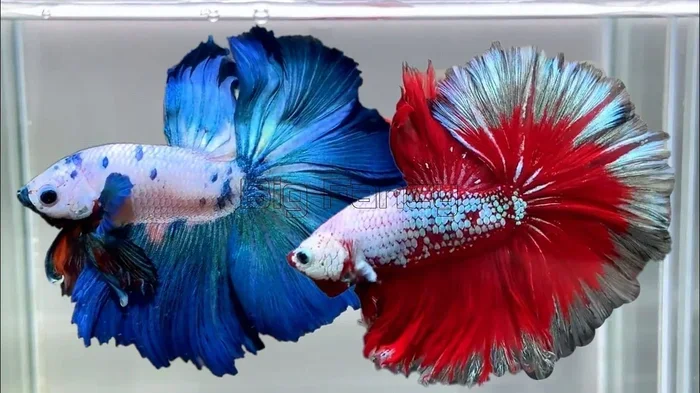
Yes, a betta fish can absolutely thrive in a 20 gallon tank. A 20 gallon setup gives your betta plenty of room to swim, explore, and stay healthy. This guide covers everything you need to know about setting up a 20 gallon tank, choosing the right equipment, and picking the best tank mates for betta fish.
Can a betta fish live in a 20 gallon tank? The answer is a resounding yes. A 20 gallon tank is one of the best homes you can provide for your betta fish. It offers enough space for your fish to swim freely, explore, and display its full range of behaviors. Many new betta owners start with small bowls or tanks, but upgrading to a 20 gallon setup makes a huge difference in your fish’s quality of life.
In this guide, we will walk you through everything you need to know about keeping a betta fish in a 20 gallon tank. From setup and equipment to water parameters and tank mates, you will find practical advice you can use right away. Whether you are a beginner or an experienced aquarist, this article will help you create the perfect home for your betta.
A 20 gallon tank strikes the ideal balance between manageability and space. It is large enough to maintain stable water conditions but small enough to fit in most rooms without overwhelming your living space. Let us dive into the details of why this tank size works so well for betta fish.
Key Takeaways
- A 20 gallon tank is ideal for betta fish: It provides ample swimming space and stable water conditions.
- Proper setup matters: You need a heater, filter, and live plants to keep your betta healthy.
- Water parameters are critical: Maintain temperature between 76-82°F and keep ammonia at zero.
- Tank mates can work: Many peaceful species can share a 20 gallon tank with a betta.
- Regular maintenance is essential: Weekly water changes and filter cleaning keep the environment safe.
- Avoid common mistakes: Overcrowding, skipping the heater, and using harsh chemicals harm your betta.
- A 20 gallon tank can boost your betta’s lifespan: Better conditions lead to a happier, longer-lived fish.
📑 Table of Contents
- Why a 20 Gallon Tank Is Great for Betta Fish
- Setting Up a 20 Gallon Tank for Your Betta
- Can Betta Fish Live With Other Fish in a 20 Gallon Tank?
- How to Maintain a 20 Gallon Betta Tank
- Common Mistakes to Avoid
- How a 20 Gallon Tank Compares to Other Sizes
- Benefits of a 20 Gallon Tank for Betta Health
- Final Thoughts
Why a 20 Gallon Tank Is Great for Betta Fish
Many people underestimate how much space a betta fish needs. In the wild, bettas live in shallow rice paddies, streams, and floodplains across Southeast Asia. While the water may be shallow, the area these fish cover can be quite large. A 20 gallon tank mimics the natural environment much better than a tiny bowl ever could.
Space to Swim and Explore
Betta fish are active swimmers. They enjoy exploring their surroundings, flaring their fins, and patrolling their territory. A 20 gallon tank gives your betta the room it needs to move around comfortably. In a smaller tank, bettas can become stressed, bored, and even aggressive. Stress weakens their immune system and makes them more susceptible to disease.
A larger tank also allows you to add decorations, plants, and hiding spots. These enrichments make the environment more stimulating for your fish. You can create a beautiful aquascape that looks great and keeps your betta entertained.
Better Water Stability
One of the biggest advantages of a 20 gallon tank is water stability. In a small tank, changes in temperature and water chemistry happen fast. A sudden drop in temperature or a spike in ammonia can be dangerous. A 20 gallon tank buffers against these swings, making it easier to maintain a healthy environment.
Stable water conditions are essential for betta fish health. When parameters stay consistent, your fish experiences less stress and can focus on growth, color development, and natural behaviors. This is why many experienced aquarists recommend a 20 gallon tank as the minimum size for a single betta.
Setting Up a 20 Gallon Tank for Your Betta
Setting up a 20 gallon tank is straightforward, but it does require some planning. You want to create a safe, comfortable environment before you add your betta. Rushing the setup process can lead to problems down the road.
Essential Equipment
Here is a list of equipment you will need for a 20 gallon betta tank:
- Tank: A standard 20 gallon glass or acrylic tank with a lid. Bettas are jumpers, so a secure lid is a must.
- Filter: A gentle sponge filter or hang-on-back filter with an adjustable flow rate. Bettas prefer calm water, so avoid strong currents.
- Heater: A submersible heater rated for 20 gallons. You will need to keep the water between 76 and 82 degrees Fahrenheit.
- Thermometer: A simple stick-on or digital thermometer to monitor temperature daily.
- Substrate: Fine gravel or sand. Avoid sharp or rough substrates that can damage your betta’s fins.
- Lighting: LED aquarium lights that support live plants and showcase your betta’s colors.
- Water conditioner: A quality conditioner to remove chlorine and chloramine from tap water.
You can also add a bettafishinfo.com/can-betta-fish-live-in-a-tank-without-a-filter article for more insight on filter options.
Water Parameters and Temperature
Betta fish are tropical fish, so they need warm, clean water. Here are the ideal parameters for a 20 gallon betta tank:
- Temperature: 76 to 82 degrees Fahrenheit (24 to 28 degrees Celsius)
- pH: 6.5 to 7.5
- Ammonia: 0 ppm
- Nitrite: 0 ppm
- Nitrate: Below 20 ppm
- Water Hardness: 3 to 4 dGH
Testing your water regularly with a liquid test kit is the best way to ensure these parameters stay in range. Tap water often contains chlorine and heavy metals that can harm your betta. Always use a water conditioner before adding water to the tank.
Decorating the Tank
A 20 gallon tank gives you plenty of room to get creative with decorations. Here are some ideas:
- Live plants: Plants like java fern, anubias, and amazon sword provide natural hiding spots and help maintain water quality.
- Driftwood and rocks: These create a natural look and offer places for your betta to explore.
- Caves and shelters: Betta fish appreciate having places to hide and rest. Caves made from ceramic or natural materials work well.
- Open swimming areas: Leave enough open space for your betta to swim freely. Do not clutter the tank.
Avoid sharp decorations or rough surfaces that could tear your betta’s delicate fins. Soft, smooth decorations are the safest choice.
Can Betta Fish Live With Other Fish in a 20 Gallon Tank?
One of the biggest advantages of a 20 gallon tank is the ability to keep tank mates with your betta. A single betta in a small bowl often becomes lonely and bored. Adding compatible fish can enrich its environment and create a more dynamic aquarium.
Good Tank Mates for Betta Fish
Not all fish get along with bettas. Bettas can be territorial, especially males. The best tank mates are peaceful, non-aggressive species that occupy different areas of the tank. Here are some great options:
- Neon tetras: Small, peaceful, and colorful. They stay in the middle and upper levels of the tank.
- Corydoras catfish: Bottom-dwelling fish that help clean up leftover food. They are peaceful and active.
- Kuhli loaches: Eel-like fish that stay hidden during the day and scavenge at night.
- Ghost shrimp: Inexpensive and helpful algae eaters. Most bettas ignore them.
- Amano shrimp: Larger shrimp that are excellent tank cleaners.
- Snails: Nerite snails and mystery snails add variety and help with algae control.
For more detailed guidance on choosing companions, you can read about which fish can live with betta fish in a tank.
Fish to Avoid
Some fish are not suitable for a 20 gallon betta tank. Avoid these species:
- Fin-nippers: Fish like tiger barbs and serpae tetras may nip at your betta’s long fins.
- Aggressive fish: Cichlids and other aggressive species will stress or harm your betta.
- Overly active fish: Fish that swim constantly can stress out a betta and outcompete it for food.
- Other bettas: Two male bettas should never be housed together. They will fight to the death.
Remember that a 20 gallon tank has limits. Do not overstock the tank. A good rule of thumb is to keep the total bioload manageable. Overcrowding leads to poor water quality and stressed fish.
How to Maintain a 20 Gallon Betta Tank
Once your tank is set up, regular maintenance is key to keeping your betta healthy. A 20 gallon tank is easier to maintain than a smaller one because the water stays more stable. However, you still need to stay on top of routine care.
Water Changes and Cleaning
Perform a 25 to 30 percent water change every week. This removes excess nitrates and keeps the water fresh. Use a gravel vacuum to clean the substrate during water changes. Remove any uneaten food and debris from the tank floor.
Do not replace all the water at once. Sudden changes in water chemistry can shock your betta. Always treat new water with a conditioner before adding it to the tank.
Filter and Heater Maintenance
Clean your filter media once a month. Rinse mechanical media in old tank water to preserve beneficial bacteria. Never use tap water to clean filter media, as chlorine will kill the helpful bacteria in your filter.
Check your heater regularly to make sure it is functioning properly. A faulty heater can cause dangerous temperature swings. Keep a backup thermometer handy to cross-check readings.
If you are curious about filter options, you can also look into whether bettas can live in tanks without a filter, though a filter is highly recommended for a 20 gallon setup.
Common Mistakes to Avoid
Even experienced fish keepers make mistakes. Here are some common errors to watch out for when keeping a betta in a 20 gallon tank:
- Skipping the heater: Betta fish need warm water. Room temperature water is often too cold and can lead to illness.
- Using a too-strong filter: A filter that creates a strong current will stress your betta. Choose a filter with adjustable flow or use a sponge filter.
- Overfeeding: Bettas are prone to constipation. Feed small amounts once or twice a day and remove any uneaten food.
- Adding fish too quickly: Always cycle your tank before adding any fish. Adding fish to an uncycled tank can cause ammonia spikes.
- Using the wrong substrate: Rough or sharp gravel can damage your betta’s fins. Stick with smooth sand or fine gravel.
- Ignoring water tests: Even if the water looks clear, harmful chemicals may be present. Test your water regularly.
Avoiding these mistakes will help your betta thrive and enjoy a long, healthy life in its 20 gallon home.
How a 20 Gallon Tank Compares to Other Sizes
Let us put the 20 gallon tank into perspective by comparing it to other common tank sizes for betta fish.
| Tank Size | Pros | Cons |
|---|---|---|
| 1-3 gallons | Small footprint, easy to place | Unstable water parameters, limited swimming space |
| 5-10 gallons | Better stability than small tanks | Still cramped for a betta, harder to maintain |
| 20 gallons | Stable water, plenty of space, room for tank mates | Requires more equipment and space |
| 30+ gallons | Excellent stability, room for community tanks | Larger footprint, higher cost |
As you can see, a 20 gallon tank offers the best balance of stability, space, and manageability. While a 5 gallon tank can work for a single betta, a 20 gallon tank gives your fish room to truly thrive. If you are considering a larger setup, you might also look into a 30 gallon tank for a community aquarium.
Many people ask whether a betta fish can live in a 10 gallon tank or a 30 gallon tank. The answer depends on your goals. A 10 gallon tank works for a single betta with minimal setup. A 30 gallon tank opens up more options for tank mates and aquascaping. But for most betta owners, a 20 gallon tank is the sweet spot.
Benefits of a 20 Gallon Tank for Betta Health
Beyond the obvious advantage of space, a 20 gallon tank has specific health benefits for your betta fish. Let us look at why this tank size supports better betta health.
First, a 20 gallon tank allows for a more established biological filter. The beneficial bacteria that break down ammonia and nitrite need surface area to colonize. A larger tank provides more surface area and volume, which means the nitrogen cycle is more robust. This translates to safer water for your betta.
Second, a 20 gallon tank supports a wider range of enrichment options. You can add live plants that produce oxygen and absorb nitrates. You can include a variety of decorations that encourage natural behaviors like exploring and hiding. These enrichments reduce stress and promote vibrant coloration in your betta.
Third, a 20 gallon tank gives you more flexibility in choosing tank mates. A single betta in a small bowl can become depressed and lethargic. Adding a few peaceful companions can bring out your betta’s natural personality and reduce boredom. This is especially important for male bettas, who are naturally curious and active.
If you are wondering about specific tank mate options, check out guides on snails and bettas, or which fish can live with betta fish in a tank for more ideas.
Final Thoughts
Can a betta fish live in a 20 gallon tank? Absolutely. A 20 gallon tank is one of the best investments you can make for your betta fish. It provides a stable, spacious, and enriching environment that supports your fish’s physical and mental well-being. With the right equipment, proper water parameters, and thoughtful tank mate choices, your betta can live a happy and healthy life in a 20 gallon setup.
Take the time to cycle your tank, monitor your water quality, and create a beautiful aquascape. Your betta will thank you with vibrant colors, active swimming, and a long, fulfilling life. A 20 gallon tank is not just a home for your betta, it is a thriving little ecosystem that brings joy and relaxation to your space.
Start your 20 gallon betta journey today, and you will see the difference it makes in your fish’s quality of life. Happy fishkeeping!
Frequently Asked Questions
Can a betta fish live in a 20 gallon tank with other fish?
Yes, a 20 gallon tank is large enough to house a betta with compatible tank mates. Choose peaceful species like neon tetras, corydoras catfish, or snails. Avoid aggressive or fin-nipping fish that could stress your betta.
How often should I do water changes in a 20 gallon betta tank?
Perform a 25 to 30 percent water change every week. This keeps nitrate levels low and maintains clean, healthy water for your betta. Always use a water conditioner when adding new water.
Do betta fish need a heater in a 20 gallon tank?
Yes, betta fish are tropical and need warm water. Keep the temperature between 76 and 82 degrees Fahrenheit using a submersible heater. A heater is essential for a 20 gallon tank setup.
Can two male betta fish live together in a 20 gallon tank?
No, two male bettas should never be housed together. They will become aggressive and may fight to the death. A 20 gallon tank is not large enough to safely house two male bettas.
What is the best filter for a 20 gallon betta tank?
A gentle sponge filter or a hang-on-back filter with adjustable flow works best. Bettas prefer calm water, so avoid filters that create strong currents. The filter should turn over the water 4 to 6 times per hour.
How long do betta fish live in a 20 gallon tank?
With proper care, betta fish can live 3 to 5 years in a 20 gallon tank. A larger, well-maintained tank promotes better health and can extend your betta’s lifespan compared to smaller, less stable environments.