Can a Betta Fish Go Blind

Yes, a betta fish can go blind from injuries, infections, or poor water conditions. Recognizing the early signs of betta fish blindness helps you act fast and save your fish’s vision. Simple tank maintenance and proper care go a long way in preventing eye problems.
A betta fish going blind is a scary thought for any fish owner. These vibrant little creatures rely on their eyes to find food, avoid danger, and navigate their world. When something goes wrong with their vision, it affects their entire quality of life.
The good news is that betta fish blindness is often preventable. With the right care and a watchful eye, you can keep your betta healthy and seeing clearly. This guide covers everything you need to know about why bettas lose their sight, how to spot the warning signs, and what you can do to help.
Whether you are a seasoned fish keeper or just starting out, understanding eye problems in betta fish is essential. Let us dive into the details and make sure your betta stays happy and healthy for years to come.
Key Takeaways
- Betta fish can go blind due to injuries, infections, and poor water quality.
- Cloudy eye is one of the most common early signs of vision problems.
- Prompt treatment with proper medication can reverse some forms of blindness.
- Regular tank maintenance prevents many eye-related health issues.
- Tank mates can cause physical eye injuries that lead to blindness.
- Diet and nutrition play a role in maintaining healthy betta fish eyes.
- Early detection is the key to successful treatment and recovery.
📑 Table of Contents
- Can a Betta Fish Go Blind?
- Signs Your Betta Fish Is Going Blind
- How to Treat a Blind Betta Fish
- Preventing Blindness in Your Betta Fish
- Can Blind Betta Fish Live a Normal Life?
- When Is Blindness Permanent?
- Common Mistakes That Lead to Betta Fish Blindness
- Expert Insights on Betta Fish Eye Health
- Final Thoughts
Can a Betta Fish Go Blind?
The short answer is yes. A betta fish can go blind, and it happens more often than many people realize. Blindness in bettas can develop slowly over time or strike suddenly due to an injury or infection.
When a betta goes blind, it does not mean the end of the road for your fish. Many blind bettas continue to live full, happy lives with the right care. The key is catching the problem early and responding quickly.
Betta fish blindness can affect one eye or both eyes. Some fish lose vision in one eye first, then the other. Other times, both eyes are affected at the same time. The cause determines the pattern and the treatment approach.
Common Causes of Blindness in Betta Fish
Several factors can lead to a betta fish losing its sight. Understanding these causes helps you take preventive action.
Poor Water Quality
The number one cause of eye problems in bettas is dirty water. Ammonia and nitrite buildup irritates the delicate tissues around the eyes. Over time, this irritation can lead to swelling, cloudiness, and eventual vision loss. Regular water changes are the simplest way to prevent this.
Eye Injuries
Betta fish are curious creatures. They explore their tank, chase food, and sometimes bump into objects. Sharp decorations, rough gravel, or aggressive tank mates can scratch or puncture the eye. A serious injury can cause permanent blindness in the affected eye.
Bacterial Infections
Bacteria thrive in poor water conditions. When a betta’s immune system weakens, bacterial infections can set in around the eye. These infections cause swelling, discharge, and cloudiness. If left untreated, they can lead to complete betta fish blindness.
Parasites and Fungus
Parasites and fungal spores are always present in aquarium water. A stressed or sick betta is more vulnerable to these organisms. When they attack the eye area, they can cause damage that leads to vision loss.
Genetic Factors
Some bettas are born with a predisposition to eye problems. This is more common in fish bred for extreme color traits or body shapes. While you cannot change genetics, choosing a reputable breeder reduces the risk.
Signs Your Betta Fish Is Going Blind
Detecting blindness early makes a huge difference in treatment outcomes. Watch for these warning signs in your betta.
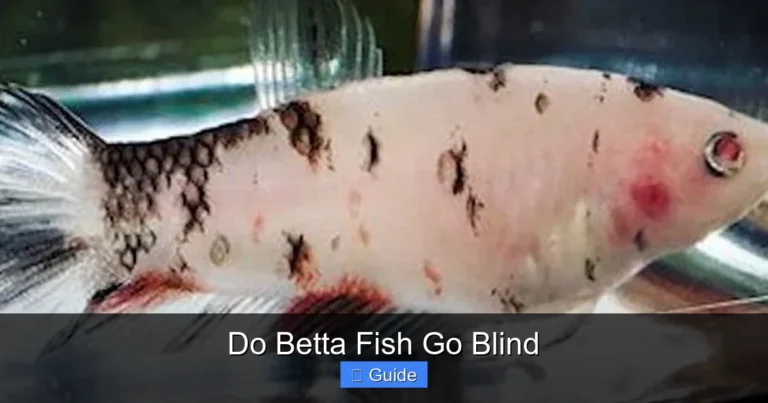
- Cloudy or milky eyes – This is the most obvious sign. Healthy betta eyes should be clear and bright.
- Eye discharge or mucus – A buildup of gooey material around the eye signals infection.
- Bumping into objects – If your betta starts hitting the glass or decorations, its vision may be fading.
- Difficulty finding food – A normally eager eater that ignores food may be struggling to see.
- Swollen or protruding eye – Swelling indicates inflammation or infection that needs immediate attention.
- One eye closing – A betta that keeps one eye shut may have an injury or infection in that eye.
If you notice any of these symptoms, act quickly. The faster you address the problem, the better the chance of saving your fish’s vision.
How to Treat a Blind Betta Fish
Treatment depends on the cause of the blindness. Not all cases can be reversed, but many can be improved with the right approach.
Step 1: Test Your Water
Start by testing your tank water for ammonia, nitrite, and nitrate levels. Poor water quality is the most common culprit behind eye problems. If your levels are off, perform a large water change immediately. A clean tank is the foundation of betta fish health and recovery.
Step 2: Treat Infections
If you suspect a bacterial infection, use a broad-spectrum aquarium medication. Products containing erythromycin or kanamycin work well for eye infections. Follow the dosage instructions carefully and monitor your fish during treatment.
For fungal infections, an antifungal medication is needed. These are often combined with antibacterial treatments for full coverage. Consistency is key – complete the full treatment course even if symptoms improve.
Step 3: Remove Hazards
Check your tank for sharp decorations or rough surfaces. Remove any objects that could injure your betta’s eyes. If you have rough gravel, consider switching to a smooth substrate or sand. This simple change prevents many eye injuries.
Step 4: Adjust Feeding
Blind bettas have trouble finding food. Switch to sinking pellets or target-feed your fish with a pipette or turkey baster. This ensures your betta gets enough nutrition even without full vision. You can also check out how long a betta can go without food at how long a betta can go without food for feeding schedule guidance.
Step 5: Quarantine If Needed
If your betta lives in a community tank, consider moving it to a quarantine tank during treatment. This protects the sick fish from stress and prevents the spread of disease. Check out whether bettas can live in community tanks for tips on safe tank setups.
Preventing Blindness in Your Betta Fish
Prevention is always better than cure. A few simple habits can keep your betta’s eyes healthy and bright.
Maintain Excellent Water Quality
Test your water at least once a week. Perform partial water changes of 25 to 30 percent every week. Use a water conditioner to remove chlorine and chloramine from tap water before adding it to the tank. Clean filters regularly but avoid replacing all filter media at once, as this removes beneficial bacteria.
Choose Tank Decorations Carefully
Avoid sharp plastic plants and rough rocks. Opt for smooth decorations, silk plants, and gentle substrates. This protects your betta’s eyes and body from accidental injuries.
Feed a Balanced Diet
A healthy diet supports overall fish health, including eye function. Feed high-quality betta pellets as the staple, and supplement with frozen or live foods like brine shrimp and bloodworms. Variety keeps your betta strong and its immune system functioning well.
Avoid Overcrowding the Tank
Too many fish in a small tank creates stress and poor water quality. For a single betta, a 5-gallon tank is the minimum. If you want tank mates, choose peaceful species that won’t nip at your betta’s fins or eyes. Learn more about what fish can live with a betta to make safe choices.
Monitor Your Fish Daily
Spend a few minutes each day watching your betta. Look for changes in behavior, appetite, or appearance. Catching problems early is the single most effective way to prevent blindness and other serious health issues.
Can Blind Betta Fish Live a Normal Life?
Many owners worry that a blind betta will suffer. The truth is that blind bettas can live normal, healthy lives with proper care. Fish rely more on their other senses than vision. A betta that loses its sight adapts surprisingly well.
Blind bettas learn to navigate their tank using their lateral line system and sense of smell. They can still eat, explore, and interact with their environment. The key is to keep the tank layout consistent so your fish can memorize its surroundings.
Some blind bettas even become more social and interactive with their owners. Without the stress of hunting for food visually, they often settle into a calm, comfortable routine. Your care and attention make all the difference.
When Is Blindness Permanent?
Not all cases of blindness can be reversed. Permanent blindness occurs when the eye is severely damaged or when treatment comes too late.
Physical injuries that puncture the eye often result in permanent vision loss. Severe bacterial infections that go untreated for days can also cause irreversible damage. In these cases, the focus shifts to keeping the fish comfortable and healthy despite the blindness.
The good news is that even permanently blind bettas can thrive. They do not need special equipment or constant monitoring. A stable, clean tank and a consistent feeding routine are all they need to live a good life.
Common Mistakes That Lead to Betta Fish Blindness
Many fish owners unknowingly put their bettas at risk. Here are the most common mistakes to avoid.
- Skipping water changes – Dirty water is the biggest threat to your betta’s eye health.
- Overfeeding – Excess food fouls the water quickly and promotes bacterial growth.
- Using sharp decorations – Plastic plants with rough edges can scratch and injure eyes.
- Ignoring early symptoms – Cloudy eyes or discharge should be addressed immediately.
- Adding tank mates without research – Aggressive fish can harm your betta’s eyes during fights.
- Neglecting filter maintenance – A clogged filter fails to remove toxins that irritate the eyes.
Avoiding these mistakes puts you ahead of most fish keepers. Your betta will thank you with vibrant colors and healthy eyes.
Expert Insights on Betta Fish Eye Health
Veterinarians and experienced fish keepers agree that prevention is the best medicine for betta fish blindness. Dr. Richmond Loh, a fish veterinarian, emphasizes that regular water testing and prompt treatment of infections are the cornerstones of eye health in aquarium fish.
Many experienced hobbyists also recommend adding Indian almond leaves or catappa leaves to the tank. These natural additions release tannins that have mild antibacterial properties. They also reduce stress, which supports the immune system and helps prevent eye problems.
The takeaway is simple: a clean tank, a healthy diet, and a watchful eye are your best tools against blindness. Stay proactive, and your betta will enjoy a bright and colorful life.
Final Thoughts
So, can a betta fish go blind? Yes, but it is not inevitable. With proper care, clean water, and regular observation, you can significantly reduce the risk of blindness in your betta. The steps you take today protect your fish’s vision tomorrow.
Betta fish blindness does not have to be a death sentence. Many blind bettas live long, fulfilling lives with the right support. Stay attentive, respond quickly to warning signs, and give your fish the clean, safe environment it deserves.
Your betta trusts you to keep it healthy. By staying informed and taking action, you honor that trust. Here is to many more years of enjoying your vibrant, beautiful betta fish.
Frequently Asked Questions
Can a betta fish go blind from stress?
Stress alone does not directly cause blindness, but it weakens the immune system. A stressed betta becomes more susceptible to infections that can affect the eyes. Keeping water quality high and avoiding overcrowding reduces stress and protects eye health.
How long does it take for a betta fish to go blind?
The timeline varies depending on the cause. Bacterial infections can cause blindness within days if untreated. Injuries cause immediate vision loss in the affected eye. Gradual degeneration from poor water quality may take weeks or months to fully develop.
Can a blind betta fish recover its vision?
Recovery depends on the cause. Infections caught early can often be treated successfully, restoring vision. Permanent injuries or long-term neglect may result in irreversible blindness. Quick action gives your betta the best chance of recovery.
Is cloudy eye in bettas always a sign of blindness?
Not always. Cloudy eye can be an early stage of infection or irritation. With prompt treatment and improved water quality, many fish recover fully. However, if left untreated, cloudy eye can progress to partial or complete blindness.
Can a betta fish go blind in one eye only?
Yes, bettas can lose vision in just one eye. This often happens from a localized injury or infection. A betta with one blind eye can adapt quickly and continue to live a normal, healthy life with proper care.
What should I do if my betta fish goes blind?
First, test your water parameters and perform a large water change. Look for signs of infection and treat accordingly. Keep the tank layout consistent so your fish can navigate easily. Feed with sinking food or target-feed to ensure proper nutrition. For more on feeding schedules, check out how long a betta can go without food to plan your feeding routine.
=== CONCLUSION ===
A betta fish can go blind, but the causes are largely preventable. Poor water quality, injuries, infections, and neglect are the main culprits behind vision loss in bettas. By staying proactive with tank maintenance and daily observation, you give your fish the best defense against blindness.
Early detection is your greatest asset. Cloudy eyes, discharge, and behavioral changes are signals you should never ignore. Quick treatment of infections and removal of hazards in the tank can save your betta’s vision.
Even if blindness does occur, your betta can still live a happy, healthy life. These resilient fish adapt remarkably well to losing their sight. With a stable environment and consistent care, a blind betta thrives just as well as a sighted one.
Take the lessons from this guide and put them into action. Your betta fish deserves clear eyes and a bright future. Start with clean water, a safe tank setup, and a watchful eye. That is the recipe for a healthy, happy betta for years to come.