Can a Betta Fish Fins Grow Back
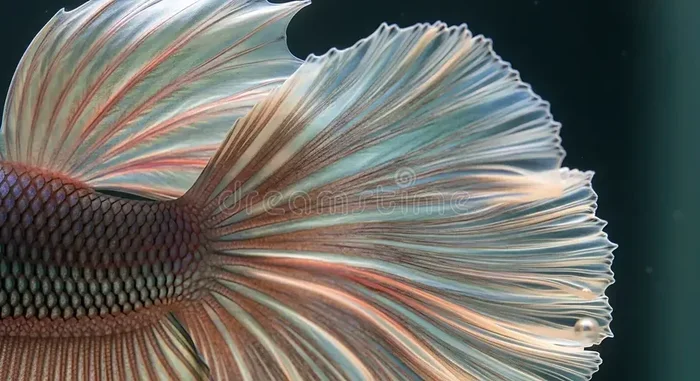
Yes, a betta fish’s fins can grow back — this is one of the most reassuring facts for fish owners. With proper care, clean water, and a stress-free environment, betta fish fin regrowth happens naturally over a few weeks to a couple of months. However, the speed and quality of recovery depend on factors like the cause of damage, water conditions, and your fish’s overall health.
Can a Betta Fish Fins Grow Back
If you have a betta fish with damaged fins, you are probably wondering whether they will ever look normal again. The good news is that betta fish fins can grow back in most cases. This is one of the amazing things about these colorful little creatures. Their fins have the ability to regenerate over time, just like how our skin heals after a cut. But the process is not instant, and there are things you need to do to help it along. In this guide, we will walk you through everything you need to know about betta fish fin regrowth, from the healing timeline to the best tank conditions that support recovery.
Whether your betta has suffered from fin rot, fin nipping, or an accidental injury, understanding how fins grow back can make all the difference. We will cover the stages of regrowth, what speeds up healing, and common mistakes that slow it down. By the end of this article, you will feel confident about helping your betta fish recover and thrive again.
Betta fish fins grow back naturally, but the success of regrowth depends on a few key factors. The good news is that most betta owners see visible improvement within a few weeks. Let us dive into the details so you know exactly what to expect.
Key Takeaways
- Betta fins can regrow fully: when water conditions are clean and stable.
- Improve diet with protein-rich foods: to speed up fin regeneration significantly.
- Remove tank mates that nip fins: to prevent re-injury during healing.
- Maintain warm water temperatures between 78-80°F: to support healthy fin regrowth.
- Fin regrowth takes two to four weeks: depending on injury severity.
- Watch for signs of infection: like redness or swelling during recovery.
📑 Table of Contents
- Understanding How Betta Fish Fins Grow Back
- Stages of Betta Fish Fin Regrowth
- Factors That Affect Fin Regrowth
- How to Speed Up the Healing Process
- Common Mistakes That Slow Down Fin Regrowth
- When to Be Concerned About Fin Regrowth
- Prevention Tips for Keeping Betta Fins Healthy
- Final Thoughts on Betta Fish Fin Regrowth
Understanding How Betta Fish Fins Grow Back
Betta fish have a remarkable ability to regenerate damaged tissue. When a fin gets torn, nipped, or rotted, the body starts a natural healing process. New fin tissue begins to form at the base of the damaged area. Over time, this tissue expands and reshapes into a fin that looks very similar to the original. It is not magic, but it is close.
The speed and quality of regrowth depend on several factors. A healthy betta in a clean tank with good nutrition will heal much faster than a stressed fish in poor conditions. Think of it like a small cut on your finger. If you keep it clean and healthy, it heals quickly. If you ignore it, it can get worse.
The Science Behind Fin Regeneration
Betta fish belong to a group of fish that can regenerate lost body parts. This is called regeneration. When fin tissue is damaged, special cells at the fin base start multiplying. These cells form a new fin ray structure. The new fin may not look exactly the same as the original, but it often comes very close. The process works because bettas have strong regenerative abilities that are built into their DNA.
Fin damage can happen for many reasons. Aggressive tankmates may nip at the flowing fins. Poor water quality can cause fin rot, which eats away at the tissue. Sharp decorations can tear fins accidentally. Whatever the cause, the body responds the same way. It starts rebuilding the damaged area from the base up.
Stages of Betta Fish Fin Regrowth
Watching your betta fins grow back is a rewarding experience. But it helps to know what to expect at each stage. The regrowth process follows a predictable pattern, and understanding it will keep you from worrying too much.
Stage 1: Initial Healing
In the first few days after the injury, the fin base starts to seal. A thin membrane forms over any open wounds. During this stage, the damaged fin may look white or translucent. This is normal and part of the healing process. Your betta might seem less active than usual, and that is okay too.
Stage 2: New Tissue Formation
After about one to two weeks, new fin tissue begins to appear. You will notice small, thin growths at the base of the damaged fin. These look like tiny pins or threads. The color may be lighter than the rest of the fin at first. This is a great sign that regeneration is happening. Keep the tank clean and the water stable during this phase.
Stage 3: Fin Growth and Shaping
Between two and six weeks, the new fin tissue starts to elongate. The fins begin to take shape and look more like the original. The growth rate varies from fish to fish. Some bettas grow fins back quickly, while others take a bit longer. Both are normal. By week six to eight, most bettas have regained a significant portion of their fin length.
Stage 4: Full Recovery
In many cases, betta fins will fully regrow within two to three months. The new fins may be slightly shorter or a bit different in shape, but they will continue to fill out. Some bettas even grow fins that are just as beautiful as the originals. This is a testament to how powerful their regeneration ability really is.
Factors That Affect Fin Regrowth
Not all betta fish heal at the same rate. Several factors determine how quickly and how well fins grow back. Understanding these factors will help you create the best environment for recovery.
| Factor | Impact on Regrowth | What You Can Do |
|---|---|---|
| Water Quality | Poor water slows healing and causes infections | Test water regularly and do partial water changes weekly |
| Tank Temperature | Warm water (78-80F) speeds up metabolism and healing | Use a reliable heater and monitor temperature daily |
| Nutrition | High-quality food provides building blocks for new tissue | Feed varied diet with protein-rich pellets and frozen foods |
| Stress Levels | Stress weakens the immune system and delays healing | Keep the tank in a quiet area with stable conditions |
| Severity of Damage | Minor tears heal faster than large chunks or rot | Treat injuries early before they worsen |
| Tank Mates | Fin nippers can re-injure healing fins | House bettas with peaceful, non-nippy companions |
Why Water Quality Matters Most
Clean water is the single most important factor in fin regrowth. When the water is dirty, bacteria thrive and can infect damaged fins. This turns a minor tear into a serious problem. Regular water changes and proper filtration keep harmful bacteria under control. If you are serious about helping your betta heal, focus on water quality first.
The Role of Nutrition in Healing
Just like humans need good food to heal from injuries, betta fish need proper nutrition to regrow fins. Protein-rich foods provide the amino acids needed to build new tissue. High-quality betta pellets should be the staple of their diet. You can also offer frozen or live foods like brine shrimp and bloodworms as treats. A well-fed betta will heal faster and grow back healthier fins.
How to Speed Up the Healing Process
If you want to help your betta fins grow back faster, there are several things you can do. These practical steps make a real difference and are easy to implement in any aquarium setup.
1. Maintain Clean Water
Do a 25% water change every week. Use a gravel vacuum to remove debris from the substrate. Test the water parameters regularly. Ammonia and nitrite should always be at zero. Nitrate should stay below 20 ppm. Clean water reduces the risk of infection and gives your betta the best chance to heal.
2. Keep the Temperature Stable
Betta fish thrive in warm water between 78 and 80 degrees Fahrenheit. A stable temperature helps their metabolism function at its best, which speeds up healing. Use a submersible heater with a thermostat. Avoid placing the tank near windows or drafts where the temperature can fluctuate.
3. Add Indian Almond Leaves
Many experienced betta keepers swear by Indian almond leaves. These leaves release natural compounds that have mild antifungal and antibacterial properties. They also soften the water slightly, which bettas seem to enjoy. Drop a leaf or two into the tank and let it do its work. It is a simple and natural way to support fin healing.
4. Reduce Stress in the Tank
A stressed betta heals much slower than a relaxed one. Keep the tank in a quiet area of your home. Avoid loud noises and sudden movements near the aquarium. Provide plenty of hiding spots with plants and decorations. If you have other fish, make sure they are not bothering your betta. A calm environment is a healing environment.
5. Feed a Balanced Diet
Offer high-quality betta pellets as the main food source. Supplement with frozen or live foods two to three times a week. Variety is key to providing all the nutrients your betta needs. Do not overfeed, as excess food can pollute the water. A well-balanced diet fuels the body and supports faster fin regrowth.
Common Mistakes That Slow Down Fin Regrowth
While helping your betta fins grow back is straightforward, some common mistakes can actually slow the process. Avoiding these errors will save you time and frustration.
- Overcleaning the tank: Washing all the filter media at once removes beneficial bacteria. These bacteria keep the nitrogen cycle running. Replace only a portion of filter media at a time.
- Using untreated tap water: Tap water contains chlorine and chloramine, which are harmful to bettas. Always use a water conditioner before adding water to the tank.
- Ignoring early signs of fin rot: If you notice ragged or discolored fins, act quickly. Early treatment prevents the condition from worsening and causing permanent damage.
- Keeping the water too cold: Cold water slows down a betta’s metabolism and immune system. This delays healing and makes the fish more vulnerable to disease.
- Overfeeding: Excess food decays in the tank and pollutes the water. Feed only what your betta can eat in two minutes, twice a day.
Many of these mistakes come from a place of good intentions. You want to help your fish, but sometimes the approach can backfire. The key is consistency and patience. Follow a routine and let nature do its work.
When to Be Concerned About Fin Regrowth
In most cases, betta fish fins grow back without any problems. But there are times when you should pay closer attention or even consult a veterinarian. Knowing the warning signs will help you act quickly if something goes wrong.
If the fin damage does not show any improvement after two weeks, it may be a sign of a deeper issue. Check the water parameters first. Poor water quality is the most common culprit. If the water is clean and stable but the fins are still not healing, consider whether your betta might have an underlying health condition.
Signs that warrant immediate attention include red or inflamed fin bases, white fuzzy patches on the fins, and fins that continue to deteriorate rather than improve. These symptoms often indicate bacterial or fungal infections that need targeted treatment. A broad-spectrum fish medication can help in these situations, but always follow the dosage instructions carefully.
It is also worth noting that some types of fin damage heal better than others. A clean tear from a sharp decoration usually heals well. But fins damaged by severe fin rot or aggressive fin nipping from tankmates may take longer and sometimes do not regrow fully. In these cases, focus on preventing further damage and keeping the environment as healthy as possible.
Prevention Tips for Keeping Betta Fins Healthy
The best way to deal with damaged fins is to prevent the damage in the first place. A few simple steps can keep your betta’s fins looking beautiful and healthy for years to come.
- Choose tankmates carefully. Avoid fish with long, flowing fins that might nip at your betta.
- Remove sharp decorations from the tank. Smooth out any rough edges on rocks or driftwood.
- Keep the filter flow gentle. Strong currents can stress bettas and cause their fins to tear.
- Perform regular water changes to maintain pristine water conditions.
- Quarantine new fish before adding them to the main tank. This prevents the spread of diseases that can damage fins.
- Feed a varied and nutritious diet to support overall fin health and immune function.
Taking a proactive approach to betta fish care goes a long way. Healthy fish in a well-maintained tank are far less likely to experience fin damage in the first place. Prevention is always better than cure.
Final Thoughts on Betta Fish Fin Regrowth
The answer to whether a betta fish fins can grow back is a resounding yes. These resilient fish have an incredible ability to regenerate damaged tissue. With proper care, clean water, good nutrition, and a stress-free environment, most bettas will regrow their fins fully within a few months. The key is patience and consistency. Do not expect overnight results, but do trust the process.
Every betta fish is different, and the regrowth journey will vary from fish to fish. Some heal quickly and grow beautiful new fins. Others take a little more time. Either way, your role as a caretaker is to provide the best possible conditions and let nature do the rest. Celebrate small victories along the way, like the first tiny new fin rays appearing. Those moments are a reminder of just how remarkable these little fish really are.
Remember that betta fish fins grow back best when you focus on the basics. Clean water, stable temperature, good food, and a peaceful environment. Master these fundamentals and your betta will have the best chance at a full and healthy recovery. Keep learning, keep caring, and enjoy the journey of being a betta fish owner.
Frequently Asked Questions
How Long Does It Take for Betta Fish Fins to Grow Back?
Betta fish fins typically regrow within a few weeks to a couple of months, depending on the severity of the damage. Minor tears and nips usually heal within two to four weeks. More serious injuries caused by fin rot or severe biting may take six to eight weeks or longer to fully recover.
Can Betta Fish Fins Grow Back After Fin Rot?
Yes, betta fish fins can grow back after fin rot if the infection is caught early and treated properly. You should improve water quality immediately and use aquarium salt or appropriate medication as needed. Once the infection clears, new fin tissue will gradually regenerate and replace the damaged areas.
Why Are My Betta Fish Fins Tearing or Ripping?
Betta fish fins can tear from sharp decorations, rough gravel, or aggressive tank mates. Tail biting is another common cause, often linked to stress or boredom. Checking your tank setup and reducing stressors can help prevent further damage to your betta’s delicate fins.
How Can I Help My Betta Fish Fins Heal Faster?
Maintain clean, warm water between 78°F and 80°F to promote healthy healing and reduce infection risk. Adding aquarium salt in small doses can support fin regrowth and prevent bacterial issues. You should also provide a stress-free environment with gentle filtration and plenty of hiding spots.
Do Betta Fish Fins Grow Back Completely After Biting?
In most cases, betta fish fins will grow back completely after biting, though it depends on how much tissue was lost. If only the edges are damaged, full regrowth usually happens without any issues. Severe tail biting that reaches the base may result in incomplete regrowth or permanent shortening of the fins.
Does Fin Regrowth Look Different Than the Original Betta Fish Fins?
New fins may initially appear slightly translucent or thinner than the original tissue. Over time, the color and full shape usually return as the fins continue to mature. Providing good nutrition with high-quality food supports vibrant and healthy fin regrowth in your betta.