Are Snails Good for Betta Fish
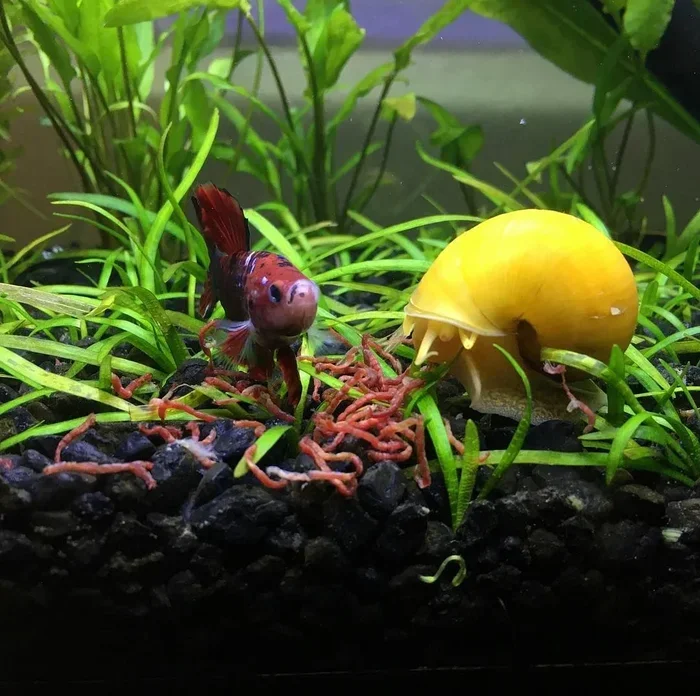
Yes, snails can be excellent additions to a betta fish tank. They help clean algae, eat leftover food, and keep your aquarium balanced. The right snail species are peaceful, safe, and easy to care for alongside your betta.
Are snails good for betta fish? This is one of the most common questions new betta owners ask. The short answer is yes. Snails can be fantastic tank mates for betta fish. They do useful work in your aquarium, like eating algae and cleaning up leftover food. But not all snails are created equal. Some species work beautifully with bettas, while others can cause problems.
In this guide, we will walk you through everything you need to know. You will learn which snail species are safe, which ones to avoid, and how to keep both your betta and snails happy. Whether you are a beginner or a seasoned fish keeper, this article has practical tips you can use right away.
Adding snails to your betta tank is more than just a cosmetic choice. It can actually improve your betta fish tank mates setup and create a healthier environment. Let us dive in and explore the wonderful world of aquarium snails.
Key Takeaways
- Snails make great tank mates: They are peaceful cleaners that won’t bother your betta fish.
- Mystery snails and nerite snails are top picks: These species are safe and low-maintenance for betta tanks.
- Snails help control algae and waste: They eat leftover food and keep the tank looking clean.
- Overpopulation is a real risk: Some snails reproduce quickly, so you need to manage their numbers.
- Avoid harmful species: Certain snails can carry diseases or become aggressive in small tanks.
- Check water parameters regularly: Snails are sensitive to poor water quality, just like bettas.
📑 Table of Contents
- Why Add Snails to a Betta Fish Tank?
- Are Snails Compatible with Betta Fish?
- Benefits of Snails in a Betta Tank
- Risks and Downsides of Keeping Snails with Bettas
- How to Introduce Snails to Your Betta Tank
- Quick Tips for Snail and Betta Harmony
- Common Mistakes People Make with Snails in Betta Tanks
- Expert Insights on Snails and Bettas
- Conclusion
Why Add Snails to a Betta Fish Tank?
Many aquarists add snails to their betta tanks for a few key reasons. First, snails are natural cleaners. They eat algae that grows on glass, rocks, and plants. This means you spend less time scrubbing your tank. Second, snails consume leftover fish food. This helps prevent waste from building up in the water. Third, snails can add a fun visual element to your aquarium.
But there is more to it than just looks. A clean tank means better water quality for your betta. When uneaten food sits at the bottom, it breaks down and releases harmful chemicals. Snails help break that cycle. They act as tiny janitors that work around the clock.
The Best Snail Species for Betta Tanks
Not every snail species is a good fit for a betta tank. You need to choose carefully. Here are the best options that are proven to work well with bettas.
Mystery Snails. These are probably the most popular choice. Mystery snails are large, colorful, and very peaceful. They come in shades of gold, blue, and purple. They are slow movers and will not bother your betta. In fact, many bettas are curious about them and will follow them around the tank. Mystery snails are generally safe and compatible with bettas when kept in the right conditions.
Nerite Snails. Nerite snails are small and incredibly efficient algae eaters. They stay small, which makes them ideal for smaller tanks. They cannot reproduce in freshwater, so you do not have to worry about overpopulation. This is a huge plus for betta fish tank maintenance.
Ramshorn Snails. These snails have a unique spiral shell and are great at eating algae. However, they can reproduce quickly, so you need to keep an eye on their numbers. They are peaceful and will not harm your betta.
Apple Snails. Apple snails are larger and more active. They eat a wide variety of foods, including algae wafers and vegetables. They are generally safe with bettas but need more space because of their size.
Snails to Avoid with Betta Fish
Some snail species can cause serious problems in a betta tank. Here are the ones you should skip.
- Bladder Snails. These reproduce at an alarming rate. They can take over your tank in weeks if you are not careful.
- Malaysian Trumpet Snails. While they are useful burrowers, they also reproduce rapidly and can become a nuisance.
- Assassin Snails. Despite their name, these snails can be aggressive. They may harm other snails and even bother slow-moving fish.
Always research a snail species before adding it to your betta tank. The wrong choice can lead to an unbalanced aquarium and extra work for you.
Are Snails Compatible with Betta Fish?
This is where things get interesting. The short answer is that most snails are compatible with bettas. But compatibility depends on several factors. These include tank size, the betta’s temperament, and the snail species you choose.
Betta fish can be territorial. Male bettas, in particular, may chase or flare at new additions. However, snails move slowly and do not trigger this behavior in most cases. Snails do not have bright colors or long fins that might provoke a betta’s aggression. This makes them ideal betta fish tank mates in most situations.
That said, every betta is different. Some bettas are calm and ignore snails completely. Others may nip at snail tentacles or try to flip them over. If your betta shows aggression toward snails, you may need to separate them or try a different snail species.
Pro Tip: Watch your betta closely after introducing snails. If the behavior seems stressful, consider removing the snails or rearranging some decorations to reset the territory.
Benefits of Snails in a Betta Tank
Adding snails to your betta tank comes with several real benefits. Let us break them down.
1. Natural Algae Control
Snails eat algae. Plain and simple. They scrape algae off glass, decorations, and plants. This keeps your tank looking clean without you doing any work. Nerite snails and mystery snails are especially good at this. They can make a noticeable difference in tank maintenance within just a few weeks.
2. Waste Management
Leftover fish food is one of the biggest causes of poor water quality. Snails eat this food before it has a chance to decompose. They also consume dead plant matter and other organic debris. This helps keep ammonia and nitrate levels in check, which is better for your betta’s health.
3. Low Maintenance
Unlike some other tank mates, snails require very little care. You do not need to feed them separately in most cases. They eat what is already in the tank. Just make sure there is enough algae and food for them. If not, you can drop in a sinking algae wafer once a week.
4. Visual Interest
Let us not forget the fun factor. Mystery snails come in beautiful colors. Watching them glide around the tank is relaxing and entertaining. They add a whole new dimension to your aquarium setup.
Risks and Downsides of Keeping Snails with Bettas
Snails are not perfect. There are some risks you should know about before adding them to your betta tank.
Overpopulation
Some snail species reproduce very quickly. Bladder snails, for example, can multiply out of control in a matter of weeks. Too many snails can lead to excess waste, which harms water quality. This is especially true in smaller tanks. If you choose a species that reproduces slowly or not at all, like nerite snails, you can avoid this problem.
Disease and Parasites
Snails can sometimes carry diseases or parasites into your tank. This is especially true if you buy them from a questionable source. Always purchase snails from a reputable aquarium store. Quarantine new snails for a few days before adding them to your main tank. This simple step can save you a lot of trouble.
Shell Damage
Some bettas may bother snail shells. They might nip at the snail or try to flip it over. While most snails can right themselves, repeated stress can weaken the snail over time. If you notice this behavior, consider providing more hiding spots or switching to a hardier snail species.
How to Introduce Snails to Your Betta Tank
Adding snails to your betta tank is easy, but you should do it the right way. Here is a simple step-by-step guide.
- Check your tank size. A tank of at least 5 gallons is ideal. Smaller tanks can become overcrowded quickly when you add snails.
- Test your water parameters. Make sure the pH, temperature, and ammonia levels are stable. Snails are sensitive to poor water conditions, just like bettas.
- Choose the right species. Pick a snail that matches your tank size and betta’s temperament. Mystery snails and nerite snails are the safest bets for most setups.
- Acclimate the snail. Float the bag with the snail in your tank for 15 to 20 minutes. This helps the snail adjust to the water temperature. Then slowly add small amounts of tank water to the bag over the next 10 minutes.
- Release the snail gently. Use a net to transfer the snail into the tank. Do not pour the bag water into your main tank, as it may contain contaminants.
- Observe for 24 to 48 hours. Watch how your betta reacts. Look for signs of aggression or stress from either the betta or the snail.
Following these steps ensures a smooth transition for both your betta and the new snail. Patience is key during this process.
Quick Tips for Snail and Betta Harmony
- Keep the tank clean. Regular water changes help both snails and bettas stay healthy.
- Provide hiding spots. Caves, plants, and decorations give snails places to retreat if the betta gets curious.
- Do not overfeed. Excess food leads to more snails and poorer water quality. Feed your betta small amounts twice a day.
- Monitor snail numbers. If you notice too many snails, remove some manually or reduce feeding to slow reproduction.
- Choose the right food. Sinking pellets and algae wafers work well for snails. You can also blanch vegetables like zucchini and drop them in.
These simple habits go a long way in keeping your aquarium balanced and your fish happy.
Common Mistakes People Make with Snails in Betta Tanks
Even experienced fish keepers make mistakes when adding snails to betta tanks. Here are the most common ones to avoid.
Mistake 1: Adding too many snails at once. This can spike ammonia levels and stress your betta. Start with one or two snails and see how things go.
Mistake 2: Ignoring water quality. Snails are sensitive to ammonia and nitrite. If your water parameters are off, snails will suffer before your betta shows any signs.
Mistake 3: Buying snails from unreliable sources. This increases the risk of introducing diseases or parasites. Always buy from a trusted aquarium store or reputable online seller.
Mistake 4: Overfeeding. Extra food means more snail reproduction. Feed sparingly and remove any uneaten food within a few minutes.
Mistake 5: Choosing the wrong snail species. Not all snails are safe for betta tanks. Stick to the proven species we discussed earlier to avoid headaches.
Expert Insights on Snails and Bettas
Many experienced aquarists agree that snails are one of the best additions to a betta tank. According to seasoned fish keepers, mystery snails and nerite snails are the top two choices for betta fish compatibility. These species are hardy, peaceful, and do an excellent job of keeping the tank clean.
Experts also recommend starting with a single snail and observing the tank dynamics for at least a week before adding more. This gives you time to assess how your betta reacts and whether the snail is thriving in the environment.
Another expert tip is to ensure your tank has enough live plants. Plants like java ferns and anubias provide natural grazing surfaces for snails and also help maintain water quality between water changes. A well-planted tank benefits both snails and bettas.
For more information on which plants work best, check out our guide on what plants are good for betta fish. Live plants and snails together create a thriving ecosystem that keeps your betta healthy and happy.
Conclusion
So, are snails good for betta fish? The answer is a clear yes. Snails are excellent tank mates for betta fish. They clean your tank, eat algae, and help maintain water quality. The right snail species, like mystery snails and nerite snails, are peaceful, easy to care for, and safe for your betta.
Just remember to choose the right species, monitor water quality, and avoid overpopulation. With the right approach, snails can transform your betta tank into a cleaner, healthier, and more interesting environment. Start small, observe your setup, and enjoy the process. Your betta and your snails will thank you.
If you want to learn more about betta tank companions, check out our article on are snails good for betta fish tanks for even more detailed advice on creating a harmonious aquarium.
Frequently Asked Questions
Can mystery snails live with betta fish?
Yes, mystery snails are one of the best snail species for betta tanks. They are peaceful, slow-moving, and do not trigger betta aggression. Their colorful shells also add visual appeal to the aquarium.
How many snails should I keep with a betta fish?
Start with one or two snails. This is enough to provide cleaning benefits without overpopulating the tank. You can add more later if your tank size and water parameters allow it.
Do snails eat betta fish food?
Yes, snails eat leftover betta food, algae, and decaying plant matter. You can also supplement their diet with sinking algae wafers or blanched vegetables like zucchini.
Can snails harm betta fish?
No, most snail species are harmless to bettas. They do not bite or attack fish. However, overpopulation can lead to poor water quality, which indirectly affects betta health.
What is the best snail for a small betta tank?
Nerite snails are the best choice for small tanks. They stay small, eat algae efficiently, and cannot reproduce in freshwater, which prevents overpopulation.
How do I know if my betta is stressed by snails?
Watch for signs like flaring, chasing, or refusing to eat after introducing snails. If your betta shows persistent stress, consider removing the snails or providing more hiding spots in the tank.