Are Siamese Fighting Fish the Same as Betta Fish

Yes, Siamese fighting fish and betta fish are the same species. The scientific name Betta splendens covers both names, and every betta fish you see in pet stores is a Siamese fighting fish. Understanding this connection helps you provide better betta fish care and create the ideal betta fish tank setup.
If you have ever walked through a pet store and stared at those brilliant blue, red, and purple fish in tiny cups, you have likely wondered about the are siamese fighting fish the same as betta fish question. The short answer is yes. They are the same fish. But the full story is much more interesting, and it helps you understand how to care for these stunning creatures.
People use the names “Siamese fighting fish” and “betta fish” interchangeably, but the history behind each name tells a fascinating tale. From ancient Thai fighting rings to modern aquariums around the world, Betta splendens has a journey unlike any other tropical fish. Whether you are a new fish keeper or a seasoned hobbyist, knowing the background of your fish makes the experience richer.
This guide covers everything you need to know. We will explore the history, the science, the care requirements, and common myths. By the end, you will understand why these fish are so popular and how to keep them thriving in your own betta fish tank.
Key Takeaways
- Same Fish, Two Names: Siamese fighting fish and betta fish are one and the same species, Betta splendens.
- Rich History: These fish were bred for fighting in Thailand centuries ago before becoming beloved aquarium pets.
- Distinctive Look: Bettas are known for their long flowing fins, vibrant colors, and aggressive temperament.
- Care Matters: Proper tank setup, warm water, and a good diet keep bettas healthy and happy.
- Not Community Fish: Male bettas should not share a tank with other male bettas due to aggression.
- Lifespan Is Short: Bettas typically live 2 to 5 years with good care.
- Labyrinth Organ: Bettas can breathe air, which is why they thrive in shallow water setups.
📑 Table of Contents
- What Are Siamese Fighting Fish?
- Why Are They Called Fighting Fish?
- The History of Betta Fish
- How to Care for Your Betta Fish
- Can Bettas Live With Other Fish?
- Common Myths About Betta Fish
- Understanding Betta Behavior
- The Different Types of Betta Fish
- Breeding Betta Fish
- Where Do Bettas Live in the Wild?
- Conclusion
What Are Siamese Fighting Fish?
The term “Siamese fighting fish” comes from the fish’s origin in Southeast Asia, specifically Thailand, which was once called Siam. These fish were first bred for their aggressive behavior. People in Thailand organized fights between male bettas, much like rooster fights. The fish with the most spirit and strongest fins were prized.
Today, the name “Siamese fighting fish” still carries that historical weight. But modern bettas are bred for beauty, not aggression. You will find them in every color of the rainbow, with fins that flow like silk. Despite their delicate appearance, they are tough little fish that can survive in challenging conditions.
The Scientific Name: Betta Splendens
The scientific name for the Siamese fighting fish is Betta splendens. The word “Betta” comes from a Thai word meaning “biting fish,” which gives you a hint about their temperament. “Splendens” means splendid or brilliant, which perfectly describes their vivid colors.
When people ask are siamese fighting fish the same as betta fish, they are really asking whether the common name matches the scientific identity. It does. Every betta fish is a Siamese fighting fish, and every Siamese fighting fish is a betta. There is no difference in species.
It helps to know that bettas belong to the gourami family. They share traits with other gouramis, including a special organ that lets them breathe air from the surface. This is why you often see bettas gulping at the top of the water. It is completely normal and essential for their survival.
Why Are They Called Fighting Fish?
The name “fighting fish” is not just for show. Male bettas are naturally territorial and aggressive toward other males. In the wild, two male bettas will flare their gills, spread their fins, and bite each other until one backs down. This behavior is hardwired into their DNA.
In Thailand, people discovered that breeding the most aggressive males produced even fiercer fighters. Over generations, they created fish that were incredibly competitive. Betting on these fights became a popular pastime, and the fish earned their full name: Siamese fighting fish.
Modern Bettas: Beauty Over Battle
Today, breeders focus on color, fin shape, and overall beauty rather than aggression. Modern pet store bettas are still descendants of those fierce fighters, but generations of selective breeding have softened their temperament slightly. They are still aggressive enough that you cannot house two males together, but they are now bred to be display fish.
If you are considering adding a betta to your aquarium, understanding this history matters. You need to plan your betta fish tank setup carefully. Male bettas should never be kept with other male bettas. Even female bettas can be territorial, though they can sometimes live in small groups called sororities.
The History of Betta Fish
The history of the betta fish stretches back over 150 years. In the 1800s, people in Siam began catching wild bettas and breeding them for fighting. The practice spread quickly, and by the late 1800s, the King of Siam had begun licensing and regulating betta fights.
In 1840, a Thai physician named Dr. Theodore Cantor received some bettas from the King and began studying them. He gave them the scientific name Macropodus pugnax, but later research reclassified them as Betta splendens. The fish eventually made their way to Europe and then to the United States, where they became beloved aquarium pets.
From Fighting Rings to Living Rooms
The transition from fighting fish to household pets happened gradually. By the early 1900s, people in the United States started keeping bettas for their beauty rather than their fighting ability. Breeders worked to develop new colors and longer fins. The veiltail, crowntail, and halfmoon varieties we see today are all results of decades of careful breeding.
Now, bettas are one of the most popular freshwater fish in the world. You can find them in almost every pet store. Their popularity comes from their hardiness, vibrant colors, and relatively low maintenance compared to other aquarium fish. But “low maintenance” does not mean “no maintenance.” Bettas still need proper care to thrive.
How to Care for Your Betta Fish
Caring for a betta fish is not as simple as keeping them in a tiny bowl. That is a myth that has hurt many fish over the years. While bettas can survive in small amounts of water, they thrive in properly set up tanks. Let us break down the essentials of betta fish care.
Tank Size and Setup
A minimum tank size of 5 gallons is recommended for a single betta. Some people keep them in smaller tanks, but a larger tank gives your fish more room to swim and better water quality. Bettas need a filter and a heater to maintain stable conditions.
Here are the basic tank requirements:
- Tank Size: At least 5 gallons, bigger is better
- Water Temperature: 76 to 82 degrees Fahrenheit
- Filter: Gentle flow, bettas dislike strong currents
- Heater: Keep the temperature steady
- Decorations: Plants and hiding spots reduce stress
Feeding Your Betta
Bettas are carnivores. They need a diet high in protein. In the wild, they eat insects, larvae, and small crustaceans. In captivity, you can feed them high-quality betta pellets, frozen bloodworms, brine shrimp, and daphnia.
Feed your betta 2 to 3 small meals per day. Do not overfeed. Bettas have small stomachs, and excess food can pollute the water. A good rule is to feed only what your fish can eat in two minutes.
Water Quality and Maintenance
Clean water is essential for your betta’s health. Perform partial water changes of 25 to 50 percent every week. Test the water parameters regularly. Ammonia and nitrite levels should always be at zero, and nitrates should stay below 20 parts per million.
Bettas are sensitive to poor water quality. Signs of stress include clamped fins, loss of color, lethargy, and loss of appetite. If you notice any of these, test your water immediately and do a water change.
Can Bettas Live With Other Fish?
This is one of the most common questions among fish keepers. The answer depends on the tank setup and the other fish involved. Male bettas are not community fish in the traditional sense. Their aggressive nature means they cannot live with other male bettas.
However, bettas can sometimes coexist with certain peaceful species in larger tanks. Good tank mates for bettas include:
- Corydoras catfish
- Ghost shrimp
- Amano shrimp
- Small tetras (in larger tanks)
- Snails like mystery snails or nerite snails
Always monitor your betta when introducing new tank mates. If you notice fin nipping or chasing, separate the fish immediately. The question of can two betta fish live in the same tank is a common one, and the answer is almost always no for two males. Even two females can be risky.
If you are curious about specific combinations, you can read more about can betta fish live together in the same tank and explore options that work for your setup.
Common Myths About Betta Fish
There is a lot of misinformation about bettas floating around the internet. Let us clear up some of the most common myths so you can give your fish the best life possible.
Myth 1: Bettas Can Live in Tiny Bowls
This is probably the most harmful myth. While bettas can survive in small containers for short periods, they cannot thrive in them. A tiny bowl lacks filtration, heating, and enough space for swimming. A betta fish tank of at least 5 gallons is the minimum for a healthy, happy fish.
Myth 2: Bettas Don’t Need a Heater
Bettas are tropical fish. They need warm water between 76 and 82 degrees Fahrenheit. Room temperature water is usually too cold and can lead to stress and illness. A small aquarium heater is a must-have for any betta setup.
Myth 3: Bettas Are Low-Effort Fish
Bettas are hardy, but they still require regular care. You need to test the water, perform partial changes, and feed them properly. Think of a betta as a pet that needs consistent attention, not a set-it-and-forget-it fish.
Understanding Betta Behavior
Bettas are fascinating to watch. Their behavior tells you a lot about how they are feeling. When a betta flares its gills and spreads its fins, it is displaying dominance or feeling threatened. This is most common when a male sees another male or even its own reflection.
Bettas also build bubble nests. The male creates a cluster of bubbles at the surface of the water to prepare for breeding. If you see a bubble nest, it means your betta feels safe and comfortable. Not all male bettas build nests, and that is normal too.
A healthy betta will be active, curious, and have vibrant colors. A stressed betta will hide, lose color, and stay near the bottom of the tank. Paying attention to these signs helps you catch problems early and keep your fish healthy.
The Different Types of Betta Fish
Over the years, breeders have developed many different varieties of bettas. Each type has unique fin shapes and color patterns. Here are some of the most popular ones you will encounter.
- Veiltail: The most common type, with a flowing tail that droops downward
- Crowntail: Spiky fins that look like a crown
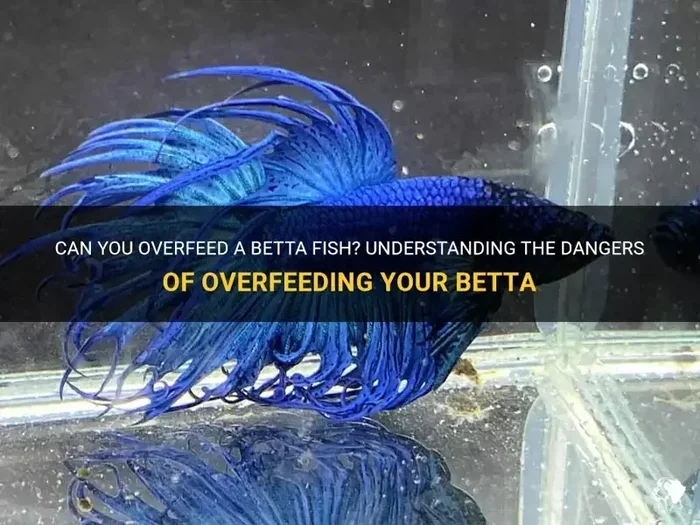
- Halfmoon: A tail that spreads into a perfect 180-degree circle
- Plakat: Shorter fins, closer to the wild type
- Double Tail: Two separate tail fins instead of one
- Rosetail: Extra branching fins that create a rose-like appearance
All of these varieties are the same species, Betta splendens. They all share the same care requirements and temperament traits. The differences are purely cosmetic, which is part of what makes them so fun to collect and admire.
If you are new to bettas, a veiltail or plakat is a great starting point. These varieties tend to be hardier and easier to find. As you gain experience, you might want to explore the more elaborate fin types like the halfmoon or rosetail.
Breeding Betta Fish
Breeding bettas is a rewarding but challenging endeavor. It requires careful preparation and a dedicated breeding tank. The male and female must be introduced gradually, and the male will build a bubble nest to prepare for spawning.
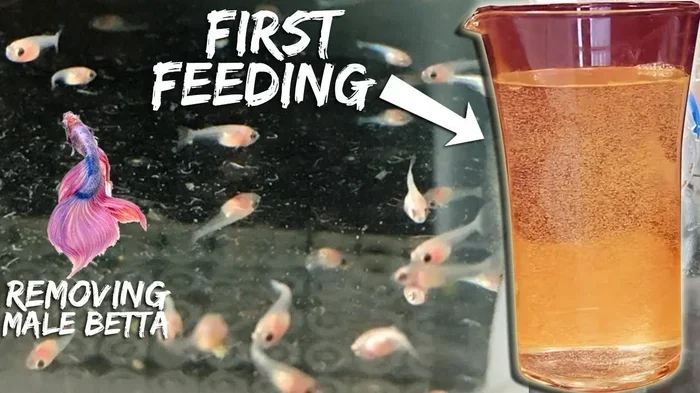
After the female lays her eggs, the male will collect them and place them in the bubble nest. The female should be removed at this point, as the male may become aggressive toward her. The male will guard the nest and the fry until they hatch and become free-swimming.
Breeding bettas is not recommended for beginners. It requires knowledge of water parameters, feeding fry, and managing the aggression between the breeding pair. If you are interested in learning more, start by reading about proper betta fish tank setups and water management.
Where Do Bettas Live in the Wild?
In the wild, bettas live in shallow, slow-moving bodies of water in Southeast Asia. You can find them in rice paddies, floodplains, and slow rivers. Their natural habitat is warm and often has low oxygen levels, which is why their labyrinth organ is so important.
Wild bettas look very different from the colorful fish we see in pet stores. They have shorter fins and more muted colors, usually green, brown, and gray. This camouflage helps them survive in the wild. The brilliant colors of pet store bettas are the result of selective breeding over many generations.
Understanding a betta’s wild origins helps you replicate their natural conditions in your tank. Warm water, gentle flow, plenty of plants, and calm surroundings will make your betta feel right at home.
Conclusion
The answer to are siamese fighting fish the same as betta fish is a definitive yes. They are one and the same species, Betta splendens, with a rich history and a bright future as one of the world’s most popular aquarium fish. Whether you call them Siamese fighting fish or bettas, these beautiful creatures deserve proper care, a well-set-up tank, and a loving home.
Remember that bettas are more than just pretty fish. They have personalities, behaviors, and needs that deserve your attention. With the right setup and a little knowledge, you can enjoy your betta for years to come. Start with a proper tank, keep the water clean, feed a quality diet, and watch your fish thrive.
If you are thinking about adding a betta to your aquarium or looking to improve your current setup, the information in this guide gives you a solid foundation. Bettas are wonderful pets that bring color and life to any space. Give them the care they deserve, and they will reward you with their stunning beauty and engaging personalities.
Frequently Asked Questions
Are Siamese fighting fish and betta fish the same species?
Yes, they are exactly the same species. The scientific name Betta splendens applies to both names. Siamese fighting fish is simply the original common name, while betta fish is the shortened version most people use today.
Can two male Siamese fighting fish live together?
No, two male bettas should never be housed together. They are extremely aggressive toward each other and will fight until one is seriously injured or killed. This is why they earned the name “fighting fish.”
What is the lifespan of a betta fish?
With proper care, a betta fish typically lives between 2 and 5 years. Some well-cared-for bettas have been known to live even longer, but 3 to 4 years is the most common range. Genetics and tank conditions play a big role in their longevity.
Do betta fish need a heater in their tank?
Yes, bettas are tropical fish and need a heater. The ideal temperature range is 76 to 82 degrees Fahrenheit. Without a heater, the water temperature can drop too low, causing stress and health problems for your fish.
Can betta fish live in a bowl without a filter?
While bettas can survive in a bowl without a filter, they will not thrive. A filter helps maintain clean water and stable parameters. A 5-gallon tank with a gentle filter and heater is the minimum recommended setup for a healthy betta.
Why do betta fish flare their gills?
Bettas flare their gills as a display of aggression or territorial behavior. They do this when they see another male betta, a reflection, or even a perceived threat. Flaring is a natural behavior, but frequent flaring can stress your fish out.