Are Black Betta Fish Rare
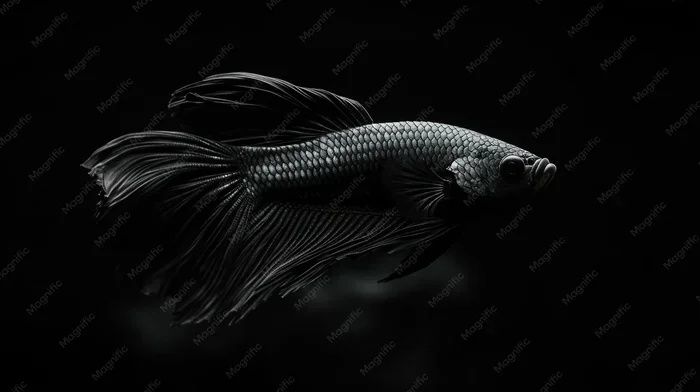
Black betta fish are relatively rare compared to standard color varieties, but they are not impossible to find. These dark-colored fish get their deep black hue from a combination of genetics and melanin pigments. Whether you are looking for a black halfmoon betta or a black crowntail betta, understanding their rarity helps you make a smart purchase.
Black betta fish have captured the attention of aquarium enthusiasts around the world. Their deep, dark coloration looks stunning against a decorated tank. But one question keeps coming up in fish forums and pet stores alike: are black betta fish rare? The short answer is yes, they are less common than other betta colors, but they are far from impossible to find.
If you have been searching for a black betta fish for your collection, this guide covers everything you need to know. We will explore the genetics behind their color, the different types available, why they are considered rare, and how to care for them properly. By the end, you will have a clear picture of what makes these fish so special.
The world of betta fish colors is vast and fascinating. From vibrant reds to calm blues, bettas come in almost every shade imaginable. But black bettas stand out for a very different reason. Their dark appearance is not just a color; it is a genetic marvel that breeders work hard to produce. If you want to learn more about whether black betta fish exist as a natural variant, that is a great place to start.
Key Takeaways
- Black betta fish are considered rare: Their dark coloration comes from specific genetic traits that are less common in breeding programs.
- Melanin levels determine the black color: Higher melanin production creates the deep, rich black hue that collectors seek.
- Several black betta varieties exist: Black halfmoon, black crowntail, and black marble are popular types with unique patterns.
- Black betta fish can be more expensive: Rarity drives up prices, especially for high-quality specimens from reputable breeders.
- Proper care is essential: Black bettas need clean water, stable temperatures, and a stress-free environment to maintain their color.
- Black betta fish true color can vary: Some black bettas may appear dark blue or green under certain lighting conditions.
- Finding black bettas is getting easier: More breeders are focusing on producing rare color morphs, making them more accessible.
📑 Table of Contents
What Makes Black Betta Fish Rare?
The rarity of black betta fish comes down to genetics and selective breeding. Not all bettas carry the genes needed to produce a deep, solid black color. This makes them less common in both local fish stores and online markets.
The Role of Melanin in Betta Fish Color
Melanin is the pigment responsible for dark coloring in many animals, including fish. Black bettas produce higher levels of melanin in their skin and scales. This creates the rich, dark appearance that collectors love. However, producing high melanin levels consistently through breeding is challenging.
Breeders must carefully select parent fish that carry the right genes. Even then, not all offspring will display a true black color. Some may turn out dark blue, green, or even show patterns instead of a solid black body. This unpredictability adds to the rarity factor.
When asking are black betta fish rare, it helps to understand that rarity also depends on the specific type of black. A solid jet black betta is much harder to find than a fish with black patches mixed with other colors.
How Black Betta Genetics Work
Betta fish color is controlled by multiple genes working together. The black color trait is often recessive, meaning both parent fish need to carry the gene for black offspring. This makes breeding black bettas a careful and deliberate process.
Here are some key genetic factors that influence black betta coloration:
- Melanin gene expression: Determines how much dark pigment the fish produces.
- Structural color interference: Some black bettas have underlying iridescent layers that can shift the appearance.
- Pattern genes: These control whether the black color is solid or spread in patterns.
- Layering of pigments: Multiple pigment layers interact to create the final color look.
Understanding these genetic factors explains why finding a true black betta takes patience. Breeders cannot simply pair two dark fish and expect solid black results every time.
Types of Black Betta Fish
Not all black bettas look the same. Several distinct varieties fall under the black color category, each with unique features and levels of rarity.
Black Halfmoon Betta
The black halfmoon betta has a tail that spreads out like a half circle when fully extended. The deep black color across the fins and body makes this variety especially striking. Because both the black color and the halfmoon tail shape are somewhat rare, combining them makes this a prized fish among hobbyists.
If you are wondering whether black betta fish show their true color, the halfmoon variety is one of the best examples. The dark fins contrast beautifully with the body, and the color remains consistent in most lighting conditions.
Black Crowntail Betta
The black crowntail betta features webbed fins that give a spiky, crown-like appearance. When this fin type comes in a deep black color, the result is truly dramatic. Black crowntails are popular but still considered uncommon in most local fish stores.
These fish are known for their flowing fins and bold color. The black crowntail is a favorite for aquascaped tanks where the fish can be the centerpiece.
Black Marble Betta
Black marble bettas have a unique pattern that looks like dark splotches or swirls on the body. Unlike solid black bettas, marbles often have a mix of black and other colors. The pattern can change over the fish’s lifetime, which adds an element of surprise for owners.
Marble bettas are slightly easier to find than solid black varieties because the pattern is more forgiving in breeding. You can learn more about getting a black betta fish and how marble patterns fit into that picture.
Black Butterfly Betta
The black butterfly betta displays a color pattern where the body is one color and the fins are another, often with a sharp dividing line. Black butterfly varieties typically have a dark body with black and sometimes red or white fins. These are visually stunning and relatively uncommon.
Why Are Black Betta Fish Considered Rare?
Several factors contribute to the rarity of black betta fish. Understanding these reasons helps explain why they cost more and why you may not find them easily at every pet store.
Limited Breeding Programs
Not all betta breeders focus on producing black color varieties. Breeding for black requires specific knowledge, time, and patience. Many breeders prioritize more common colors like red, blue, or purple because those sell faster and in higher volumes.
Specialized breeders who work on black bettas often have long waiting lists. This limited supply drives up both availability and price.
High Demand Among Collectors
Rare fish always attract more attention from collectors. Black bettas are no exception. Their dramatic appearance makes them highly sought after, which increases competition among buyers. When demand outpaces supply, the fish become rarer in the general market.
If you compare this to other colors, betta fish rarity varies widely by color and pattern. Black is definitely on the rarer end of the spectrum.
Color Fading and Maintenance Challenges
Another reason black bettas are considered rare is that maintaining their dark color can be tricky. Poor water quality, stress, and improper diet can cause the black color to fade or shift. This means that not every black betta sold will stay black throughout its life.
Breeders who can consistently produce fish that hold their black color are even more respected and rare in the hobby. This adds another layer of difficulty to producing high-quality black bettas.
Comparison of Betta Fish Rarity by Color
| Betta Color | Rarity Level | Availability | Price Range |
|---|---|---|---|
| Red | Common | Widely available | $5 – $15 |
| Blue | Common to Uncommon | Most fish stores | $8 – $20 |
| Black | Rare | Specialty breeders | $20 – $50+ |
| Purple | Rare | Specialty breeders | $25 – $60+ |
| Platinum | Uncommon | Online retailers | $15 – $35 |
As you can see from the table, black bettas sit firmly in the rare category. Their price reflects both the difficulty of breeding them and the demand from collectors.
How to Find and Buy Black Betta Fish
If you are ready to add a black betta to your tank, knowing where to look makes all the difference. These fish are not typically stocked in big box stores, so you will need to explore other options.
Specialty Breeders
The best place to find quality black bettas is through specialized breeders. These breeders focus on rare color morphs and often have detailed information about the fish’s lineage. Buying from a reputable breeder ensures you get a healthy fish with strong color potential.
Look for breeders who have online reviews, clear photos of their fish, and transparent breeding practices. Many sell through websites or social media platforms dedicated to fish keeping.
Online Fish Retailers
Several online retailers specialize in rare betta fish. These platforms often have a wider selection than local stores and ship fish directly to your door. Always check shipping policies and guarantee healthy delivery before purchasing.
Local Fish Clubs and Shows
Betta fish clubs and aquarium shows are excellent places to find rare color varieties. Enthusiasts who attend these events often bring their best fish, including rare black specimens. You can also connect with breeders directly and learn more about caring for these unique fish.
What to Look for When Buying
When you find a black betta for sale, here are key things to check before buying:
- Color consistency: The black should be even across the body and fins.
- Fin health: Look for intact fins without tearing or fraying.
- Activity level: A healthy black betta should be alert and responsive.
- Clear eyes: Eyes should be bright and free of cloudiness.
- No visible damage: Check for any signs of disease or injury.
Buying from a trusted source reduces the risk of bringing home a fish that may not thrive in your tank. For more tips on selecting healthy bettas, check out our guide on are Walmart betta fish healthy to understand what to watch for when buying from large retailers.
Caring for Your Black Betta Fish
Once you bring home your black betta, proper care is essential to keep their color vibrant and their health strong. Black bettas need the same basic care as other betta varieties, but a few extra considerations help them thrive.
Tank Setup for Black Bettas
A minimum tank size of 5 gallons is recommended for a single betta. Larger tanks provide more stable water conditions and room for your fish to explore. Add gentle filtration, a heater to maintain temperatures between 78 and 80 degrees Fahrenheit, and plenty of hiding spots.
Black bettas can look especially dramatic in tanks with dark substrate and live plants. The contrast makes their color pop and creates a visually stunning aquascape.
Water Quality and Maintenance
Clean water is critical for maintaining your black betta’s color and health. Perform regular water changes of about 25% every week. Test water parameters frequently to keep ammonia and nitrite levels at zero.
Stressed fish often lose color intensity. A well-maintained tank with stable parameters helps your black betta stay dark and beautiful. If you notice your betta’s scales changing color, it could be a sign of stress or illness. Our article on why betta fish scales turn black covers this topic in more detail.
Diet and Nutrition
Feed your black betta a varied diet of high-quality pellets, frozen or live foods, and occasional treats like brine shrimp. A nutrient-rich diet supports overall health and helps maintain vibrant coloration.
Feed small amounts twice a day and remove any uneaten food after a few minutes. Overfeeding can lead to water quality issues and health problems.
Common Mistakes to Avoid
- Keeping the tank too small: Tiny bowls and cups stress bettas and dull their color.
- Ignoring water changes: Dirty water causes health issues and color fading.
- Overcrowding the tank: Bettas are solitary fish and need space.
- Using harsh lighting: Very bright lights can wash out the dark color of black bettas.
- Skipping quarantine: New fish can introduce diseases to your established tank.
Avoiding these common mistakes gives your black betta the best chance to live a long, healthy life with beautiful color.
Are Black Betta Fish Worth the Rarity?
The short answer is yes, for most hobbyists. Black betta fish bring a unique and dramatic presence to any aquarium. Their dark coloration creates a striking contrast with plants, decorations, and tank mates.
That said, black bettas are not for everyone. They cost more than common varieties, and finding a quality specimen takes effort. If you are willing to invest the time and money, the result is a truly beautiful fish that stands out in any collection.
Whether you are a seasoned betta keeper or just starting out, adding a black betta to your tank is a rewarding experience. Their rarity makes them feel extra special, and watching their dark fins move gracefully through the water is a joy every day.
Final Thoughts
So, are black betta fish rare? Yes, they are. But rarity does not mean unattainable. With the right knowledge, patience, and a trusted source, you can bring home a stunning black betta that will be the centerpiece of your aquarium. Their unique genetics, beautiful coloration, and captivating presence make them a worthwhile addition for any fish lover.
Remember that caring for a black betta is about more than just their rarity. It is about providing a clean, stable environment and a healthy diet. When you put in the effort, your black betta will reward you with years of beauty and enjoyment.
If you are curious about other rare betta colors or want to explore more about betta fish varieties, there is always something new to learn in this fascinating hobby. Start with your black betta and let your curiosity guide you from there.
Frequently Asked Questions
Are black betta fish naturally rare in the wild?
Black betta fish are not commonly found in the wild with a solid black color. Their dark appearance is largely the result of selective breeding by humans. Wild bettas typically display more varied colors and patterns that help them blend into their natural environment.
Why are black betta fish more expensive than other colors?
Black bettas cost more because they are harder to breed consistently. The genetic traits needed for a true black color are recessive and unpredictable. Limited supply and high demand from collectors also drive up the price.
Can black betta fish lose their color over time?
Yes, black bettas can experience color fading due to stress, poor water quality, or illness. Maintaining clean water, a stable environment, and a healthy diet helps preserve their dark coloration for as long as possible.
What is the difference between a black betta and a dark blue betta?
The difference can be subtle. Black bettas have a solid, deep black color caused by high melanin levels. Dark blue bettas have a blue base that may appear black in low light but will show blue or iridescent tones in brighter conditions.
Are black betta fish aggressive compared to other betta colors?
No, the color of a betta fish does not determine its temperament. Black bettas have the same personality traits as other bettas. Individual temperament varies from fish to fish, regardless of color.
How long do black betta fish live?
Black betta fish typically live between 3 and 5 years with proper care. Providing a clean tank, balanced diet, and low-stress environment helps them reach their full lifespan.