Are Bettas Good Beginner Fish
Yes, bettas are excellent beginner fish because they are hardy, colorful, and low maintenance. Their peaceful nature and simple care needs make them ideal for new aquarium owners who want a rewarding pet without overwhelming complexity. This guide covers everything you need to know about keeping bettas as a first-time fish keeper.
So you are thinking about getting a betta fish as your first pet fish? That is a fantastic idea. Bettas are one of the most popular choices for people just starting out in the aquarium hobby. They are colorful, active, and relatively easy to care for. But the real question is: are bettas good beginner fish?
The short answer is yes. Bettas are often called the perfect starter fish, and for good reason. They are hardy, they do well in small spaces, and they do not need a huge setup to thrive. Whether you are a teenager setting up your first tank or an adult looking for a low-maintenance pet, bettas fit the bill nicely.
In this guide, we will walk through everything you need to know about keeping bettas as a beginner. You will learn about their temperament, tank setup, feeding, and how to keep them healthy. By the end, you will feel confident about welcoming your first betta into your home.
Key Takeaways
- Bettas are hardy and forgiving: They tolerate minor water changes and imperfect conditions better than many tropical fish.
- Simple care requirements: Bettas need a small tank, regular feeding, and basic maintenance, making them perfect for beginners.
- They are not community fish by default: Male bettas can be aggressive, so knowing which fish are compatible with bettas is essential.
- A proper tank setup matters: Even a small 5-gallon tank with a filter and heater goes a long way in keeping your betta healthy.
- Bettas have a long lifespan: With good care, they can live 3 to 5 years, giving beginners a rewarding long-term pet experience.
- Feeding is straightforward: Bettas thrive on pellets and occasional treats, so you won’t need complex feeding routines.
📑 Table of Contents
Why Bettas Make Great Beginner Fish
There is a reason bettas have been a staple in the aquarium world for decades. They are not just pretty to look at. They are also forgiving of mistakes, which is exactly what a beginner needs.
Hardy and Resilient
Betta fish are naturally resilient. They can survive in conditions that would stress out many other tropical fish. This does not mean you should neglect them. But it does mean that if you forget a water change or the temperature fluctuates slightly, your betta will likely be just fine.
This toughness is a huge advantage for someone who is still learning the ropes of fish keeping. You will make mistakes as a beginner, and that is totally normal. Bettas give you room to learn without your fish suffering immediately.
Beautiful and Unique
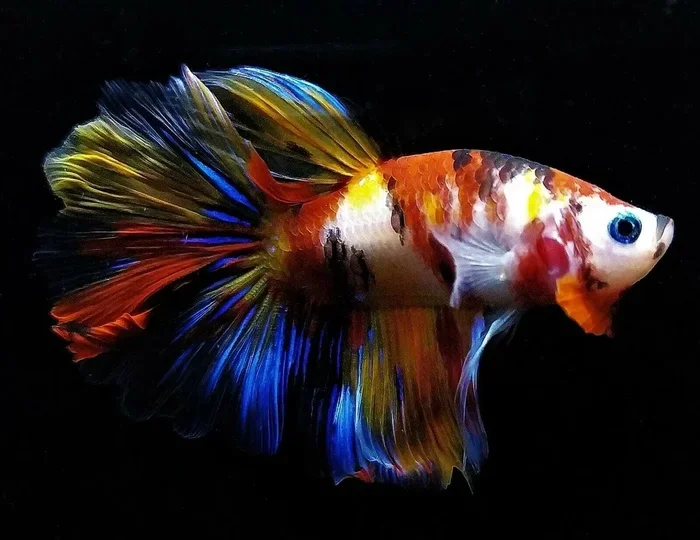
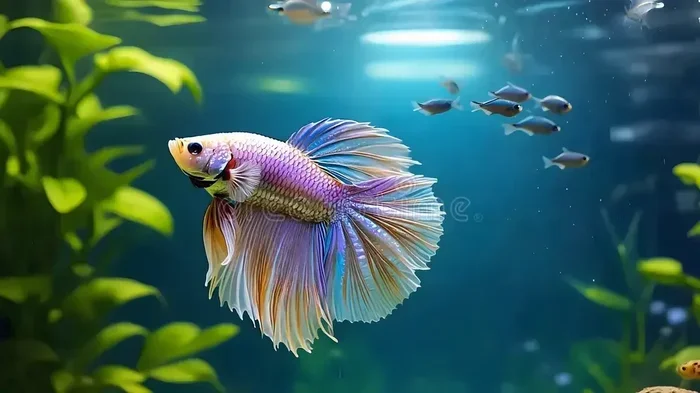
Let us be honest. One of the biggest reasons people choose bettas is how stunning they look. Their flowing fins come in a wide range of colors. You can find bettas in red, blue, green, purple, and even white. Every fish has its own personality and color pattern, which makes each one special.
Watching a betta swim around its tank is genuinely calming. Many beginner fish keepers say their betta became their favorite pet because of how peaceful and entertaining it is to observe.
Low Maintenance Compared to Other Fish
Unlike some tropical fish that need large tanks and complex equipment, bettas are simple to care for. A small aquarium setup with a filter and a heater is all you really need. You do not need a massive 55-gallon tank to keep a betta happy.
This makes bettas a great option for people with limited space or a tight budget. You can set up a proper betta tank without breaking the bank.
Setting Up a Tank for Your Betta
While bettas are low maintenance, they still need a proper environment to stay healthy. Setting up the right tank is the most important step you will take as a beginner.
Tank Size Matters
A lot of people think bettas can live in tiny bowls. That is a myth. Bettas need space to swim and explore. A 5-gallon tank is the minimum recommended size for a single betta. If you can go bigger, even better. A 10-gallon tank gives your fish more room and makes it easier to maintain stable water conditions.
Small tanks can be tricky because water parameters change quickly. A larger tank gives you more buffer and stability, which is great for a beginner who is still getting comfortable with water testing and maintenance routines.
Essential Equipment
Here is what you will need for a basic betta tank setup:
- A filter: Choose a gentle filter. Bettas do not like strong currents. Sponge filters work great because they are quiet and provide good biological filtration.
- A heater: Bettas are tropical fish. They need water temperatures between 76 and 82 degrees Fahrenheit. A small aquarium heater will keep the temperature stable.
- A thermometer: This helps you monitor the water temperature daily without guesswork.
- A lid: Bettas are jumpers. They can and will jump out of open tanks. A tight-fitting lid is a must.
- Substrate: Simple gravel or sand works fine. You do not need anything fancy.
Adding Plants and Decorations
Bettas love places to hide and explore. Adding live or silk plants gives them coverage and makes the tank look natural. Java ferns are a popular choice because they are easy to grow and safe for bettas. You can also add caves, driftwood, and gentle decorations to create a comfortable environment.
Just make sure nothing in the tank has sharp edges. Bettas have long, delicate fins that can tear on rough surfaces. Keep the decorations smooth and safe.
Understanding Betta Temperament
One of the most important things to know about bettas is their temperament. This directly affects how you care for them and what tank mates they can have.
Male Bettas Can Be Aggressive
Male bettas are known for being territorial. They are often called Siamese fighting fish for a reason. Two male bettas should never be kept in the same tank. They will fight, and the results can be deadly.
This aggression also means you need to be careful when choosing tank mates. Not every fish can live peacefully with a male betta. If you want to add other fish, you need to do your research first. Some species are much better suited to share a tank with a male betta than others.
Female Bettas Are More Social
Female bettas are generally less aggressive than males. You can sometimes keep a group of females together in a setup called a sorority tank. However, this still requires careful planning and enough space. If you are a complete beginner, starting with a single male betta in a solo tank is the safest and easiest route.
Are Bettas Community Fish?
This is a question many beginners ask. The honest answer is that it depends. Some bettas can live in community tanks with peaceful, small fish. Others cannot tolerate any tank mates at all. Bettas are not naturally community fish, but individual personalities vary. Some bettas are calm and tolerant, while others are feisty and defensive.
If you are new to fish keeping, starting with a solo betta tank is the best approach. Once you gain experience and confidence, you can explore adding compatible tank mates.
Feeding Your Betta Fish
Feeding bettas is simple, but there are a few things you should know to keep your fish healthy and happy.
What to Feed Your Betta
Bettas are carnivores. They need a protein-rich diet. High-quality betta pellets should be the staple of their diet. These pellets are specially formulated to meet the nutritional needs of bettas. Look for brands that list fish or shrimp as the first ingredient.
You can also offer occasional treats like frozen or live brine shrimp and bloodworms. These are great for adding variety and enrichment to your betta’s diet. Just do not overdo it. Treats should make up no more than 10 to 20 percent of their total food intake.
How Often and How Much
Feed your betta once or twice a day. A good rule of thumb is to give them only what they can eat in two to three minutes. Overfeeding is one of the most common mistakes beginners make. It can lead to obesity, poor water quality, and health problems.
If you are going on vacation, a seven-day feeder can be a helpful backup. However, these should not replace regular feeding. Most bettas can safely go a few days without food, so a short trip is usually not a problem.
Common Feeding Mistakes
Here are a few feeding mistakes to avoid:
- Feeding too much at once. This pollutes the water and can make your betta sick.
- Only feeding flakes. Bettas are not tropical community fish. They need protein-rich food, not generic flake food designed for other species.
- Skipping days regularly. While bettas can handle occasional missed feedings, they still need consistent nutrition.
Common Health Issues and How to Prevent Them
Bettas are hardy fish, but they are not immune to health problems. Knowing what to watch for can save you a lot of stress and heartbreak.
Signs of a Healthy Betta
A healthy betta will have bright, vibrant colors. Its fins will be open and flowing, not clamped or torn. It will be active and curious, exploring its tank and responding to your presence. A healthy appetite is also a great sign.
Common Problems to Watch For
Here are the most common health issues bettas face:
- Fin rot: This is a bacterial infection that causes the edges of the fins to look ragged or discolored. It is usually caused by poor water quality. Regular water changes can prevent this.
- Constipation: Overfeeding often leads to constipation. You may notice your betta has a swollen belly or is not eating. Feeding a peeled pea once can help relieve this.
- Ich (white spot disease): This shows up as small white spots on the body and fins. It is caused by stress and sudden temperature changes. Keeping the tank warm and stable helps prevent ich.
- Bubble nest building: This is actually a good sign! It means your betta is happy and healthy. Male bettas build bubble nests at the surface of the water. Bubble nests are a natural and positive behavior in bettas.
Prevention Is Better Than Cure
The best way to keep your betta healthy is through good tank maintenance. Change 20 to 25 percent of the water every week. Test the water parameters regularly. Keep the temperature stable. A clean, stable environment is the foundation of good betta health.
Also, make sure to cycle your tank before adding your betta. A cycled tank has beneficial bacteria that break down harmful toxins like ammonia and nitrite. Adding a betta to an uncycled tank is one of the fastest ways to cause health problems.
Are Bettas Right for You?
By now, you should have a good picture of what it takes to care for a betta fish. Let us wrap up with a few final thoughts to help you decide if a betta is the right choice for you.
Bettas are fantastic beginner fish because they are forgiving, beautiful, and easy to care for. They do not need a huge tank or expensive equipment. A simple 5-gallon setup with a filter, heater, and a few decorations is all it takes to create a happy home for your betta.
However, bettas are not zero-maintenance pets. They still need regular feeding, weekly water changes, and a stable environment. If you are willing to put in a small amount of effort, a betta will reward you with years of color and companionship.
If you are still on the fence, remember that bettas are one of the most popular starter fish for a reason. Thousands of beginners have successfully kept bettas and fallen in love with the hobby because of them. You can be one of them.
Start small, learn as you go, and enjoy the journey. Your first betta fish is going to be a wonderful experience.
Frequently Asked Questions
Can a betta fish live in a bowl?
Technically yes, but a bowl is not ideal. Bettas need filtered and heated water to stay healthy long-term. A 5-gallon tank with a sponge filter and a small heater is the minimum setup you should provide. Bowls lack filtration and heat, which can lead to health problems over time.
How long do betta fish live?
With proper care, bettas typically live between 3 and 5 years. Some well-cared-for bettas have even been known to live longer. The key factors that influence lifespan are water quality, diet, and tank temperature stability. Keeping up with regular maintenance is the best way to ensure your betta lives a full, healthy life.
Can bettas live with other fish?
It depends on the individual fish and the setup. Male bettas are often too aggressive to share a tank with other fish. Female bettas can sometimes be kept in small groups. If you want to add tank mates, choose peaceful species that do not nip at betta fins. Research compatibility carefully before introducing any new fish to the tank.
Do betta fish need a heater?
Yes, bettas are tropical fish and need warm water to thrive. The ideal temperature range is between 76 and 82 degrees Fahrenheit. A small aquarium heater is essential for maintaining a stable temperature. Without a heater, room temperature fluctuations can stress your betta and make it more susceptible to illness.
What is the best food for betta fish?
High-quality betta pellets should be the main part of their diet. Look for pellets with fish or shrimp as the primary ingredient. You can supplement their diet with frozen or live brine shrimp and bloodworms as occasional treats. Avoid feeding generic tropical flakes, as they do not provide the protein levels bettas need.
Are bettas good pets for kids?
Yes, bettas can be great pets for kids who are old enough to handle basic feeding and tank maintenance responsibilities. They are colorful and interesting to watch, which keeps children engaged. However, adult supervision is recommended to ensure the fish is cared for properly and the tank is maintained on a regular schedule.