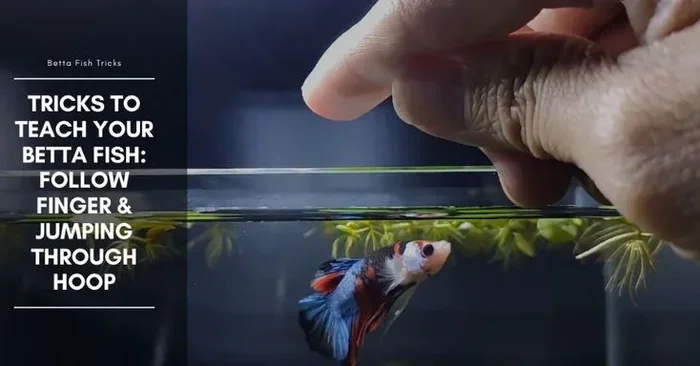
Are Betta Fish Predators

Yes, betta fish are predators by nature. In the wild, these vibrant freshwater fish hunt insects, larvae, and small creatures. Understanding their predatory behavior helps you create a safer and happier aquarium environment for your betta and its tank mates.
Many people think betta fish are just pretty faces floating around a tank. But the truth is, are betta fish predators? The answer is a clear yes. These colorful freshwater fish come from warm, shallow waters in Southeast Asia. In those environments, they hunt for food every single day. Their sharp instincts and agile bodies make them effective little predators. Understanding this side of betta behavior is key to keeping them healthy and happy.
Whether you are a new fish owner or a seasoned hobbyist, knowing about your betta’s predatory nature helps a lot. It affects everything from the tank setup to the food you offer. It even changes the kind of tank mates you can safely add. In this guide, we will dive deep into the world of betta fish and their hunting habits. You will learn what makes them tick, how to manage their instincts, and how to build a better home for them.
Key Takeaways
- Betta fish are natural predators: They evolved to hunt and eat live prey in their native habitats.
- Their diet includes insects, larvae, and small invertebrates: This shapes how they behave in captivity.
- Tank mate selection matters a lot: Choosing the right companions prevents stress and injury.
- A proper betta tank setup reduces aggressive hunting: Enough space and hiding spots make a big difference.
- Feeding habits reflect their predatory instincts: Offering the right foods keeps them healthy and less aggressive.
- Not all bettas are aggressive hunters: Individual temperament varies based on environment and care.
📑 Table of Contents
What Makes Betta Fish Predators?
Betta fish belong to a group of freshwater fish known for their aggressive and territorial nature. Their full name is Betta splendens, and they have been bred for centuries in Southeast Asia. Originally, they lived in rice paddies, flood plains, and slow-moving streams. These environments are full of small creatures that bettas love to hunt.
So what exactly makes a betta a predator? It comes down to their biology and behavior. Bettas have a special organ called the labyrinth organ. This lets them breathe air from the surface. It also helps them survive in shallow, oxygen-poor waters where many other fish cannot live. In these tight spaces, bettas hunt small prey with ease.
The Hunting Instinct
Betta fish are built for hunting. They have a streamlined body and long, flowing fins that help them move quickly through the water. Their eyes are sharp and can detect even the tiniest movements. When a bug lands on the water surface or a small creature swims by, a betta reacts fast.
In the wild, bettas use a technique called “gulp feeding.” They swim up to the surface and inhale their prey in one quick motion. This instinct stays strong even in captivity. That is why you might notice your betta staring at the water surface or stalking tiny movements in the tank. These are signs of their natural predatory behavior at work.
What Do Betta Fish Eat in the Wild?
Wild bettas eat a wide variety of small prey. Their diet is mostly carnivorous, which means they rely on animal-based protein. Here are some of the things they hunt and eat in their natural habitat:
- Insect larvae: These are a staple food source for wild bettas. Mosquito larvae and other small worm-like creatures are easy to catch and very nutritious.
- Small insects: Bugs that fall onto the water surface become an easy meal for a hungry betta.
- Brine shrimp and daphnia: These tiny crustaceans are common in shallow waterways and make up a big part of a wild betta’s diet.
- Bloodworms: Small red worms found in water bodies are another favorite food for bettas.
- Zooplankton: These microscopic organisms float in the water and are constantly available for bettas to graze on.
This diet is high in protein and low in plant matter. It is important to remember that bettas are not herbivores. They need meat-based nutrition to thrive. In captivity, this means you should avoid feeding them only plant-based flakes. A quality betta fish diet includes pellets, freeze-dried bloodworms, and occasional live or frozen foods.
How Predatory Behavior Affects Tank Life
Knowing that bettas are predators changes how you think about their tank setup. A betta is not just a pretty decoration in a bowl. It is an active hunter with specific needs. If you ignore this, you can run into problems with aggression, stress, and even injury to other fish.
Tank Size and Space
One of the most important factors in managing a betta’s predatory instincts is tank size. Many people keep bettas in tiny bowls or vases. This is a bad idea for several reasons. A small space makes a betta feel trapped and stressed. A stressed betta becomes more aggressive and more likely to lash out at anything that moves.
A tank of at least 5 gallons is recommended for a single betta. More space gives your fish room to swim and explore. It also helps spread out territorial energy. When a betta has enough room, it is less likely to obsessively chase other creatures in the tank. This is a key part of proper betta fish care.
Hiding Spots and Enrichment
Adding plants, caves, and decorations to a betta tank does more than make it look nice. It gives your fish places to hide and explore. This reduces stress and provides mental stimulation. Live plants like pothos or java fern are great choices. They also help maintain good water quality.
Before adding any plants, make sure they are safe for your betta. For example, are pothos plants safe for betta fish? Yes, pothos can be a great addition. They help absorb nitrates and provide natural cover. But always research any plant before putting it in your tank. Some plants can be toxic or cause harm.
Can Betta Fish Live With Other Fish?
This is one of the most common questions among betta owners. The short answer is: it depends. Bettas are predators, and they can see small, slow-moving fish as either prey or threats. Choosing the right tank mates is essential for a peaceful community tank.
Good Tank Mates for Bettas
Some fish and creatures can coexist with bettas without triggering their hunting instincts. The key is to choose species that are similar in size and temperament. Here are some options that often work well:
- Mystery snails: These slow-moving snails are generally safe with bettas. They stay busy cleaning algae off surfaces and do not bother the fish. If you are wondering, are mystery snails ok with betta fish? In most cases, yes. Just keep an eye on them during feeding times.
- Shrimp: Small shrimp like cherry shrimp can sometimes live with bettas. However, bettas may see them as food. If you want to try this, provide plenty of hiding spots. For more details, check if are shrimp good with betta fish in your specific setup.
- Corydoras catfish: These peaceful bottom-dwellers are often good companions. They stay busy at the bottom of the tank and avoid the betta’s territory.
- Kuhli loaches: These shy, eel-like fish tend to keep to themselves and rarely provoke a betta.
Fish to Avoid With Bettas
Some fish are a bad match for bettas. Avoid anything small, colorful, or with long flowing fins. Bettas may see bright, fin-nemo fish as rivals or prey. Here are some species to steer clear of:
- Guppies and other small livebearers
- Neon tetras and other tiny schooling fish
- Fish with long, flowing fins similar to bettas
- Very slow-moving fish that cannot escape
If you are unsure about compatibility, research each species carefully. You can also look into are there other fish that can go with a betta for more detailed guidance on building a safe community tank.
Feeding Your Betta: Balancing Predator and Pet
Feeding time is one of the best ways to observe your betta’s predatory nature. In the wild, bettas eat multiple small meals throughout the day. They are not grazers like some other freshwater fish. They are active hunters that strike when food is available.
In captivity, you should mimic this natural feeding pattern as closely as possible. Here are some tips for feeding your betta in a way that respects its instincts:
- Feed small amounts twice a day: This matches the natural eating pattern of wild bettas. Overfeeding is a common mistake that can lead to health problems.
- Offer a variety of foods: Rotate between high-quality pellets, freeze-dried bloodworms, and frozen brine shrimp. This keeps their diet balanced and interesting.
- Use feeding rings or target feeding: This helps prevent food from spreading across the tank and being eaten by other inhabitants.
- Avoid overfeeding: Uneaten food pollutes the water and can make your betta sick. Remove any leftover food after a few minutes.
Some owners wonder if they should feed their betta every day or skip days. The general rule is to feed daily with appropriate portions. If you are unsure about the schedule, check whether are you supposed to feed betta fish everyday for expert-backed advice on maintaining a healthy feeding routine.
Live Food vs. Prepared Food
Live food is the closest thing to what bettas would eat in the wild. It triggers their hunting instincts and provides excellent nutrition. However, live food can carry parasites or bacteria. Always source live food from reputable suppliers.
Prepared foods like high-quality pellets are a convenient and safe alternative. Look for pellets that list fish meal or shrimp as the first ingredient. Avoid foods filled with fillers like corn or wheat. These do not meet the nutritional needs of a carnivorous fish like the betta.
Common Mistakes Bettas Owners Make With Predatory Fish
Even experienced fish keepers can make mistakes when caring for bettas. Here are some common errors that happen when owners do not account for their fish’s predatory nature.
Mistake 1: Keeping Bettas in Tiny Bowls
A small bowl limits movement and increases stress. A stressed betta is more likely to act out aggressively. This is harmful to the fish and any other creatures sharing the tank. Always aim for at least a 5-gallon tank with proper filtration and heating.
Mistake 2: Adding Incompatible Tank Mates
Throwing random fish into a betta tank is a recipe for disaster. Some fish will nip at betta fins, triggering violent responses. Others may be small enough to become prey. Always research compatibility before introducing new inhabitants. You might want to explore are you supposed to put betta fish with other fish to understand the risks better.
Mistake 3: Ignoring Behavioral Signs
Bettas communicate through body language. Flaring gills, rapid chasing, and loss of color are all signs of stress or aggression. Ignoring these signals can lead to serious health issues. Watch your fish daily and respond to changes in behavior quickly.
Mistake 4: Overfeeding
It is easy to go overboard with food, especially when your betta gives you those hungry eyes. But overfeeding leads to obesity, poor water quality, and shortened lifespan. Stick to a consistent feeding schedule and remove uneaten food promptly.
Expert Insights on Betta Predatory Behavior
Understanding betta fish as predators is not just about their diet. It is about their entire way of interacting with the world. Expert aquarists emphasize that a betta’s environment shapes its behavior more than anything else.
“A well-planned tank with appropriate space and enrichment brings out the best in bettas,” says Dr. Jessie Sanders, a certified aquatic veterinarian. “When their basic needs are met, predatory instincts become manageable. The fish is healthier, calmer, and more interesting to watch.”
This aligns with what many experienced hobbyists observe. A betta in a proper setup with good water quality and balanced feeding tends to be less aggressive. The predatory behavior is still there, but it is channeled in healthy ways rather than causing problems.
If you notice your betta becoming unusually aggressive or lethargic, check the water parameters first. Poor water quality can trigger stress and change behavior. Also consider whether your fish might be in shock. Some bettas can recover from shock with proper care. You can learn more about this by reading about can betta fish live if they are in shock and understanding the recovery process.
Final Thoughts on Betta Fish as Predators
So, are betta fish predators? Absolutely. These fish carry the instincts of hunters in their DNA. From their sharp eyesight to their gulp-feeding technique, everything about them is built for catching prey. But this does not make them bad pets. With the right knowledge and setup, you can happily keep a betta while respecting its natural nature.
The key is to provide a proper environment, a balanced diet, and compatible tank mates. When you do this, your betta will thrive. You will get to enjoy its vibrant colors and fascinating behavior every single day. Remember, a happy betta is a well-cared-for betta.
Take what you have learned here and apply it to your own aquarium. Small changes can make a big difference. Your betta will thank you for it, and you will have a much more rewarding experience as a fish keeper.
Frequently Asked Questions
Are betta fish dangerous to humans?
No, betta fish are not dangerous to humans. They may flare their fins or nip if handled roughly, but they pose no real threat. Always handle your betta gently and with clean, lotion-free hands to keep them safe.
Can a betta fish eat a goldfish?
No, a betta fish cannot eat a goldfish. Goldfish are too large and produce too much waste for a betta tank. They also have very different temperature and water quality needs, making them incompatible tank mates.
Why does my betta fish chase other fish?
Betta fish chase other fish for several reasons. They may see the other fish as a threat to their territory, a rival, or even potential prey. Providing enough space and choosing the right tank mates can reduce this behavior significantly.
Do betta fish only eat meat?
Betta fish are primarily carnivorous and need a protein-rich diet. However, they can benefit from small amounts of plant-based matter found in quality pellets. Avoid feeding them only vegetables or plant-based flakes, as these do not meet their nutritional needs.
Are betta fish aggressive by nature?
Yes, betta fish have a naturally aggressive and territorial temperament, especially males. This aggression is part of their predatory and survival instincts. Proper tank setup, adequate space, and compatible tank mates help manage this behavior effectively.
How can I tell if my betta is hunting or just exploring?
Betta fish often stalk objects in their tank as a natural behavior. If your betta is slowly following a movement or hovering near the surface, it is likely hunting instinct at play. This is normal and shows that your fish is healthy and active.