Are Betta Fish Male or Female

Figuring out if your betta fish is male or female is easier than you think. Male and female bettas look different, behave differently, and need different care setups. This guide walks you through every visual clue, behavioral sign, and care tip you need to confidently tell male and female bettas apart.
Are betta fish male or female? It is a question every betta owner asks at some point. Whether you just brought home a new fish or you have had one for a while, knowing the sex of your betta matters a lot. It affects how you set up the tank, who you can house with your fish, and even how you care for them day to day.
The good news is that telling male and female bettas apart is not as hard as it seems. With a few simple visual cues and behavioral clues, you can figure it out in minutes. In this guide, we will walk you through every sign, tip, and trick to confidently identify your betta’s gender. Let us dive right in.
Key Takeaways
- Males have longer fins and brighter colors: Male bettas display flowing fins and vivid hues, while females have shorter fins and duller coloring.
- The egg spot is a key identifier: Females have a small white egg spot on their underside, which males lack.
- Behavior differs between sexes: Males build bubble nests and show more aggression, while females tend to be calmer.
- Body shape changes with maturity: Females develop a rounder, wider body when ready to breed, while males stay sleek.
- Housing needs vary by gender: Male bettas usually do better alone, while females can sometimes live in small groups.
- Knowing the sex helps with tank setup: Choosing the right tank mates and environment depends on whether your betta is male or female.
📑 Table of Contents
- Why Knowing the Sex of Your Betta Matters
- How to Identify Male Betta Fish
- How to Identify Female Betta Fish
- Physical Differences Between Male and Female Betta Fish
- Behavioral Differences Between the Sexes
- Can Male and Female Betta Fish Live Together?
- Common Mistakes When Identifying Betta Fish Gender
- Quick Tips for Keeping Male and Female Bettas Happy
- Expert Insights on Betta Fish Gender
- Final Thoughts
Why Knowing the Sex of Your Betta Matters
You might wonder why it matters so much. Well, male and female betta fish have very different needs. Males are known for being more aggressive and territorial. Females can live together under the right conditions. If you mix them up, you could end up with stressed fish or even injured pets.
Knowing the sex also helps with breeding. If you plan to breed bettas, you need a male and a female. But if you just want a peaceful pet, you might prefer one sex over the other. Either way, understanding your fish starts with knowing whether it is a boy or a girl.
Male vs Female Betta Fish at a Glance
Here is a quick look at the main differences between the two sexes:
- Male bettas: Longer fins, brighter colors, more aggressive, build bubble nests.
- Female bettas: Shorter fins, duller colors, less aggressive, have an egg spot.
- Body shape: Females are rounder, especially when ready to breed.
- Behavior: Males flare more and build nests. Females are generally calmer.
How to Identify Male Betta Fish
If you are trying to figure out if your fish is a boy, look for these clear signs. Male bettas are the showy ones in the betta world. They have been bred for centuries to have stunning looks and flowing fins.
Long, Flowing Fins
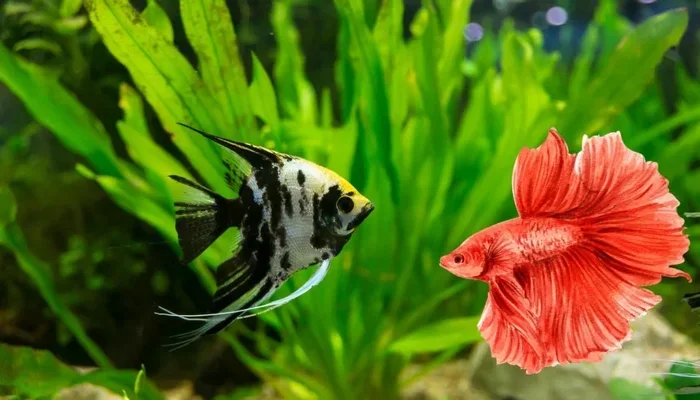
The most obvious sign of a male betta fish is its long fins. The dorsal fin, tail fin, and anal fin all stretch out long and elegant. Some male bettas have fins that are twice the length of their body. Females, on the other hand, have much shorter and simpler fins.
Vivid Colors
Male bettas tend to display brighter and more intense colors. You will see deep blues, rich reds, and vibrant greens. This is because males have been selectively bred to attract females. If your fish looks like a living jewel, there is a good chance it is a male.
Bubble Nest Building
Male bettas are the ones that build bubble nests. These are tiny bubbles stuck together at the surface of the water. A male builds a nest to prepare for breeding. If you see bubbles floating near the top of the tank, your betta is most likely a male.
Flaring Behavior
Males flare their gills and spread their fins to look bigger. They do this when they see another male or feel threatened. This behavior is much more common in males than in females. If your fish puts on a show every time it sees its reflection, it is probably a boy.
How to Identify Female Betta Fish
Female bettas are beautiful in their own right, but they are often overlooked. If your fish does not have long flowing fins, it might be a female. Here is how to tell for sure.
Shorter, Simpler Fins
Female bettas have much shorter fins compared to males. The fins are still nice to look at, but they do not trail behind the fish. The tail fin is more rounded and compact. This is one of the first things you will notice when comparing the two sexes.
The Egg Spot
This is the biggest clue that your betta is a female. The egg spot is a small white or yellowish dot on the underside of the fish, near the belly area. It is the ovipositor, which is the tube where eggs come out. Males do not have this spot. If you see it, your fish is definitely a female.
Rounder Body Shape
When a female betta is ready to breed, her body becomes wider and more rounded. She looks plump, especially from the side. This is because she is carrying eggs inside her. A non-breeding female will still have a slightly rounder shape than a male, but the difference is more noticeable when she is gravid, which means carrying eggs.
Less Aggressive Behavior
Females tend to be calmer than males. They do not flare as often and they do not build bubble nests. However, do not let this fool you. Females can still be feisty, especially when kept in groups. A group of females is called a sorority, and it needs careful setup to keep the peace.
Physical Differences Between Male and Female Betta Fish
Now that you know the basics, let us take a closer look at the physical differences. Understanding these details will help you identify your betta with confidence.
Size and Body Shape
Both male and female bettas grow to about 2 to 3 inches in length. But their body shapes differ. Males have a sleek, streamlined body that tapers toward the tail. Females have a more rounded belly, especially when they are carrying eggs. Think of a male as looking like a torpedo and a female as looking like a small balloon.
Color Intensity
Males almost always have more vibrant colors than females. This is a result of selective breeding over many generations. Breeders chose the brightest and most colorful males to pass on their genes. Females were not selected for color, so they tend to be more muted. However, some female bettas can still be quite colorful, especially when they are in breeding condition.
Fin Length and Shape
This is the most dramatic difference. Male bettas have long, flowing fins that can reach 3 to 4 inches in length. The caudal or tail fin often spreads out like a fan. Female fins are short and close to the body. The dorsal and anal fins are also much shorter. If you compare a male and female side by side, the fin difference is immediately obvious.
Anal Fin Differences
The anal fin, which is located near the belly, also differs between the sexes. In males, this fin is long and pointed. In females, it is shorter and more rounded. This is a subtle difference, but it helps when you are trying to confirm the sex of your fish.
Behavioral Differences Between the Sexes
Watching how your betta behaves can also tell you a lot about its gender. Behavior is one of the most reliable ways to confirm what you see physically.
Bubble Nesting
Only male bettas build bubble nests. These nests are made of saliva-coated bubbles that gather at the water surface. A male builds a nest to prepare for mating. If you see a cluster of bubbles in the corner of the tank, your betta is a male. Females do not do this.
Flaring and Aggression
Males are more territorial and will flare at other males, their own reflection, or even at their owner’s hand. They see other males as a threat. Females can also flare, but it is less frequent and less intense. In a sorority setup, females may show some aggression, but it is usually manageable with enough hiding spots.
Courtship Behavior
When a male and female are ready to breed, the male will wrap his body around the female to stimulate egg release. This is called a mating embrace. The female will then release eggs, and the male will collect them and place them in the bubble nest. This behavior only happens between a male and a female, so it is a clear sign of both sexes being present.
Can Male and Female Betta Fish Live Together?
This is one of the most common questions we get. The short answer is yes, but with caveats. Male and female bettas can live together, but only under specific conditions. You cannot just drop a male and female into the same small tank and hope for the best.
A large tank with plenty of hiding spots is essential. Many experts recommend a tank of at least 20 gallons for a male and female pair. You also need to monitor their behavior closely. If you notice constant chasing or fin nipping, you may need to separate them.
Some keepers prefer to house females together in a sorority. This can work well if you have enough space and the right setup. Males, on the other hand, should almost always be kept alone. Their aggression levels are too high for most community tanks. If you want to know more about keeping males and females together, check out our guide on are male and female betta fish compatible for detailed tips.
Common Mistakes When Identifying Betta Fish Gender
Even experienced fish keepers can make mistakes. Here are some common errors to avoid.
- Assuming all colorful fish are male: Some females can be quite colorful too, especially young ones.
- Relying on fins alone: Young males may not have long fins yet. Wait until your fish is fully grown.
- Ignoring the egg spot: The egg spot is the most reliable sign of a female. Do not skip this check.
- Confusing a sick fish with a female: A bloated or round belly can mean illness, not breeding readiness. Look for other signs too.
- Thinking females cannot be aggressive: Females can be surprisingly feisty, especially in small tanks.
If you are still unsure about your fish’s gender, our article on how to identify betta fish male or female has more detailed visual guides and tips to help you out.
Quick Tips for Keeping Male and Female Bettas Happy
No matter what sex your betta is, proper care is the key to a happy and healthy fish. Here are some quick tips to keep in mind.
- Keep the water warm: Bettas thrive in water between 76 and 82 degrees Fahrenheit. Use a heater to maintain a stable temperature.
- Provide hiding spots: Plants, caves, and decorations give your fish a place to feel safe. This is especially important for females in a sorority.
- Feed a varied diet: High-quality pellets, frozen bloodworms, and brine shrimp keep your betta healthy and colorful.
- Clean the tank regularly: Partial water changes every week help maintain water quality. Dirty water leads to stress and illness.
- Watch for signs of stress: Clamped fins, loss of color, and hiding constantly are signs that something is wrong.
If you are curious about whether male bettas do well on their own, we have a great article on are male betta fish happy alone that dives deeper into this topic.
Expert Insights on Betta Fish Gender
According to experienced betta breeders and aquarists, the easiest way to tell a male from a female is to look at the fins and the egg spot. The fins of a mature male are unmistakable. And the egg spot on a female is almost always visible when you look closely enough.
Breeders also note that personality can be a clue. Males tend to be more outgoing and will often swim to the front of the tank to show off. Females are a bit more reserved. However, every fish has its own personality, so do not rely on behavior alone.
If you are interested in learning more about how aggression levels differ between the sexes, our article on are male betta fish more aggressive than females covers this topic in depth.
Final Thoughts
So, are betta fish male or female? Now you know exactly how to tell. Whether your fish has long flowing fins and bright colors or a short fin and a white egg spot, you can confidently identify its gender. Understanding the differences between male and female bettas helps you provide better care and create a happier tank environment.
Remember that every betta is unique. Some males are calmer than average, and some females are more colorful than expected. Use the signs in this guide as a starting point, and always observe your fish closely. With a little patience and practice, you will become an expert at telling male from female in no time.
If you are planning to add more fish to your tank or thinking about breeding, knowing the sex of each betta is the first and most important step. Happy fish keeping!
Frequently Asked Questions
How can I tell if my betta fish is male or female?
Look at the fins, colors, and body shape. Males have longer fins, brighter colors, and a sleek body. Females have shorter fins, a rounder belly, and a white egg spot on their underside. These are the most reliable signs.
Can a male and female betta fish live in the same tank?
Yes, but only in a large tank with plenty of hiding spots and under close supervision. A tank of at least 20 gallons is recommended. Always monitor their behavior and be ready to separate them if needed.
Do female betta fish have an egg spot?
Yes, female bettas have a small white or yellowish dot on their underside called an egg spot or ovipositor. Males do not have this feature. It is one of the most reliable ways to identify a female betta.
Why do male betta fish build bubble nests?
Male bettas build bubble nests as part of their breeding behavior. The nest holds the eggs after the female releases them. It is a sign of a healthy, ready-to-breed male. Even males in tanks without females may build nests out of instinct.
Are male or female betta fish more aggressive?
Males are generally more aggressive and territorial. They flare at other males and defend their space. Females can also show aggression, especially in group settings, but they are typically calmer than males.
What should I feed my male or female betta fish?
Both sexes thrive on a varied diet of high-quality pellets, frozen bloodworms, and brine shrimp. Feed small amounts twice a day and avoid overfeeding. A healthy diet keeps both males and females colorful and active.