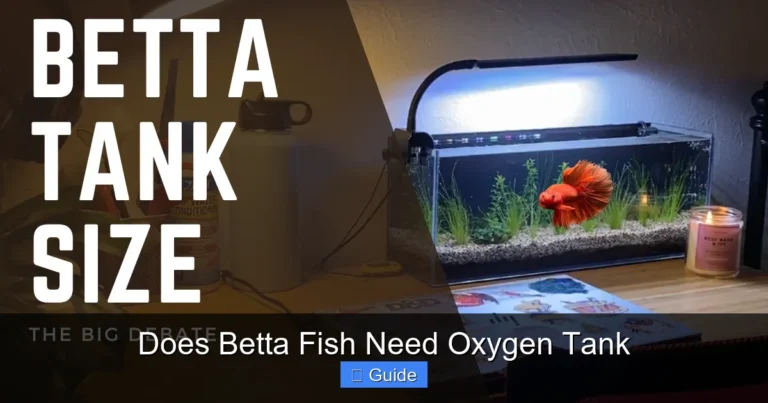
Are Betta Fish Easy to Take Care of for Beginners

Are betta fish easy to take care of for beginners? The answer is yes — with the right setup and a little knowledge, betta fish care for beginners is simpler than most people think. These vibrant, hardy fish thrive in properly maintained tanks with warm water, gentle filtration, and a consistent feeding routine. This guide covers everything you need to know about betta fish care, from choosing the right tank size to avoiding common beginner mistakes. You will learn practical tips that make caring for your betta straightforward and enjoyable.
So, you are thinking about getting a betta fish. That is exciting! Betta fish are some of the most beautiful and interesting pets you can keep at home. Their flowing fins and bright colors make them a favorite among fish lovers. But the question on every new owner’s mind is the same: are betta fish easy to take care of?
The short answer is yes. Betta fish care for beginners is very doable. These fish are naturally hardy and can adapt to a range of conditions. That said, they are not “no effort” pets. Like any animal, they need proper attention. The good news is that once you understand the basics, the daily routine is simple and even enjoyable.
In this guide, we will walk you through everything you need to know. From setting up the perfect tank to feeding schedules and common mistakes, we have you covered. Whether you are a total beginner or just looking to improve your betta fish care routine, this article will give you clear, practical advice you can use right away.
Key Takeaways
- Betta fish care for beginners is manageable: With basic knowledge, anyone can keep a betta healthy and happy.
- Tank size matters: A minimum of 5 gallons is recommended for your betta fish tank setup.
- Water conditions are critical: Keep the temperature between 76-82°F and cycle your tank before adding your fish.
- Feeding is simple: A small amount of high-quality betta fish food twice a day is all your fish needs.
- Avoid common mistakes: Overfeeding, small bowls, and harsh filters are the top pitfalls new owners face.
- Regular maintenance keeps your fish healthy: Weekly water changes and tank cleaning go a long way in betta fish care.
📑 Table of Contents
Why Betta Fish Are Great for Beginners
Betta fish, also known as Siamese fighting fish, have a reputation that sometimes makes them seem difficult. But the truth is, they are one of the best starter fish for new hobbyists. Here is why.
They Are Hardy and Resilient
Betta fish have evolved to survive in challenging environments. In the wild, they live in shallow rice paddies and slow-moving streams in Southeast Asia. This means they can handle fluctuations in water conditions better than many other tropical fish. A slight change in temperature or water quality is not always a death sentence for a betta. This resilience makes them forgiving for beginners who are still learning the ropes of betta fish care.
They Do Not Need a Huge Tank
Unlike many other fish species, bettas do well in smaller setups. You do not need a 50-gallon aquarium to keep a betta happy. A tank of 5 gallons or more is a great starting point. This makes betta fish care for beginners much more affordable and less intimidating. You can set up a proper 5-gallon tank without breaking the bank or taking up too much space in your home.
They Are Visually Stunning
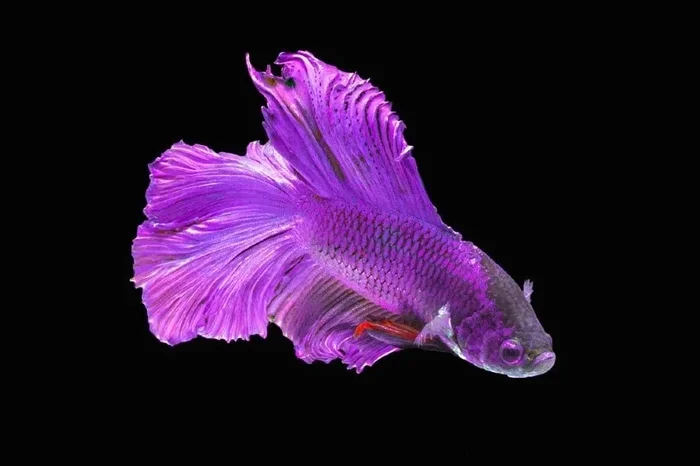
Let us be honest — one of the biggest reasons people choose bettas is their beauty. The long, flowing fins and vibrant colors of red, blue, green, and purple are truly mesmerizing. Watching your betta glide through the water is a calming and rewarding experience. This visual appeal keeps beginners motivated to maintain their betta fish care routine.
Setting Up the Perfect Betta Fish Tank
The foundation of good betta fish care starts with the right tank setup. Getting this part right makes everything else easier. Here is a step-by-step breakdown of what you need.
Choose the Right Tank Size
A lot of pet stores sell bettas in tiny cups or small bowls. This is misleading. While bettas can survive in small amounts of water, they thrive in larger spaces. A 5-gallon tank is the sweet spot for a single betta. It gives your fish enough room to swim and explore while keeping water parameters stable. Smaller tanks are harder to maintain because toxins build up quickly. If you want the best betta fish care results, go with at least 5 gallons.
Add a Gentle Filter
Betta fish do not like strong currents. In the wild, they live in still or slow-moving water. A filter is still essential because it keeps the water clean and removes harmful chemicals. However, you need to choose a filter with a gentle flow. Sponge filters work great for bettas. They provide biological filtration without creating a strong current that exhausts your fish. If you are unsure about which filter to pick, check out our guide on are some water filters too strong for betta fish to learn more about choosing the right one.
Heat the Water Properly
Betta fish are tropical fish. They need warm water to stay healthy. The ideal temperature range is between 76 and 82 degrees Fahrenheit. A small aquarium heater with a thermostat is the best way to maintain a steady temperature. Cold water can make your betta sluggish and more susceptible to illness. Investing in a reliable heater is one of the most important steps in betta fish care for beginners.
Add Soft Substrate and Decorations
Use a soft substrate like sand or fine gravel. Sharp or rough substrates can damage your betta’s delicate fins. Add some plants, either live or silk, to give your fish places to hide and explore. Avoid sharp plastic decorations. A few smooth rocks or a simple cave can also make your betta feel secure. The goal is to create a natural, stress-free environment.
Daily and Weekly Betta Fish Care Routine
Once your tank is set up, the daily routine is simple. Consistency is the key to healthy betta fish care. Here is what a normal week looks like.
Feeding Your Betta Fish
Feeding is one of the most important parts of daily betta fish care. Bettas are carnivores and need a protein-rich diet. High-quality betta pellets or flakes should be the staple of their diet. You can also offer frozen or live foods like bloodworms or brine shrimp as treats.
Feed your betta small amounts twice a day. A pinch of food is enough. Watch your fish eat for about two minutes, and then stop. Overfeeding is one of the most common mistakes new owners make. Uneaten food rots in the water and creates toxins that harm your fish. If you are unsure about feeding schedules, remember that bettas have small stomachs — about the size of their eye.
Water Changes and Tank Cleaning
Weekly water changes are essential for maintaining clean, healthy water. Aim to replace about 25 to 30 percent of the tank water every week. Use a gravel vacuum to remove debris from the substrate during water changes. Always treat new water with a water conditioner before adding it to the tank. Chlorine and chloramine found in tap water are harmful to bettas.
Beyond weekly water changes, do a partial tank clean every two weeks. Check the filter media and rinse it in old tank water (never tap water) to preserve beneficial bacteria. Keeping up with this routine is the backbone of proper betta fish care and will keep your fish thriving for years.
Monitoring Water Parameters
Testing your water regularly helps you catch problems early. Use a simple liquid test kit to check ammonia, nitrite, nitrate, and pH levels. Ammonia and nitrite should always read zero. Nitrates should stay below 20 ppm. The ideal pH for bettas is between 6.5 and 7.5. If you are new to water testing, it might feel overwhelming at first, but it becomes second nature quickly. For more detailed guidance on water setup, you can read our article on how to take care of betta fish water.
| Task | Frequency | Why It Matters |
|---|---|---|
| Feed your betta | Twice daily | Prevents hunger and overfeeding |
| Water change (25-30%) | Weekly | Removes toxins and refreshes water |
| Check water parameters | Weekly | Catches problems early |
| Clean filter media | Every 2 weeks | Maintains beneficial bacteria |
| Full tank inspection | Monthly | Ensures equipment is working |
Common Mistakes in Betta Fish Care for Beginners
Even with the best intentions, beginners often make mistakes that can harm their betta. Knowing what to avoid is just as important as knowing what to do. Here are the most common pitfalls.
Keeping Your Betta in a Tiny Bowl
This is probably the biggest myth in the fishkeeping world. Many people believe bettas are “bowl fish” and can live happily in a small cup. This is simply not true. A tiny bowl limits your betta’s movement, causes stress, and makes water quality very hard to maintain. A 5-gallon tank minimum is the standard for proper betta fish care.
Overfeeding Your Betta
Bettas are not bottom feeders and they do not need large meals. Overfeeding leads to obesity, poor water quality, and digestive problems. Stick to small portions and remove any uneaten food within a few minutes. Your betta will be healthier and live longer as a result.
Ignoring Water Temperature
Cold water is a silent killer for bettas. Without a heater, room temperature water is often too cool, especially during winter months. A betta in cold water becomes stressed, loses its appetite, and becomes vulnerable to diseases like ich and fin rot. Always use a heater and monitor the temperature regularly.
Using the Wrong Tank Mates
Bettas are known for their aggressive temperament, especially toward other bettas. Not all fish make good companions. Avoid flashy, long-finned fish that might trigger aggression. Some peaceful options include snails, shrimp, and certain small schooling fish. For more information, check out our article on are you supposed to put betta fish with other fish.
Signs of a Healthy Betta Fish
Knowing what a healthy betta looks like helps you catch problems early. Here are the signs your fish is doing well:
- Bright, vibrant colors: A healthy betta should have vivid, rich colors. Fading color can signal stress or illness.
- Active swimming: Your betta should move around the tank with energy and curiosity, not staying at the bottom or gasping at the surface.
- Good appetite: A healthy betta will eagerly eat at feeding time and show interest in food.
- Intact fins: Fins should be held open and smooth. Ripped or clamped fins can indicate poor water quality or disease.
- Builds bubble nests: Male bettas often build bubble nests at the surface. This is a sign of a happy, comfortable fish.
If you notice any of these warning signs — lethargy, loss of appetite, faded colors, or labored breathing — take action quickly. Early intervention can make a big difference. Our article on how to care for sick betta fish provides detailed steps for addressing common health issues.
How Long Do Betta Fish Live with Proper Care?
One of the most rewarding aspects of betta fish care is the lifespan you can provide. With proper care, bettas typically live between 3 and 5 years. Some well-cared-for bettas have even reached 7 years or more. The key factors that influence lifespan include water quality, diet, tank size, and stress levels.
A larger, well-maintained tank with stable water conditions gives your betta the best chance at a long, healthy life. Feeding a balanced diet and avoiding stressors like aggressive tank mates or sudden temperature changes also play a huge role. When you invest time in proper betta fish care, you are not just keeping a fish alive — you are giving it a quality life.
If you are just starting out, remember that learning betta fish care for beginners is a journey. You do not need to know everything on day one. Start with the basics, observe your fish daily, and adjust as you go. The more time you spend with your betta, the more you will understand its needs and personality.
For a comprehensive guide on all aspects of betta care, you might also want to explore our article on how to properly take care of betta fish for even more in-depth information.
Conclusion
So, are betta fish easy to take care of for beginners? Absolutely. With the right tank setup, a simple feeding routine, and regular water maintenance, betta fish care for beginners is both manageable and rewarding. These beautiful fish are forgiving, hardy, and full of personality. They do not demand hours of daily attention, but they do thrive with consistent, basic care.
Start with a 5-gallon tank, add a gentle filter and heater, feed small amounts twice a day, and keep up with weekly water changes. Avoid the common beginner mistakes we covered, and your betta will reward you with years of vibrant, active companionship. Betta fish care is a wonderful hobby that brings joy, relaxation, and a deeper appreciation for aquatic life. Start your journey today and enjoy the process of becoming a confident betta owner.
Frequently Asked Questions
Are betta fish easy to take care of for complete beginners?
Yes, betta fish care for beginners is one of the easiest entry points into fishkeeping. They are hardy, adaptable, and do not need a large or complex setup. A 5-gallon tank with a gentle filter and heater is all you need to get started.
How often should I feed my betta fish?
Feed your betta small amounts twice a day. A pinch of high-quality betta pellets is usually enough. Avoid overfeeding because uneaten food can foul the water and cause health problems. A good rule is to feed only what your fish can eat in about two minutes.
Can betta fish live in a bowl without a filter?
While bettas can survive in a bowl without a filter, they will not thrive. A filter helps maintain clean water by removing harmful toxins and supporting beneficial bacteria. For the best betta fish care, always use a filter in a tank of at least 5 gallons.
What is the best water temperature for betta fish?
The ideal water temperature for bettas is between 76 and 82 degrees Fahrenheit. Use an aquarium heater to maintain a stable temperature. Cold water can stress your betta and weaken its immune system, making it prone to illness.
Do betta fish need a heater?
Yes, bettas are tropical fish and need a heater to stay healthy. Room temperature water is usually too cool for them. A reliable aquarium heater with a thermostat will keep the water in the safe and comfortable range your betta needs.
How can I tell if my betta fish is stressed?
Signs of a stressed betta include faded colors, clamped fins, lethargy, loss of appetite, and rapid breathing. Stress is often caused by poor water quality, incorrect temperatures, or aggressive tank mates. Regular water testing and a stable environment are the best ways to prevent stress.