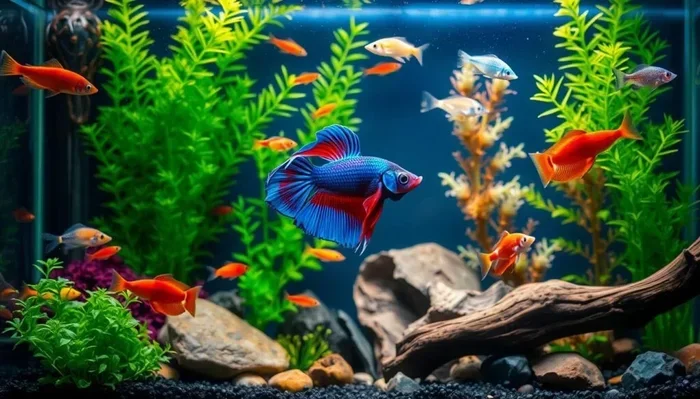
What’s Wrong with My Betta Fish

Figuring out what’s wrong with your betta fish can be stressful, but this guide walks you through the most common problems, warning signs, and simple fixes. You will learn how to spot illness early, understand why your betta is acting differently, and take action before small issues become big ones. Whether your betta is not eating, acting lethargic, or showing physical symptoms, this guide has you covered.
Your betta fish is one of the most beautiful and personalities you will ever keep. But when your betta starts acting strange, it is easy to panic. Maybe your betta is hiding more than usual, or maybe you noticed clamped fins, loss of color, or a swollen belly. Whatever the sign, you are probably wondering what is wrong with your betta fish.
The good news is that most common betta problems are treatable when you catch them early. This guide breaks down the top health issues, warning signs, and fixes so you can help your fish feel better fast. We will cover everything from water quality problems to betta fish diseases and what you can do at home.
Keep in mind that bettas are hardy fish, but they are not invincible. Small changes in their environment can cause big stress, and stress leads to illness. Understanding what your betta needs is the first step to keeping them healthy and vibrant for years.
Key Takeaways
- Early detection matters: Catching symptoms early gives your betta the best chance of a full recovery.
- Water quality is everything: Poor water conditions cause most betta health problems.
- Watch for behavior changes: Lethargy, hiding, and loss of appetite are red flags you should never ignore.
- Know the common diseases: Fin rot, ich, and swim bladder disease are the top three issues betta owners face.
- Prevention beats treatment: Regular tank maintenance and proper feeding keep most problems away.
- Quarantine new tank mates: Introducing fish without isolation can spread disease to your betta.
📑 Table of Contents
Common Signs Something Is Wrong with Your Betta Fish
Bettas cannot tell you when they feel sick, so you need to watch for physical and behavioral clues. Many new fish owners miss the early warning signs because they do not know what to look for. Learning these signals will help you act fast.
Behavioral Changes to Watch For
Your betta’s behavior is the biggest clue that something is off. A healthy betta is curious, active, and interested in its surroundings. If you notice any of these changes, it is time to investigate.
- Lethargy or sluggishness: Your betta spends most of the day sitting at the bottom of the tank or hiding in corners.
- Loss of appetite: Your betta ignores food or only eats a tiny amount when it normally eats eagerly.
- Hiding constantly: Bettas are curious fish. If yours is hiding behind decorations or under the substrate, something is wrong.
- Flashing or rubbing: If your betta keeps rubbing against rocks or decorations, it may be trying to relieve itchiness from parasites.
- Gasping at the surface: This often means your betta is not getting enough oxygen, which usually points to a water quality issue.
These behavior changes can also be linked to stress. Before assuming the worst, check if anything in the tank has changed recently, like a new filter, a temperature drop, or a new tank mate. If you are unsure about tank mates, check out what fish can live with your betta to make sure your setup is safe.
Physical Symptoms That Signal Trouble
Physical symptoms are often easier to spot than behavior changes. Here are the most common ones to watch for:
- Clamped fins: When a betta holds its fins close to its body instead of spreading them out, it is usually a sign of stress or illness.
- Faded or dull color: A vibrant betta that suddenly looks pale or washed out may be sick or stressed.
- White spots on the body: These are classic signs of ich, a very common parasitic infection.
- Ragged or disintegrating fins: This points to fin rot, which can be bacterial or fungal.
- Swollen or bloated belly: A bloated belly can indicate constipation, swim bladder disease, or dropsy.
- Red streaks on fins or body: These are signs of severe bacterial infection and need immediate attention.
Physical symptoms can range from mild to severe. The key is to act quickly. The longer you wait, the harder it becomes to treat the problem.
What Causes Betta Fish Health Problems?
Most health issues in betta fish come down to a few root causes. Understanding these will help you prevent problems before they start and treat them more effectively when they do arise.
Poor Water Quality
This is the number one cause of betta illness by a wide margin. Bettas are sensitive to ammonia, nitrite, and nitrate levels in the water. Even small spikes can weaken their immune system and make them vulnerable to disease.
- Ammonia and nitrite: Both are toxic to bettas, even at low levels. They burn the gills and skin, making your fish more susceptible to infection.
- Nitrate buildup: While less toxic than ammonia, high nitrates still cause stress over time.
- pH swings: Bettas prefer stable water parameters. Sudden changes in pH can shock your fish.
Regular water changes and proper tank maintenance are the best ways to keep water quality high. If you are not sure how to test your water, grab a liquid test kit from your local fish store. It is one of the best investments you can make as a betta owner.
Incorrect Water Temperature
Bettas are tropical fish and need warm water to thrive. The ideal betta fish water temperature is between 78 and 80 degrees Fahrenheit. If the water is too cold, your betta’s immune system slows down, making it an easy target for disease.
On the other hand, water that is too warm holds less oxygen, which can cause breathing problems. A reliable aquarium heater with a thermostat is essential for any betta tank. Room temperature water is almost never warm enough for a betta, especially in the winter months.
Stress from Tank Setup or Tank Mates
Stress weakens your betta’s immune system more than almost anything else. A poorly designed tank or aggressive tank mates can cause chronic stress that leads to illness over time.
Common stress triggers include:
- A tank that is too small (less than 5 gallons is not ideal for a betta).
- Strong filter currents that make it hard for your betta to swim comfortably.
- Bright lights that never turn off. Bettas need a day and night cycle.
- Tank mates that nip at fins or bully your betta.
If you are thinking about adding other fish to your betta’s tank, make sure you choose compatible species. You can learn more about safe tank mates in our guide on what fish can I put with my betta.
Improper Feeding Habits
Overfeeding is one of the most common mistakes new betta owners make. Bettas have small stomachs, and feeding them too much can cause constipation, bloating, and poor water quality from uneaten food.
Underfeeding is a problem too. If your betta does not get enough nutrients, it will lose weight, become weak, and be more prone to illness. A balanced diet of high-quality betta pellets and occasional treats like frozen bloodworms or brine shrimp keeps your fish in great shape.
Top Betta Fish Diseases and How to Treat Them
Even with the best care, bettas can still get sick. Here are the most common diseases, their symptoms, and how to treat them.
Fin Rot
Fin rot is a bacterial or fungal infection that eats away at your betta’s fins. It usually starts at the edges and works inward. You will notice the fins looking ragged, discolored, or slowly disappearing.
Fin rot is almost always caused by poor water quality or stress. The treatment depends on severity:
- Mild fin rot: Do a 50 percent water change and add aquarium salt to the tank. Improve water parameters and monitor daily.
- Moderate fin rot: Use a bacterial treatment like Melafix or Pimafix. Continue regular water changes.
- Severe fin rot: You may need to move your betta to a quarantine tank and treat with stronger medication. Consult a vet or experienced fish keeper if the rot reaches the body.
In many cases, fin rot can be reversed if you catch it early and improve tank conditions. The fins will regrow over time once the infection clears up.
Ich (White Spot Disease)
Ich is caused by a tiny parasite that appears as white salt-like spots on your betta’s body and fins. It is highly contagious and spreads quickly through a tank. Ich is often triggered by sudden temperature drops or stress.
Treatment options include:
- Raising the water temperature slowly to about 82 degrees Fahrenheit to speed up the parasite’s life cycle.
- Using an ich medication containing malachite green or formalin.
- Doing frequent small water changes to reduce the parasite count in the water.
It is important to treat the entire tank, not just the affected fish, because ich is highly contagious. If you need to add new fish later, always quarantine them first to avoid introducing parasites.
Swim Bladder Disease
Swim bladder disease affects your betta’s ability to control its buoyancy. You might notice your betta floating upside down, sinking to the bottom, or swimming lopsided. This condition is often caused by overfeeding, constipation, or a sudden change in water temperature.
Here is what you can do:
- Fast your betta for two to three days to clear out any blockages.
- Feed a single pea (shelled) after the fast to help with digestion.
- Keep the water warm and stable during recovery.
- Avoid feeding flakes that expand in the stomach and cause bloating.
Most cases of swim bladder disease resolve on their own with these simple steps. If the problem persists, it could indicate a more serious underlying issue that needs veterinary attention.
Dropsy
Dropsy is one of the most serious conditions a betta can face. Symptoms include a swollen, pinecone-like belly, scales that stick out, and severe lethargy. Dropsy is actually a symptom of kidney failure, not a disease itself, and it is often caused by prolonged poor water quality or bacterial infection.
Unfortunately, dropsy has a very low survival rate, especially if it is caught late. Early intervention with antibiotics and perfect water conditions can sometimes help, but prevention is by far the best approach. Keep your tank clean, maintain stable parameters, and feed a proper diet to reduce the risk of dropsy.
How to Prevent Betta Fish Health Problems
Prevention is always better than cure. A well-maintained tank and a good routine will keep most health problems from ever appearing. Here is what you should do to keep your betta healthy.
Maintain a Clean Tank
Regular water changes are the backbone of betta care. Aim for a 25 to 30 percent water change every week. This removes excess nitrates, uneaten food, and waste before they build up to harmful levels.
Use a gravel vacuum during water changes to clean the substrate. Wipe down the glass to remove algae buildup. And never forget to treat tap water with a dechlorinator before adding it to the tank.
If you are not using a filter, you should consider adding one. A gentle filter helps maintain water quality between water changes. Check out our guide on can I use a filter with my betta fish for tips on choosing the right one.
Feed Properly and Consistently
Feed your betta two small meals per day, about four to six pellets each time. Variety is good, so rotate between pellets, frozen foods, and live foods when possible. Never feed more than your betta can eat in two minutes, and remove any uneaten food promptly.
Skipping one feeding per week can also help prevent constipation and keep the digestive system healthy.
Monitor Water Parameters Regularly
Invest in a liquid test kit and test your water at least once a week. You want to keep ammonia and nitrite at zero, nitrates below 20 ppm, and pH between 6.5 and 7.5. Writing down your test results in a log helps you spot trends before they become problems.
Provide a Stress-Free Environment
A happy betta is a healthy betta. Make sure your tank has plenty of hiding spots, gentle water flow, and a consistent light cycle. Bettas also appreciate plants, whether real or silk, to rest on and explore.
Keep the tank in a quiet area of your home away from loud noises and direct sunlight. Sudden temperature changes from sunlight or drafts can stress your fish and trigger illness.
When to See a Veterinarian
Most minor betta health issues can be treated at home with water changes and over-the-counter medications. However, there are times when professional help is necessary. You should consult a vet if:
- Your betta’s condition worsens despite home treatment after three to five days.
- You notice internal symptoms like a swollen body, bulging eyes, or open sores.
- Multiple fish in the tank show symptoms at the same time.
- You are unsure what is causing the symptoms and need a proper diagnosis.
Fish vets are becoming more accessible, and many offer online consultations with photos and videos of your fish. Do not hesitate to reach out if you feel stuck. Early professional advice can save your betta’s life.
Final Thoughts
Watching your betta fish show signs of illness is never easy, but knowledge is your best tool. By learning to recognize the warning signs of a sick betta, understanding the root causes, and taking quick action, you give your fish the best possible chance of recovery. Most problems are preventable with good water quality, proper feeding, and a stress-free environment.
Remember that every betta is different, and what works for one fish may not work for another. Pay attention to your betta’s unique behavior and adjust your care routine as needed. The time and effort you invest in your betta’s health will pay off with a vibrant, active, and long-lived companion.
If you ever find yourself asking what is wrong with your betta fish, come back to this guide. You now have the knowledge to identify problems, apply treatments, and prevent future issues. Your betta is lucky to have such a caring owner.
Frequently Asked Questions
How can I tell if my betta fish is sick?
Look for changes in behavior like lethargy, loss of appetite, hiding, or gasping at the surface. Physical signs include clamped fins, faded color, white spots, ragged fins, or a swollen belly. The sooner you notice these signs, the easier it is to treat the problem.
What is the most common cause of betta fish illness?
Poor water quality is the number one cause of betta health problems. Ammonia and nitrite spikes, temperature fluctuations, and high nitrate levels all stress your fish and weaken its immune system, making it vulnerable to disease.
Can I treat my betta fish at home?
Yes, most common betta illnesses like mild fin rot, ich, and swim bladder disease can be treated at home with water changes, aquarium salt, and over-the-counter medications. However, severe or persistent cases should be evaluated by a fish veterinarian.
How often should I change my betta fish tank water?
A 25 to 30 percent water change every week is ideal for a betta tank. This keeps ammonia, nitrite, and nitrate levels in check and removes waste and uneaten food before they build up to harmful levels.
What should I feed my betta fish to keep it healthy?
Feed your betta high-quality betta pellets as the staple diet, supplemented with frozen or live foods like bloodworms and brine shrimp. Feed two small meals per day and skip one feeding per week to prevent constipation and keep the digestive system healthy.
Can stress make my betta fish sick?
Absolutely. Stress is one of the biggest contributors to betta illness. Poor tank conditions, aggressive tank mates, incorrect temperature, and loud environments all cause chronic stress that weakens your betta’s immune system and opens the door to disease.
=== SEO TITLE ===
What’s Wrong with My Betta Fish: A Complete Guide
=== META TITLE ===
What’s Wrong with My Betta Fish? Causes & Treatments
=== URL SLUG ===
whats-wrong-with-my-betta-fish
=== LSI KEYWORDS USED ===
betta fish health problems, betta fish symptoms, betta fish care guide, betta fish disease signs, aquarium temperature, betta fish not eating, betta fish behavior changes, fin rot treatment, betta fish water quality, betta fish lethargy, betta fish tank setup, betta fish illness prevention, betta fish stress signs, betta fish feeding habits, betta fish tank maintenance, betta fish common problems, betta fish health tips, betta fish recovery, betta fish tank cycling, betta fish water parameters