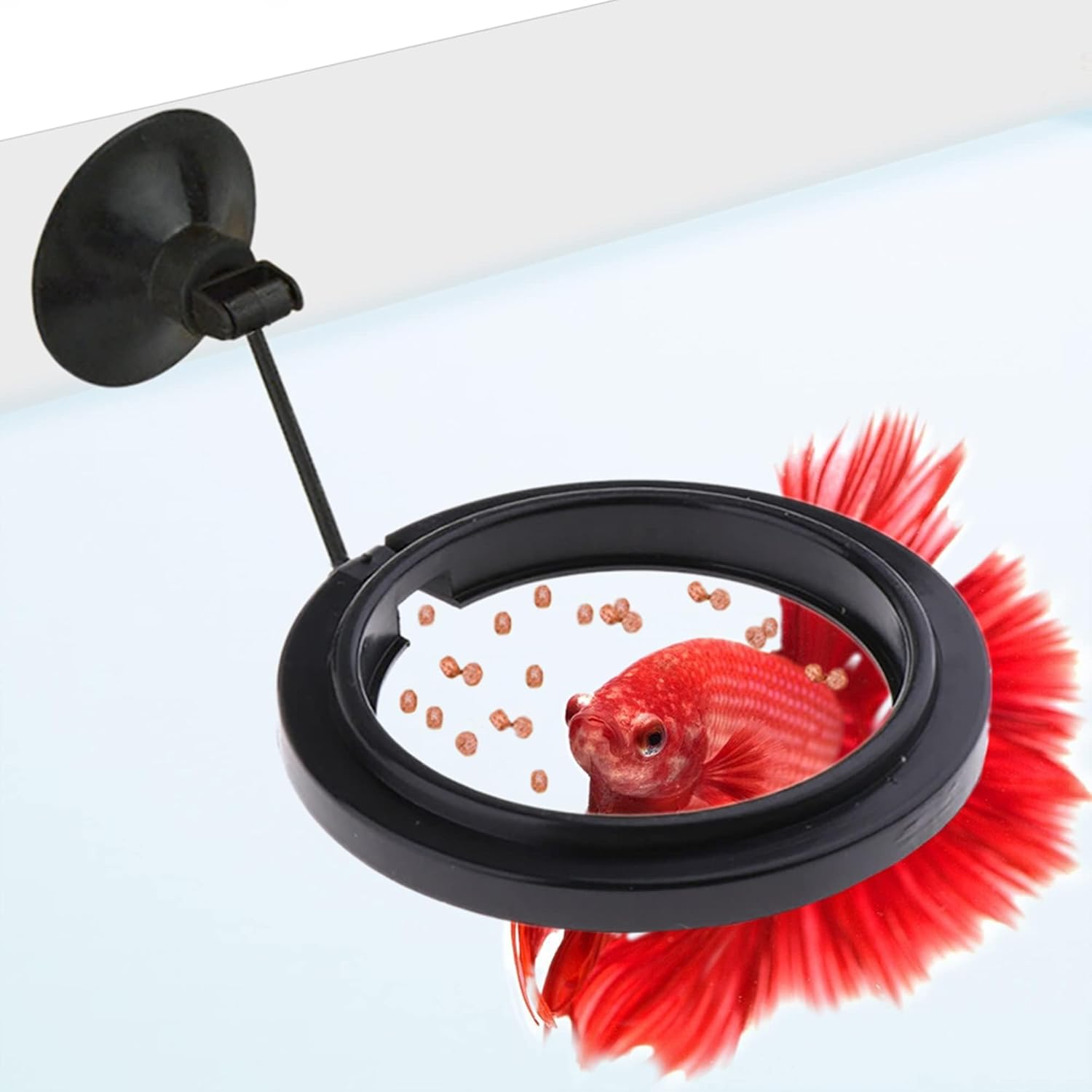
How to Put a Betta Fish in a Tank
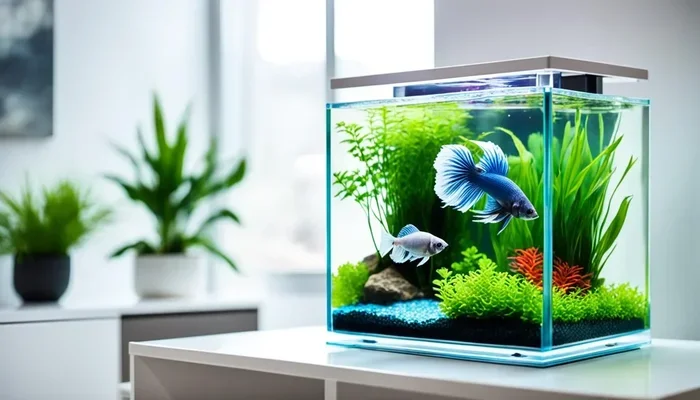
Learning how to put a betta fish in a tank the right way is essential for your fish’s health and happiness. This guide walks you through every step, from preparing the tank to safely introducing your betta. You’ll learn simple acclimation techniques, water parameter tips, and common mistakes to avoid.
So you just brought home a beautiful betta fish, and now you need to put it in its new tank. Exciting, right? But here is the thing — how you put a betta fish in a tank matters more than most people realize. A rushed introduction can cause stress, disease, or even death. This guide makes it simple.
We will walk you through every single step. From preparing the tank to the actual release, you will know exactly what to do. Whether you are a complete beginner or just need a refresher, this guide covers it all. Let us get started.
Key Takeaways
- Proper tank preparation is the first and most important step before adding your betta fish.
- Acclimating your betta slowly prevents shock and stress during the transition.
- Water temperature and parameters must match your betta’s needs before introduction.
- Avoid common mistakes like skipping the drip acclimation method or adding untreated water.
- Monitor your betta closely after placement to catch any signs of stress early.
- Setting up the tank in advance ensures a smooth and safe transition for your fish.
📑 Table of Contents
- Why Proper Introduction Matters for Your Betta Fish
- Step 1: Prepare the Tank Before Adding Your Betta
- Step 2: Prepare the Water Correctly
- Step 3: Acclimate Your Betta Fish Properly
- Step 4: Release Your Betta Into the Tank
- Common Mistakes to Avoid When Adding a Betta to a Tank
- Tips for a Smooth Transition After Introduction
- Conclusion
Why Proper Introduction Matters for Your Betta Fish
Betta fish are sensitive creatures. They react strongly to changes in their environment. When you put a betta fish in a tank too quickly, the sudden shift in water conditions can cause what experts call “shock.” This is not just a scare — it can be fatal.
Here is why taking your time matters so much:
- Betta fish need stable water conditions to thrive. Any sudden change in temperature, pH, or chemical levels can harm them.
- A slow introduction helps the fish adjust to new bacteria, filtration, and water chemistry.
- Stress weakens the immune system, making your betta vulnerable to diseases like fin rot and ich.
- A proper setup before introduction reduces the risk of ammonia spikes in a new environment.
The goal is simple. Make the transition as seamless as possible. Think of it like moving to a new house. You would not just toss your belongings into an empty room and expect everything to feel normal. Your betta feels the same way.
What Happens If You Skip the Acclimation Process?
Skipping acclimation is one of the fastest ways to harm your fish. The sudden change in water temperature and chemistry can cause betta fish shock. Signs include clamped fins, rapid breathing, lethargy, and loss of color. In severe cases, it can lead to death within hours.
Always take the extra 20 to 30 minutes. Your betta will thank you with vibrant colors and active behavior.
Step 1: Prepare the Tank Before Adding Your Betta
Before you even think about how to put a betta fish in a tank, the tank itself must be ready. This is not a step you want to rush. A properly prepared tank gives your betta the best possible start.
Choose the Right Tank Size
Many people keep bettas in tiny bowls, but that is not ideal. A 5-gallon tank is the minimum recommended size for a single betta. This gives your fish enough room to swim and explore. Larger tanks are even better if you can manage them.
Here are some quick guidelines:
- 5 gallons — minimum for one betta fish
- 10 gallons — ideal for one betta with some decoration
- 20 gallons or more — great if you plan to add compatible tank mates later
If you are unsure about tank sizes, check out our guide on how big a betta fish tank needs to be for more details.
Install and Cycle the Filter
A filter keeps the water clean and safe. But here is the catch — you need to cycle the filter before adding your betta. Cycling means building up beneficial bacteria that break down harmful toxins like ammonia and nitrite.
You can learn more about this process in our article on how to do a fish-in cycle with betta. This is especially helpful if you are adding your betta to a new tank that has not fully cycled yet.
Set Up the Heater and Thermometer
Betta fish are tropical. They need warm water to stay healthy. Set your aquarium heater to 76 to 80 degrees Fahrenheit (24 to 27 degrees Celsius). Use a reliable thermometer to monitor the temperature. A stable temperature is critical during the introduction phase.
Step 2: Prepare the Water Correctly
Water quality is everything for betta fish. Tap water contains chlorine and chloramine, both of which are toxic to fish. You must treat the water before it goes into the tank.
Use a Water Conditioner
Always add a water conditioner (also called dechlorinator) to tap water. This removes harmful chemicals instantly. Popular brands like Seachem Prime and API Stress Coat work great. Follow the dosage instructions on the bottle.
Can you use bottled water or purified water instead? Some people wonder about this. Check out our article on whether you can put bottled water in a betta fish tank for a detailed answer.
Test the Water Parameters
Before adding your betta, test the water. Here are the ideal parameters:
- pH level: 6.5 to 7.5
- Ammonia: 0 ppm
- Nitrite: 0 ppm
- Nitrate: Below 20 ppm
- Temperature: 76 to 80 degrees Fahrenheit
Use a liquid test kit for the most accurate results. Test strips work in a pinch but are less reliable. If any parameter is off, adjust it before moving to the next step.
Step 3: Acclimate Your Betta Fish Properly
This is the most important step in the entire process. Acclimation is how you slowly introduce your betta to the new tank’s water conditions. There are two popular methods. We will cover both.
The Floating Bag Method
This is the simplest and most common approach. Here is how it works:
- Float the sealed bag in the tank for 15 to 20 minutes. This lets the water temperature inside the bag match the tank temperature.
- Open the bag and add a small cup of tank water into the bag.
- Wait another 10 minutes. Then add another cup of tank water.
- Repeat this process two or three more times. This gradually adjusts the pH and hardness levels.
- Use a net to gently transfer the betta into the tank. Never pour the bag water into the tank.
Why not pour the bag water in? The bag water may contain bacteria, parasites, or contaminants from the store. You do not want to introduce those into your clean tank.
The Drip Acclimation Method
The drip method is slower but more thorough. It is the preferred method for sensitive fish. Here is how to do it:
- Place your betta in a clean container with the water from the bag.
- Set up a siphon or airline tubing with a gentle drip going from the tank into the container.
- Let the drip run for 1 to 2 hours. The water volume in the container should roughly double.
- Use a net to transfer the betta into the tank.
The drip method gives your betta the smoothest possible transition. It is especially helpful if your tank water parameters differ significantly from the store water.
Step 4: Release Your Betta Into the Tank
Now comes the moment of truth. You are ready to put your betta fish in the tank for good. But do not rush this part either.
How to Release Your Betta Safely
Follow these steps for a smooth release:
- Turn off the tank lights before releasing your betta. Dim lighting reduces stress during the initial introduction.
- Gently net the betta from the acclimation container.
- Release the fish near the water surface. Bettas are labyrinth breathers and often swim to the top first.
- Do not feed your betta for the first 24 hours. This gives the fish time to settle without the added stress of digestion.
After the release, observe your betta closely. A healthy betta will explore the tank, swim actively, and show normal breathing. If you notice any unusual behavior, check the water parameters immediately.
What to Expect in the First 24 Hours
Your betta might hide, stay still, or hover in one spot. This is completely normal. Give the fish time to adjust. Here is what normal behavior looks like after the first day:
- Exploring the tank and swimming around
- Building a bubble nest (a great sign of a happy betta)
- Eating normally when you offer food
- Showing vibrant colors and open fins
If your betta stays hidden for more than two days or refuses food after the first feeding, test the water and check for stress signs. Sometimes a betta fish needs a few days to feel completely safe in a new environment.
Common Mistakes to Avoid When Adding a Betta to a Tank
Even experienced fish keepers make mistakes. Here are the most common errors people make when introducing a betta to a new tank:
Mistake 1: Skipping the Acclimation Process
This is the number one mistake. Some people dump the betta straight from the bag into the tank. This sudden change in water chemistry is dangerous and avoidable.
Mistake 2: Adding the Betta to an Uncycled Tank
An uncycled tank has dangerous levels of ammonia and nitrite. Adding a betta to this environment is essentially poisoning it. Always cycle your tank first or use a fish-in cycle method with proper water changes.
Mistake 3: Using the Wrong Water
Never use untreated tap water, distilled water, or water with unknown chemicals. Always treat water with a conditioner and verify the parameters before adding it to the tank.
Mistake 4: Overfeeding After Introduction
It is tempting to feed your betta right away to celebrate the new addition. Resist this urge. Overfeeding can pollute the water and cause digestive issues. Wait at least 24 hours before the first feeding.
Mistake 5: Disturbing the Betta Too Much
Constantly peeking in, tapping the glass, or rearranging decorations right after introduction adds unnecessary stress. Give your betta quiet time to adjust.
Tips for a Smooth Transition After Introduction
The job is not done once your betta is in the tank. The first few days are critical for a successful transition. Here are some expert tips to ensure everything goes smoothly.
Monitor Water Parameters Daily
For the first week, test the water every day. Look for any spikes in ammonia or nitrite. A sudden spike can happen even in a cycled tank when you add a new fish. Be proactive and ready to do a partial water change if needed.
Feed Small Amounts
Start with small portions of high-quality betta pellets or frozen food. Feed once or twice a day and remove any uneaten food after 5 minutes. This keeps the water clean and your betta healthy.
Give Your Betta Time to Settle
Patience is key. Some bettas take a few days to show their true personality. Do not panic if your fish seems quiet at first. As long as the water parameters are stable, your betta will come around.
Consider Adding Plants and Hiding Spots
Live or silk plants give your betta places to hide and feel secure. This reduces stress and encourages natural behavior. You can also add betta-friendly decorations and caves.
For more ideas on making your tank comfortable, check out our guide on how to decorate a betta fish tank.
Conclusion
Learning how to put a betta fish in a tank does not have to be complicated. The key is preparation, patience, and a slow, careful introduction. By following the steps in this guide, you give your betta the best possible start in its new home.
Remember to prepare the tank first, treat and test the water, acclimate your fish properly, and release it gently. Avoid the common mistakes that so many beginners make. And most importantly, give your betta time to adjust.
A little effort goes a long way. Your betta will reward you with vibrant colors, playful behavior, and years of enjoyment. Now go ahead and give your fish the welcome it deserves.
Frequently Asked Questions
How long should I acclimate my betta fish before releasing it into the tank?
You should acclimate your betta for at least 20 to 30 minutes using the floating bag method, or 1 to 2 hours using the drip method. The goal is to let the fish adjust to the new water temperature, pH, and hardness gradually. Never rush this process.
Can I put my betta fish directly from the bag into the tank?
No, you should never pour the bag water directly into your tank. The bag water may contain harmful bacteria or chemicals from the pet store. Always use a net to transfer your betta and discard the bag water safely.
What temperature should the tank water be before adding a betta fish?
The ideal temperature is between 76 and 80 degrees Fahrenheit (24 to 27 degrees Celsius). Use an aquarium heater and thermometer to maintain a stable temperature. Sudden temperature drops or spikes can stress your betta.
Should I feed my betta fish immediately after putting it in the tank?
No, wait at least 24 hours before feeding your betta for the first time. This gives the fish time to settle and reduces the risk of digestive issues. When you do feed, offer a small amount of high-quality betta food.
Do I need to cycle the tank before adding a betta fish?
Yes, always cycle your tank before adding a betta. Cycling builds up beneficial bacteria that break down toxic ammonia and nitrite. If you cannot wait, you can use a fish-in cycle method with careful water monitoring and frequent partial water changes.
How can I tell if my betta fish is stressed after being introduced to a new tank?
Signs of stress include clamped fins, rapid breathing, loss of color, hiding for extended periods, and refusal to eat. If you notice these signs, check your water parameters immediately and ensure the temperature and water quality are within the ideal range.