How to Condition Water for a Betta Fish

Conditioning water for a betta fish is one of the most important steps you can take to keep your fish healthy and happy. Untreated tap water contains chlorine, chloramine, and heavy metals that can seriously harm your betta. This guide walks you through every method, product, and best practice for preparing safe water for your betta fish tank.
If you own a betta fish, you already know how beautiful and lively these little creatures can be. Their flowing fins and vivid colors make them a favorite among fish keepers of all levels. But behind that stunning appearance is a simple truth: your betta’s health depends almost entirely on the quality of its water. Learning how to condition water for a betta fish is the single most important skill you can build as a betta owner.
Tap water straight from your faucet might look clean, but it is far from safe for your fish. Municipal water treatment facilities add chlorine and chloramine to kill bacteria and make water drinkable for humans. These chemicals are harmless to us, but they can damage your betta’s delicate gills, strip away its protective slime coat, and even cause serious illness or death. The good news is that conditioning water is simple, affordable, and takes only a few minutes. Whether you are a complete beginner or a seasoned hobbyist, this guide will walk you through everything you need to know.
Key Takeaways
- Always condition water before adding it to your betta tank: Tap water contains harmful chemicals like chlorine and chloramine that can damage your betta’s fins and gills.
- Use a dedicated water conditioner: Products like API Tap Water Conditioner or Seachem Prime neutralize toxins quickly and safely.
- Condition water at every water change: Whether you change 25% or 50% of the tank water, always treat the new water first.
- Let conditioned water reach room temperature: Sudden temperature changes can stress your betta and weaken its immune system.
- Test your water regularly: Monitoring pH, ammonia, and nitrate levels helps you catch problems before they affect your fish.
- Avoid bottled spring water and distilled water: These lack essential minerals your betta needs for good health.
📑 Table of Contents
Why Conditioning Water Matters for Your Betta Fish
Betta fish are native to the warm, slow-moving waters of Southeast Asia. In the wild, they live in rice paddies, shallow streams, and floodplains where the water is naturally soft and free of harsh chemicals. Your aquarium is a closed environment, which means every chemical, every additive, and every drop of water stays inside the tank until you remove it. This makes water quality incredibly important.
When you skip the conditioning step, you are essentially pouring treated municipal water directly into your betta’s home. Here is what can happen over time:
- Chlorine burns the gills: This causes labored breathing, gasping at the surface, and redness around the gill area.
- Chloramine is even more dangerous: It is a combination of chlorine and ammonia, and it stays active in water for much longer than chlorine alone.
- Heavy metals like copper and lead: These can build up in your tank and cause long-term health problems, including organ damage.
- Stress weakens the immune system: A stressed betta is much more vulnerable to diseases like fin rot, velvet, and ich.
Conditioning your water removes or neutralizes all of these threats. It is the easiest and most effective way to protect your betta and give it the best possible life. If you want to dive deeper into why water quality is so critical, check out our article on how to take care of betta fish water for more in-depth advice.
What Happens If You Don’t Condition Water
Some new betta owners assume that if the water looks clear, it must be safe. This is a dangerous misconception. Clear water can still contain invisible chemicals that are toxic to fish. Let us look at what happens when you add untreated tap water to a betta tank.
In the short term, your betta may show signs of distress within hours. You might notice it flashing against decorations, gasping at the water surface, or becoming unusually lethargic. Its fins may clamp close to its body, which is a classic sign of discomfort. Over days and weeks, repeated exposure to chlorine and chloramine can cause chronic gill damage, making it harder for your betta to absorb oxygen.
In severe cases, untreated water can lead to mass fish loss. Even if your betta survives, long-term exposure to heavy metals and chemical irritants can shorten its lifespan significantly. Bettas that live in properly conditioned water often thrive for three to five years, while those kept in untreated water may only survive a few months.
The bottom line is simple: never add tap water to your betta tank without treating it first. It only takes a few minutes and a small bottle of conditioner to make a huge difference.
Common Signs of Water-Related Stress in Bettas
- Gasping at the water surface
- Clamped fins
- Loss of color
- Lethargy or hiding more than usual
- Flashing or rubbing against objects
- Loss of appetite
How to Condition Water for a Betta Fish: Step-by-Step
Now that you understand why conditioning is so important, let us walk through the actual process. How to condition water for a betta fish is easier than most people think, and you will be surprised at how quick and straightforward it really is.
Step 1: Gather Your Supplies
Before you start, make sure you have these items ready:
- A water conditioner designed for aquarium use (more on this in the next section)
- A clean bucket or container dedicated to aquarium use
- A thermometer to check water temperature
- A schedule or reminder for water changes
Pro tip: never use a bucket that has been used for cleaning chemicals or household products. Residue can be deadly to your fish. Keep a separate bucket labeled “fish tank only” and store it near your aquarium.
Step 2: Fill Your Bucket with Tap Water
Run your cold water tap and fill the bucket to the level you need for your water change. If you are doing a partial water change, a good rule of thumb is to replace about 25% to 50% of the tank water. You can learn more about how often to do water changes in our guide on how often to change water for betta fish.
Let the water run for about 30 seconds before filling your bucket. This helps flush out any standing water that may have higher concentrations of contaminants from your home pipes.
Step 3: Add Your Water Conditioner
Read the instructions on your water conditioner bottle carefully. Most products will tell you the exact dosage based on the volume of water you are treating. A standard dose is usually one teaspoon per five gallons of water, but this varies by brand.
Add the conditioner directly to the bucket of tap water and stir gently for about 30 seconds. Most water conditioners work almost instantly, neutralizing chlorine within seconds and chloramine within a few minutes. If you are using a product like Seachem Prime, it is safe even in slightly overdosed amounts, which gives you extra peace of mind.
Step 4: Let the Water Sit (Optional but Recommended)
While most conditioners work quickly, letting the treated water sit for 10 to 15 minutes gives the product extra time to fully neutralize any remaining chloramine and heavy metals. This is also a great time to check the water temperature.
Step 5: Match the Temperature
Betta fish are tropical creatures and need warm water between 76°F and 82°F (24°C to 28°C). If your tap water is cold, you can let the bucket sit in a warm room for a while or float it in a basin of warm water. Never add cold water directly into a warm betta tank, as the sudden temperature drop can cause thermal shock.
Want more tips on keeping your betta’s water at the right temperature? Visit our guide on how to keep water warm for betta fish for practical heating strategies.
Step 6: Add the Conditioned Water to Your Tank
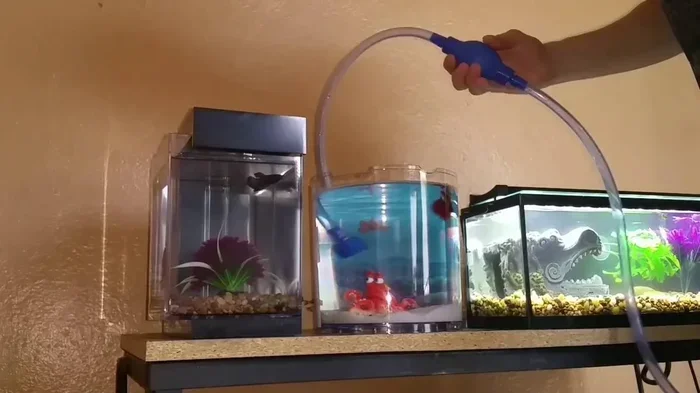
Slowly pour the conditioned water into your betta tank. Pouring directly onto the gravel or decorations can disturb the substrate and stir up debris. Instead, pour the water over a plate or use a siphon to direct the flow gently. This keeps your tank neat and minimizes stress for your fish.
Step 7: Discard Leftover Water Safely
If you have leftover conditioned water in your bucket, do not pour it down the drain if it contains any unused conditioner in high concentrations. It is best to use it all or store it properly. Never dump untreated tap water directly into a storm drain or natural waterway, as the chemicals can harm local wildlife.
Types of Water Conditioners for Betta Fish
Not all water conditioners are created equal. The market is full of products, and choosing the right one can feel overwhelming. Here is a breakdown of the most common types and what they do.
Traditional Liquid Conditioners
These are the most popular and affordable options. You simply add a few drops or a capful to your tap water, and the conditioner neutralizes chlorine, chloramine, and heavy metals within minutes. Brands like API Tap Water Conditioner, Seachem Prime, and Tetra AquaSafe are widely available and well-tested.
Liquid conditioners are easy to dose, work quickly, and are safe for betta fish. They are the go-to choice for most hobbyists, and for good reason. If you are just getting started, a basic liquid conditioner is all you need.
Conditioners with Added Beneficial Bacteria
Some advanced water conditioners include beneficial bacteria cultures that help kick-start your tank’s nitrogen cycle. These products can be especially helpful if you are setting up a new tank or recovering from a cycle crash. They do a double job of conditioning the water and building a healthy biological filter.
However, these conditioners tend to be more expensive and have a shorter shelf life since the bacteria are living organisms. They are a great addition but not strictly necessary if you are already cycling your tank properly.
Water Conditioners with Aloe Vera and Stress Coat
Certain premium conditioners include aloe vera or other soothing ingredients that help repair and protect your betta’s slime coat. The slime coat is a thin layer of mucus that covers your fish’s body and acts as a barrier against infections and parasites. A healthy slime coat means a healthier, more resilient betta.
If your betta is recovering from an illness, injury, or a stressful event like a water change, using a conditioner with stress coat benefits can give it an extra boost of protection. You can learn more about supporting your betta’s overall well-being in our article on how to care for a betta fish.
Comparison Table: Types of Water Conditioners
| Type | Speed | Price | Best For |
|---|---|---|---|
| Traditional Liquid | Instant to 5 minutes | Low | Daily use and routine water changes |
| With Beneficial Bacteria | 5 to 15 minutes | Medium | New tanks and cycle maintenance |
| With Aloe Vera / Stress Coat | Instant | Medium to High | Recovery and sensitive fish |
How Often Should You Condition Water?
The short answer is: every single time you add new water to your betta tank. Whether you are doing a small partial water change or a full water replacement, the new water must always be conditioned first.
For most betta tanks, a partial water change of 25% every one to two weeks is ideal. This helps keep ammonia and nitrate levels in check without disrupting the beneficial bacteria in your filter. If you notice your water parameters are off, you may need to do water changes more frequently.
Here is a quick reference schedule:
- Every 1 to 2 weeks: Change 25% of the tank water and condition the replacement water.
- After any major disturbance: If your betta has been sick, or if you have added new decorations or plants, condition any new water you add.
- After topping off evaporated water: Evaporation removes pure water but leaves minerals behind. When you add fresh water to replace what was lost, condition it first.
If you want a deeper dive into water change frequency, our article on how many times to change water for betta fish covers this topic in detail.
Quick Tip: Always Measure Your Water Volume
Before you add conditioner, know exactly how much water you are treating. Most conditioner bottles come with a measuring cap or dropper, and the dosage is based on gallons or liters. Using too little conditioner means some toxins may not be fully neutralized, while using too much is generally safe but wasteful. Stick to the recommended dosage on the label for the best results.
Common Mistakes to Avoid When Conditioning Water
Even experienced fish keepers can make mistakes when it comes to water conditioning. Here are the most common ones and how to avoid them.
Mistake 1: Using a water conditioner designed for freshwater aquariums on marine tanks. Always check that your conditioner is safe for the type of aquarium you have. Most betta tanks are freshwater, so a standard freshwater conditioner is perfect.
Mistake 2: Forgetting to remove chloramine completely. Chloramine is tougher than chlorine and requires a conditioner that specifically targets it. Most modern conditioners handle both, but always check the label to be sure.
Mistake 3: Conditioning water too far in advance. While conditioned water is generally safe for a few hours, it is best to treat the water right before you add it to your tank. This ensures the conditioner is at peak effectiveness.
Mistake 4: Skipping water testing. Conditioning removes harmful chemicals, but it does not adjust pH, hardness, or other water parameters. Test your water regularly with an aquarium test kit to make sure everything is in balance.
Mistake 5: Using bottled spring water or distilled water without remineralization. Spring water may contain unknown levels of minerals and contaminants, while distilled water is too pure and lacks the minerals your betta needs. Stick to tap water treated with a conditioner, or use RO water with a remineralization additive.
Expert Insight
If you have ever wondered whether you can use well water for your betta, the answer depends on your local water quality. Well water often contains high levels of iron, sulfur, and other minerals that can be harmful. Always test well water thoroughly before using it in your aquarium. For more information, check out our guide on can you use well water for a betta fish.
Final Thoughts
Conditioning water for your betta fish is not optional, it is essential. It takes just a few minutes, costs very little, and makes a world of difference for your fish’s health and happiness. By following the steps in this guide, you are giving your betta the safest, cleanest home possible.
Remember to use a quality water conditioner every time you add new water, match the temperature before introducing it to the tank, and test your water parameters regularly. These small habits add up to a big impact over time. Your betta will reward you with vibrant colors, active behavior, and a long, healthy life.
If you are new to betta keeping, start with the basics: a good conditioner, a consistent water change schedule, and regular testing. As you grow more confident, you can explore advanced topics like water cycling, planting live aquarium plants, and monitoring water chemistry in greater detail. The journey of keeping a betta is rewarding, and it all starts with clean, properly conditioned water.
For a complete overview of betta care fundamentals, explore our how to care for a betta fish 101 guide, which covers everything from feeding to tank setup and beyond.
Frequently Asked Questions
Can I use bottled water for my betta fish?
Most bottled spring water and purified water are not ideal because they lack the minerals your betta needs or may contain unknown additives. Stick to tap water treated with a quality aquarium water conditioner for the safest and most balanced option.
How long does water conditioner take to work?
Most liquid water conditioners neutralize chlorine within seconds and chloramine within 1 to 5 minutes. However, letting the treated water sit for 10 to 15 minutes before adding it to the tank gives the conditioner extra time to fully neutralize heavy metals and other contaminants.
Is it safe to condition water the night before a water change?
Yes, it is generally safe to condition water a few hours in advance. However, for maximum effectiveness, it is best to treat the water right before adding it to your tank. Storing conditioned water in a clean, covered container is perfectly fine for short periods.
What happens if I add too much water conditioner?
Most modern water conditioners are designed to be safe even if slightly overdosed. However, consistently using way more than the recommended amount can cause foam buildup or affect water chemistry. Always follow the dosage instructions on the product label for the best results.
Do I need to condition water for a betta bowl or small tank?
Absolutely. Whether your betta lives in a large tank or a small bowl, any new water you add must be conditioned. In smaller volumes, toxins can build up even faster, making water conditioning even more critical for your fish’s safety.
Can I use a water conditioner that also removes ammonia?
Yes, many water conditioners can temporarily neutralize ammonia, which is helpful during the cycling process or if ammonia spikes occur. However, these conditioners do not replace proper tank cycling and regular water testing. Use them as a supplement to, not a replacement for, good aquarium maintenance practices.