How to Breed a Betta Fish
Breeding betta fish requires the right tank setup, perfect water conditions, and a healthy male and female pair. This guide walks you through every step from selecting breeding fish to caring for betta fish fry. You will learn how to create the ideal environment, spot breeding signs, and raise healthy baby bettas successfully.
Breeding betta fish is one of the most rewarding experiences for any aquarium hobbyist. Watching a pair of these vibrant fish go through their natural spawning process is truly fascinating. But it takes more than just throwing a male and female together and hoping for the best. You need the right setup, the right conditions, and a solid understanding of betta fish behavior.
This guide covers everything you need to know about how to breed a betta fish successfully. Whether you are a complete beginner or someone who has kept bettas before, you will find practical steps and helpful tips here. Let us dive in and explore the world of betta fish breeding together.
Key Takeaways
- Choose healthy fish: Select a male and female betta that are at least 4-6 months old and show vibrant colors and active behavior.
- Prepare the breeding tank: A separate 5-10 gallon tank with warm water around 80°F and a sponge filter creates the ideal breeding environment.
- Monitor water conditions closely: Keep pH between 6.5 and 7.0 and maintain clean water to prevent stress and disease during breeding.
- Feed a nutrient-rich diet: High-quality live or frozen foods like brine shrimp and bloodworms prepare bettas for spawning.
- Care for the fry: After the male builds a bubble nest and the eggs are released, separate the female and feed fry infusoria or liquid fry food.
- Patience is key: Breeding betta fish takes time, observation, and consistent care to achieve successful results.
📑 Table of Contents
- Understanding Betta Fish Breeding Basics
- Setting Up the Breeding Tank
- Choosing the Right Breeding Pair
- Feeding Your Breeding Betta Fish
- The Breeding Process Step by Step
- Common Mistakes to Avoid When Breeding Betta Fish
- Raising Betta Fish Fry
- Expert Tips for Successful Betta Fish Breeding
- Key Takeaways
- Frequently Asked Questions
- Conclusion
Understanding Betta Fish Breeding Basics
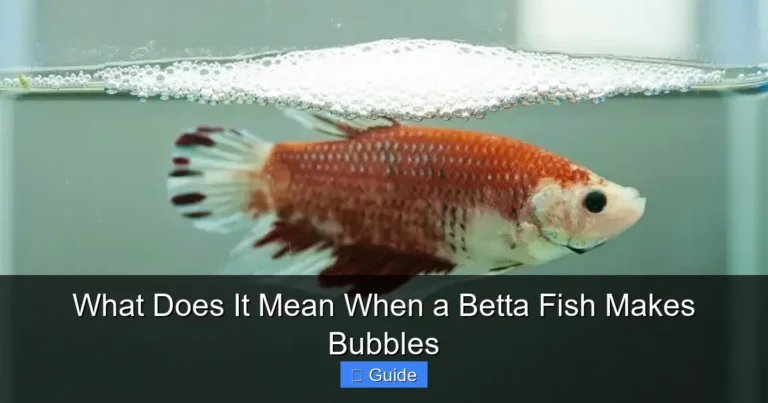
Before you set up a breeding tank, it helps to understand what happens during the breeding process. Betta fish are known as bubble nest builders. The male betta fish creates a nest of bubbles at the surface of the water. When the female releases eggs, the male fertilizes them and places them gently into the bubble nest.
Betta fish breeding is a natural process, but it needs the right triggers. Temperature, water quality, and the health of both fish all play a role. A healthy male and female pair will display specific behaviors that signal they are ready to breed. These include the male building a bubble nest and the female developing a visible egg spot on her belly.
How Old Should Betta Fish Be Before Breeding?
Both the male and female should be at least 4 to 6 months old before you attempt breeding. Younger fish may not be physically ready, and breeding too early can cause health problems. A well-fed betta fish that is showing bright colors and active swimming is usually a good candidate.
What Happens During Betta Fish Spawning?
The spawning process is quick but fascinating. The male wraps his body around the female, and she releases eggs. The male fertilizes them immediately. After spawning, the male carefully collects the eggs and places them into the bubble nest. The whole process can take anywhere from a few hours to a full day.
Setting Up the Breeding Tank
A proper tank setup is the foundation of successful betta fish breeding. You should never breed bettas in a community tank. The male can become aggressive, and other fish may harm the eggs or fry. A dedicated breeding tank gives you control over water conditions and protects both the adult fish and the babies.
Set up a separate tank of about 5 to 10 gallons for breeding. Use a sponge filter to keep the water clean without creating strong currents. Bettas prefer gentle water flow, and a hang-on-back filter can be too powerful for fry. You can also add a small heater to maintain a steady temperature.
For detailed guidance on setting up the right environment, check out our guide on how to set up a fish tank for betta fish. It covers all the essentials you need before introducing breeding fish.
Water Conditions for Breeding
Clean water is absolutely essential for betta fish breeding. The water temperature should sit between 78°F and 82°F. This warmth encourages the fish to spawn and helps the eggs develop properly. Use a reliable aquarium thermometer to monitor the temperature daily.
The pH level should be between 6.5 and 7.0. Soft to moderately hard water works best. Test the water regularly with a liquid test kit to make sure ammonia and nitrite levels stay at zero. Even small spikes in these chemicals can stress your fish and ruin a breeding attempt.
For more information on maintaining the right water quality, visit our article on how to take care of betta fish water. It covers testing, cycling, and water changes in detail.
Tank Setup Details
Keep the breeding tank simple. Add a few soft plants or a spawning mop where the female can hide if the male becomes too aggressive. A small heater and sponge filter are the only equipment you really need. Avoid gravel or rough substrates. A bare bottom tank makes cleaning easier and keeps the water quality stable.
Choosing the Right Breeding Pair
Selecting the right male and female is one of the most important steps in betta fish breeding. Not every pair will breed successfully, and choosing healthy, compatible fish increases your chances dramatically.
Look for a male with bright, vivid colors and a well-developed finnage. He should be active and showing interest in his surroundings. The female should also be colorful and healthy, with a round belly that hints at mature eggs. A white egg spot near her vent is a clear sign she is ready to breed.
If you are unsure where to find quality breeding stock, our guide on how to buy a betta fish online offers tips on selecting healthy fish from reputable sellers.
Introducing the Male and Female
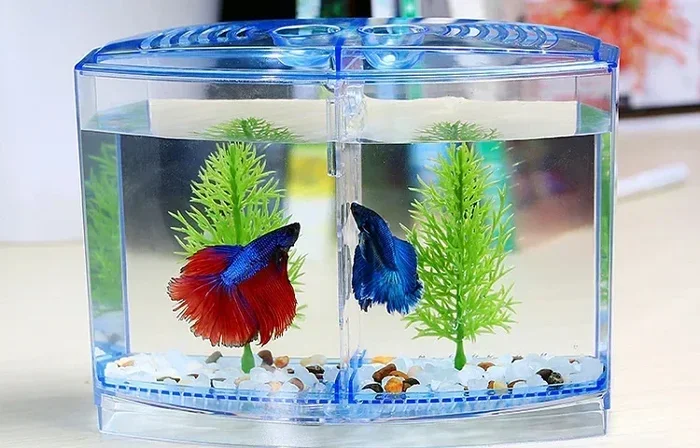
Never place the male and female in the same tank right away. Start by placing them in separate containers side by side. This lets them see each other and get used to one another’s presence. After a day or two, if both fish show interest and no signs of aggression, you can introduce them into the breeding tank together.
Watch them closely during the first few hours. Some chasing is normal, but if the male bites the female’s fins or she cannot escape, separate them immediately. A successful breeding pair will work together, with the male guiding the female toward the bubble nest.
Feeding Your Breeding Betta Fish
Proper nutrition plays a huge role in betta fish breeding. Both the male and female need a nutrient-rich diet to produce healthy eggs and sperm. A poor diet can lead to weak fry or failed spawning attempts.
Best Foods for Breeding Bettas
- Live brine shrimp: A top choice for conditioning breeding pairs. It is packed with protein and encourages natural spawning behavior.
- Frozen bloodworms: An excellent alternative to live food. They are easy to store and most bettas love them.
- Daphnia: This small aquatic crustacean provides variety and helps with digestion.
- High-quality betta pellets: Use as a staple food, but supplement with live or frozen options during the breeding period.
Feed the breeding pair 2 to 3 times a day in small amounts. Overfeeding can foul the water quickly, which is dangerous during breeding. For tips on feeding specifics, our article on how to feed a pea to a betta fish offers useful insights on betta diet and feeding routines.
Conditioning the Breeding Pair
Conditioning means feeding the pair high-quality foods for 1 to 2 weeks before introducing them to the breeding tank. This builds up their energy and encourages the female to produce healthy eggs. During this time, keep the water temperature slightly warmer than usual, around 80°F, to mimic natural breeding conditions.
The Breeding Process Step by Step
Once your breeding pair is ready and the tank is set up, it is time to encourage spawning. Here is a step-by-step breakdown of what to expect and how to handle each stage.
Step 1: Watch for the Bubble Nest
The male will start building a bubble nest at the surface of the water. This is a cluster of tiny bubbles held together with saliva. A healthy bubble nest is a sign that the male is ready to breed. The nest can be small or large, but it should be visible and somewhat stable.
Step 2: Introduce the Female
Place the female in the breeding tank. She will likely be chased by the male at first. This is normal. The male will show her the bubble nest and try to guide her toward it. If the female is receptive, she will darken in color and show vertical stripes on her body, called breeding bars.
Step 3: Spawning
The male will wrap his body around the female in a process called embracing. The female releases eggs, and the male fertilizes them right away. They may embrace several times until all the eggs are released. This process can last from a few minutes to several hours.
Step 4: Collecting the Eggs
After spawning, the male will collect any eggs that fall and place them into the bubble nest. The female should be removed at this point because the male may become aggressive toward her. Leaving her in the tank risks injury to both fish.
Step 5: Caring for the Eggs and Fry
The male will guard the bubble nest and the eggs until they hatch. This usually takes 24 to 48 hours. Once the fry are free-swimming, remove the male from the tank. He may eat the fry if left too long. Feed the newborn fry infusoria or liquid fry food for the first week, then gradually introduce baby brine shrimp.
Common Mistakes to Avoid When Breeding Betta Fish
Even experienced fish keepers make mistakes during breeding. Here are some common pitfalls to watch out for.
- Skipping the conditioning phase: Feeding the pair poorly before breeding leads to weak eggs and low success rates.
- Using too large a tank: A breeding tank should be small enough that the male can find the female easily. A large tank makes this difficult.
- Ignoring water quality: Dirty water is the number one killer of betta fish eggs and fry. Test and change water regularly.
- Removing the male too early: The male guards the eggs for a reason. Wait until the fry are free-swimming before removing him.
- Overcrowding the fry tank: Start with a small number of fry and upgrade as they grow. Overcrowding leads to disease and stunted growth.
Raising Betta Fish Fry
Once the fry are free-swimming, your real journey begins. Raising betta fish fry requires patience, clean water, and the right food. The first few weeks are the most critical.
Keep the fry tank covered to maintain warm, humid air above the water. Baby bettas need warm temperatures to grow properly. Perform tiny water changes of about 10% every other day to keep the water pristine without disturbing the tiny fish.
Start with infusoria or commercially available liquid fry food. After the first week, you can introduce microworms or newly hatched baby brine shrimp. As the fry grow, you can gradually increase the size of their food. By the time they are a month old, they can eat crushed betta pellets.
Watch for any signs of disease or abnormal behavior. Ich and fungal infections are common in fry tanks. If you notice white spots on any fry, treat the tank immediately. For guidance on treating common fish diseases, our article on how to treat ich on a betta fish provides helpful treatment methods.
Expert Tips for Successful Betta Fish Breeding
Experienced breeders share a few insights that can make a big difference in your success rate. First, always breed bettas that are related to good stock. The genetics of the parents determine the quality of the fry. Second, keep a log of each breeding attempt. Note the water parameters, the date of spawning, and how many eggs were produced. This data helps you improve over time.
Another tip is to use a dimmer light in the breeding tank. Bright lights can stress the fish and disrupt the breeding process. A soft LED light or natural daylight from a nearby window works well. Finally, be patient. Not every breeding attempt will be successful. Even professional breeders experience failed spawns from time to time.
Key Takeaways
- Start with healthy fish: Choose a male and female betta that are at least 4-6 months old and in peak condition.
- Prepare a dedicated breeding tank: A 5-10 gallon tank with a sponge filter, heater, and gentle setup gives the best results.
- Maintain pristine water quality: Keep the temperature at 78-82°F and the pH between 6.5 and 7.0 for optimal breeding conditions.
- Condition the pair with rich foods: Live and frozen foods like brine shrimp and bloodworms prepare the fish for spawning.
- Follow the breeding process carefully: Watch for the bubble nest, introduce the pair gradually, and remove the female after spawning.
- Care for the fry with diligence: Feed appropriate foods, keep the water clean, and monitor for disease from day one.
Frequently Asked Questions
How long does it take for betta fish eggs to hatch?
Betta fish eggs typically hatch within 24 to 48 hours after spawning. The male betta fish guards the bubble nest during this time. Once the fry are free-swimming, they will start looking for food on their own.
Can you breed betta fish in a bowl?
While it is possible, a dedicated breeding tank is much better. A bowl does not provide enough space or stable water conditions for successful breeding. A small tank with a heater and sponge filter gives the best results for raising healthy fry.
How many eggs does a female betta fish lay at once?
A female betta fish can lay anywhere from 30 to 100 eggs in a single spawning session. The number depends on her age, health, and how well she has been conditioned. Not all eggs will be fertile, and not all fry will survive to adulthood.
Why did my betta fish fail to breed?
There are several reasons a breeding attempt might fail. The fish may not have been old enough, the water conditions may have been off, or the pair may not have been compatible. Try conditioning the pair longer and double-checking your water parameters before trying again.
What should I feed betta fish fry?
Start with infusoria or liquid fry food for the first few days. After that, introduce microworms or baby brine shrimp. As the fry grow, you can gradually move to crushed pellets and larger foods. Consistent feeding and clean water are the keys to healthy growth.
Is breeding betta fish profitable?
Breeding betta fish can be profitable if you focus on rare color morphs or unique fin types. However, it requires investment in proper equipment, quality fish, and time for care. Most hobbyists breed bettas for the love of the hobby rather than profit.
Conclusion
Breeding betta fish is a journey that rewards patience, attention to detail, and a genuine love for these beautiful creatures. From selecting the right pair to caring for tiny fry, every step matters. When you get it right, there is nothing quite like watching a healthy batch of baby bettas swim in their tank.
Remember that betta fish breeding is not about instant results. Each attempt teaches you something new. Keep learning, keep observing, and most importantly, enjoy the process. With the right setup, proper nutrition, and consistent care, you can successfully breed betta fish and contribute to the wonderful world of aquarium hobbyists everywhere.