Is Frozen Fish Better Than Fresh
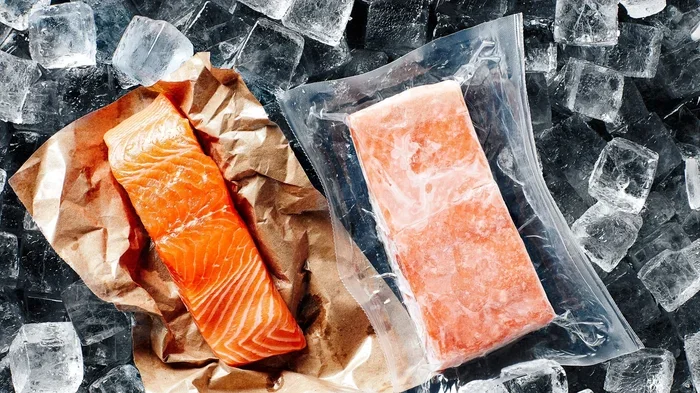
Is frozen fish better than fresh? The answer might surprise you. Frozen fish often locks in nutrients at peak freshness, while fresh fish can lose quality during transport. Both options have real benefits depending on how you store, prepare, and enjoy them.
Let’s settle the debate once and for all. Is frozen fish better than fresh fish? For years, people have believed that fresh is always best. But the truth is more nuanced than you might think. Frozen fish has come a long way, and modern freezing technology has changed the game completely.
Whether you are shopping at the grocery store or ordering seafood online, you need to know what you are actually buying. This guide breaks down everything you need to know about frozen fish versus fresh fish. We will cover nutrition, taste, safety, cost, and practical tips so you can make the best choice every time.
Key Takeaways
- Frozen fish can be more nutritious: Flash freezing locks in omega-3 fatty acids and vitamins right after harvest.
- Fresh fish is not always fresher: Store-bought fresh fish may have been thawed and refrozen multiple times.
- Taste and texture differ: Properly frozen fish maintains great flavor, but some types fare better than others.
- Safety depends on handling: Both frozen and fresh fish are safe when stored and cooked correctly.
- Frozen fish is more affordable: You save money and reduce waste with a longer shelf life.
- Home freezing works well: If you buy fresh fish, freezing it properly preserves quality for months.
📑 Table of Contents
- What Is the Difference Between Frozen and Fresh Fish?
- Nutritional Value: Frozen vs Fresh Fish
- Taste and Texture Comparison
- Safety: Myths and Facts About Frozen and Fresh Fish
- Cost and Convenience: Why Frozen Fish Wins for Most People
- When Should You Choose Fresh Fish?
- How to Freeze Fish at Home for Best Results
- Common Mistakes People Make With Frozen Fish
- The Verdict: Is Frozen Fish Better Than Fresh?
What Is the Difference Between Frozen and Fresh Fish?
When we say fresh fish, we usually mean fish that has never been frozen. But here is the catch. Most fresh fish at your local store has been transported for days. During that time, it loses moisture, flavor, and nutrients. Frozen fish, on the other hand, is often flash frozen within hours of being caught.
How Flash Freezing Works
Flash freezing uses extremely cold temperatures to freeze fish very quickly. This process forms tiny ice crystals inside the fish flesh. Small crystals mean less damage to cell walls. The result is frozen fish that retains its original texture, flavor, and nutritional profile much better than you would expect.
In contrast, slow freezing creates large ice crystals. These large crystals break down the fish tissue and cause that mushy texture people associate with frozen seafood. So the method matters a lot. Not all frozen fish is created equal.
The Fresh Fish Supply Chain
Think about the journey of fresh fish. It is caught, placed on ice, shipped by truck or plane, unloaded at a distributor, shipped to a store, and then sits on the shelf. This entire process can take several days. By the time you buy it, the fish quality may have already declined significantly.
Many consumers do not realize that so-called fresh fish at supermarkets has often been previously frozen and then thawed for display. This is especially common with farmed fish and imported seafood. Always ask your fishmonger if the fish has been frozen before.
Nutritional Value: Frozen vs Fresh Fish
One of the biggest concerns people have is whether frozen fish loses its nutritional value. The short answer is no. In many cases, frozen fish retains more nutrients than fresh fish that has been sitting for days.
Omega-3 Fatty Acids
Omega-3 fatty acids are one of the main reasons people eat fish. These healthy fats support heart health, brain function, and reduce inflammation. Studies show that frozen fish preserves omega-3 levels just as well as fresh fish, and sometimes better. This is because flash freezing happens at peak freshness, locking in the good stuff right away.
Compare this to fresh fish that sits on a shelf for a week. Over time, omega-3 fatty acids begin to oxidize and break down. By the time you cook it, the nutritional value has dropped. This is a key point that many people overlook.
Protein and Vitamins
Protein content in fish remains stable whether it is frozen or fresh. Freezing does not destroy protein molecules. The same goes for most vitamins and minerals like vitamin D, selenium, and potassium. Frozen seafood can actually deliver a more consistent nutritional profile because the freezing process happens at the source.
If you are choosing between frozen fish and week-old fresh fish at the store, the frozen option might actually be the healthier choice. This is especially true when comparing wild-caught fish that has been frozen at sea versus fish that has traveled long distances to reach your plate.
Taste and Texture Comparison
Let us talk about what really matters to most people. How does frozen fish taste compared to fresh fish? The honest answer is that it depends on the type of fish and how it was handled.
Fish That Freeze Well
Some fish varieties hold up beautifully after freezing. Fatty fish like salmon and mackerel freeze very well because the higher fat content protects the texture. Cod, haddock, and tilapia also freeze reasonably well. If you buy quality frozen salmon, you may not even notice a difference compared to fresh.
White fish fillets like cod and pollock are commonly sold frozen because they maintain their structure well. In fact, many restaurants use frozen seafood because it is more consistent in quality and easier to store.
Fish That Do Not Freeze as Well
Delicate fish like sole, flounder, and certain freshwater varieties can suffer more from freezing. Their thinner flesh is more prone to texture changes. If you are buying freshwater fish like trout or bass, fresh is usually the better option for eating raw or lightly cooked.
Shellfish also have mixed results. Shrimp freezes well, but oysters and clams do not. Always consider the type of seafood before deciding whether to buy frozen or fresh.
Thawing Matters More Than You Think
How you thaw frozen fish makes a huge difference in the final result. The best method is to place it in the refrigerator overnight. This slow thaw preserves moisture and texture. Avoid thawing fish at room temperature or using hot water. Both methods degrade the quality and can promote bacterial growth.
Quick tip: if you need to thaw fish fast, place it in a sealed plastic bag and submerge it in cold water. Change the water every 20 minutes. This method keeps the fish quality much better than leaving it out on the counter.
Safety: Myths and Facts About Frozen and Fresh Fish
Food safety is a big part of the frozen fish versus fresh fish debate. Let us clear up some common myths.
Does Freezing Kill Parasites?
Yes, it does. The FDA recommends that fish intended for raw consumption be frozen at specific temperatures to kill parasites. This is why many sushi restaurants use frozen fish for their raw dishes. So in some cases, frozen fish is actually safer than fresh fish for certain preparations.
If you plan to eat raw or lightly cured fish, always make sure it has been properly frozen first. This applies to both store-bought and freshly caught fish. Freezing at -4°F (-20°C) for at least 7 days effectively eliminates most parasites.
Bacterial Growth and Storage
Fresh fish is highly perishable. Bacteria multiply rapidly between 40°F and 140°F, which is called the danger zone. If fresh fish is not kept cold at all times, it can become unsafe to eat quickly. Frozen fish halts bacterial growth entirely because bacteria cannot grow at freezing temperatures.
This does not mean frozen fish cannot spoil. It can still develop freezer burn or absorb odors from other foods if not stored properly. Always wrap frozen seafood tightly and use it within recommended time frames for the best quality and safety.
Cost and Convenience: Why Frozen Fish Wins for Most People
Let us talk about the practical side. For most households, frozen fish is the smarter choice. It costs less, lasts longer, and reduces food waste.
Price Comparison
Fresh fish can be expensive, especially out of season or for premium varieties like wild-caught salmon. Frozen fish is often 30 to 50 percent cheaper. You can buy in bulk and only take out what you need for each meal. This saves money and cuts down on trips to the store.
When you factor in waste, the savings grow even larger. Fresh fish must be cooked within a day or two. If your plans change, that fish goes in the trash. Frozen fish stays good for months, giving you flexibility to cook when it works for you.
Meal Prep and Planning
Frozen fish is a game-changer for meal prep. You can keep a variety of fillets in your freezer and pull one out whenever you need it. No need to rush to the store or worry about the fish going bad. This convenience factor alone makes frozen seafood a favorite among busy families.
Pro tip: buy frozen fish in larger quantities when it is on sale. Portion it out into meal-sized servings, wrap each portion tightly, and label with the date. You will always have a healthy protein option ready to go.
When Should You Choose Fresh Fish?
Despite all the advantages of frozen fish, there are times when fresh is the better choice. Knowing when to pick each option will help you get the best results.
Buying Fresh at a Trusted Source
If you have access to a good fish market or buy directly from a fisherman, fresh fish can be outstanding. Look for clear eyes, firm flesh, a clean ocean smell, and bright red gills. These are signs of truly fresh seafood quality that frozen fish simply cannot match.
When you buy fresh from a trusted source and cook it the same day, the taste and texture are unbeatable. This is especially true for delicate fish like sole or snapper, where the subtle flavors shine best when served immediately.
Sushi and Raw Preparations
For raw dishes like sushi, sashimi, and ceviche, many people prefer fresh fish. However, remember that most high-end sushi restaurants use frozen fish that meets FDA parasite guidelines. If you are making raw fish at home, always use fish that has been commercially frozen first.
Seasonal and Local Fish
During peak fishing seasons, local fresh fish can be incredibly fresh and affordable. Farmers markets and coastal fish markets often sell fish the same day it was caught. This is the ideal scenario for fresh fish. Support local fisheries when you can and enjoy the best of what your region has to offer.
How to Freeze Fish at Home for Best Results
If you buy fresh fish and want to freeze it yourself, follow these steps to maintain quality. Proper home freezing makes a real difference in the final result.
- Start with the freshest fish possible. The fresher it is when you freeze it, the better it will taste later.
- Rinse the fish under cold water and pat it dry with paper towels.
- Wrap tightly in plastic wrap or freezer paper. Remove as much air as possible.
- Place in a vacuum-sealed bag if you have one. Vacuum sealing is the gold standard for home freezing.
- Label each package with the fish type and date. Use within 3 to 6 months for best quality.
- Store at 0°F or below. Consistent cold temperatures are essential for maintaining frozen fish quality.
Never refreeze fish that has been thawed. Each freeze-thaw cycle damages the cell structure and reduces quality. Once thawed, cook the fish immediately or discard it if it has been sitting at room temperature for more than two hours.
Common Mistakes People Make With Frozen Fish
Avoid these common errors to get the best results from frozen fish:
- Cooking from frozen without thawing. This leads to uneven cooking and a watery texture. Always thaw in the fridge first.
- Overcooking frozen fish. Frozen fish cooks faster than you think. Check for doneness a few minutes earlier than you normally would.
- Using the wrong cooking method. Delicate frozen fish does well with gentle methods like baking, steaming, or poaching. Avoid deep frying unless the fish is breaded.
- Ignoring freezer burn. If your frozen seafood has white patches or dry spots, it has freezer burn. It is still safe to eat but will taste bland.
- Buying the cheapest option without checking labels. Some frozen fish is previously frozen and thawed. Always read the label to know what you are getting.
The Verdict: Is Frozen Fish Better Than Fresh?
So, is frozen fish better than fresh? The answer depends on your situation. For most people, frozen fish is the smarter choice. It is more affordable, more convenient, and often just as nutritious as fresh. Modern flash freezing technology has made frozen seafood a genuinely excellent option.
However, if you can buy truly fresh fish from a trusted local source and cook it the same day, nothing beats the flavor and texture of fresh-caught fish. The key is knowing what you are buying and handling it properly either way.
Both frozen fish and fresh fish have a place in a healthy diet. The best choice is the one that fits your lifestyle, budget, and meal plan. Now that you know the facts, you can shop with confidence and enjoy great seafood every time.
Remember, whether you choose frozen fish or fresh, what matters most is how you store it, prepare it, and enjoy it. Make informed choices, support sustainable fishing practices, and always prioritize quality. Happy cooking.
Frequently Asked Questions
Is frozen fish as healthy as fresh fish?
Yes, frozen fish can be just as healthy, and in some cases even healthier. Flash freezing locks in nutrients like omega-3 fatty acids at peak freshness. Fresh fish that has been sitting on a shelf for days may lose nutritional value over time.
Can you tell if fish has been previously frozen?
Sometimes. Previously frozen fish may have a slightly different texture, ice crystals on the surface, or a watery pool in the packaging. Always ask the seller if you are unsure about the fish quality of what you are buying.
How long does frozen fish last in the freezer?
Most frozen fish stays good for 3 to 6 months when stored at 0°F or below. Fatty fish like salmon may degrade faster than white fish. Always check the packaging date and use your best judgment on quality.
Why do restaurants use frozen fish instead of fresh?
Many restaurants use frozen seafood because it is more consistent in quality, easier to store, and reduces waste. Flash frozen fish also allows restaurants to offer a wider variety of fish year-round without paying premium prices for out-of-season fresh options.
Is it safe to eat frozen fish that has been thawed and refrozen?
No, you should never refreeze fish that has already been thawed. Each freeze-thaw cycle damages the cell structure and increases the risk of bacterial growth. If fish has been thawed, cook it immediately or discard it safely.
Which types of fish are best bought frozen?
Fatty fish like salmon, mackerel, and sardines freeze very well. White fish such as cod, haddock, and tilapia also hold up nicely. For best results, look for frozen fish that has been flash frozen and avoid products with excessive ice buildup or freezer burn.
=== CONCLUSION ===
Is frozen fish better than fresh? The evidence clearly shows that frozen fish is a fantastic option for most people. It offers excellent nutrition, great convenience, and significant cost savings. Modern freezing methods like flash freezing have eliminated many of the quality concerns people had about frozen seafood in the past.
Fresh fish is wonderful when sourced locally and cooked immediately. But for everyday eating, meal planning, and budget-friendly healthy meals, frozen fish delivers outstanding results. Choose quality brands, store your fish properly, and enjoy delicious seafood any time of the year.