How Many Times Do Betta Fish Eat a Day

So, how many times do betta fish eat a day? The answer is twice a day — morning and evening — with small portions each time. Feeding your betta the right amount at the right frequency keeps them healthy, active, and happy. Overfeeding is the biggest mistake new betta owners make, so portion control matters just as much as timing.
If you own a betta fish or are thinking about getting one, you probably wonder about the right feeding schedule. How many times do betta fish eat a day? It is a simple question, but the answer matters a lot. Feed too much, and your fish could get sick. Feed too little, and your betta loses energy and vitality.
The good news is that getting the feeding frequency right is not complicated. With a little knowledge and a consistent routine, you can keep your betta healthy and thriving. This guide covers everything you need to know about betta fish feeding, from how often to feed to what to serve at each meal.
Key Takeaways
- Feed twice a day: Morning and evening meals are ideal for adult bettas.
- Small portions are key: Only give what your betta can eat in 2 minutes.
- Overfeeding is dangerous: It can cause bloating, constipation, and poor water quality.
- Variety matters: Rotate between pellets, flakes, and frozen foods for balanced nutrition.
- Fasting days help: Skip one meal per week to support digestion and prevent health issues.
- Consistency counts: Stick to a regular feeding schedule to keep your betta stress-free.
📑 Table of Contents
How Many Times Do Betta Fish Eat a Day?
The short answer is twice a day. Most betta experts agree that two small meals per day work best for adult bettas. This mimics their natural eating pattern in the wild, where they forage for small meals throughout the day.
But here is the thing — not all bettas are the same. Age, activity level, and overall health all play a role. A young, active betta might need slightly more food than an older one. A betta recovering from illness may need a different approach. That is why understanding the basics gives you the flexibility to adjust as needed.
Morning and Evening: The Ideal Schedule
Feed your betta once in the morning and once in the evening. This gives your fish a consistent rhythm. Bettas thrive on routine, and a predictable schedule reduces stress. Try to feed at roughly the same times each day. For example, you might feed around 8 AM and 6 PM.
Some owners wonder if feeding once a day works. While it can be done, how often do you feed a betta fish depends on the individual. If you only feed once, make sure the portion is enough to sustain your fish through the day. However, splitting the food into two meals is generally better for digestion and energy levels.
How Much Should You Feed Each Meal?
Portion control is just as important as frequency. A common rule of thumb is to give your betta only what it can eat in about 2 minutes. This prevents leftover food from rotting in the tank, which can spike ammonia levels and harm your fish.
So how much is that exactly? For most bettas, 2 to 3 small pellets per meal works well. If you are using flakes, a tiny pinch is enough. You can also refer to a guide on how much should a betta fish eat for more specific portion advice based on food type.
Signs You Are Feeding Too Much
Overfeeding is the number one mistake betta owners make. Watch for these warning signs:
- Uneaten food sinking to the bottom of the tank after feeding.
- A bloated or distended belly that lasts for hours.
- Lethargy or lack of interest in food at the next meal.
- Cloudy or dirty water shortly after feeding.
- Constipation or difficulty swimming, which can lead to swim bladder issues.
If you notice any of these, reduce the portion size immediately. Your betta does not need as much food as you might think. In the wild, bettas eat small amounts multiple times a day, not one big feast.
Signs You Are Feeding Too Little
Underfeeding is less common but still a concern. Signs include:
- Visible weight loss or a thin, pinched body shape.
- Loss of color or dull fins.
- Constantly begging for food by swimming to the surface eagerly.
- Low energy levels and spending more time resting.
If your betta shows these signs, try increasing the portion slightly or adding an extra feeding. Just make sure any changes are gradual. Sudden shifts in diet can upset your fish’s stomach.
What Should You Feed Your Betta Fish?
The type of food you offer matters just as much as how often you feed. Bettas are carnivores by nature. They need a protein-rich diet to stay healthy, grow vibrant colors, and maintain strong immunity.
Best Food Options for Bettas
Here are the most common and nutritious food choices for your betta:
- Betta pellets: These are specially formulated for bettas and should be the staple of their diet. Look for high-quality pellets with real fish meal as the first ingredient. Check out how many pellets to feed a betta fish for precise portion guidance.
- Frozen or freeze-dried bloodworms: A great treat that provides protein and variety. Use sparingly — these are supplements, not main meals.
- Brine shrimp: Another excellent protein source. Frozen brine shrimp are often preferred over freeze-dried because they retain more nutrients.
- Betta flakes: These work in a pinch, but many bettas do not find them as satisfying as pellets. Flakes also tend to break apart and cloud the water faster.
- Live foods: Mosquito larvae, daphnia, and micro worms are excellent natural options. They mimic what bettas would eat in the wild.
Creating a Balanced Weekly Meal Plan
A varied diet keeps your betta healthy and interested in food. Here is a simple weekly plan you can follow:
- Monday, Wednesday, Friday: Betta pellets as the main meal.
- Tuesday, Thursday: Pellets plus a small portion of frozen bloodworms or brine shrimp.
- Saturday: A mix of pellets and live or frozen daphnia for variety.
- Sunday: Fasting day. Skip feeding entirely to let your betta’s digestive system rest.
This rotation provides balanced betta fish nutrition without overwhelming your fish with any single food type. The weekly fasting day is especially important. It helps prevent constipation and gives the digestive system a break. Many experienced fish keepers swear by this practice.
Common Feeding Mistakes to Avoid
Even well-meaning betta owners make mistakes when it comes to feeding. Here are the most common ones and how to fix them.
Mistake 1: Overfeeding
This is the big one. It is tempting to give your betta extra food because they seem hungry or excited at feeding time. But bettas have small stomachs — roughly the size of their eye. Giving them too much food leads to bloating, poor water quality, and long-term health problems.
Mistake 2: Feeding the Wrong Foods
Not all fish food is created equal. Tropical flakes designed for community tanks often lack the protein levels bettas need. Always choose foods made specifically for bettas or carnivorous fish. Avoid feeding your betta goldfish food or generic tropical flakes as a staple.
Mistake 3: Inconsistent Feeding Times
Bettas do best with a predictable routine. If you feed them at random times, it can cause stress and confusion. Set alarms on your phone if needed to keep the schedule consistent. This small habit makes a big difference in your betta’s overall well-being.
Mistake 4: Ignoring Leftover Food
Any food left uneaten after a few minutes should be removed. It will decompose quickly and release harmful toxins into the water. Use a small net or turkey baster to clean up excess food after each meal.
How Feeding Frequency Affects Betta Health
The way you feed your betta directly impacts its health and lifespan. A proper feeding schedule for betta does more than just fill their belly — it supports digestion, immunity, coloration, and behavior.
Digestion and Waste Production
Bettas have a simple digestive system that works best with small, frequent meals. When you feed them too much at once, their bodies cannot process all the food efficiently. This leads to constipation, which is one of the most common health issues in captive bettas. A constipated fish may have a swollen belly, difficulty swimming, or a loss of appetite.
Feeding smaller portions twice a day keeps the digestive system working smoothly. Adding a weekly fasting day gives the gut a complete rest, which many aquarists find improves their betta’s overall health within just a few weeks.
Water Quality and Tank Environment
Uneaten food is one of the biggest contributors to poor water quality. When food decomposes, it releases ammonia and nitrites into the tank. Even small amounts of these chemicals can stress your betta and make it vulnerable to disease. This is why portion control and timely removal of leftovers are so important.
If you want to learn more about maintaining clean water, check out this guide on how to do a water change for a betta fish to keep the tank environment healthy.
Behavior and Stress Levels
Believe it or not, feeding routine affects your betta’s behavior. A well-fed betta on a consistent schedule tends to be more active, curious, and display vibrant colors. A betta that is fed inconsistently or too much may become lethargic, hide, or show signs of aggression.
Regular feeding times also create a positive association for your fish. Over time, your betta will learn to anticipate meals and may swim to the surface eagerly when it is feeding time. This is a joy to watch and a sign that your fish feels safe and comfortable in its environment.
Special Feeding Considerations
Not all bettas fit the standard feeding guidelines. Certain situations call for adjustments to the normal routine.
Feeding Baby Bettas (Fry)
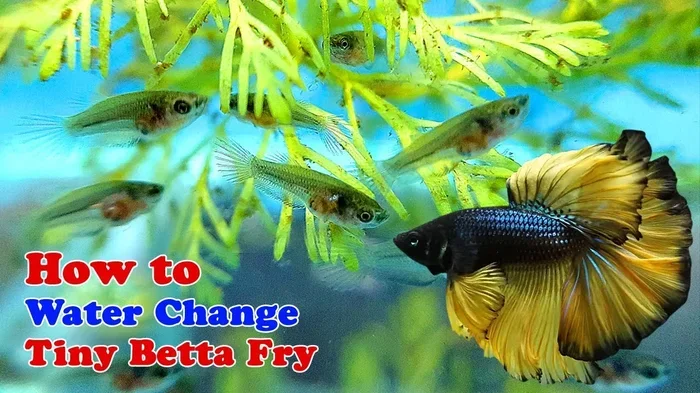
Young bettas need more frequent feedings than adults. Baby bettas should eat 3 to 4 times a day in very small amounts. Their stomachs are tiny, and they need a steady supply of nutrients to grow properly. Live foods like baby brine shrimp or micro worms are ideal for fry.
Feeding Senior Bettas
As bettas age, their metabolism slows down. Older bettas may do better with one slightly larger meal per day instead of two smaller ones. Watch your senior fish closely and adjust portions if you notice weight gain or decreased activity.
Feeding Bettas During Illness
A sick betta may lose its appetite entirely. If your fish refuses food for more than two days, it is time to investigate. Common causes include poor water quality, temperature drops, or underlying illness. In some cases, soaking pellets in a little tank water before feeding can make them easier to digest for a weak fish.
Quick Tips for Perfect Betta Feeding
- Stick to a routine: Feed at the same times every day.
- Use a timer: Set a reminder on your phone if you tend to forget.
- Soak pellets first: This helps prevent swim bladder issues caused by air gulping.
- Rotate food types: Variety prevents nutritional gaps and keeps your betta interested.
- Never feed human food: Bread, crackers, and other human foods are harmful to bettas.
- Watch your fish during meals: This helps you spot appetite changes early.
- Clean up leftovers: Remove uneaten food within 5 minutes of feeding.
Final Thoughts
So, how many times do betta fish eat a day? Twice a day is the sweet spot for most adult bettas. Pair that with the right portions, quality food, and a consistent routine, and your betta will thrive. Remember that feeding is about more than just putting food in the tank — it is a key part of betta fish care that affects every aspect of your fish’s health and happiness.
Keep it simple. Keep it consistent. And always resist the urge to overfeed. Your betta will thank you with bright colors, active swimming, and a long, healthy life. If you want to dive deeper into betta care, explore more articles on proper betta maintenance and tank setup to give your fish the best possible home.
Frequently Asked Questions
Can I feed my betta fish once a day instead of twice?
Yes, once a day is possible, but you will need to give a slightly larger portion to meet your betta’s nutritional needs. Most experts still recommend twice a day with smaller portions because it better mimics natural eating patterns and supports digestion. If you choose once-a-day feeding, monitor your fish for signs of hunger or weight loss.
What happens if I overfeed my betta fish?
Overfeeding causes bloating, constipation, and poor water quality. Uneaten food decays quickly and releases harmful ammonia into the tank. Over time, this can lead to serious health issues like swim bladder disease and a weakened immune system. Always feed only what your betta can eat in about 2 minutes.
Can I skip feeding my betta fish for a day?
Yes, skipping one day of feeding per week is actually beneficial. A fasting day allows your betta’s digestive system to rest and process any remaining food. This simple practice helps prevent constipation and keeps your fish healthy. Just make sure the other six days of feeding remain consistent and well-portioned.
How do I know if my betta is hungry?
A hungry betta will swim to the surface eagerly and may beg for food as soon as you approach the tank. However, bettas also learn to associate your presence with feeding time, so they may display begging behavior even when not truly hungry. Stick to a regular schedule and feed appropriate portions to avoid confusing hunger with routine anticipation.
Is it okay to feed my betta fish right before turning off the lights?
It is better to feed your betta at least 30 minutes before lights out. Bettas need time to digest their food, and feeding right before darkness can slow the process. A good rule is to feed about 30 minutes after turning on the lights in the morning and 30 minutes before turning them off at night.
Can I change my betta’s feeding schedule if I am going on vacation?
For short trips of 3 to 5 days, your betta can safely skip meals. Bettas can go without food for a week without harm. For longer trips, consider an automatic fish feeder or ask a friend to feed your betta in small portions every other day. Avoid overfeeding before you leave, as leftover food can foul the water while you are away.