Why Does My Betta Fish Stare at Me
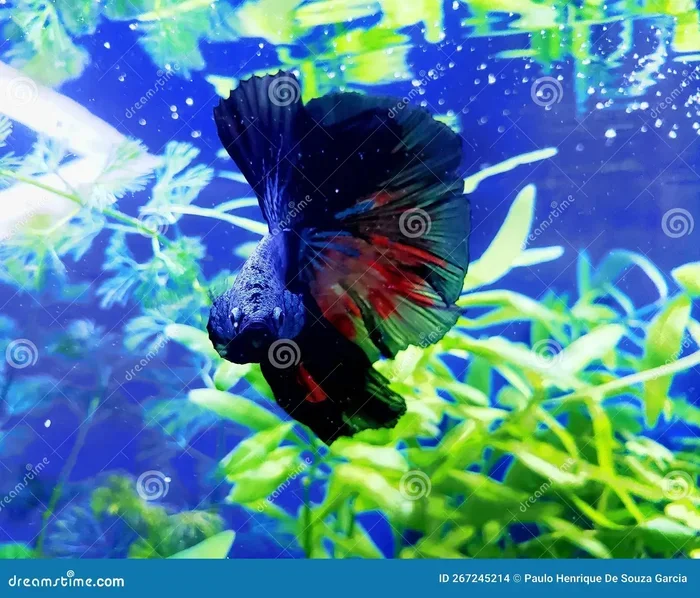
Your betta fish stares at you because it is curious, hungry, or trying to communicate with you. Bettas are intelligent fish that recognize their owners and watch for feeding time, interaction, or changes in their environment. Understanding this behavior helps you build a stronger bond and keep your fish healthy and happy.
There is something oddly satisfying about catching your betta fish staring at you through the glass. You pause, you look back, and suddenly you are locked in an unblinking gaze with a tiny, colorful fish. It feels personal. It feels intentional. But what does it actually mean?
Many betta owners experience this moment and wonder what is going on inside that little fish brain. The truth is, bettas are smarter than most people give them credit for. They watch, they learn, and they react to the world around them in surprising ways. Whether your fish is staring because it is hungry, curious, or just happy to see you, understanding this behavior is the first step toward becoming a better betta parent.
In this guide, we will explore every reason why your betta fish might be giving you those big, bright eyes. We will break down the science, the behavior, and the simple things you can do to respond in a way that makes your fish feel safe and connected to you.
Key Takeaways
- Betta fish stare as a form of curiosity: They are naturally inquisitive creatures that observe their surroundings and the people nearby.
- Staring often signals hunger: Your betta has likely learned that you are the one who brings food, so it watches for feeding cues.
- It can indicate recognition and bonding: Bettas can recognize their owners and may stare as a form of interaction or anticipation.
- Body language matters: Pairing the stare with other behaviors like flaring or swimming to the front tells you more about what your fish wants.
- Excessive staring may signal stress: If combined with other unusual behaviors, it could point to an uncomfortable tank environment.
- You can encourage positive interaction: Simple changes like talking softly and maintaining a routine help your betta feel safe and engaged.
📑 Table of Contents
Why Does My Betta Fish Stare at Me?
The most common reason your betta fish stares at you is simple: it is paying attention to you. Bettas are alert creatures. They observe movement, light changes, and anything that happens near their tank. When you walk by, sit on the couch, or lean over the tank, your betta notices. That stare is its way of taking in what is happening.
But there is more to it than just watching. Your betta fish staring at you often means it has associated you with something positive. Maybe it is feeding time. Maybe it is time for a water change. Or maybe your betta just enjoys the comfort of having you nearby. Over time, bettas can learn their owner’s routine and will often anticipate what comes next.
If you have ever caught yourself wondering why does my betta fish look at me, you are not alone. This is one of the most common questions among betta keepers. The good news is that in most cases, a staring betta is a healthy and happy betta. It means your fish is alert, engaged, and curious about its world.
Curiosity and Natural Instinct
Bettas are naturally curious fish. In the wild, they live in shallow rice paddies and slow-moving streams where they need to stay aware of their surroundings. Anything that moves near the water surface could be food, a threat, or a potential mate. That instinct never really goes away, even in a cozy home aquarium.
When your betta stares at you, it is using those same instincts. You are the biggest moving thing near the tank. Your betta wants to know if you pose any danger or if you bring something interesting. This is why your fish often stares more when you first approach the tank or when you make a sudden movement.
Hunger and Feeding Time Association
Let us be honest, one of the top reasons your betta is staring is food. Bettas are quick learners. Within a few weeks of ownership, they figure out that the person standing by the tank is the one who drops food in the water. Soon, every time you walk near the tank, your betta is watching closely, hoping for a meal.
This is why many owners notice their betta fish staring at them right around feeding time. The fish has connected the dots between your presence and the arrival of food. It is not just hunger, though. It is also anticipation. Your betta has learned that good things happen when you are near.
The Science Behind Betta Fish Staring Behavior
Bettas may not have the same brain structure as humans, but they are far more aware than most people realize. Their eyes are positioned on the sides of their heads, giving them a wide field of vision. This helps them detect movement above and around the tank. When your betta locks eyes with you, it is using this natural wide-angle awareness to monitor its environment.
Research on fish cognition has shown that species like bettas can recognize patterns, remember routines, and even distinguish between different human faces. This means your betta does not just see a blurry shape when it looks at you. It may actually recognize you as its primary caregiver.
Another interesting fact about betta fish behavior is that they respond to movement more than anything else. A slow, calm approach will get a different reaction than a rushed, sudden one. If you move slowly and talk softly, your betta is more likely to hold that steady stare. If you slam a cabinet door nearby, your betta might dart away or flare its gills in response.
How Bettas Process Visual Information
Bettas have decent eyesight for a fish. They can see colors and detect movement quite well, especially in the range of light that penetrates aquarium water. Their eyes are adapted to pick up changes in their environment, which is why they react so strongly to anything new or different near the tank.
When your betta stares at you, it is processing visual cues. It notices the shape of your body, your movement patterns, and even your facial expressions to some degree. Over time, your betta builds a mental picture of what you look like and what you do near the tank. This is part of the reason some bettas seem more interested in certain people than others.
The Role of Routine in Betta Awareness
Routine plays a huge role in why your betta watches you. Fish thrive on predictability. When you feed them at the same time each day, clean the tank on a schedule, or simply sit near the aquarium in the evening, your betta learns to expect these events. The staring is often a sign that your fish is ready and waiting for whatever comes next in its daily routine.
This is also why bettas sometimes stare at the same spot every day. They are not just being random. They are following a pattern they have learned. And once they learn that pattern, they will watch for it eagerly every single time.
What Does Your Betta Fish’s Stare Tell You?
A stare can mean many different things depending on the context. The key to understanding your betta is to pay attention to what else is happening at the same time. Is the fish also flaring its fins? Is it swimming to the front of the tank? Is it hovering near the surface? Each of these clues adds meaning to the stare.
If you want to go deeper into understanding specific behaviors, check out our article on why your betta fish looks at you for more insights into how bettas communicate through their eyes and body language.
Staring Combined With Flaring
If your betta stares at you and then flares its fins or gills, it is showing a mix of curiosity and territorial behavior. Bettas are known for their aggressive displays, and flaring at you does not mean your fish is angry in the way we think of anger. It is more like a warning or a show of dominance. Your betta sees you as a large, potentially threatening presence and is telling you to back off.
Some owners find this amusing. Others find it intimidating. Either way, it is a normal part of betta behavior. If your fish flares every time you walk by, it is simply doing what comes naturally. Over time, most bettas learn that their owner is not a threat and will flare less frequently.
For more on this behavior, read about why your betta fish flares at you to understand the full picture behind this common display.
Staring While Swimming to the Front of the Tank
This is one of the most common and endearing combinations. Your betta swims right up to the front of the glass and stares at you with its mouth slightly open. Chances are, it wants food. Bettas are not shy about letting you know they are hungry, and swimming to the front is their way of saying, “Hey, I am over here. Feed me.”
This behavior is especially common if you have a set feeding schedule. Your betta knows when mealtime is approaching and will start positioning itself near the front of the tank early. The stare is just the final part of the request.
Staring While Staying Still or Laying at the Bottom
Sometimes a staring betta is not active at all. It just floats or rests near the bottom of the tank while keeping its eyes fixed on you. This can mean a few different things. Your fish might be tired, stressed, or simply not interested in interaction at that moment.
If the staring is paired with lethargy, it is worth checking the water conditions. Poor water quality, incorrect temperature, or illness can all cause a betta to become less active while still remaining alert enough to watch you from a distance. For more on this, see our guide on why your betta fish lays at the bottom.
How to Respond When Your Betta Stares at You
Now that you know why your betta fish stares at you, the next question is: how should you respond? The answer depends on what your fish is trying to communicate. But in general, a calm and consistent response is always best.
Talk to Your Betta
You might feel silly talking to your fish, but bettas actually respond well to soft, gentle voices. The vibrations from your voice travel through the water and can help your betta feel more connected to you. Some owners even report that their bettas swim to the front of the tank more eagerly when they talk regularly.
Try spending a few minutes each day just sitting near the tank and talking softly. This builds trust and gives your betta a chance to observe you without feeling threatened. Over time, you may notice that the staring becomes less about hunger and more about companionship.
Maintain a Consistent Feeding Schedule
If your betta stares at you because it is hungry, the simplest fix is to stick to a regular feeding routine. Feed your betta at the same times each day, and avoid overfeeding. A couple of small meals per day is usually enough for a healthy adult betta.
When your fish knows exactly when food is coming, it is less likely to stare obsessively. The anticipation decreases because the routine becomes predictable. This is better for your fish’s stress levels and your own peace of mind.
Create a Comfortable Tank Environment
A stressed betta will stare more and interact less. Make sure your tank is set up properly with the right temperature, clean water, and plenty of hiding spots. A comfortable fish is a curious and engaged fish. If you are unsure about your tank setup, our article on why your betta fish is scared of you offers helpful tips on reducing fear and building confidence in your aquarium.
Avoid Sudden Movements Near the Tank
Bettas are sensitive to sudden changes. If you tap on the glass, slam cabinets nearby, or make loud noises, your fish will react. The staring might turn into darting or hiding. Keep movements slow and gentle around the tank, and your betta will feel safer and more willing to interact with you.
When Should You Be Concerned About Excessive Staring?
In most cases, a betta fish staring at you is completely normal. But there are times when staring, combined with other behaviors, can signal a problem. It is important to know the difference between healthy curiosity and signs of distress.
If your betta stares at you but also refuses to eat, stays at the bottom of the tank for long periods, or shows signs of physical illness like clamped fins or discolored scales, something might be wrong. In these cases, it is worth testing the water parameters and checking for any signs of disease.
Excessive staring paired with rapid breathing or erratic swimming could also point to poor water quality. Ammonia spikes, high nitrates, or incorrect temperature can all make a betta feel uncomfortable. Regular water testing and partial water changes go a long way in keeping your fish healthy and behavior normal.
Sometimes the staring is simply a sign of boredom. Bettas are intelligent fish that need mental stimulation. If your tank is bare with no plants or decorations, your betta might stare at you out of restlessness. Adding live plants, caves, or gentle décor gives your fish things to explore and reduces idle staring.
Building a Stronger Bond With Your Betta Fish
The more you understand your betta’s staring behavior, the better you can build a relationship based on trust and familiarity. Bonding with a betta fish takes time, but the rewards are worth it. A bonded betta is more active, more responsive, and more engaging to watch.
Start by spending time near the tank every day. Even just five minutes of quiet observation can make a big difference. Let your betta get used to your presence. Avoid reaching into the tank too often, especially in the early days. Let the fish come to you on its own terms.
Over weeks and months, you will likely notice changes in how your betta behaves around you. The staring may become more relaxed. Your fish might swim to the front eagerly when you approach. Some bettas even learn to follow their owner’s finger along the glass. These are all signs of a strong bond forming between you and your pet.
Remember that every betta has its own personality. Some are bold and stare constantly. Others are shy and only watch from hiding spots. Neither behavior is wrong. It is just part of what makes each betta unique. The more you observe and learn, the better you will understand your own fish.
Understanding your betta’s behavior also helps you catch problems early. A sudden change in staring habits, combined with other unusual behaviors, can be an early warning sign. If your normally curious betta suddenly stops staring and hides all the time, it is worth investigating. Check the water, look for signs of illness, and consider whether anything in the environment has changed.
For more on recognizing changes in your betta’s behavior, read our article on why your betta fish is not moving at all to learn about signs of lethargy and when to take action.
Final Thoughts
Your betta fish staring at you is one of the simplest yet most meaningful interactions you can have with your pet. It shows that your fish is alert, aware, and engaged with its world. Whether the stare means hunger, curiosity, recognition, or just a quiet moment of connection, it is a reminder that bettas are far more perceptive than most people realize.
The next time you catch your betta giving you that long, steady gaze, take a moment to appreciate it. Your fish is watching you, learning about you, and building a relationship with you in its own quiet way. Respond with patience, consistency, and care, and that staring will turn into something even more special over time.
Understanding why your betta fish stares at you is just the beginning. The more you learn about betta fish behavior, the better equipped you are to provide a happy, healthy home for your colorful companion. Keep observing, keep learning, and enjoy every moment of that unforgettable gaze through the glass.
Frequently Asked Questions
Is it normal for my betta fish to stare at me for long periods?
Yes, it is completely normal. Bettas are curious and observant fish that like to watch what is happening around them. Long periods of staring usually mean your fish is alert, healthy, and interested in its environment. As long as your betta is eating well and swimming normally, there is no reason to worry.
Can my betta fish actually recognize me?
While bettas do not recognize faces the way humans do, they can learn to distinguish between different people based on movement patterns, routines, and association with feeding. Over time, your betta will likely respond more actively to you than to strangers, which is a sign of recognition and bonding.
Why does my betta stare at me but then flare its gills?
This combination usually means your betta is curious but also a bit territorial. Flaring is a natural defense display, and your betta may see you as a large presence near its space. It is not aggressive behavior in a harmful way. It is simply your fish telling you it is aware of you and keeping its guard up a little.
Should I feed my betta every time it stares at me?
No, you should stick to a regular feeding schedule and not feed on demand every time. Overfeeding can lead to health problems like bloating and poor water quality. Feed your betta small amounts twice a day at consistent times, and the staring will become less intense as your fish learns when meals are coming.
Can a betta fish stare because it is stressed?
Yes, stress can cause changes in betta behavior including excessive staring. If the staring is paired with other signs like clamped fins, loss of appetite, or staying in one spot for too long, check your water parameters and tank conditions. Stress often comes from poor water quality, incorrect temperature, or a lack of hiding spots in the aquarium.
How can I make my betta fish less likely to stare at me constantly?
The best approach is to build a calm, predictable routine around your tank. Feed at the same times daily, avoid sudden movements near the glass, and spend quiet time near the tank each day. A well-stimulated betta with plenty of plants and decorations to explore will often stare less out of boredom and more out of relaxed observation.
=== CONCLUSION ===
Your betta fish staring at you is a beautiful, simple reminder of the connection you share with your pet. Whether it is hunger, curiosity, recognition, or just a quiet moment of attention, that stare means your fish is engaged and aware. By understanding the reasons behind this behavior and responding with patience and care, you can strengthen your bond and create a happier home for your betta. Keep learning, keep observing, and enjoy every gaze through the glass.