How to Know If a Betta Fish Is Dead
Knowing the signs that your betta fish has passed away can save you from unnecessary worry and help you make timely decisions about tank care. A betta fish that is truly deceased will show no gill movement, no response to stimuli, and a limp or sunken body, while a sleeping betta may still have subtle fin twitches and slight color changes. This guide walks you through the key signs your betta fish is dead, how to distinguish between sleep and death, and what steps to take next for your aquarium and your fish’s well-being.
Key Takeaways
- Check the gills: No movement means your betta is likely dead.
- Look for a limp body: A lifeless betta won’t hold its shape.
- Sunken or cloudy eyes: This is a strong sign your betta has passed away.
- Notice loss of color: A pale betta fish often signals a serious problem.
- Test for response: Tap the tank gently; no reaction suggests the fish is dead.
- Don’t confuse sleep with death: Check for gill movement before assuming the worst.
- Act quickly: Remove a deceased betta to protect tank water quality for other fish.
📑 Table of Contents
Signs Your Betta Fish Has Passed Away
Losing a pet fish can be heartbreaking. If you have been wondering how to know if a betta fish is dead, you are not alone. Many betta owners face this confusing moment when their fish stops moving or seems off. The good news is that there are clear signs that can help you figure out what is going on.
First, let us talk about the most obvious indicator. A dead betta fish will not respond to any stimuli. You can tap gently on the glass or drop a small pinch of food near them. If there is zero reaction after a few minutes, something may be wrong. A healthy betta will usually flare its gills or swim toward food. A lifeless fish just stays put.
Another strong sign is body position. A living betta tends to rest near the bottom or float at the surface with its fins slightly open. A fish that has passed away often lies completely flat on the substrate. Its body may become limp and limp. The gills will stop moving entirely. This is one of the most reliable ways to confirm your betta has died.
Check the Gills and Mouth
Take a close look at the gills. If you see no movement whatsoever, that is a serious red flag. Bettas breathe by moving water over their gills. When that stops, it means the fish is no longer alive. Also check the mouth. A dead betta will have its mouth slightly open and unresponsive. Living bettas may open their mouths occasionally, but they still breathe steadily.
Look for Cloudy Eyes and Discoloration
Cloudy or sunken eyes are another telltale sign. When a betta dies, the eyes often turn milky white within hours. The body may also fade in color. A vibrant betta that turns pale or white after death is a common sight. These physical changes happen quickly and are hard to miss once you know what to look for.
Sometimes people ask, how to know if a betta fish is dying versus already dead. The difference matters a lot. A dying fish may still have some gill movement or slight fin twitches. A dead fish shows none of these. If you suspect your betta is dying, check out our guide on how to know if a betta fish is dying for early warning signs you can act on.
Common Causes of Betta Fish Death
Understanding why a betta fish dies can help you prevent future loss. Bettas are hardy fish, but they are not invincible. Several common factors can shorten their lifespan or lead to sudden death.
Poor Water Quality
The number one killer of betta fish is dirty water. Ammonia and nitrite levels can spike quickly in an unfiltered bowl. These toxins burn the fish’s gills and organs. Even small amounts can be deadly over time. Regular water changes and proper cycling are essential for betta fish care.
Wrong Temperature
Bettas are tropical fish. They need warm water between 76 and 82 degrees Fahrenheit. Cold water slows down their immune system. Hot water holds less oxygen, which also stresses the fish. Maintaining the right betta tank conditions is one of the simplest ways to keep your fish alive and thriving.
Overfeeding
It is easy to overfeed a betta. These fish have small stomachs, about the size of their eye. Too much food causes bloating, constipation, and swim bladder issues. Uneaten food also rots in the water and raises ammonia levels. Feed small amounts once or twice a day, and skip a day each week to let the digestive system rest.
Old Age
Bettas typically live between 3 and 5 years with proper care. Some may live longer, but age-related decline is natural. As bettas get older, they become more susceptible to disease and organ failure. If your fish has lived a full life, passing away is a natural part of the cycle.
Disease and Infection
Bettas can fall ill from bacterial infections, fungal growth, or parasites. Ich, fin rot, and velvet are common diseases. Stress weakens the immune system and makes fish vulnerable. Keeping the tank clean and reducing stressors go a long way in preventing illness.
How to Distinguish Between a Sleeping and Dead Betta Fish
Here is a fact that surprises many new owners: bettas sleep a lot. A sleeping betta can look exactly like a dead one. The fish may lie motionless at the bottom or rest near a plant. The fins may fold close to the body. This can be scary if you do not know what to expect.
So how do you tell the difference? Try tapping the glass gently or shining a small flashlight near the fish. A sleeping betta will eventually respond. It might slowly open one eye or shift its position slightly. A dead fish will not react at all. This simple test can save you a lot of worry.
If you want to learn more about healthy betta behavior, check out our article on how to know if your betta fish is happy. Understanding what normal behavior looks like makes it much easier to spot when something is wrong.
Normal Sleeping Positions
Bettas sleep in various positions. Some rest flat on the bottom. Others hover near the surface with fins still. Some even sleep vertically with their head pointed down. These positions are all normal. The key difference is that a sleeping betta will resume normal activity after waking up. Look for gill movement and slight fin motion during rest.
When Sleeping Becomes a Problem
If your betta sleeps excessively and refuses food, that is a different story. Lethargy can signal illness or poor water conditions. Test the water parameters and look for other symptoms like clamped fins or loss of color. A betta that sleeps all the time and does not wake up for food needs immediate attention.
What to Do When Your Betta Fish Dies
Discovering your betta has passed away is never easy. You may feel sad, guilty, or unsure of what to do next. Take a breath. There are a few important steps you should follow to handle the situation properly.
Confirm the Death
Before taking any action, double-check that the fish is truly dead. Look for gill movement, eye response, and body flexibility. Sometimes a severely stressed betta can appear lifeless but still be alive. Wait a few minutes and observe carefully. If you are certain, you can move forward.
Remove the Fish from the Tank
Remove the body as soon as possible. A dead fish releases ammonia into the water quickly. This can harm any surviving tank mates and affect water quality. Use a small net or container to lift the fish out gently. Dispose of it properly or follow local regulations for pet disposal.
If you are unsure how to handle this respectfully, we have a detailed guide on how to safely dispose of a dead betta fish that walks you through each step with care and compassion.
Test and Clean the Tank
After removing the body, test the water for ammonia and nitrite. Do a partial water change of about 25 to 50 percent. Clean the filter if needed. This helps restore safe conditions for any remaining fish. Let the tank stabilize for a day before adding new inhabitants.
Reflect and Learn
Take some time to think about what might have gone wrong. Review your feeding schedule, water change routine, and tank setup. Every loss teaches you something valuable. Use this experience to improve your betta fish care going forward. Your next fish will benefit from what you have learned.
How to Prevent Betta Fish Death
The best way to deal with a dead betta fish is to prevent it from happening in the first place. Proper care and attention make a huge difference. Here are the most effective steps you can take.
Set Up a Proper Tank
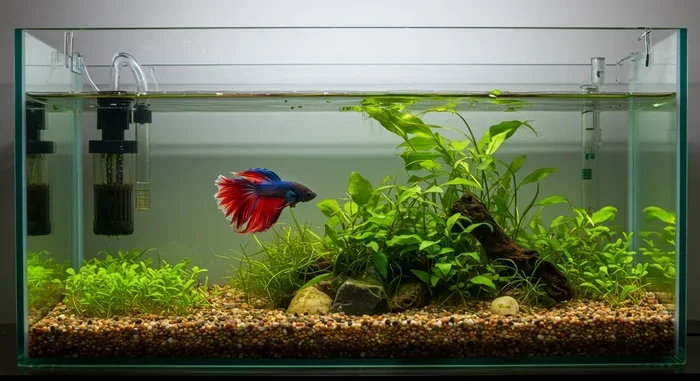
A bare bowl is not enough for a betta. Ideally, use a tank of at least 5 gallons with a gentle filter and a heater. A cycled tank maintains stable water parameters and reduces stress. Add plants and hiding spots to make your betta feel safe and comfortable.
Maintain a Consistent Cleaning Schedule
Do small water changes every week. Replace about 20 to 25 percent of the water with dechlorinated, temperature-matched water. Vacuum the gravel to remove debris and waste. Clean the glass with a soft sponge. These simple habits keep the tank environment healthy and reduce the risk of disease.
Monitor Water Parameters Regularly
Invest in a basic test kit. Check ammonia, nitrite, nitrate, and pH levels weekly. Ideal readings for bettas are: ammonia at 0 ppm, nitrite at 0 ppm, and nitrate below 20 ppm. pH should stay between 6.5 and 7.5. Catching problems early gives you time to fix them before they harm your fish.
Feed a Balanced Diet
Offer high-quality betta pellets as the staple food. Supplement with frozen or live bloodworms and brine shrimp for variety. Avoid overfeeding. A varied diet supports strong immunity and vibrant color. Remove any uneaten food within a few minutes to keep the water clean.
Reduce Stress Factors
Bettas get stressed by loud noises, bright lights, aggressive tank mates, and sudden changes in their environment. Keep the tank in a quiet area away from direct sunlight and drafts. Avoid tapping on the glass frequently. A calm, stable environment helps your betta stay healthy and live a longer life.
Key Takeaways
Learning how to know if a betta fish is dead is an important part of responsible fish ownership. Here are the main points to remember:
- A dead betta will not respond to stimuli, food, or tapping on the glass.
- Gills stop moving, the body becomes limp, and eyes may turn cloudy.
- Common causes of death include poor water quality, wrong temperature, overfeeding, disease, and old age.
- A sleeping betta can look like a dead one, so always test for a response before assuming the worst.
- Remove the body quickly, clean the tank, and test the water to protect other fish.
- Prevention through proper tank setup, regular maintenance, and good feeding habits is the best approach.
No one wants to experience the loss of a beloved pet fish. But knowing the signs, understanding the causes, and taking preventive action gives your betta the best chance at a long and healthy life. If you have ever dealt with this situation before, you know how painful it can be. Be gentle with yourself, learn from the experience, and keep enjoying the rewarding world of betta fish care.
Remember, every fish owner makes mistakes along the way. What matters is that you keep learning and improving. Your future fish will thank you for it. Stay patient, stay observant, and enjoy the peaceful beauty that a betta fish brings to your home.
Frequently Asked Questions
How do you know if a betta fish is dead?
A betta fish is likely dead if it shows no response to food, movement, or touch. Check for a lack of gill movement, limp body, and cloudy or sunken eyes. These signs combined strongly indicate that your betta has passed away.
Can a betta fish look dead but still be alive?
Yes, bettas can enter a state of lethargy or dormancy that mimics death, especially in cold water. A betta lying motionless at the bottom of the tank may simply be sleeping or experiencing temperature shock. Before assuming the worst, try gently tapping the tank or offering food to see if there is any response.
What are the clear signs that a betta fish has died?
Common signs include a completely still body, no breathing movement at the gills, loss of color, and a sinking or floating posture that does not change. The body may also become stiff or develop a white film over time. If your betta shows none of these vital signs, it has most likely died.
How can you tell if your betta fish is sleeping or dead?
A sleeping betta will still have slow gill movement and may react slightly to light or nearby movement. A dead betta will have no gill activity, no response to stimuli, and may rest at an unusual angle. Waiting a few minutes and observing closely will help you tell the difference with confidence.
What happens when a betta fish dies in a tank?
A dead betta will either float to the surface or sink to the bottom depending on how long it has been deceased and its buoyancy. The body may begin to discolor and develop a fuzzy appearance within hours if left in warm water. Removing the body promptly helps protect the water quality and the health of other fish in the tank.
Should you remove a dead betta fish from the tank immediately?
Yes, you should remove a dead betta as soon as you confirm it has passed away to prevent water contamination and ammonia spikes. A decaying body can quickly harm other tank inhabitants and degrade the overall water conditions. Use a small net or container to remove the fish and dispose of it properly.