How Often Should Betta Fish Water Be Changed
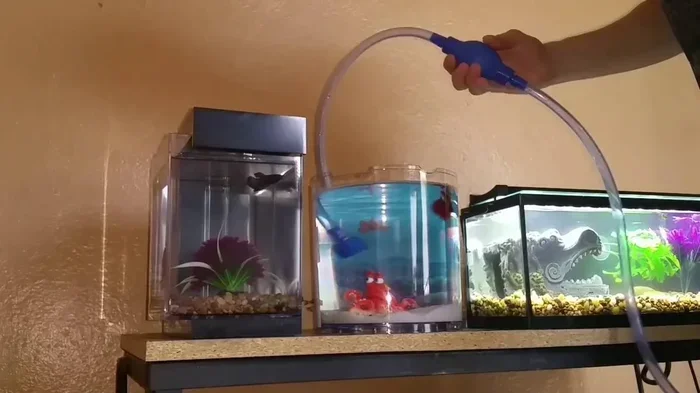
How often should betta fish water be changed? The answer depends on tank size, filter use, and stocking levels. A partial water change every 1 to 2 weeks keeps your betta fish healthy and happy. Without regular changes, harmful toxins build up fast and put your fish at serious risk.
Keeping your betta fish healthy starts with one simple habit: changing the water regularly. But how often should betta fish water be changed? The answer is not as straightforward as you might think. It depends on several factors, including your tank size, whether you use a filter, and how many fish live in the setup.
In this guide, we walk you through everything you need to know about betta fish tank maintenance. You will learn the ideal water change schedule, why it matters, and the common mistakes most beginners make. By the end, you will feel confident about keeping your betta’s environment clean and safe.
Key Takeaways
- Partial water changes every 1–2 weeks are the gold standard for most betta setups.
- Tank size matters — smaller bowls need more frequent changes than larger tanks.
- Always treat tap water with a conditioner before adding it to your tank.
- Watch for ammonia and nitrate spikes — they are the main reason water changes are essential.
- Avoid full water changes unless absolutely necessary, as they strip beneficial bacteria.
- Match the temperature of new water to your tank water to avoid stressing your betta.
📑 Table of Contents
- Why Water Changes Matter for Your Betta Fish
- How Often Should Betta Fish Water Be Changed
- The Right Way to Change Betta Fish Water
- Common Mistakes People Make With Water Changes
- Signs Your Betta Needs a Water Change Sooner
- Expert Tips for Maintaining Perfect Water Quality
- How Often Should Betta Fish Water Be Changed — Final Thoughts
Why Water Changes Matter for Your Betta Fish
Betta fish may be hardy, but they are not invincible. Dirty water is the number one killer of pet fish. When your betta swims around, it produces waste. uneaten food decays on the bottom. And all of that adds up to harmful chemicals in the water.
Here is what happens when you skip water changes:
- Ammonia builds up from fish waste and leftover food. Even tiny amounts can burn your betta’s gills.
- Nitrite levels spike as ammonia converts. This chemical starves your fish of oxygen.
- Nitrate accumulates over time. While less toxic, high nitrate causes stress and weakens the immune system.
- Water quality drops overall, making your betta sluggish, prone to disease, and less colorful.
Regular water changes remove these toxins before they reach dangerous levels. Think of it like taking out the trash — if you never do it, things get pretty gross pretty fast. Your betta fish habitat depends on clean water just like you depend on fresh air.
The Nitrogen Cycle and Your Betta
Every aquarium goes through the nitrogen cycle. Good bacteria break down ammonia into nitrite, and then nitrite into nitrate. This cycle is essential for a healthy tank. But here is the catch — the cycle only manages waste up to a point. Nitrate still builds up and needs to be removed through water changes. Without regular changes, the cycle gets overwhelmed and your fish suffer.
How Often Should Betta Fish Water Be Changed
The general rule for how often should betta fish water be changed is every one to two weeks. But this is just a starting point. Your specific schedule depends on a few key factors.
Water Change Frequency by Tank Size
Smaller tanks need more frequent changes because waste concentrates faster. Here is a simple breakdown:
| Tank Size | Recommended Water Change Frequency | Water Change Amount |
|---|---|---|
| 1–2 gallons (bowl) | Every 3–5 days | 50–70% per change |
| 3–5 gallons | Every 7–10 days | 30–50% per change |
| 5–10 gallons | Every 10–14 days | 20–30% per change |
| 10+ gallons | Every 14 days | 15–25% per change |
As you can see, a tiny betta bowl requires much more frequent maintenance. If you keep your betta in a small bowl, you need to be extra diligent. Many owners of small setups find that how often should betta fish water be changed becomes a weekly routine rather than a biweekly one.
How Filter Presence Changes the Schedule
If your tank has a filter, you can stretch the time between water changes. A good filter removes debris and hosts beneficial bacteria that break down toxins. However, filters do not eliminate the need for water changes. They simply reduce how often you need them. A filtered 5-gallon tank might only need a change every 10–14 days, while an unfiltered bowl of the same size may need one every 3–5 days.
Do You Have Other Fish?
Adding more fish increases waste production. If your betta shares a tank with other species, you will need to change the water more often. More fish means more ammonia, more nitrite, and more nitrate. Always monitor your water parameters closely when you add new tank mates.
The Right Way to Change Betta Fish Water
Changing water is not just about dumping old water and pouring in new water. There is a proper method that keeps your betta safe and stress-free. Follow these steps for the best results.
Step 1: Prepare the New Water
Never use tap water directly. It contains chlorine and chloramine that are deadly to fish. You need to treat it first. Use a quality tap water conditioner to neutralize these chemicals. Let the water sit for 15–20 minutes after treating it so it reaches room temperature. For more detailed guidance on this step, check out how to prepare water for a betta fish.
Step 2: Remove the Old Water
Use a gravel vacuum or a siphon to remove debris from the substrate while draining water. This is called a partial water change, and it is the best approach. You remove dirty water without disturbing the good bacteria living in your substrate and filter media.
Step 3: Add the New Water Slowly
Pour the treated water gently into the tank. Avoid disturbing your betta or the decorations too much. Make sure the new water matches the temperature of the existing tank water. Sudden temperature changes can shock your fish and lead to illness.
Step 4: Check Water Parameters
After the change, test your water with a liquid test kit. You want ammonia and nitrite at zero, and nitrate below 20 ppm. If levels are still high, you may need to change water more frequently or reduce feeding.
Common Mistakes People Make With Water Changes
Even experienced fish keepers make mistakes. Here are the most common errors when it comes to how often should betta fish water be changed and how to avoid them.
Doing a 100% Water Change
This is the biggest mistake new betta owners make. A full water change wipes out all the beneficial bacteria in your tank. These bacteria are essential for breaking down waste. Without them, your tank goes through a mini-cycle, and your betta can get sick or die. Always stick to partial changes of 20–50% depending on your setup.
Using Untreated Tap Water
Tap water contains chemicals that are harmful to fish. Some people think letting water sit overnight removes all the danger. While this removes chlorine, it does not remove chloramine. Always use a water conditioner every single time. For more on this topic, visit how to use tap water conditioner for betta fish.
Ignoring Water Temperature
Betta fish are tropical and need warm water. Adding cold water during a change can cause thermal shock. Always match temperatures as closely as possible. If you are unsure what temperature your tank should be at, read what temperature should water be for a betta fish for detailed guidance.
Changing Water Too Frequently
You might think more is better, but that is not true. Changing water too often can also strip beneficial bacteria and destabilize your tank. Stick to a consistent schedule and let the ecosystem do its job.
Forgetting to Vacuum the Substrate
Dirty gravel and substrate trap fish waste and decaying food. If you only swap water without vacuuming, you leave the source of pollution in place. Always use a gravel vacuum during your water changes to keep the bottom of the tank clean.
Signs Your Betta Needs a Water Change Sooner
Sometimes the schedule goes out the window. Life gets busy, and you might forget. Here are clear signs that your betta needs fresh water right away:
- Cloudy or murky water — this is the most obvious sign of poor water quality.
- Your betta is lethargic — spending most of the time at the bottom or lying on plants.
- Loss of color — a healthy betta should be vibrant. Fading color signals stress.
- Clamped fins — fins held close to the body indicate discomfort or illness.
- Frequent hiding — bettas that hide more than usual are often stressed by bad water.
- Gasping at the surface — this means oxygen levels are low, often due to high ammonia.
If you notice any of these signs, do a water change immediately. Test your water parameters afterward and adjust your schedule accordingly. For tips on saving your betta after a water change gone wrong, read how to save dying betta fish after water change.
Expert Tips for Maintaining Perfect Water Quality
Want to go above and beyond for your betta? Here are some pro tips that make a huge difference:
- Test your water weekly. A liquid test kit is far more accurate than test strips. Know your ammonia, nitrite, nitrate, and pH levels at all times.
- Do not overfeed your betta. Excess food decays and pollutes the water fast. Feed small amounts once or twice a day and remove any uneaten food within a few minutes.
- Keep a maintenance log. Write down when you do water changes, how much you change, and any parameter readings. This helps you spot patterns and adjust your routine.
- Use a gravel vacuum every time. It takes a few extra minutes but makes a massive difference in water quality.
- Clean your filter gently. Rinse filter media in old tank water, never tap water. This preserves the beneficial bacteria that keep your tank stable.
Consistency is the secret ingredient. Your betta thrives on routine and stable conditions. The better you stick to a regular water change schedule, the healthier and happier your fish will be. For more on overall betta care, explore how to take care of betta fish water for a complete care overview.
How Often Should Betta Fish Water Be Changed — Final Thoughts
The bottom line is simple: regular water changes keep your betta alive and thriving. Every 1 to 2 weeks is the standard for most setups, but smaller tanks and unfiltered bowls need more frequent attention. Always use treated water, match the temperature, and stick to partial changes. Avoid the common mistakes that undo all your hard work.
Your betta fish care routine should include water changes as a non-negotiable habit. Set a reminder on your phone, keep your supplies handy, and make it part of your weekly routine. Once you see how much more active and colorful your betta becomes, you will never skip a water change again.
Clean water is the foundation of a healthy aquarium. It is not complicated, and it does not take long once you get into the habit. Start today, stay consistent, and your betta will reward you with years of vibrant life and beautiful fin displays.