How Do I Know If My Betta Fish Is Dead
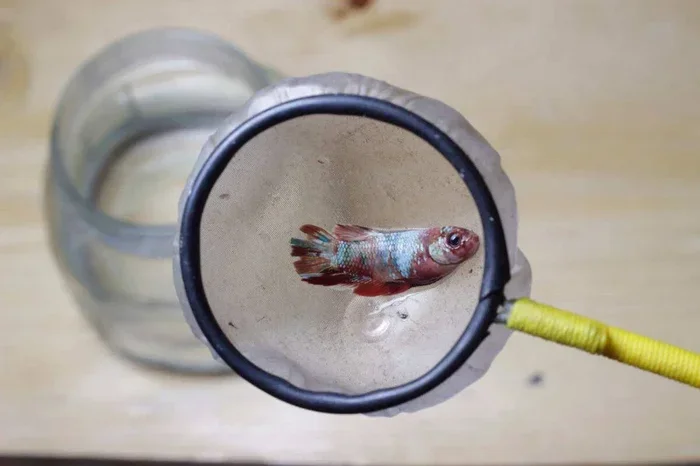
Knowing if your betta fish is dead can be hard because bettas often lie still or float when they are very sick. This guide shows you the clear signs to look for, from no movement and faded color to unresponsive gills. You will learn how to tell the difference between a dying betta and one that has already passed, plus what steps to take next.
How do I know if my betta fish is dead? It can be a scary moment when your colorful companion stops moving or seems unresponsive. Bettas are lively fish, so any sudden change in behavior can make you worry. This guide walks you through the clear signs that your betta has passed away, how to tell the difference between dying and dead, and what steps to take next. You will also learn common causes of death and how to protect your fish in the future.
Losing a pet fish is never easy. Many betta owners panic when their fish stops eating or stops swimming. The truth is that bettas show clear signs before they pass away. Understanding these signs helps you respond quickly and gives your fish the best chance of survival.
Whether you are a new betta owner or have cared for these fish for years, knowing the difference between a sick betta and a dead one matters. This article covers everything you need to look for, from body changes to tank conditions. By the end, you will feel more confident in reading your fish’s behavior.
Key Takeaways
- No movement or response is the most obvious sign that your betta fish has passed away.
- Faded color and cloudy eyes often appear after death and help confirm your suspicions.
- A betta fish acting dead may still be alive, so always check for breathing and gill movement first.
- Poor water quality is one of the leading causes of death in pet bettas.
- Quick action when you notice signs of illness can save your betta’s life.
- Proper tank maintenance and feeding habits go a long way in preventing early loss.
📑 Table of Contents
How Do I Know If My Betta Fish Is Dead: Key Signs to Watch For
The most important thing to do is stay calm and observe your fish carefully. A betta that has passed away shows specific physical and behavioral signs. Here is what to look for.
No Movement or Response
A dead betta fish will not move at all. If your fish stays completely still at the bottom of the tank or floats motionless for a long time, this is a warning sign. Try tapping the glass gently. A living betta will usually respond or swim away. If there is zero response, your fish may have passed away.
Also pay attention to the fins. A healthy betta moves its fins regularly. When a betta is dead, the fins will be completely still. Some owners mistake a very lethargic betta for a dead one, so always check for the smallest fin movement before drawing conclusions.
Eyes and Body Changes
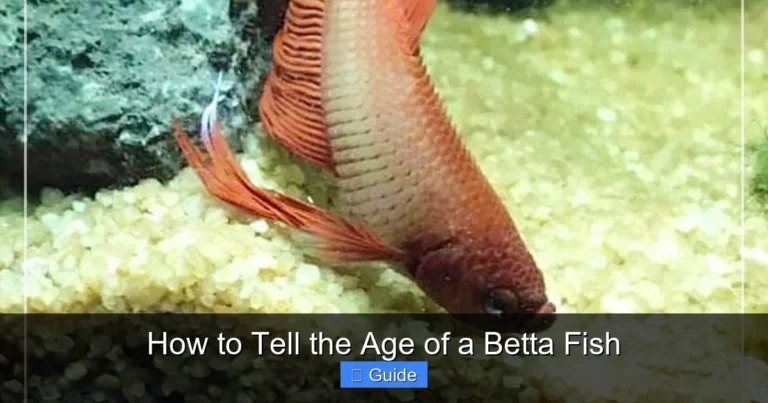
Check your betta’s eyes closely. Healthy bettas have bright, clear eyes. After death, the eyes often become cloudy or sunken. The body may also appear thinner or lose its firmness. A live betta should feel slightly firm when you observe it. A limp or floppy body is a strong indicator that something is wrong.
The body position matters too. A betta that is dead may lie on its side or rest flat on the substrate. A live betta that is resting may hover in place or tuck itself into a cave. Knowing your fish’s normal behavior helps you spot these changes early.
Loss of Color
Betta fish are known for their bright colors. When a betta dies, its colors fade quickly. The body may turn pale white or gray. This color loss happens because blood flow stops. If you notice a sudden and dramatic color change, check for other signs of death or serious illness.
Some bettas naturally fade in color when stressed. However, a dead betta will look washed out and lifeless. The difference between a stressed betta and a dead one is responsiveness. A stressed betta still reacts to its surroundings.
How to Tell If Your Betta Fish Is Dying vs. Dead
This is where many owners get confused. A betta fish that is dying may look very similar to one that has already passed. The key is to check for small signs of life.
Signs of a Dying Betta Fish
A dying betta may still show some movement. Watch for these signs:
- Slow or labored breathing near the surface
- Lying at the bottom but still slightly responsive
- Fins clamped close to the body
- Not eating but still aware of your presence
- Gills that still move slightly
If you notice any of these signs, your fish may still be alive. Knowing how do you know a betta fish is dying early can help you take action fast. The sooner you intervene, the better the chances of recovery.
The Difference Between Dying and Dead
A living betta, even a very sick one, will show some gill movement. The gills are how bettas breathe underwater. If the gills are completely still and the body is limp, the fish has likely passed away. A betta that is truly dead will not respond to food, light, or touch.
Sometimes a betta plays dead to trick predators. This behavior is natural but can worry owners. Why is my betta fish acting dead is a common question, and the answer is often that the fish is stressed or trying to protect itself. Always give your fish a few minutes of quiet observation before assuming the worst.
Common Causes of Death in Betta Fish
Understanding why bettas die helps you prevent it from happening. Most causes are tied to tank conditions or care habits. Let us look at the most common ones.
Poor Water Conditions
Dirty tank water is the number one killer of betta fish. Ammonia and nitrite levels can rise quickly in small bowls or tanks. These toxins damage the gills and organs over time. Regular water changes and proper filtration keep the water safe.
If you are not sure how to test your water, learning how to clean your betta fish tank is a great first step. Aim to change 25 to 30 percent of the water every week. Use a water conditioner to remove chlorine and chloramine before adding new water to the tank.
Overfeeding and Digestive Issues
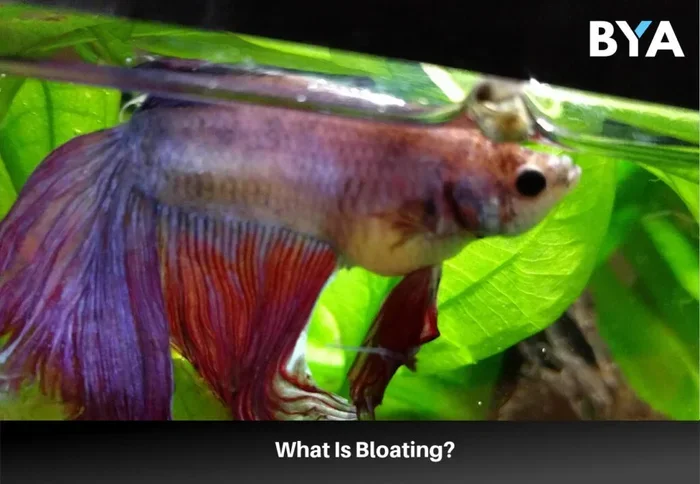
Overfeeding is a very common mistake. Bettas have small stomachs, and too much food causes bloating, constipation, and swim bladder problems. These issues can become fatal if not addressed. Many owners love their fish too much and give too many treats.
If your betta has stopped eating, check out what to do if my betta fish won’t eat for helpful tips. Feed small amounts twice a day and skip one day each week to let the digestive system rest. A healthy feeding routine is one of the simplest ways to extend your betta’s lifespan.
Disease and Infections
Bettas are prone to several common diseases. Fin rot, ich, and fungal infections can all be deadly if left untreated. Watch for white spots, torn fins, or unusual growths on the body. Early treatment with the right medication can save your fish’s life.
Other health problems include velvet disease and bacterial infections. These often start when water quality drops. Keeping the tank clean and monitoring water parameters regularly helps prevent most diseases. A healthy betta in a clean tank is far less likely to develop serious illness.
What to Do When You Suspect Your Betta Fish Has Died
If you believe your betta has passed away, there are a few steps you should take right away. Acting quickly protects the rest of your tank.
Confirm the Signs
Before you assume the worst, double-check everything. Look for gill movement, response to light, and fin movement. Sometimes a very weak betta can be nearly motionless but still alive. Give it a few minutes of quiet observation. Turn off the tank light and watch for any subtle movement.
If you are still unsure, gently place a small piece of food near the betta’s mouth. A living betta may show interest even if it is too weak to swim. A dead betta will not react at all.
Steps to Take After Loss
If you are certain your betta has died, here is what to do:
- Remove the body from the tank immediately to prevent water contamination.
- Check the water parameters for ammonia spikes.
- Look at other fish in the tank for signs of illness.
- Consider a water change of 50 percent as a precaution.
- Take time to grieve and reflect on the care you provided.
Losing a pet is never easy. Be gentle with yourself during this time. Many betta owners form strong bonds with their fish, and it is okay to feel sad.
Preventing Future Loss and Keeping Your Betta Healthy
The best way to deal with a dead betta is to prevent it from happening in the first place. Good care habits make a huge difference in your betta fish health and lifespan.
Proper Tank Maintenance
Keep your betta’s tank clean and stable. Use a heater to maintain a temperature between 78 and 80 degrees Fahrenheit. Bettas are tropical fish and need warm water to thrive. A filter helps remove toxins, but make sure the current is not too strong, as bettas prefer gentle flow.
Test the water regularly with a liquid test kit. Ammonia and nitrite should always read zero. Nitrate should stay below 20 parts per million. Stable water parameters are the foundation of a healthy betta fish tank and a happy fish.
Feeding Best Practices
Feed high-quality betta pellets or frozen foods. Avoid overfeeding by giving only what your fish can eat in two minutes. A varied diet keeps your betta healthy and colorful. Include bloodworms, brine shrimp, or daphnia as treats a few times a week.
Pay attention to your betta’s appetite. A sudden loss of appetite can be an early warning sign. If your fish skips more than two meals, check the water quality and look for other symptoms of illness.
Monitoring Behavior Daily
Spend a few minutes each day watching your betta. Notice changes in swimming patterns, appetite, and energy levels. Catching problems early gives you the best chance to help your fish recover. The more you know your fish, the easier it is to spot when something is wrong.
A happy betta fish is active, colorful, and curious. If your fish suddenly becomes hiding or lethargic, do not ignore it. Small changes in care can make a big difference. Your attention and care are the most powerful tools you have.
When to Seek Help for a Sick Betta Fish
If your betta is showing signs of illness but is still alive, do not wait. Early intervention saves lives. Look for a vet who specializes in fish or consult experienced aquarists online. Many common betta diseases are treatable if you act quickly.
Remember that a betta fish is dead when there is no response, no gill movement, and no sign of life after careful observation. But if your fish is still breathing, there is always hope. Take action, improve the tank conditions, and give your betta the best fighting chance. Your care and attention matter more than you think.
Every betta owner wants their fish to live a long and healthy life. By learning the signs of death, understanding the causes, and taking preventive steps, you are giving your betta the best possible care. Trust your instincts, watch your fish closely, and never hesitate to seek help when something seems wrong.
Frequently Asked Questions
How long does it take for a betta fish to die?
The timeline varies depending on the cause. Poor water conditions can lead to death within days, while disease may take weeks. If your betta shows signs of distress, act quickly to improve conditions and seek advice.
Can a betta fish be dead and still floating?
Yes, a dead betta often floats because gases build up in the body. However, a live betta can also float due to swim bladder issues. Check for gill movement and response to confirm whether the fish is truly dead.
What do I do if my betta fish is dead?
Remove the body from the tank right away to protect water quality. Check the water parameters and perform a partial water change. Take time to process your loss and review your care routine to prevent future issues.
How can you tell if a betta fish is dead or just sleeping?
A sleeping betta will still respond to light or food. A dead betta shows no response at all. Look for gill movement and fin twitches. If you are unsure, wait a few minutes and observe more carefully.
Do betta fish float when they are dead?
Many dead bettas float due to gas buildup, but not all of them do. Some sink to the bottom first. If your betta is floating and unresponsive, check for other signs of death such as cloudy eyes and faded color.
What are the first signs that a betta fish is dying?
The first signs include not eating, lying at the bottom, clamped fins, and labored breathing. These symptoms often appear before death. If you notice these signs, test your water and consider treatment options right away.
=== CONCLUSION ===
Learning to recognize the signs that your betta fish has passed away is an important part of fish ownership. From checking for no movement and faded color to understanding the difference between dying and dead, you now have the tools to respond with confidence. The most important thing you can do is act quickly and provide the best care possible every day.
Keep your tank clean, feed properly, and watch your fish closely. These simple habits go a long way in keeping your betta healthy and happy for years to come. Your betta depends on you for its well-being, and your attention makes all the difference. Now that you know how to tell if your betta fish is dead, you are better prepared to be the best owner your fish can have.