How Many Times Do You Feed a Baby Betta Fish
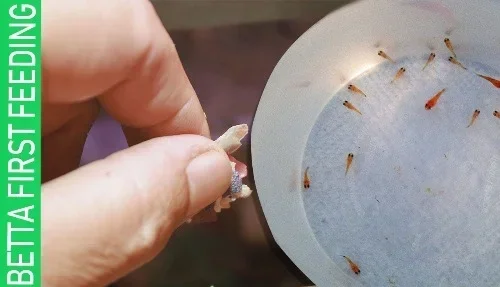
You should feed a baby betta fish 3 to 5 times a day in tiny amounts. Baby bettas need frequent, small meals to support their rapid growth and high energy needs. This guide covers the feeding schedule, best foods, and common mistakes to avoid.
Bringing home a baby betta fish is exciting. Those tiny fins and bright colors are absolutely adorable. But one of the biggest questions new betta owners face is how many times do you feed a baby betta fish. The answer might surprise you. Baby bettas need to eat much more often than adult bettas. Their little bodies are growing fast, and they burn energy quickly.
Feeding a baby betta the right way sets the foundation for a long, healthy life. Get this part wrong, and your fry could face serious health problems. In this guide, we walk you through everything you need to know about feeding baby betta fish. We cover how often to feed, what to feed, portion sizes, and the mistakes most beginners make.
Key Takeaways
- Feed 3 to 5 times daily: Baby bettas need frequent small meals throughout the day.
- Portion size matters: Each meal should be tiny — no bigger than what fits on a pinhead.
- Use the right food: Baby brine shrimp, crushed pellets, and specialized fry food work best.
- Watch for overfeeding: Uneaten food ruins water quality fast in a small fry tank.
- Maintain water quality: Frequent feeding means you need regular water changes too.
- Adjust as they grow: Reduce feeding frequency as your betta matures past the fry stage.
📑 Table of Contents
- Why Baby Betta Fish Need Frequent Meals
- How Many Times a Day Should You Feed a Baby Betta Fish
- What to Feed Your Baby Betta Fish
- How Much Should You Feed a Baby Betta Fish
- Best Feeding Practices for Baby Betta Fish
- Common Mistakes When Feeding Baby Betta Fish
- How Feeding Changes as Your Betta Grows
- Quick Tips for Feeding Baby Betta Fish
- Final Thoughts on Feeding Baby Betta Fish
Why Baby Betta Fish Need Frequent Meals
Baby betta fish, also called betta fry, have very fast metabolisms. Their tiny stomachs can only hold small amounts of food at a time. This means they need to eat often throughout the day. An adult betta can go a full day between meals. A baby betta cannot.
During the first few weeks of life, betta fry are growing at an incredible rate. Every meal fuels that growth. Without enough nutrition, their development slows down. They may become weak or prone to illness.
Feeding frequency is not just about hunger. It is about matching their natural eating patterns. In the wild, betta fry would graze on tiny organisms all day long. Replicating that pattern in a home tank is the goal.
Understanding Baby Betta Nutritional Needs
Baby bettas need a diet rich in protein and fat. Their bodies are building muscle, organs, and fins every single day. The best baby betta food includes:
- Baby brine shrimp — the gold standard for betta fry
- Crushed betta pellets — easy to digest in small pieces
- Micro worms — another excellent live food option
- Specialized fry food — commercially available and nutrient-dense
- Infusoria — natural microorganisms found in planted tanks
Avoid adult betta food pellets. They are too large and hard for baby mouths. Always crush or grind any food to a very fine consistency before offering it to fry.
How Many Times a Day Should You Feed a Baby Betta Fish
The short answer is 3 to 5 times a day. But the exact number depends on the age of your baby betta. Let us break it down by age group.
| Age | Feeding Frequency | Portion Size |
|---|---|---|
| 0–1 week old | 5 times per day | Pinhead-sized amount |
| 1–2 weeks old | 4 times per day | Tiny crushed flakes or pellets |
| 2–4 weeks old | 3–4 times per day | Small portion, fully consumed in 2 minutes |
| 4–8 weeks old | 3 times per day | Slightly larger, but still very small |
| 8+ weeks old | 2 times per day | Gradually transition to adult portions |
These numbers are guidelines. Watch your fry closely. If they still seem hungry after a feeding, you can add a tiny extra portion. If food sits uneaten for more than a few minutes, you are giving too much.
Consistency matters a lot. Try to feed your baby betta at the same times each day. This helps regulate their metabolism and keeps their digestion on track. Many experienced breeders feed their fry early morning, midday, late afternoon, and evening.
What to Feed Your Baby Betta Fish
Choosing the right food for baby betta fish is critical. Their digestive systems are still developing. The wrong food can cause blockages or malnutrition. Here is a closer look at the best options.
Baby Brine Shrimp
Baby brine shrimp are the number one food for betta fry. They are tiny, nutritious, and packed with protein. You can hatch your own brine shrimp at home using a simple hatchery. Many breeders swear by this as the best betta fry food available.
If you buy frozen or live baby brine shrimp, make sure they are truly “baby” size. Adult brine shrimp are too large for newborn fry.
Crushed Betta Pellets
As your fry grow past the first week, you can start introducing crushed pellets. Take a regular betta pellet and crush it into a fine powder. The particles should be small enough for a baby betta to swallow easily.
Some pellet brands make micro pellets specifically for small fish. These work great for betta fry and save you the hassle of crushing.
Micro Worms
Micro worms are another fantastic option. They are easy to culture at home and provide a live food source that baby bettas love. Simply place a small culture in the tank and let the fry graze on them throughout the day.
Commercial Fry Food
Several brands make specialized fry food for tropical fish. Look for products high in protein and designed for small-mouthed fish. These are convenient and nutritionally balanced. They make a great staple alongside live or frozen foods.
How Much Should You Feed a Baby Betta Fish
Portion control is just as important as feeding frequency. Baby bettas have tiny stomachs — roughly the size of their eye. This means even small amounts add up quickly.
A good rule of thumb is to offer only what your fry can eat within two minutes. If there is leftover food after that time, you have given too much. Remove uneaten food immediately to protect your water quality.
Overfeeding baby bettas is one of the most common mistakes new owners make. Excess food decomposes in the water, releasing ammonia. In a small fry tank, even a slight ammonia spike can be deadly. Always err on the side of feeding less rather than more.
Signs You Are Overfeeding
- Food particles floating on the water surface
- Cloudy or smelly water within hours of feeding
- Betta fry refusing food at the next scheduled meal
- Visible waste or uneaten food on the tank bottom
- Fry appearing bloated or lethargic
If you notice any of these signs, reduce the portion size and increase the frequency of water changes. Clean water is just as important as proper food for baby bettas.
Best Feeding Practices for Baby Betta Fish
How you feed is just as important as what and when you feed. Here are some proven practices that make a real difference.
Feed in a Calm Environment
Baby bettas get stressed easily. Loud noises, sudden movements, and bright lights near the tank can make them nervous. Turn off the tank light and keep the room quiet during feeding time. This helps your fry feel safe enough to eat.
Use a Dropper or Syringe
For very young fry, a dropper or syringe gives you precise control over portion size. You can release food slowly right where the fry are swimming. This prevents food from floating away and wasting.
Vary the Diet
Just like adult bettas, baby bettas thrive on a varied diet. Rotate between baby brine shrimp, crushed pellets, and micro worms throughout the week. This ensures they get a wide range of nutrients. A varied diet also makes feeding time more exciting for your fry.
Feed at the Same Spot Each Time
Baby bettas do best with routine. Pick a spot in the tank where you always drop the food. Over time, your fry will learn to gather there at feeding time. This makes it easier for you to observe them and ensure everyone is eating.
Remove Uneaten Food Promptly
Use a small turkey baster or airline tubing to suck up any uneaten food after each feeding session. Clean water is essential for baby betta health. The more uneaten food you remove, the safer your fry will be.
Common Mistakes When Feeding Baby Betta Fish
Even experienced fish keepers make mistakes with baby bettas. Here are the most common errors and how to avoid them.
Feeding Too Much at Once
This is the biggest mistake. A full stomach is not a healthy stomach for a baby betta. Their digestive system cannot handle large meals. Stick to tiny portions and feed more frequently instead.
Skipping Feedings
Some owners think it is better to give one big meal rather than several small ones. This is wrong. Baby bettas need the steady supply of nutrients. Skipping a meal can slow their growth and weaken their immune system.
Using the Wrong Food Size
Regular-sized flakes or pellets will not work for baby bettas. The food must be small enough for them to swallow without effort. Always crush, grind, or choose fry-specific food.
Neglecting Water Quality
Feeding five times a day means waste builds up fast. If you are not doing frequent water changes, your fry tank will become toxic quickly. Aim for a 20–30 percent water change every other day at minimum.
Not Watching the Fry During Feeding
Always observe your baby bettas while they eat. This lets you spot problems early. Are all the fry eating? Is anyone getting pushed away by faster siblings? Are they showing interest in the food? Feeding time is also observation time.
How Feeding Changes as Your Betta Grows
Your baby betta will not need the same feeding schedule forever. As they grow, their stomach capacity increases and their metabolism slows. Here is how to transition their feeding routine over time.
At around 8 weeks old, you can start reducing feedings to twice a day. By 12 weeks, most bettas are ready for an adult feeding schedule. This typically means 2 meals per day with slightly larger portions.
The transition should be gradual. Drop one feeding session every week or two. Watch your betta for signs of hunger or contentment. A healthy, well-fed betta will have a good appetite and steady energy levels throughout the day.
When your betta reaches adulthood, you can also introduce a wider variety of foods. Frozen bloodworms, daphnia, and high-quality pellets become great additions. But for the first weeks of life, keep it simple and frequent.
Quick Tips for Feeding Baby Betta Fish
- Feed 3 to 5 times daily for the first month of life.
- Use a dropper or syringe for precise portion control.
- Crush all food to a fine powder for newborns.
- Remove uneaten food within 5 minutes of feeding.
- Do 20–30 percent water changes every other day.
- Keep the room quiet and dim during feeding time.
- Rotate food types throughout the week for balanced nutrition.
- Watch your fry closely during each feeding session.
Final Thoughts on Feeding Baby Betta Fish
How many times do you feed a baby betta fish is one of the most important questions for any new betta owner. The answer — 3 to 5 times a day in tiny portions — is simple once you understand why. Baby bettas grow fast, burn energy quickly, and have stomachs the size of a pinhead. Frequent, small meals are the key to raising strong, healthy fry.
Combine the right feeding frequency with high-quality food, clean water, and a calm environment. You will give your baby betta the best possible start in life. And that is exactly what every betta lover wants.
Remember, feeding baby betta fish is both an art and a science. Watch your fry closely. Adjust as needed. And do not be afraid to make changes if something is not working. Every batch of fry is different, and flexibility is your greatest tool.
With the knowledge you now have, you are well-equipped to raise healthy baby bettas from day one. Stick to the schedule, keep the water clean, and enjoy watching those tiny fins grow. The effort you put into feeding now pays off for years to come.
For more information on caring for your betta at every life stage, check out our guide on how to care for a betta fish. You will find valuable tips on tank setup, water parameters, and overall betta fish health that complement your feeding routine perfectly.
Frequently Asked Questions
How many times a day should I feed my baby betta fish?
You should feed a baby betta fish 3 to 5 times a day, depending on their age. Newborn fry need up to 5 feedings daily, while older fry can be reduced to 3. Always offer tiny portions that they can finish within two minutes.
What is the best food for baby betta fish?
The best food for baby bettas includes baby brine shrimp, crushed betta pellets, micro worms, and specialized fry food. These options are small enough for tiny mouths and packed with the protein and fat that growing fry need.
Can you overfeed a baby betta fish?
Yes, overfeeding is very easy and very dangerous for baby bettas. Uneaten food decays quickly in a small fry tank, releasing ammonia that can harm or kill your fish. Always feed small amounts and remove any leftovers immediately.
When can I switch my baby betta to adult food?
You can start transitioning to adult food around 8 to 12 weeks old. Gradually reduce feeding frequency from 3–5 times a day to 2 times a day. Slowly introduce larger food pieces as their mouth and digestive system grow.
How much food should I give a baby betta fish at each feeding?
Each meal should be no bigger than what fits on the tip of a pin. The goal is for all the food to be consumed within two minutes. If food remains after that time, you have given too much.
Do baby betta fish need live food?
Live food is highly recommended for baby bettas but not strictly required. Baby brine shrimp, micro worms, and infusoria are excellent live options. You can also use high-quality frozen or commercial fry food as a substitute.