How Many Springtails to Feed a Betta Fish
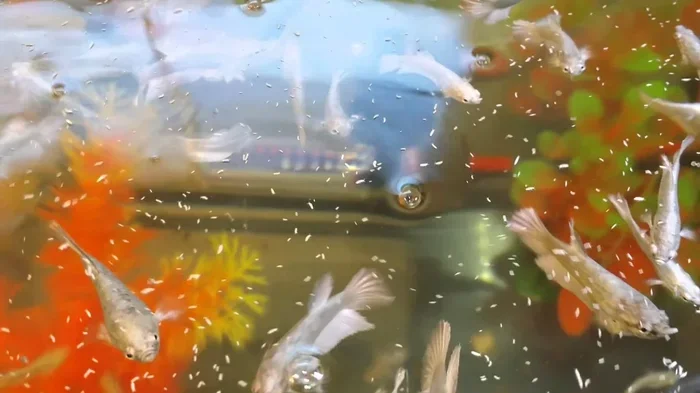
Feeding springtails to your betta fish is a great way to add variety and protein to their diet. The right amount depends on your fish’s size, age, and appetite, but most bettas thrive on 3 to 5 springtails per feeding session. This guide covers everything you need to know about portion sizes, feeding frequency, and keeping your betta healthy with this natural live food.
Key Takeaways
- Portion Size Matters: Feed your betta 3 to 5 springtails per meal for proper nutrition without overfeeding.
- Feeding Frequency: Offer springtails as a treat 2 to 3 times per week alongside a regular betta diet.
- Size of Springtails: Choose small, newly hatched springtails for younger or smaller bettas to avoid choking hazards.
- Nutritional Benefits: Springtails are rich in protein and amino acids that support vibrant colors and healthy growth.
- Avoid Overfeeding: Too many springtails can lead to digestive issues and dirty tank water, so stick to recommended amounts.
- Source Quality Springtails: Always culture or purchase springtails from a trusted source to avoid parasites or pesticides.
📑 Table of Contents
- How Many Springtails to Feed a Betta Fish
- How Many Springtails Per Feeding
- How to Feed Springtails to Your Betta
- Benefits of Feeding Springtails to Bettas
- Common Mistakes When Feeding Springtails
- How Springtails Compare to Other Betta Foods
- Setting Up a Springtail Culture for Your Betta
- Signs Your Betta Is Getting the Right Amount of Springtails
- Final Thoughts
How Many Springtails to Feed a Betta Fish
If you own a betta fish, you probably want to give them the best food possible. Springtails are a popular live food choice among betta keepers. They are tiny, nutrient-rich, and most bettas love hunting them down. But the big question is: how many springtails should you actually feed your betta?
The answer depends on a few factors. Your betta’s size, age, and current diet all play a role. In most cases, 3 to 5 springtails per feeding session is the sweet spot. Too few, and your fish won’t get enough nutrition. Too many, and you risk overfeeding, which can cause serious health problems.
This guide breaks down everything you need to know about feeding springtails to betta fish. We will cover portion sizes, how often to feed them, and how springtails fit into a balanced betta diet. By the end, you will feel confident about adding this natural treat to your fish’s meals.
What Are Springtails?
Springtails are tiny arthropods that measure about 1 to 5 millimeters long. They get their name from a spring-like tail-like structure that launches them into the air when threatened. In the wild, they live in damp soil, leaf litter, and forest floors. They are not actual insects, even though many people think they are.
For betta fish owners, springtails make an excellent live food option. They are packed with protein and healthy fats. Many breeders use them to condition bettas before spawning. They are also a great alternative to frozen or dried foods that lack the same nutritional punch.
Nutritional Value of Springtails
Springtails are not just a fun treat for your betta. They offer real nutritional benefits. Here is what makes them a good addition to your betta’s diet:
- High Protein Content: Springtails contain around 30 to 50 percent protein, depending on the species and what they have been feeding on. Protein is essential for betta fish because they are carnivorous by nature.
- Amino Acids: These tiny creatures provide essential amino acids that support muscle growth and vibrant color development.
- Healthy Fats: Springtails contain omega fatty acids that promote healthy fins and skin.
- Low Fat: Unlike some other live foods, springtails are relatively low in fat, which helps prevent obesity in bettas.
When you compare springtails to other live foods, they hold their own quite well. Brine shrimp and daphnia are common alternatives, but springtails offer a unique texture and movement that triggers a betta’s natural hunting instinct. This makes feeding time more engaging and mentally stimulating for your fish.
How Many Springtails Per Feeding
The number of springtails you should feed depends on several factors. There is no one-size-fits-all answer, but we can give you solid guidelines based on experience and expert advice.
Feeding Amounts by Betta Size
The size of your betta fish matters a lot when determining portion size. Here is a simple breakdown:
- Small bettas (under 2 inches): Feed 2 to 3 springtails per meal. Their tiny stomachs can only handle a small amount at once.
- Medium bettas (2 to 3 inches): Feed 3 to 5 springtails per meal. This is the standard range for most adult bettas.
- Large bettas (over 3 inches): Feed 5 to 7 springtails per meal. Larger fish can handle a bigger portion, but still do not overdo it.
Remember that springtails are small creatures. They are not the same size as pellets or flakes. Your betta will likely eat several in one sitting, so do not be alarmed if you drop in what looks like a lot. The key is to watch your fish and adjust accordingly.
Feeding Frequency Guidelines
Springtails should not replace your betta’s main diet. Instead, they work best as a supplement or treat. Here is how often you should offer them:
- 2 to 3 times per week: This is the ideal frequency for most bettas. It provides variety without disrupting their regular feeding routine.
- Once per week for younger bettas: Baby bettas have sensitive digestive systems. Start with once a week and see how they respond.
- Daily feeding (small amounts only): Some experienced keepers offer a few springtails daily alongside pellets. This works only if you are careful about total food volume.
If you are unsure about your betta’s regular feeding schedule, check out our guide on how often to feed a betta fish for more detailed advice on building a consistent routine.
How to Feed Springtails to Your Betta
Feeding springtails to your betta is simple, but there are a few tips that make the process smoother and safer for your fish.
Step-by-Step Feeding Process
- Harvest or purchase springtails: If you culture your own springtails, use a small brush or cotton swab to transfer them. If you buy them, make sure they are alive and healthy.
- Use a small container: Tap the springtails into a small cup or bowl near the tank. This keeps them contained and prevents them from jumping away.
- Release near your betta: Gently drop the springtails near your betta’s mouth. The movement will trigger their hunting instinct.
- Watch your betta eat: Observe how quickly and eagerly your fish eats. If they ignore the springtails, they may not be hungry enough or may not like them.
- Remove uneaten springtails: Any springtails left after 5 to 10 minutes should be removed. They can multiply in the tank and affect water quality.
Quick Tips for Success
- Turn off the filter briefly: A strong filter current can scatter the springtails before your betta finds them. Turn it off for a minute or two during feeding.
- Feed during daylight hours: Bettas are more active and alert during the day, making them better hunters.
- Do not overfeed: Even though springtails are small, uneaten ones can decompose and raise ammonia levels in the tank.
- Vary the diet: Springtails work best as part of a varied diet. Rotate them with other live or frozen foods for the best results.
For more tips on feeding your betta in general, take a look at our article on how to feed my betta fish. It covers the basics of building a feeding routine that keeps your fish happy and healthy.
Benefits of Feeding Springtails to Bettas
Adding springtails to your betta’s diet offers several advantages beyond just nutrition. Here is why many betta keepers swear by them:
1. Natural Hunting Behavior
Bettas are instinctive hunters. In the wild, they chase and catch small prey constantly. Springtails move in a way that triggers this natural behavior. Watching your betta hunt springtails is not only entertaining but also provides mental stimulation. A stimulated betta is a happier and healthier betta.
2. Improved Coloration
The protein and nutrients in springtails can enhance your betta’s natural colors. Many breeders use live foods like springtails to bring out vibrant blues, reds, and greens in their fish. If your betta looks a bit dull, adding springtails to the diet might help brighten things up.
3. Better Digestion
Live foods are easier for bettas to digest compared to processed flakes or pellets. Springtails have a soft exoskeleton that breaks down easily in the gut. This can reduce bloating and constipation, which are common issues in bettas fed a diet heavy in dried foods.
4. Great for Conditioning
If you are planning to breed your bettas, springtails are an excellent conditioning food. They help condition both male and female fish for spawning. The high protein content supports energy and reproductive health.
Common Mistakes When Feeding Springtails
Even though springtails are a great food choice, mistakes can happen. Here are the most common ones to avoid:
Overfeeding
This is the number one mistake new betta owners make. It is easy to think that more food equals a healthier fish. But overfeeding can lead to obesity, swim bladder issues, and poor water quality. Stick to the recommended 3 to 5 springtails per feeding and resist the urge to add more.
Using the Wrong Size Springtails
Not all springtails are the same size. Some species grow larger than others. If you are feeding a small or young betta, make sure the springtails are tiny enough for them to eat comfortably. Large springtails can be a choking hazard or simply ignored by smaller fish.
Skipping Water Changes After Feeding
Uneaten springtails will eventually die and decompose in the tank. This releases ammonia, which is toxic to bettas. Always remove any leftover springtails after feeding and keep up with regular water changes. Clean water is just as important as good food for your betta’s health.
Relying Solely on Springtails
Springtails are a supplement, not a complete diet. Bettas need a balanced mix of proteins, vitamins, and minerals. If you only feed springtails, your betta will miss out on essential nutrients found in quality pellets or flakes. Use springtails as a treat alongside a staple diet.
Want to learn more about proper betta nutrition? Check out our guide on what to feed a betta fish for a complete overview of the best foods for your fish.
How Springtails Compare to Other Betta Foods
Springtails are just one option among many live and prepared foods for bettas. Here is how they stack up against some common alternatives:
| Food Type | Protein Content | Ease of Feeding | Best For |
|---|---|---|---|
| Springtails | 30-50% | Moderate | Live food enrichment and conditioning |
| Brine Shrimp | 55-60% | Easy | Daily protein boost |
| Daphnia | 50-60% | Easy | Digestive health and variety |
| Bloodworms | 50-65% | Easy | Occasional treat and color enhancement |
| Betta Pellets | 30-40% | Very Easy | Staple daily diet |
| Flakes | 25-35% | Very Easy | Budget-friendly daily feeding |
As you can see, springtails offer a good balance of protein and ease of use. They are not the highest in protein compared to brine shrimp, but they provide something those foods do not: natural movement that engages your betta’s hunting instincts. A varied diet that includes springtails alongside pellets and other live foods will give your betta the best of both worlds.
If you are away from home and need to plan ahead, you might wonder how to handle feeding while you are gone. Our article on how to feed betta fish while away has helpful strategies for keeping your fish fed during trips and vacations.
Setting Up a Springtail Culture for Your Betta
One of the best things about springtails is that you can culture them at home. A springtail culture is inexpensive to set up and provides a steady supply of live food for your betta. Here is how to get started:
- Container: Use a plastic bin or jar with a lid. Make sure it has small ventilation holes.
- Culture Medium: Fill the container with activated charcoal, coconut fiber, or a mix of both. This serves as the bedding and food source for the springtails.
- Springtail Starter: Purchase a starter culture online or from a local fish store. White springtails (Folsomia candida) are the most common and easiest to maintain.
- Moisture Level: Keep the culture moist but not soaking wet. Springtails need humidity to survive and reproduce.
- Feeding the Culture: Add a small piece of fish food or yeast every few days to feed the springtails. They will multiply rapidly on their own.
Within a few weeks, your culture will grow enough that you can harvest springtails for your betta regularly. This saves money and ensures you always have a fresh, healthy food source available.
Signs Your Betta Is Getting the Right Amount of Springtails
How do you know if the amount of springtails you are feeding is correct? Watch for these positive signs:
- Active hunting behavior: Your betta eagerly chases and eats the springtails during feeding time.
- Healthy appetite: Your fish finishes the springtails within a few minutes and shows interest in their regular food afterward.
- Vibrant colors: The proteins and nutrients in springtails contribute to brighter, more vivid coloration over time.
- Good energy levels: Your betta swims actively and explores the tank without signs of lethargy.
- Clean tank water: No excess food left behind means your water parameters stay stable and healthy.
If you notice your betta refusing springtails or showing signs of bloating after eating them, reduce the amount or frequency. Every fish is different, and some bettas take time to adjust to new foods. Patience is key.
It is also worth noting that springtails should never be the sole food source. They work best as part of a balanced betta diet that includes high-quality pellets, occasional frozen foods, and the occasional live treat. For a deeper look at portion control and feeding amounts, read our article on how much to feed a betta fish.
Final Thoughts
Feeding springtails to your betta fish is one of the best ways to enrich their diet and bring out their natural behaviors. The recommended amount is 3 to 5 springtails per feeding, offered 2 to 3 times per week. This provides the perfect balance of nutrition, variety, and enrichment without the risks of overfeeding.
Remember to source your springtails from a clean, reliable culture. Avoid wild-caught springtails that may carry pesticides or parasites. Always remove uneaten springtails after feeding, and use them as a supplement alongside a staple diet of quality pellets or flakes.
Your betta fish deserves the best. Adding springtails to their feeding routine is a simple yet effective way to boost their health, color, and overall quality of life. Start small, observe your fish, and adjust as needed. With the right approach, springtails can become a favorite part of your betta’s weekly menu.
Frequently Asked Questions
Can I feed springtails to my betta fish every day?
Feeding springtails every day is not recommended. They should be offered as a treat 2 to 3 times per week. Daily feeding can lead to overfeeding and nutritional imbalance. Stick to a schedule that complements your betta’s regular pellet or flake meals.
Are springtails better than brine shrimp for bettas?
Both are excellent live foods, but they serve different purposes. Springtails are great for enrichment and natural hunting behavior. Brine shrimp have a slightly higher protein content. The best approach is to rotate both into your betta’s diet for maximum variety and nutrition.
Where can I buy springtails for my betta fish?
You can purchase springtail cultures online from reptile and fish supply shops. Many aquarium hobbyists also sell starter cultures on forums and marketplaces. You can also culture them yourself at home using a simple container, charcoal, and a starter colony.
Can baby betta fish eat springtails?
Yes, but only very small springtails. Baby bettas have tiny mouths and sensitive digestive systems. Offer 1 to 2 small springtails per feeding and observe how they respond. If the springtails are too large, your fry may ignore them entirely.
Do springtails reproduce in the aquarium?
If any springtails survive in the tank, they can potentially reproduce in moist areas. However, most aquariums do not provide the right conditions for springtail colonies to thrive. Any uneaten springtails should be removed after feeding to prevent them from impacting water quality.
How do I know if my betta likes springtails?
A betta that enjoys springtails will eagerly hunt them down as soon as they hit the water. You will notice quick, decisive movements toward the prey. If your betta ignores them or seems disinterested, try offering springtails when your fish is slightly hungrier, or switch to a different live food instead.