How Many Pellets Should You Feed Your Betta Fish
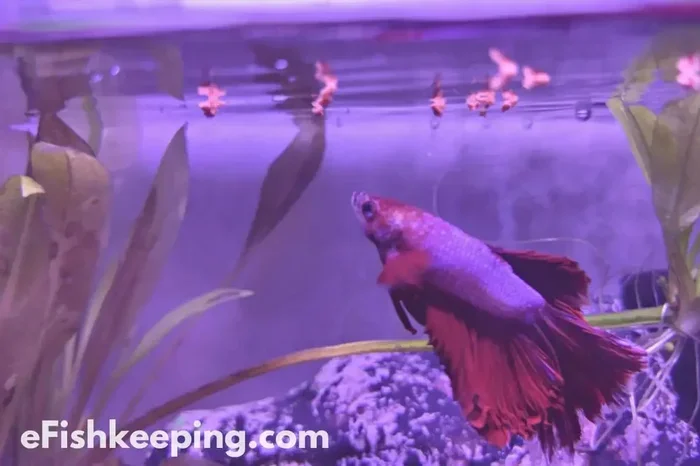
Knowing how many pellets to feed your betta fish is one of the most important parts of betta care. Most experts recommend 2 to 4 pellets per meal, served once or twice a day. Overfeeding is the number one mistake betta owners make, and it can lead to serious health problems like bloating, obesity, and poor water quality.
If you own a betta fish, you have probably stared at that little container of pellets and wondered, “Am I feeding the right amount?” You are not alone. How many pellets should you feed your betta fish is one of the most common questions among new and experienced fish keepers alike. The answer is not as simple as “a handful.” Too many pellets can harm your fish. Too few can leave them weak and tired. This guide breaks it all down so you can feel confident at feeding time.
Betta fish are small but mighty. They need the right balance of protein, nutrients, and portion control to thrive. Whether you just brought home your first betta or you have been caring for these beautiful fish for years, understanding pellet portions is essential. Let us dive into everything you need to know about feeding your betta the perfect amount.
Key Takeaways
- Right Portion Size: Feed your betta 2 to 4 pellets per meal to meet their nutritional needs without overfeeding.
- Feeding Frequency Matters: Most bettas do well with one or two small meals per day, not constant snacking.
- Overfeeding Is Dangerous: Excess food decays in the tank, ruins water quality, and causes digestive issues in bettas.
- Watch Your Fish: A healthy betta has a slightly rounded belly but should not look bloated or bloated after eating.
- Variety Helps: Supplement pellets with occasional treats like brine shrimp or peas for a balanced betta fish diet.
- Consistency Is Key: Stick to a regular feeding schedule so your betta stays active, colorful, and healthy.
📑 Table of Contents
- Why Pellet Portion Size Matters for Your Betta
- How Often Should You Feed Pellets to Your Betta
- How to Properly Feed Your Betta Fish Pellets
- What Happens When You Overfeed Your Betta
- How Much Food Should You Feed Your Betta Fish Overall
- Quick Tips for Perfect Betta Pellet Feeding
- Common Mistakes Bettas Owners Make When Feeding Pellets
- Final Thoughts on How Many Pellets to Feed Your Betta
Why Pellet Portion Size Matters for Your Betta
Betta fish have tiny stomachs. In fact, their stomach is about the size of their eye. This means they cannot handle large amounts of food at once. When you give your betta too many pellets, the excess food sits in their stomach and causes bloating. Over time, this leads to serious health issues.
Proper betta fish feeding is not just about filling their belly. It is about nutrition. High-quality pellets are designed to give your betta the protein and nutrients they need in each small serving. When you get the portion right, your fish stays energetic, colorful, and healthy. You also keep your tank water cleaner because uneaten food does not break down and pollute the aquarium.
The Right Amount of Pellets Per Feeding
So, what is the magic number? Most aquarists and betta experts agree that 2 to 4 pellets per meal is the sweet spot. This applies to standard-sized pellets from reputable brands. If you are using smaller pellets, you might add one or two extra. If your pellets are large, stick to two per feeding.
Here is a simple way to think about it:
- One to two pellets: Best for a single daily feeding.
- Two to three pellets: Ideal for twice-daily feedings.
- Four pellets maximum: The absolute most for a single sitting.
Always watch your betta during feeding. If they eat everything quickly and look hungry, you can add one more pellet next time. If they leave food behind, you are giving too much. Remove any uneaten pellets within a few minutes to keep your tank clean.
How Often Should You Feed Pellets to Your Betta
Portion size and feeding frequency go hand in hand. Even if you give the right number of pellets, feeding too often can still cause problems. Most bettas do well with one to two small meals per day. This mimics their natural eating pattern in the wild, where they eat several small meals throughout the day rather than one big feast.
If you are wondering how often you should feed your betta fish, the general rule is simple. Feed once in the morning and once in the evening, or just once a day if you prefer. Skipping a day once a week can also help your betta’s digestive system reset and stay healthy.
For more details on feeding schedules, check out our guide on how often you should feed your betta fish. It covers everything from daily routines to vacation feeding tips.
Signs You Are Feeding Too Often
It is easy to fall into the habit of snacking your betta throughout the day. Some fish keepers toss in a pellet here and there “just because.” But frequent feeding is one of the fastest ways to harm your fish. Watch for these warning signs:
- Your betta leaves pellets uneaten after a few minutes.
- Your fish looks bloated or has a swollen belly.
- You notice cloudy water or excess waste in the tank.
- Your betta seems less active than usual.
- You see uneaten food sinking to the bottom of the tank.
If you notice any of these signs, cut back on the amount and frequency of feedings right away. Your betta will feel better, and your tank water will stay cleaner too.
How to Properly Feed Your Betta Fish Pellets
Feeding your betta is not just about the number of pellets. How you feed them matters just as much. The right method ensures your fish eats everything and nothing goes to waste in the tank.
Start by soaking dry pellets in a small cup of tank water for a few seconds before adding them to the aquarium. This helps the pellets soften and expand before your betta eats them. Dry pellets can swell inside your fish’s stomach, which causes discomfort and digestive blockages. This simple step makes a big difference in your fish’s comfort and health.
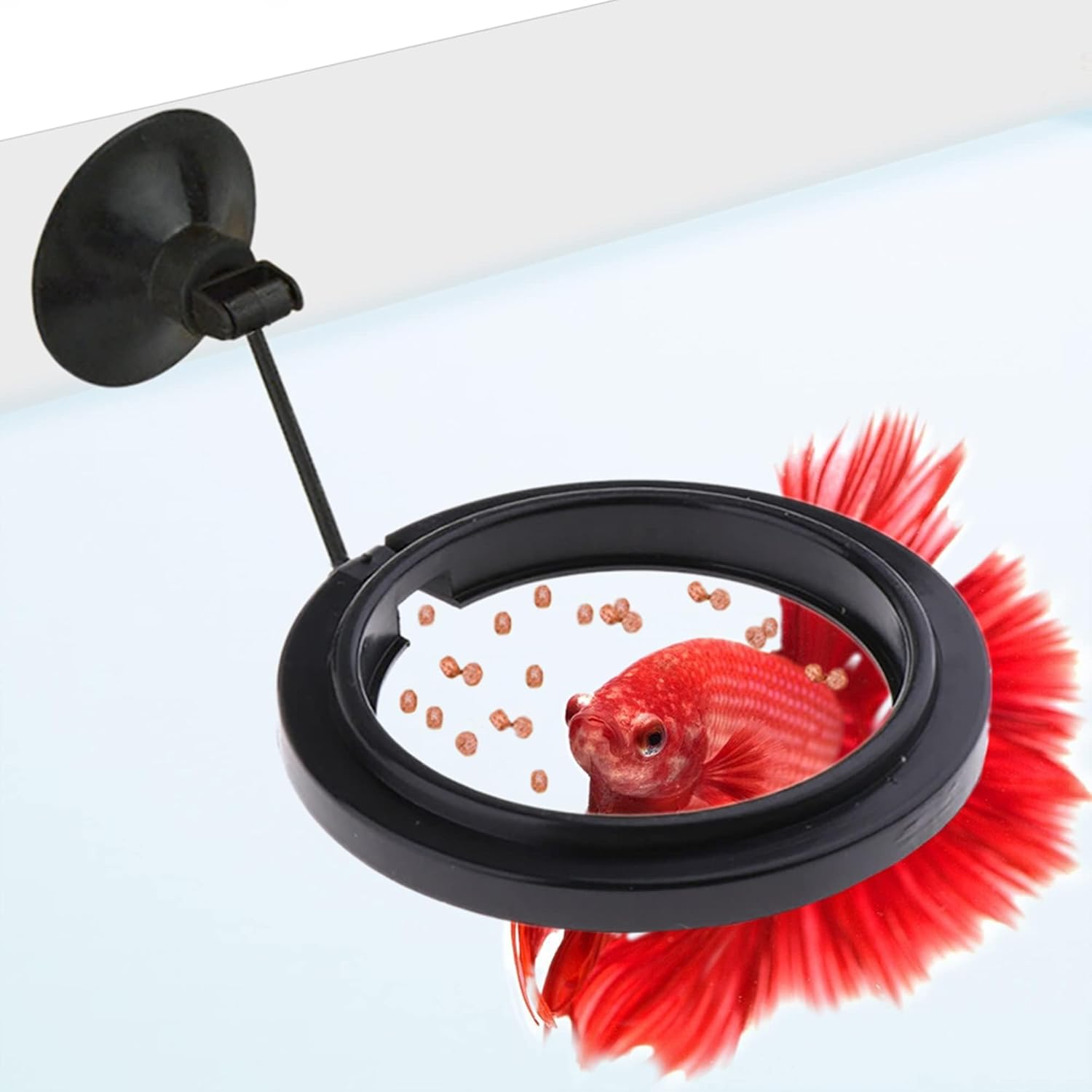
Drop the pellets near your betta. Most bettas like to eat from the middle or bottom of the tank. Watch them eat and make sure all pellets get consumed within two to three minutes. If food remains, remove it with a small net or siphon. This keeps ammonia levels from spiking and protects your betta’s living environment.
For more tips on the best feeding practices, read our article on how to feed a betta fish. It covers soaking techniques, feeding tools, and common mistakes to avoid.
Should You Soak Pellets Before Feeding?
Yes, you absolutely should. Soaking is one of the easiest and most effective ways to prevent digestive problems. Dry pellets expand when they hit water, and they do the same thing inside your betta’s stomach. By pre-soaking them, you let the pellets reach their full size before your fish ever eats them.
Just place two or three pellets in a small dish of tank water for about 30 seconds. They will soften and sink. Then drop them gently into the aquarium. Your betta will eat them eagerly, and you will avoid the risk of constipation or bloating.
What Happens When You Overfeed Your Betta
Overfeeding is the number one killer of pet bettas. It is also completely preventable. When you give your betta more pellets than they can eat, the leftover food decays in the water. This decay releases ammonia and nitrites, which are toxic to fish. Even small amounts of these chemicals can damage your betta’s gills and weaken their immune system.
Inside your betta’s body, overfeeding causes a condition called “bloat.” A bloated betta looks swollen, swims awkwardly, and loses interest in food. In severe cases, bloat leads to constipation, swim bladder disease, and even death. No fish owner wants to see their betta suffer because of too many pellets.
Overfeeding also leads to obesity. Yes, bettas can get fat. An overweight betta becomes lazy, loses its vibrant colors, and becomes more prone to disease. Keeping your betta at a healthy weight through proper portion control is one of the best things you can do for their long-term wellbeing.
How to Tell If Your Betta Is Overweight
It can be tricky to tell if your betta is overweight just by looking at them. Here are some clues to watch for:
- Their body looks round and puffy, not just full after eating.
- They have trouble swimming or stay near the bottom of the tank.
- They refuse food or eat very slowly.
- Their fins seem to droop more than usual.
If you think your betta is carrying extra weight, reduce the pellet amount immediately. Skip one feeding day per week and consider adding more variety with live or frozen foods. Your betta will thank you with brighter colors and more energy.
How Much Food Should You Feed Your Betta Fish Overall
While pellets are the staple of most betta diets, they should not be the only food your fish eats. A varied diet keeps your betta healthy, colorful, and active. Think of pellets as the main course, and other foods as supplements that add nutritional variety.
For a complete picture of your betta’s diet, check out our guide on how much food to give your betta fish. It covers pellets, flakes, frozen foods, and live treats in detail.
As a general rule, pellets should make up about 70 to 80 percent of your betta’s diet. The remaining 20 to 30 percent can come from other sources. This balance ensures your fish gets enough protein from pellets while benefiting from the extra nutrients that variety provides.
Great Food Options to Pair With Pellets
Adding variety to your betta’s meals is easier than you think. Here are some excellent options that complement pellets nicely:
- Brine shrimp: A protein-rich treat that bettas love. You can feed frozen or live brine shrimp a few times a week.
- Bloodworms: Another favorite treat. Use them sparingly since they are high in fat.
- Daphnia: A natural laxative that helps prevent constipation in bettas.
- Peas: Cooked and shelled peas can help with digestion and bloating.
- Mosquito larvae: A natural food source that mimics what bettas eat in the wild.
Always introduce new foods slowly. Your betta might not accept a new food right away. Be patient and try again a few days later. Never feed your betta human food, bread, or goldfish food, as these can cause serious health problems. Learn more about what not to feed your betta in our article on whether you can feed betta fish goldfish food.
Quick Tips for Perfect Betta Pellet Feeding
Feeding your betta does not have to be complicated. Follow these simple tips and you will have a happy, healthy fish in no time:
- Stick to 2 to 4 pellets per meal. This is the gold standard for most bettas.
- Feed once or twice a day. Do not snack your betta between meals.
- Soak pellets before adding them to the tank. This prevents stomach expansion problems.
- Remove uneaten food after two minutes. Clean water equals a healthy betta.
- Skip one feeding day per week. This gives your betta’s digestive system a break.
- Watch your betta eat. Adjust the portion size based on how quickly they finish their food.
- Store pellets in a cool, dry place. Old or stale pellets lose nutritional value and can make your fish sick.
These tips might seem small, but they add up to a big impact on your betta’s health and lifespan. A well-fed betta can live five to seven years or more with proper care. Getting the pellet portions right is one of the simplest ways to give your fish the best life possible.
Common Mistakes Bettas Owners Make When Feeding Pellets
Even the most dedicated fish keepers make feeding mistakes. Here are the most common ones and how to avoid them:
Mistake 1: Giving too many pellets at once. It is tempting to give your betta a big pile of food because you want them to be full. But remember, their stomach is tiny. Stick to the recommended amount and trust the process.
Mistake 2: Feeding the same food every day. Pellets alone do not provide every nutrient your betta needs. Rotate in treats like brine shrimp or daphnia to keep their diet balanced and exciting.
Mistake 3: Ignoring uneaten food. Leftover pellets dissolve in the water and release harmful chemicals. Always clean up any food your betta does not eat within a few minutes.
Mistake 4: Feeding on an inconsistent schedule. Bettas thrive on routine. Feed them at the same times each day so their body knows when to expect food. This also helps you track how much they are eating and spot any changes in appetite early.
Mistake 5: Not adjusting for your individual fish. Every betta is different. Some have bigger appetites, some are pickier eaters, and some are more active than others. Pay attention to your specific fish and adjust the pellet amount as needed.
Final Thoughts on How Many Pellets to Feed Your Betta
Feeding your betta fish the right number of pellets is one of the simplest yet most important parts of fish keeping. Remember the basics: 2 to 4 pellets per meal, one to two feedings per day, and always remove uneaten food. Keep your betta’s diet varied with occasional treats, and never be tempted to overfeed.
Your betta depends on you for everything, including their meals. Taking a few minutes each day to feed them the correct amount shows how much you care. A well-fed betta is a happy betta, and a happy betta makes your aquarium a joy to look at every single day.
Start today by measuring out the right number of pellets. Watch how your betta responds. Adjust as needed. Before long, feeding time will become second nature, and you will have the confidence of a true betta fish expert.
Frequently Asked Questions
Can I feed my betta fish more than 4 pellets at once?
It is best to avoid giving more than 4 pellets in a single feeding. Betta fish have very small stomachs, and overfeeding can cause bloating, constipation, and digestive problems. Stick to 2 to 4 pellets per meal and adjust based on how quickly your fish eats.
How many times a day should I feed my betta pellets?
Most bettas do well with one to two small feedings per day. If you feed twice a day, give 2 to 3 pellets per meal. If you feed once a day, you can give up to 4 pellets. Some fish keepers also skip one day per week to help their betta’s digestion.
What happens if I accidentally overfeed my betta?
A single overfeeding is usually not dangerous, but repeated overfeeding can cause serious health issues. Remove any uneaten pellets immediately and skip the next feeding to let your betta’s digestive system recover. Keep an eye on your fish for signs of bloating or lethargy.
Can I replace pellets with other foods for my betta?
You can supplement pellets with other foods like brine shrimp, bloodworms, or daphnia. However, pellets should remain the staple of your betta’s diet because they are specifically formulated to meet the nutritional needs of betta fish. Use treats sparingly and do not replace pellets entirely.
Should I soak pellets before feeding my betta fish?
Yes, soaking pellets for about 30 seconds before feeding is highly recommended. Dry pellets expand when they hit water, and they can swell inside your betta’s stomach if eaten dry. Soaking prevents bloating, constipation, and digestive discomfort.
How do I know if I am feeding my betta the right amount?
A healthy betta has a slightly rounded belly but is not bloated. They eat eagerly, finish their food within two to three minutes, and stay active throughout the day. If your fish leaves food behind or looks swollen, reduce the pellet amount. If they seem hungry after eating, add one pellet at a time until you find the perfect portion.