How Many Pellets Should I Feed My Baby Betta Fish
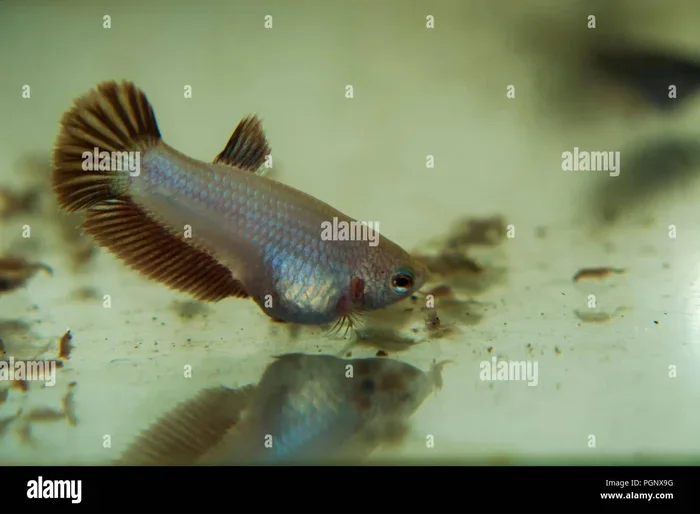
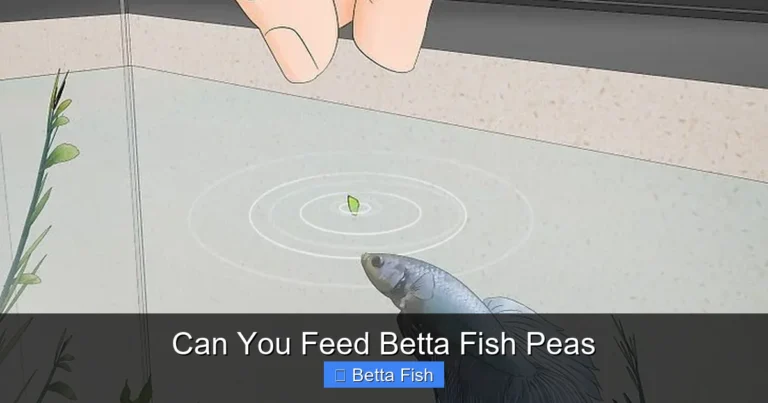
Feeding your baby betta fish the right number of pellets is one of the most important steps you can take for their health and growth. Baby bettas need small, frequent meals of just 2 to 4 tiny pellets per feeding, given 2 to 3 times a day. This guide covers everything from portion sizes to feeding schedules so your little betta thrives.
Welcoming a baby betta fish into your home is exciting. Those tiny, colorful fins and curious little eyes can melt anyone’s heart. But new betta owners quickly realize one big question: how many pellets should I feed my baby betta fish?
Feeding a baby betta is not the same as feeding an adult. These little fish have tiny stomachs and fast metabolisms. They need the right amount of food at the right times. Give them too much, and you risk dirty water and health problems. Give them too little, and they may not grow properly.
This guide breaks down everything you need to know about feeding baby betta fish pellets. You will learn the exact portion sizes, how often to feed, and the mistakes many new owners make. By the end, you will feel confident and ready to give your baby betta the best start in life.
Key Takeaways
- Feed baby bettas 2 to 4 pellets per meal: Small portions prevent overfeeding and keep water clean.
- Feed 2 to 3 times daily: Baby bettas need frequent small meals to support their fast growth.
- Soak pellets before feeding: This makes them easier for tiny bettas to digest and eat.
- Watch for signs of overfeeding: Uneaten food and cloudy water are red flags you should not ignore.
- Use high-quality betta pellets: Not all pellets are equal. Choose ones made specifically for bettas.
- Adjust portions as your betta grows: What works for a baby will not work for an adult betta.
📑 Table of Contents
- How Many Pellets Should I Feed My Baby Betta Fish?
- What Kind of Pellets Are Best for Baby Bettas?
- How Many Pellets to Feed Betta Fish Daily in Total
- Common Mistakes When Feeding Baby Bettas
- Signs Your Baby Betta Is Getting the Right Amount of Food
- Expert Tips for Feeding Baby Bettas
- When to Adjust the Feeding Amount
- Final Thoughts on Feeding Your Baby Betta
How Many Pellets Should I Feed My Baby Betta Fish?
The short answer is simple. Feed your baby betta fish 2 to 4 small pellets per meal. But the full answer depends on a few key factors. Let us break it all down.
Why Portion Size Matters So Much
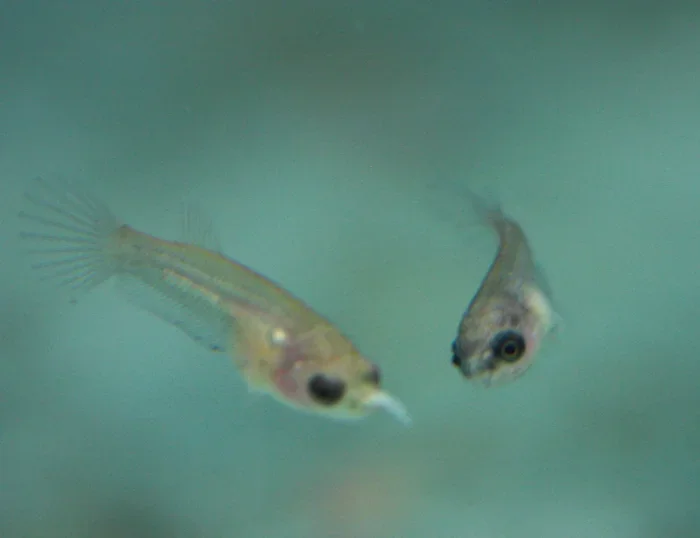
A baby betta fish stomach is incredibly small. It is roughly the size of their eye. That means they cannot eat very much at once. If you drop in too many pellets, your betta will not eat them all. The uneaten pellets will sink to the bottom and start breaking down. This fouls the water quickly and can make your betta sick.
On the other hand, underfeeding is also a problem. Baby bettas grow fast. They need enough nutrients to support their development. Too little food can lead to stunted growth and a weak immune system.
The sweet spot is 2 to 4 pellets per feeding. Start with 2 pellets and see how your baby betta reacts. If they eat everything quickly and seem hungry, add one more pellet next time. Always remove any uneaten food after a few minutes.
How Often Should You Feed a Baby Betta?
Frequency matters just as much as portion size. Baby bettas need to eat more often than adult bettas. Their tiny stomachs cannot hold large meals. So they do best with smaller meals spread throughout the day.
Feed your baby betta 2 to 3 times a day. A good schedule looks like this:
- Morning feeding: 2 to 4 pellets
- Afternoon feeding: 2 to 3 pellets
- Evening feeding: 2 to 4 pellets
Some owners prefer to skip the afternoon feeding. That is fine too. Two feedings a day with slightly larger portions can also work. The key is consistency. Try to feed your baby betta at the same times each day. This helps them develop a healthy routine.
For more details on feeding frequency, check out our guide on how often should I feed my betta fish.
What Kind of Pellets Are Best for Baby Bettas?
Not all pellets are created equal. When you are feeding a baby betta, you need the right type of food. Let us look at what works best.
Look for Small-Sized Pellets
Standard betta pellets can be too big for a baby fish. Your baby betta’s mouth is tiny. Large pellets may be impossible for them to eat. Look for pellets that are specifically labeled as small or micro-sized. These are designed for baby fish and fry.
Many brands make betta pellets that expand in water. This is actually a problem for baby bettas. The pellets swell up and become too large or too soft to eat properly. Choose pellets that either do not expand much or that you can pre-soak before feeding.
Soak Pellets Before Feeding
One of the best tips for feeding baby bettas is to soak the pellets first. Drop 2 to 4 pellets into a small dish of tank water. Let them sit for 2 to 3 minutes. This softens them and makes them easy for your baby betta to chew and digest.
Soaking also helps you control the portion size. Soft pellets are easier to count and place in the tank. You can use a pair of small tweezers or just let them sink gently from your fingers.
High-Quality Ingredients Matter
Read the ingredient list on your pellet packaging. The first ingredient should be a real protein source like fish meal or shrimp. Baby bettas are carnivores. They need protein to grow strong muscles and develop vibrant colors. Avoid pellets that are full of fillers like wheat or corn.
Good betta pellets should also contain vitamins and minerals. These support immune health and help prevent common diseases in young fish.
How Many Pellets to Feed Betta Fish Daily in Total
Now let us put it all together. How many pellets does a baby betta need in a full day? Here is a simple breakdown:
- 2 feedings per day: 4 to 6 pellets total
- 3 feedings per day: 6 to 9 pellets total
That is a very small amount of food. It might surprise you. But baby bettas do not need a lot. Their metabolism is fast, but their stomachs are even faster.
If you want a more detailed daily feeding plan, our article on how many pellets to feed betta fish daily covers this topic in depth.
As your baby betta grows, you can slowly increase the number of pellets. By the time they reach about 3 months old, they should be eating closer to 4 to 6 pellets per meal. Transition gradually over a few weeks.
Common Mistakes When Feeding Baby Bettas
Even experienced fish keepers make mistakes. Here are the most common ones to avoid when feeding your baby betta pellets.
Overfeeding
Overfeeding is the number one mistake new betta owners make. It is easy to think your fish is hungry when it swims to the front of the tank. But bettas are opportunistic eaters. They will always act hungry, even when they are full.
Overfeeding leads to several problems:
- Uneaten food rots in the tank
- Water quality drops quickly
- Your betta can become constipated
- Bloating and swim bladder issues can develop
Stick to 2 to 4 pellets per meal. If there are any uneaten pellets after 5 minutes, remove them with a small net or turkey baster.
Feeding the Wrong Food
Some owners feed their baby bettas regular tropical flakes or goldfish food. This is a bad idea. Betta fish need protein-rich diets. Flakes are often too thin and do not provide the nutrition a growing baby betta needs.
Stick to high-quality betta pellets. You can also offer occasional treats like earthworms or small brine shrimp. But pellets should always be the staple diet.
Inconsistent Feeding Schedule
Baby bettas thrive on routine. If you feed them at random times, their digestion can suffer. Try to feed them at the same times every day. Morning and evening feedings work well for most owners.
Signs Your Baby Betta Is Getting the Right Amount of Food
How do you know if your feeding routine is working? Watch for these positive signs:
- Active and alert behavior: A well-fed baby betta will swim around and explore its tank.
- Healthy appetite: Your betta should eat eagerly at each feeding.
- Steady growth: You should see your betta getting slightly bigger each week.
- Bright colors: Good nutrition helps develop vibrant fins and body color.
- Clear waste: Normal, solid waste is a sign of healthy digestion.
On the flip side, watch for warning signs. If your betta seems lethargic, refuses food, or its colors fade, something may be off. Adjust the feeding amount or frequency and monitor the changes.
Expert Tips for Feeding Baby Bettas
Here are some extra tips from experienced betta keepers to help you get the best results:
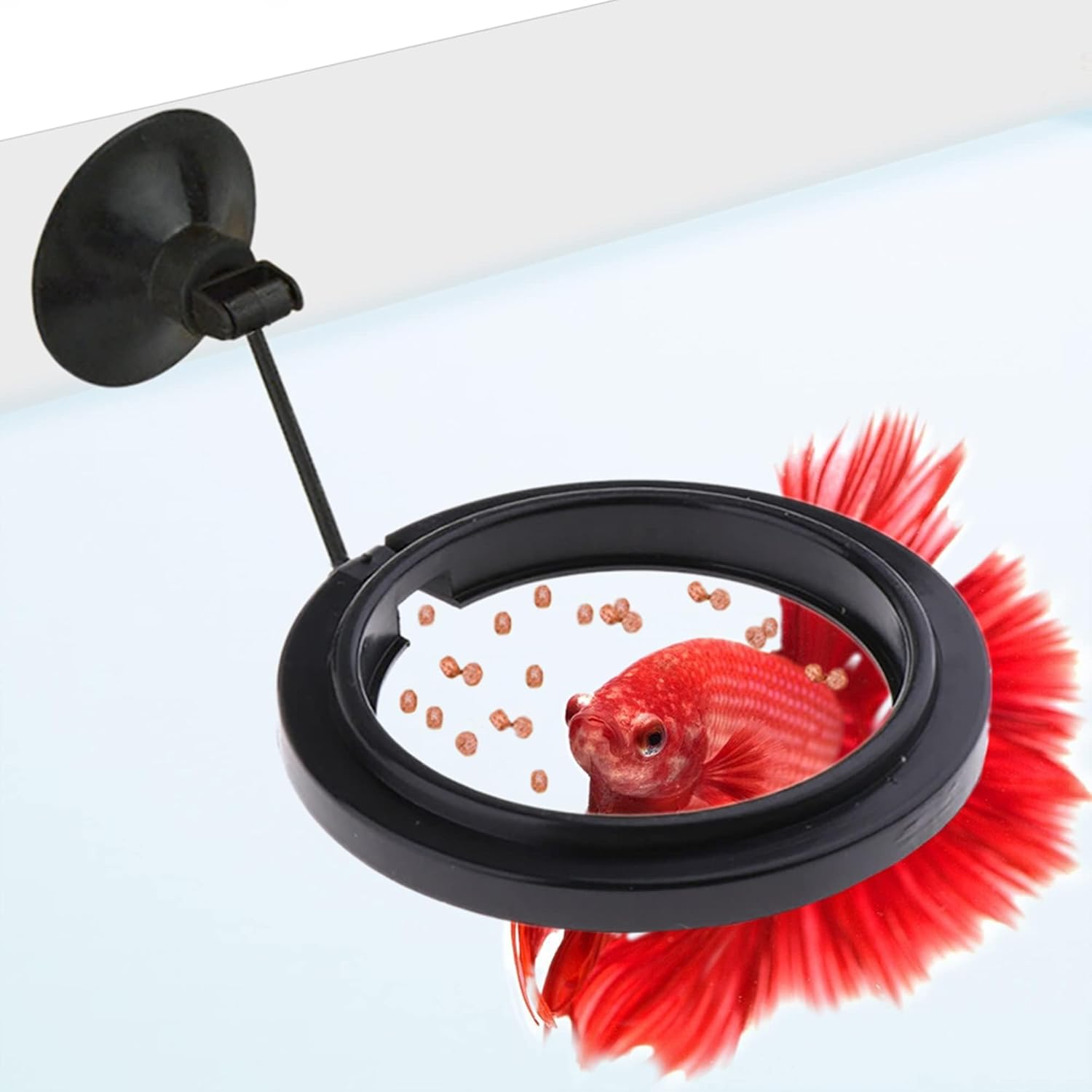
- Use a feeding ring or target area: This keeps pellets in one spot and makes it easier to see if your betta eats everything.
- Do not feed right after a water change: Wait a few hours after a water change. Your betta may be stressed and not interested in eating.
- Vary the diet slightly: Offer a different protein source once or twice a week to keep mealtime interesting and nutritionally balanced.
- Keep the tank clean: Remove uneaten pellets promptly. Clean water is just as important as good food for a baby betta’s health.
- Be patient: Some baby bettas take a few days to adjust to a new feeding routine. Stay consistent and they will get the hang of it.
For a complete guide on the feeding process, you can also read our how to feed my betta fish article.
When to Adjust the Feeding Amount
Your baby betta’s needs will change as it grows. Here is a simple guide to adjusting pellets over time:
- 0 to 4 weeks old: 2 to 3 pellets per meal, 2 to 3 times daily
- 1 to 2 months old: 3 to 4 pellets per meal, 2 to 3 times daily
- 2 to 3 months old: 4 to 6 pellets per meal, 2 times daily
- 3 months and older: Transition to adult feeding portions
These are general guidelines. Every betta is different. Some eat a little more, and some eat a little less. The key is to watch your fish and adjust accordingly. A baby betta that is actively swimming and eating with enthusiasm is on the right track.
Final Thoughts on Feeding Your Baby Betta
Feeding your baby betta fish does not have to be complicated. The answer to how many pellets should I feed my baby betta fish comes down to a simple formula: small portions, frequent meals, and high-quality food. Stick with 2 to 4 pellets per feeding, feed 2 to 3 times a day, and always remove uneaten food.
Your baby betta depends on you for everything. Getting the feeding right is one of the best things you can do for its long-term health and happiness. Watch your little fish grow, explore, and show off those beautiful fins. It is incredibly rewarding when you get the basics right.
Start today. Be consistent. Be patient. Your baby betta will thank you with vibrant colors, active behavior, and healthy growth for years to come.
Frequently Asked Questions
Can I feed my baby betta fish more than 4 pellets per meal?
It is not recommended. Baby betta fish have very small stomachs. More than 4 pellets per meal can lead to overfeeding, bloating, and poor water quality. Stick to 2 to 4 pellets and adjust based on how quickly your betta eats.
What should I do if my baby betta won’t eat the pellets?
Try soaking the pellets in tank water for a few minutes before feeding. This softens them and makes them more appealing. If your betta still refuses food, check the water temperature and quality. Stress and poor water conditions can reduce appetite. For more help, see our guide on what should I do if my betta fish isn’t eating.
How long can a baby betta fish go without eating?
A healthy baby betta can go 1 to 2 days without food without any issues. However, baby bettas grow fast and need regular nutrition. Do not skip feedings regularly. If you are going on vacation, set up an automatic feeder or ask someone to feed your baby betta in your absence.
Are frozen or live foods better than pellets for baby bettas?
Pellets should be the staple diet because they are nutritionally balanced and convenient. Frozen or live foods like brine shrimp and bloodworms make great occasional treats. They add variety and extra protein. But do not rely on them as the main food source.
How do I know if I am overfeeding my baby betta?
Signs of overfeeding include uneaten pellets sinking to the bottom, cloudy water shortly after feeding, a bloated belly, and your betta refusing food at the next meal. If you notice any of these, reduce the pellet count and remove any leftover food after 5 minutes.
Should I feed my baby betta the same pellets as my adult betta?
Ideally, no. Baby bettas do better with smaller pellets that are easier to eat and digest. Adult betta pellets are often too large for young fish. Look for pellets labeled as small or micro-sized for the best results with baby bettas.