How Many Gallons per One Betta Fish
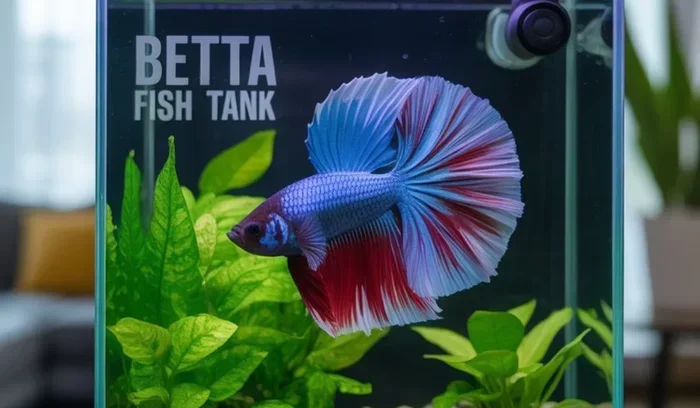
You need at least 5 gallons of water per betta fish to keep them healthy and thriving. Many beginners make the mistake of keeping bettas in tiny bowls, but these colorful fish need room to swim and explore. The right tank size reduces stress, improves water quality, and can extend your betta’s lifespan significantly.
So you just brought home a beautiful betta fish, and you want to give it the best life possible. The first question that probably popped into your head is, “How many gallons per one betta fish do I actually need?” It is a great question, and the answer might surprise you.
A lot of people think bettas can live in tiny cups or small bowls. That is a myth. Betta fish are active swimmers, and they need proper space to explore, rest, and stay healthy. In this guide, we will break down everything you need to know about betta fish tank size, why it matters, and how to set up the perfect home for your finned friend.
Key Takeaways
- Minimum 5 gallons: A single betta fish needs at least a 5-gallon tank to stay healthy and active.
- Bigger is always better: Tanks of 10 gallons or more make water maintenance easier and give your betta more space.
- Small tanks cause problems: Tanks under 5 gallons lead to poor water quality, stress, and shorter lifespans.
- Tank setup matters: Filtration, heating, and decorations all play a role in your betta’s comfort.
- Overstocking is risky: Never add too many fish to a betta tank, as aggression and waste buildup can be deadly.
- Regular water changes: Even with the right tank size, you must maintain clean water for your betta to thrive.
📑 Table of Contents
Why Tank Size Matters for Your Betta Fish
The size of your tank directly affects your betta’s health and happiness. A cramped space causes stress, which weakens the immune system and makes your fish more prone to diseases. Bettas need room to swim, and they also need stable water conditions to thrive.
When you keep a betta in a tank that is too small, ammonia and nitrite levels can spike quickly. These toxins are harmful and can even be fatal. A larger tank dilutes waste more effectively, giving you more time between water changes. This is why understanding gallons per one betta fish is so important before you bring your fish home.
The Minimum Tank Size for a Single Betta
The absolute minimum tank size for one betta fish is 5 gallons. This is the standard recommendation from most aquarium experts and fish veterinarians. A 5-gallon tank gives your betta enough room to swim around comfortably and maintain stable water parameters.
That said, 5 gallons is the bare minimum. If you can go bigger, you should. A 10-gallon or 20-gallon tank makes a huge difference in water quality and gives your betta a much more enriching environment. If you are curious about whether a smaller tank works, check out our article on can betta fish live in a one gallon tank to understand the risks involved.
Why Small Tanks Are Problematic
Small tanks, especially those under 3 gallons, come with serious challenges. Here are some of the main problems you will face:
- Rapid water quality changes: Waste builds up fast in small volumes of water.
- Temperature swings: It is much harder to keep the water at a stable 78-80°F in a tiny tank.
- Limited swimming space: Bettas need room to move around and explore.
- Higher stress levels: Stressed bettas are more likely to develop fin rot and other illnesses.
- Less room for filtration: Small tanks often lack proper filtration, which is essential for a healthy environment.
Many people start their bettas in small bowls and wonder why the fish gets sick frequently. The truth is, tank size is one of the most important factors in betta fish care. If you want to learn more about how often you need to change water in different tank sizes, read our guide on how many times to change water for betta fish.
Recommended Tank Sizes for Betta Fish
Now that you know the minimum, let us talk about the ideal setup. The table below shows different tank sizes and what they offer for your betta.
| Tank Size | Best For | Water Stability | Ease of Maintenance |
|---|---|---|---|
| 3-5 gallons | Single betta (minimum) | Moderate | Moderate |
| 10 gallons | Single betta (ideal) | High | Easy |
| 20 gallons | Single betta with plants | Very High | Easy |
| 20+ gallons | Betta with peaceful tank mates | Excellent | Moderate |
As you can see, bigger tanks are easier to maintain and provide a better life for your fish. A 10-gallon tank is often considered the sweet spot for a single betta fish. It gives plenty of swimming room and keeps water parameters much more stable than a 5-gallon setup.
If you are wondering about keeping other fish with your betta, tank size becomes even more critical. You can read about how many fish in a 10 gallon tank with a betta to learn about safe stocking levels.
How to Set Up the Perfect Betta Tank
Getting the right number of gallons per one betta fish is only half the battle. You also need to set up the tank properly to create a healthy and comfortable environment.
Filtration
Every betta tank needs a filter. Filters remove harmful toxins and keep the water clean. However, bettas prefer gentle water flow because strong currents can stress them out. Choose a filter with an adjustable flow rate or use a sponge filter. A sponge filter works great for betta fish aquarium setups and provides mechanical and biological filtration without creating too much current.
Heating
Betta fish are tropical fish, and they need warm water to stay healthy. The ideal temperature range is between 78°F and 80°F. A small aquarium heater is essential, even if you think your room is warm enough. Room temperature water is usually too cold for bettas and can lead to lethargy and illness.
Decorations and Plants
Bettas love to explore and hide. Adding live or silk plants, caves, and driftwood gives your fish places to rest and play. Live plants also help improve water quality by absorbing nitrates. Just make sure any decorations you add do not have sharp edges that could tear your betta’s delicate fins.
Substrate and Lighting
A thin layer of smooth gravel or sand works well as substrate. Avoid rough gravel that could scratch your betta. For lighting, standard LED aquarium lights are perfect. They provide enough light for your fish and any live plants without generating too much heat.
Common Mistakes People Make with Betta Tank Size
Even well-meaning fish owners make mistakes when it comes to betta fish tank size. Here are some of the most common errors to avoid:
Buying a bowl instead of a tank. Bowls are too small, have no filtration, and no heating. Your betta deserves better than a bowl. Even if you see bettas sold in tiny cups at pet stores, that does not mean it is a good long-term home.
Overstocking the tank. Adding too many fish to a small tank creates excess waste and raises ammonia levels fast. A single betta needs its own space. If you want to add other fish, make sure the tank is large enough and the species are compatible. How many betta fish can live together is a topic worth reading if you are considering tank mates.
Skipping water changes. Even in a properly sized tank, you still need to perform regular water changes. A 25-30% water change every one to two weeks helps keep the tank clean and your betta healthy. How many gallons for a betta fish determines how often you should do maintenance, so always keep that in mind.
Ignoring water parameters. Test your water regularly using a liquid test kit. Ammonia and nitrite should always read zero, and nitrates should stay below 20 ppm. These simple checks can prevent many common health issues.
How Tank Size Affects Betta Fish Lifespan
Did you know that betta fish can live 3 to 5 years with proper care? In some cases, they even live longer. One of the biggest factors that determines how long your betta lives is the environment you provide.
Bettas kept in small, unfiltered bowls often only live for one or two years. The stress, poor water quality, and lack of space take a toll on their bodies. On the other hand, bettas in well-maintained 10-gallon or larger tanks tend to live longer, show better colors, and display more natural behaviors like building bubble nests and exploring their surroundings.
If you want your betta fish to live its longest, healthiest life, invest in the right tank size from the start. It is one of the easiest things you can do to support your fish’s well-being.
Quick Tips for Choosing the Right Tank
- Always start with at least a 5-gallon tank for a single betta.
- Choose a 10-gallon tank if you want a more comfortable setup and easier maintenance.
- Make sure the tank has a lid, as bettas can jump out of the water.
- Install a gentle filter and a reliable heater.
- Add live plants for better water quality and a natural look.
- Place the tank away from direct sunlight and drafts to maintain stable temperature.
- Cycle your tank before adding your betta to establish beneficial bacteria.
These tips will help you create a safe and comfortable home for your betta fish. Remember, the number of gallons per one betta fish sets the foundation for everything else. Get this right, and the rest of your fish-keeping journey becomes much easier.
Final Thoughts on Gallons Per One Betta Fish
Giving your betta fish the right tank size is one of the most important things you can do as a fish owner. A minimum of 5 gallons is essential, but if you can provide 10 gallons or more, your betta will thank you with vibrant colors, active behavior, and a longer life. Tank size affects water quality, stress levels, and overall health in big ways.
Avoid the temptation to keep your betta in a tiny bowl or cup. These fish deserve a proper home with space to swim, places to explore, and clean, warm water. Take the time to set up the right betta fish aquarium, and you will enjoy watching your fish thrive for years to come.
If you are new to betta care or want to learn more about feeding schedules, check out our guide on how many times a day to feed a betta fish for helpful tips on keeping your fish well-fed and healthy.
Frequently Asked Questions
Can a betta fish live in a 1-gallon tank?
A betta can survive in a 1-gallon tank, but it is not recommended. Such a small space leads to rapid toxin buildup, temperature fluctuations, and chronic stress. Your betta will be much healthier and happier in a 5-gallon tank or larger.
How often should I change water in a 5-gallon betta tank?
You should perform a 25-30% water change every one to two weeks in a 5-gallon tank. This helps keep ammonia and nitrite levels low and maintains a healthy environment for your betta fish.
Can two betta fish live together in a 10-gallon tank?
Two male bettas should never be kept together, as they will fight and may injure or kill each other. A 10-gallon tank can work for one male betta with peaceful female tank mates, but careful research is needed before adding any other fish.
Do betta fish need a filter in their tank?
Yes, betta fish need a filter to remove harmful toxins and maintain clean water. Choose a filter with gentle flow, as bettas do not like strong currents. A sponge filter is an excellent choice for most betta setups.
What is the ideal tank size for a single betta fish?
The ideal tank size for a single betta fish is 10 gallons. This gives your fish plenty of swimming room, stable water parameters, and room for proper filtration and heating. A 5-gallon tank works as a minimum, but bigger is always better.
Does tank size affect a betta fish’s color and behavior?
Yes, tank size absolutely affects a betta’s color and behavior. Bettas in properly sized tanks show brighter colors, more active swimming, and natural behaviors like bubble nest building. Stressed bettas in small tanks often become dull in color and lethargic.