How Many Different Betta Fish Are There
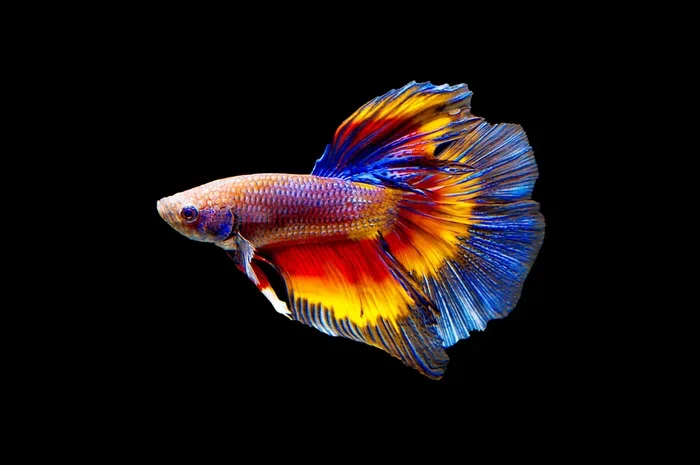
There are over 70 recognized betta fish varieties, with dozens of colors, patterns, and tail types that make each one unique. The betta fish species belongs to the Betta genus, and understanding the different kinds helps you choose the right colorful betta fish for your tank. Whether you are a beginner or a seasoned hobbyist, knowing the betta fish varieties available makes all the difference.
So, how many different betta fish are there? The answer might surprise you. There are well over 70 recognized betta fish varieties, and new ones seem to pop up every year thanks to dedicated breeders. These beautiful tropical fish belong to the Betta genus, and each variety brings something special to the table.
Whether you are looking for a stunning colorful betta fish with flowing fins or a sleek plakat with a fighting spirit, there is a type out there for you. In this guide, we will break down the different betta fish species, explore the most popular varieties, and help you understand what makes each one unique.
By the end of this article, you will have a clear picture of the amazing diversity within the betta fish world. You will also learn how to pick the right variety for your tank and lifestyle.
Key Takeaways
- Over 70 recognized varieties: Betta fish come in a huge range of colors, patterns, and tail shapes.
- Tail types define categories: Crowntail, halfmoon, plakat, and double tail are just a few popular types.
- Color and pattern diversity is massive: From solid colors to marble and butterfly patterns, the options are endless.
- Classification matters for care: Different varieties may need slightly different tank setups and care routines.
- Male and female bettas differ: Knowing the differences helps you pick the right fish for your home.
- Breeding creates new varieties: Selective breeding has produced many of the stunning betta fish breeds we see today.
📑 Table of Contents
- Understanding Betta Fish Classification
- The Major Betta Fish Types by Tail Shape
- Betta Fish Colors and Patterns
- Male vs Female Betta Fish
- How Many Betta Fish Can Live Together
- How Tank Size Affects Your Betta Fish
- Quick Tips for Choosing Your Betta Fish
- Common Mistakes People Make With Betta Fish Varieties
- Conclusion
Understanding Betta Fish Classification
Before we dive into specific types, it helps to understand how betta fish classification works. Betta fish are grouped by their scientific name, physical traits, and breeding history. The most common species you will encounter is Betta splendens, also known as the Siamese fighting fish.
Within Betta splendens, breeders have developed hundreds of variations based on color, fin shape, and body type. These variations are not always officially recognized, but they form the backbone of the betta fish varieties you see in pet stores and online shops.
Why Classification Matters
Knowing the classification helps you understand care needs. Some varieties have long, flowing fins that make them slower swimmers. Others are compact and athletic. This affects everything from tank size to feeding habits. If you want to learn more about keeping multiple bettas together, check out our guide on Are There Betta Fish That Don’t Fight for helpful tips.
The Major Betta Fish Types by Tail Shape
Tail shape is one of the easiest ways to identify different betta fish breeds. Each tail type has its own charm and care requirements. Here are the most popular ones.
Crowntail Betta
The crowntail betta is one of the most recognizable types. Its fins have a spiky, crown-like appearance. This variety is hardy and popular among beginners. The webbing between the fin rays recedes, giving each spike a distinct look.
Halfmoon Betta
The halfmoon betta has a tail that spreads out to form a perfect 180-degree circle. These fish look absolutely stunning and are a favorite among show enthusiasts. Their large fins do require a bit more careful tank setup to avoid damage.
Plakat Betta
Plakat bettas have short, stubby fins that resemble wild bettas. They are the most active swimmers and closest to the original Siamese fighting fish. Many people love plakats for their athletic build and vibrant colors.
Double Tail Betta
As the name suggests, the double tail betta has two separate tail fins. This genetic trait gives them a unique and eye-catching look. They tend to be a bit more delicate and may need extra attention to water quality.
Veil Tail Betta
The veil tail is one of the oldest and most common tail types. Its long, flowing tail droops downward like a curtain. Veil tails are hardy and widely available, making them a great choice for first-time fish keepers.
Betta Fish Colors and Patterns
Color is where betta fish varieties really shine. Breeders have developed an incredible palette of colors and patterns over the years. Let us explore the most common ones.
Solid Colors
Solid color bettas come in red, blue, green, black, white, and pastel shades. A deep red betta is a classic choice, while electric blue bettas turn heads every time. Solid colors are prized for their clean, uniform appearance.
Marble Pattern
Marble bettas have a swirling mix of colors that looks like marble stone. The pattern can change over the fish’s life, which makes each one truly unique. This unpredictability is part of what makes marble bettas so exciting.
Butterfly Pattern
Butterfly bettas have a gradual color transition from the body to the fins. The base color fades into a lighter or contrasting shade at the edges. This pattern creates a beautiful, almost translucent effect.
Koi and Dragon Scale Patterns
Koi-patterned bettas mimic the look of koi carp with patches of orange, white, and black. Dragon scale bettas have a metallic, armor-like appearance. Both patterns are highly sought after by collectors.
For those interested in rare color variations, our article on Are There Purple Betta Fish explores some of the most unusual and beautiful hues in the betta world.
Male vs Female Betta Fish
Understanding the differences between male and female bettas is essential. They look and behave quite differently, and this affects how you care for them.
Physical Differences
Male bettas have longer fins, brighter colors, and more dramatic tail spreads. Females are smaller with shorter fins and a visible egg spot on their underside. Males also tend to have more pronounced beards, which are the dark coloring under their mouths.
Behavioral Differences
Males are more aggressive and territorial. They will flare their gills and even fight other males. Females can sometimes live together in groups called sororities, but this requires careful planning. If you want to know more about keeping both sexes, read our piece on Are There Male And Female Betta Fish.
Which One Should You Choose?
For a single display tank, a male betta is usually the better choice because of his stunning colors. If you want a community tank, a female sorority setup can work well with the right tank size and hiding spots.
How Many Betta Fish Can Live Together
One of the most common questions is how many betta fish can share a tank. The answer depends on the setup and the fish involved.
Male bettas should never be housed together. They will fight, sometimes to the death. However, you can keep one male with several females in a large, well-planted tank. Some community setups work well too, but you need to choose tankmates carefully.
If you want to add other fish alongside your betta, our guide on Are There Other Fish That Can Go With A Betta covers the best and worst tankmate options in detail.
| Setup Type | Number of Bettas | Tank Size Needed | Difficulty Level |
|---|---|---|---|
| Single Male | 1 | 5+ gallons | Easy |
| Female Sorority | 4-6 | 20+ gallons | Medium |
| Male + Females | 1 male + 3-4 females | 20+ gallons | Medium |
| Community Tank | 1 male or female | 20+ gallons | Hard |
How Tank Size Affects Your Betta Fish
The size of your tank plays a big role in your betta’s health and happiness. A small bowl might seem convenient, but bettas thrive in larger spaces with stable water conditions.
A 5-gallon tank is the minimum for a single betta. This gives the fish room to swim and explore. For community setups or female sororities, you will need at least 20 gallons. The more water volume, the easier it is to maintain stable parameters. Learn more about the ideal tank size in our article on How Many Gallons For A Betta Fish.
Larger tanks also give you more flexibility with decorations, plants, and tankmates. A well-planted tank reduces stress and brings out the natural colors of your colorful betta fish. Always use a filter and a heater to keep the water temperature between 76 and 82 degrees Fahrenheit.
Quick Tips for Choosing Your Betta Fish
- Observe the fish’s colors: Bright, vivid colors usually indicate a healthy fish.
- Check the fins: Look for fins without tears, holes, or fraying.
- Watch the behavior: A healthy betta will be active and curious, not lethargic or hiding.
- Ask the seller about the variety: Knowing the exact betta fish breed helps you prepare the right care setup.
- Start simple: If you are new to bettas, a veil tail or plakat is a great beginner choice.
Common Mistakes People Make With Betta Fish Varieties
Even experienced fish keepers sometimes make mistakes when choosing or caring for different betta varieties. Here are a few to avoid.
- Overcrowding the tank: Too many fish in a small space causes stress and disease. Always research the right number of fish for your tank size.
- Ignoring water quality: Betta fish are sensitive to ammonia and nitrite spikes. Regular water changes are non-negotiable.
- Choosing incompatible tankmates: Not every fish gets along with bettas. Avoid fin-nippers and aggressive species.
- Feeding too much: Overfeeding leads to obesity and poor water quality. Stick to a consistent feeding schedule.
- Skipping quarantine: New fish should be quarantined for at least two weeks before joining the main tank.
For more on proper feeding routines, check out our article on How Many Times A Day To Feed A Betta Fish to make sure you are feeding your fish the right way.
Conclusion
The world of betta fish is incredibly diverse. With over 70 recognized varieties, there is a betta fish species and style for every hobbyist. From the elegant halfmoon to the energetic plakat, each variety brings its own personality and beauty to your aquarium.
Understanding the different betta fish breeds, colors, and tail types empowers you to make better choices for your tank. Whether you pick a solid red male or a stunning marble female, your colorful betta fish will reward you with years of enjoyment.
Take your time, do your research, and enjoy the journey of finding the perfect betta fish varieties for your home. The more you learn, the more you will appreciate these amazing little fish.
Frequently Asked Questions
How many different betta fish are there in total?
There are over 70 recognized betta fish varieties, and that number keeps growing as breeders develop new colors and patterns. The exact count depends on whether you include only officially recognized types or also the many unofficial breeding variations.
What is the most popular type of betta fish?
The veil tail and crowntail are among the most popular betta fish breeds. They are widely available, hardy, and come in a wide range of colors. The halfmoon is also extremely popular among show enthusiasts.
Can different betta fish varieties live together?
Generally, male bettas should be kept alone. Female bettas can sometimes live together in groups called sororities. You can also keep one male with several females in a large, well-planted tank. Always research compatibility before mixing any fish.
Are there wild betta fish varieties?
Yes, wild bettas are much less colorful than their domestic cousins. They have shorter fins and more subdued coloring. Wild betta fish species are found in Southeast Asia, particularly in rice paddies and slow-moving streams.
How do breeders create new betta fish varieties?
Breeders use selective breeding to enhance specific traits like color, fin shape, and pattern. By choosing parent fish with desirable features, they gradually develop new betta fish varieties over multiple generations. This process takes time, patience, and expertise.
Do different betta fish types need different care?
Most betta varieties share the same basic care requirements, but some differences exist. Long-finned varieties like halfmoons need gentler water flow and careful tankmate selection. Plakats are hardier and more active. Always research the specific needs of your chosen betta fish breed.